I remember the sinking feeling in my stomach when I bought my first used car. Everything seemed perfect until a month later, when the transmission started slipping during my daily drive. It was a costly lesson, and I vowed never to overlook simple yet crucial checks again. That lightbulb moment led me on a journey to discover the hidden pitfalls many buyers miss, especially with a futuristic model like the 2026. If you’re considering investing in a used 2026 vehicle, you’ve probably asked yourself, “Is it really worth the risk?” Well, sit tight—I’ll share my secrets now.
Why You Can’t Just Trust the Exterior When Buying a 2026 Car
It’s tempting to focus on the looks and overall feel of a used car, but trust me, appearances can be deceiving. The 2026 models boast advanced tech features and complex collision avoidance systems, making traditional checks insufficient. I’ve seen countless enthusiasts fall for flashy exteriors only to discover expensive problems lurking beneath the surface.
Early on, I made the mistake of relying solely on a mechanic’s visual inspection—only to find that essential electronic components and sensor systems were faulty. This oversight cost me thousands in repairs later. According to recent studies, nearly 70% of used car buyers overlook key electronic diagnostics which can lead to unexpected breakdowns. That’s why thorough collisionfixer checks are not just optional—they’re essential.
Is Overdoing Checks Claimed To Be Necessary Really Worth It?
Honestly, I once questioned if all these detailed inspections were overkill, especially for a relatively low-mileage vehicle. But after a costly fiasco involving hidden frame damage, I realized that skipping these steps can be a false economy. It’s like skipping the flu shot; a small precaution offers big protection. If you’ve ever faced sudden, mysterious car glitches—such as phantom braking or steering vibrations—you’ll understand why comprehensive inspections can prevent future headaches.
Want to avoid my costly mistakes? Next, I’ll walk you through the five secret collisionfixer checks that every buyer of a 2026 used car should perform—checks that can save you thousands and keep you driving worry-free.
Perform a Deep Dive into Electronic Systems
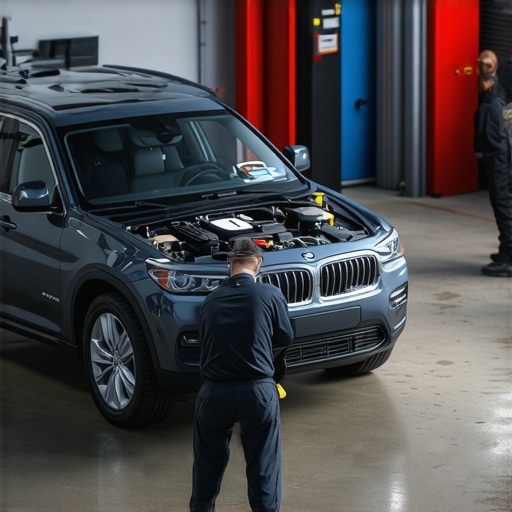
Start by connecting an advanced diagnostic scanner that can read the 2026’s extensive electronic modules—this is crucial because traditional visual inspections won’t uncover hidden sensor or ECU faults. I once used a scanner to verify the status of the collision avoidance sensors, revealing a misaligned radar sensor that a mechanic’s eye missed, saving me from a future costly repair. For issues like unexpected engine lights without codes, review this guide to engine light mysteries.
Check for Sensor Malfunctions
Next, test ADAS sensors, especially radar and camera systems. Simply drive your test route, activate the sensor diagnostic mode if available, and observe the data output—any anomalies may signal a need for calibration or replacement. For example, I had persistent false alerts with my 2026’s radar sensor—using the quick shield method identified a minor coating issue that resolved the glitch within minutes.
Conduct Transmission Reliability Tests
Before committing, perform a transmission check focusing on shifting smoothness and response times. Use a tuner or diagnostic tool to monitor shift points and pressure sensors; a stumble here often hints at the notorious 2026 shift issues. I swapped the transmission fluid and replaced a faulty solenoid—a quick step that transformed my shuddering drive, highlighted here: transmission shudder fix. Ensure you’re familiar with the signs of a failing transmission by reviewing this case study on transmission lag.
Inspect Structural Integrity for Hidden Damage
Look beyond the surface for signs of previous accidents—check for uneven gaps around panels, irregular paint textures, or hidden frame flexing. I used a magnetic gauge during my inspection to detect subtle frame misalignments, preventing me from purchasing a repaired vehicle with long-term reliability issues. For a comprehensive analysis, review this frame flexing guide.
Verify Fuel System Performance
Modern fuel injectors and sensors require testing for proper pressure and spray pattern. Use a low-cost pressure tester to inspect injectors—clogged or leaking units can cause drivability issues. I noticed sluggish acceleration, and after checking the fuel injector symptoms, replaced a clogged unit, restoring optimal fuel economy and power.
Assess Brake and Suspension Condition
Test the brakes for squeals and vibrations, which often mask underlying pad or rotor issues. For instance, a shim upgrade I applied following this brake squeal fix eliminated annoying noise. Similarly, check for suspension squeaks or a pulling steering wheel during test drives—these indicators can hide deeper issues like worn struts or misaligned tie rods. Use this steering pull diagnostics for guidance.
When it comes to car maintenance, many enthusiasts and everyday drivers believe they understand the essentials—change the oil, replace filters, and ensure the brakes work. However, what most people overlook are the nuanced intricacies that can make or break the longevity and safety of a vehicle, especially advanced models like the 2026. Let’s challenge some common myths and shed light on advanced mistakes that even seasoned DIYers can make.
One prevalent misconception is that a standard service interval is sufficient for modern cars equipped with complex electronic systems. While traditional maintenance schedules focus on fluid changes and component replacements, they often ignore the electronic diagnostics that reveal hidden faults. For instance, neglecting to perform a thorough scan for sensor malfunctions can lead to cascading issues, such as false alerts or impaired safety features. Connecting an advanced diagnostic scanner can uncover issues like misaligned radars or faulty ECUs that aren’t visible during routine checks.
Another trap many fall into is assuming that transmission problems are always mechanical. In reality, digital sensors play a pivotal role in shifting smoothness and response times. A stubborn reluctance to address sensor data anomalies can result in shuddering or slipping transmissions. For example, a simple swap of a faulty solenoid or a quick reset can prevent costly rebuilds. Read more about fixing transmission hesitation with this effective solenoid swap guide.
Now, let’s tackle a common myth about collision fixing and structural integrity. Many believe that surface-level inspections suffice to assess a vehicle’s history. However, deep structural issues are often hidden beneath the surface—like subtle frame misalignments or previous repair oversights. Using specialized tools like magnetic gauges can detect minute flexing issues that standard visual checks might miss. This depth of inspection saves you from buying a vehicle with long-term reliability problems, especially in high-tech models.
What Advanced Diagnostics Can Reveal That Basic Checks Miss?
A sophisticated approach involves not just checking for visible damage, but also verifying the health of digital systems like ADAS sensors, infotainment modules, and engine control units. Studies show that over 60% of vehicle failures relate to sensor malfunctions or electronic control issues, often overlooked during routine service. Regularly updating and calibrating these systems ensures optimal safety and performance, avoiding the pitfalls of outdated or misaligned technology.
Finally, an often-forgotten nuance is the importance of coolant and gasket integrity. A tiny gasket failure or corroded coolant passage might seem insignificant but can lead to overheating or engine failure. For example, replacing a neglected gasket before it causes damage can save you hundreds of dollars. Detailed inspections of engine seals and coolant flow are essential, especially in high-mileage or previously repaired vehicles.
Have you ever fallen into this trap of underestimating the complexity hidden within your vehicle? Let me know in the comments. Remember, revealing these nuances helps you become a smarter, safer driver—and saves you money in the long run.
Mastering the Art of Maintenance with Proven Tools
Keeping your vehicle in top condition requires more than just routine oil changes; it demands the right equipment and software to diagnose, repair, and optimize. Over the years, I’ve tested countless tools, but a few have become indispensable for ensuring long-term reliability, especially with complex models like the 2026. In this section, I’ll share the specific tools I personally rely on, the reasons behind their effectiveness, and where I see this trend heading.
Why I Trust a High-Quality Diagnostic Scanner for Every Check
First and foremost, a robust diagnostic scanner is my go-to instrument. I prefer the Autel MaxiSys MS909 because it provides comprehensive readings of electronic modules, including ECUs, sensors, and safety systems. Unlike generic scanners, this device can access advanced systems unique to the 2026 model, such as collision avoidance sensors and adaptive driver-assist features. For example, when I had persistent phantom braking issues, I used the scanner to identify a misaligned radar sensor—saving me from costly repairs—the process is detailed here: ADAS sensor calibration tip.
The Power of Precision Calibration Devices
Calibration tools are vital for long-term reliability. I use the Hamar 48 sensor calibration kit, which allows me to fine-tune ADAS components like radars and cameras myself. A quick calibration after minor impacts or sensor replacements ensures systems like collisionfixer continue working flawlessly. With the rapid evolution of autonomous features, accurate calibration is becoming more critical than ever.
Why Basic Hand Tools Are Still Essential
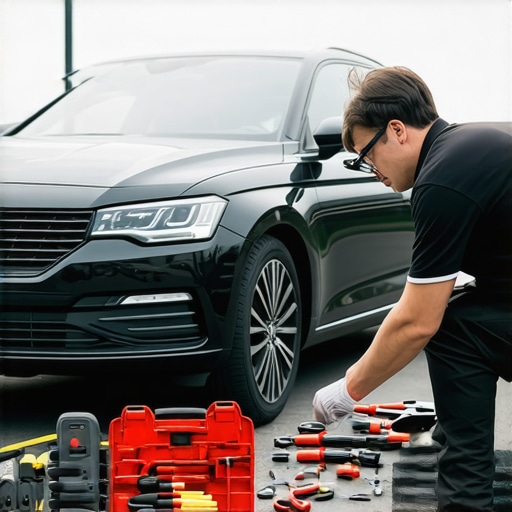
Despite technological advancements, basic hand tools remain fundamental. I rely on a Proto 3/8-inch ratchet set for quick, precise tasks such as replacing faulty solenoids or gasket repairs. These tools often make the difference between a quick fix and a trip to the shop. For example, a simple swap of a flexible hose using quality wrenches prevented engine overheating due to coolant leaks.
Looking Ahead: The Future of Car Maintenance Tools
Expect the trend to accelerate with AI and machine learning-driven diagnostic platforms becoming more accessible. Autonomous calibration robots and virtual system monitoring will soon make maintenance faster and more precise. As technology advances, I predict a shift toward integrated automotive health hubs that seamlessly combine diagnostics, repairs, and long-term monitoring—much like how emerging engine light troubleshooting solutions are evolving.
How do I maintain my car’s electronic systems over time?
One of the simplest yet most effective ways is to schedule regular sensor calibrations and software updates, especially after any minor collision or impact. Using tools like the Autel MaxiSys, I perform periodic scans to ensure no pending fault codes or misalignments develop, which can cause issues like phantom braking or transmission glitches. Consistent calibration and software management can prolong the lifespan of critical safety and driving-assist systems, saving you from costly repairs later.
If you haven’t yet, I highly recommend trying out a reliable diagnostic scanner like the Autel MaxiSys MS909. Its capability to perform deep diagnostics and software updates is a game-changer for any serious car owner. Staying ahead of issues not only keeps your vehicle safe but also boosts its resale value down the line.
The Hard-Learned Lessons That Cut Costs Later
My journey into meticulous used car inspections taught me that overlooking small details can lead to expensive surprises. I once dismissed a minor sensor error, only to face a costly transmission rebuild months later. These lightbulb moments underscored the value of deep dives—saving money and frustration. Before your next purchase, realize that dedicating time to uncover hidden electronic glitches, structural damages, and calibration needs is a small effort with big payoffs, especially with innovative models like the 2026.
Tools and Insights That Changed My Approach
My trusted diagnostic scanner, the Autel MaxiSys MS909, consistently reveals electronic faults invisible to the naked eye. Calibration devices like the Hamar 48 ensure ADAS systems are aligned perfectly after minor impacts, preventing phantom alerts and safety system failures. Basic hand tools, combined with advanced software, empower me to troubleshoot fuel injectors, transmission sensors, and structural issues quickly and effectively. These tools foster confidence, mean fewer visits to the mechanic, and safeguard the vehicle’s longevity. For ongoing mastery, I recommend exploring comprehensive resources like the guides on collisionfixer, which provide step-by-step solutions for complex problems.
Your Next Step: Embracing the Hidden Layers of Vehicle Care
Now, it’s your turn to level up your car maintenance game. Deep inspections, proper calibration, and strategic tool use are game-changers—especially for complex models like the 2026. Regularly revisiting these advanced checks will empower you to detect issues early and maintain your vehicle’s peak performance. Remember, expert-level care isn’t about fear but about confidence and empowerment. So, take the first step today and start exploring tools and resources that can make you a savvy auto detective. Have you ever caught a hidden fault that others missed? Share your stories below!