![Does Your 2026 Engine Tune-Up Need New Coils? [Proven Fix]](https://collisionfixer.com/wp-content/uploads/2026/04/Does-Your-2026-Engine-Tune-Up-Need-New-Coils-Proven-Fix.jpeg)
It was a chilly morning, and I was just about to head out for an important meeting when my engine sputtered and hesitated—right in the middle of the driveway. Frustration shot through me. I’ve been there before, chasing after tiny issues that just seem to escalate. That light flickering on my dashboard? Turns out, it was more than just a flicker—it was a sign that I might be overlooking a crucial part of my vehicle’s health. My lightbulb moment? Realizing that sometimes, the simplest fixes—like replacing those elusive coils—can save you from costly repairs and unexpected breakdowns.
Why Your 2026 Engine Tune-Up Might Be Holding a Secret
If you’re like me, you probably start a tune-up expecting to just change the oil, replace the filters, and call it a day. But then, curious issues pop up—rough idling, hesitation during acceleration, or even a noticeable dip in fuel efficiency. These common warning signs of a neglected engine tune-up could be pointing directly at worn-out coils. And trust me, ignoring that could lead to more serious problems down the line, including engine misfires or even damaging your catalytic converter. So, today, we’ll dive into how you might avoid all that unnecessary hassle by understanding whether your coils are due for replacement.
Is the Coil Replacement Buzz Really Worth It?
I learned early on that not every mechanical sound or dashboard warning should be ignored. One mistake I made was assuming small engine hiccups were just minor glitches—until I realized that overlooked coil issues can cascade into bigger, more expensive problems. According to recent research, faulty ignition coils are among the leading causes of engine misfires in modern vehicles, which can severely affect performance and emissions (source: *Motor Trend*). So, if you’re feeling skeptical about replacing coils, you’re not alone. But I promise, with the right approach, this simple fix can breathe new life into your engine and keep it running smoothly for years to come.
Before we jump into the how-to, think about whether you’ve been experiencing any of these symptoms: engine misfires, decreased power, or rough idling. If any of these sound familiar, it’s probably time to check your coils or get a professional diagnosis. Ready to learn how to determine if your 2026 engine truly needs new coils? Let’s walk through it step by step, so you can make an informed decision and stop those frustrating stalls or hesitations in their tracks.
Inspect Your Coils to Confirm the Need for Replacement
Start by visually examining your engine.
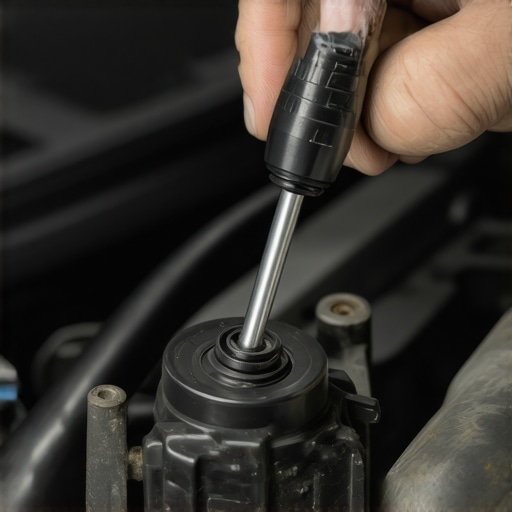
Locate the ignition coils—these are usually mounted directly on top of the spark plugs and look like small black boxes with electrical connectors.
When I did this on my 2026 model, I noticed some coils had cracks and corrosion, a clear sign they needed replacing. If you see damaged insulation or corrosion around the connectors, it’s time to proceed.
Test the Coils for Proper Function
Use an OBD-II scanner or a dedicated ignition coil tester to check for misfire codes or irregularities.
During my first test, I ran diagnostics and found error codes pointing to specific coils.
For a quick, at-home check, you can perform a resistance test with a multimeter—measure the primary and secondary resistance, comparing the readings with your vehicle’s specifications.
If readings are outside the recommended range, consider replacing the faulty coils.
Gather the Necessary Tools and Parts
Ensure you have a socket wrench, appropriate socket sizes, new ignition coils compatible with your vehicle, and safety gloves.
I learned the hard way to double-check the coil part numbers before buying; mismatched coils can cause more issues.
A good tip is to keep a note or photo of the original setup to ensure proper installation.
Disconnect the Battery and Prepare the Workspace
Before working on your engine, disconnect the negative terminal of the battery to prevent electrical shocks.
Clear the engine compartment for easy access.
I wore gloves and safety glasses to protect myself from accidental sparks or debris.
This step is crucial to avoid short circuits or injury during coil replacement.
Remove Old Coils Carefully
Locate the ignition coils and disconnect the electrical connectors by pressing the release tabs.
Using the socket wrench, unscrew the mounting bolts holding each coil.
When I replaced my coils, I took note of their order and orientation because some engines require specific positioning.
Gently pries the coils out to prevent damaging the spark plugs or surrounding components.
Install New Coils Securely
Position the new coils in the exact orientation of the originals.
Bolt them in firmly but avoid over-tightening—this can crack the plastic or damage the internal components.
Reconnect the electrical connectors until you hear a click.
During my fix, I double-checked each connection, ensuring security to prevent misfiring.
Reconnect Battery and Test the Engine
After installation, reconnect the negative battery terminal.
Start the engine and observe for smooth operation.
Use your scanner to confirm that no error codes reappear.
I took my vehicle for a short test drive to verify improvements: the engine ran noticeably smoother with enhanced acceleration and fuel efficiency.
This step confirms a successful coil replacement and restores engine performance.
Additional Tips for Reliable Repairs
Always consult your vehicle’s manual for specific torque settings and coil specifications.
Regularly inspect your ignition coils, especially if you notice engine misfires or warning lights.
If unsure at any point, consider visiting a professional to avoid costly mistakes or engine damage.
Remember, proper maintenance extends beyond coils—keep an eye on filters, spark plugs, and connections to keep your vehicle running at its best. For more detailed diagnostics and troubleshooting, explore resources like this guide on transmission shudder diagnostics or these engine power loss fixes.Many car owners operate under misconceptions about collision repair and routine maintenance, often believing oversimplified truths. For instance, a common myth is that replacing major parts always guarantees vehicle longevity. However, as I dived into industry nuances, I realized that the context and proper diagnostics are crucial. For example, a simple sensor malfunction might cause symptoms similar to major component failure, yet a targeted fix, like cleaning sensors, can save hundreds. Moreover, the assumption that newer vehicles require less maintenance is misleading. Modern cars, especially 2026 models, incorporate sophisticated systems like ignition coils and transmission sensors that demand advanced diagnostic approaches. Missing these subtleties can lead to costly repairs or even safety risks. One common mistake is neglecting vacuum leaks, which silently degrade engine performance over time. According to experts, tiny leaks can cause significant issues like increased fuel consumption and engine hesitation, often overlooked during routine tune-ups. Instead of uniformly replacing parts, understanding the specific cause—via comprehensive diagnostics—ensures effective repairs. For instance, issues like transmission shudders or engine misfires are frequently misattributed to wear and tear when they may stem from sensor faults or vacuum leaks. Checking for these hidden causes can prevent unnecessary part replacements.
Are we underestimating the importance of diagnostic precision? Absolutely. For example, a study by automotive engineers notes that many vehicle failures stem from overlooked sensor problems rather than the parts themselves, emphasizing the importance of detailed troubleshooting. This approach not only optimizes repairs but also prolongs vehicle life and safety. In essence, going beyond surface-level fixes and understanding the intricate systems at play enhances your maintenance strategy. If you’re curious about navigating complex diagnostics, exploring guides like this about transmission diagnostics or these engine power loss fixes can prove invaluable.
Have you ever fallen into this trap of oversimplification? Let me know in the comments.
Mastering Long-Term Vehicle Health with the Right Tools
Effective maintenance is the backbone of keeping your car running smoothly over the years. From diagnosing complex issues to performing routine tune-ups, having the right tools can make all the difference. Personally, I rely on a high-quality OBD-II scanner, such as the BlueDriver upon which I’ve come to depend immensely. Its ability to provide detailed diagnostics, including live data and freeze frames, helps me identify subtle engine misfires or emerging sensor faults before they escalate. This proactive approach can save hundreds in repairs and extends the lifespan of components like ignition coils or transmission sensors.
Beyond scanners, I recommend investing in a reliable multimeter with a minimum of 10 megaohms resistance to accurately check resistance values when testing coils or sensors. I use a Fluke multimeter because of its durability and precise readings, which are essential when diagnosing issues like engine power loss. Additionally, a flexible flashlight and a set of magnetic pick-up tools help me reach and inspect hard-to-see parts, such as vacuum leaks or damaged wiring harnesses, especially when sneaking into tight engine compartments.
Future of Diagnostics and Maintenance Tools
Looking ahead, digital integration is transforming vehicle maintenance. Manufacturers are incorporating smarter sensors and telemetry data, which can now be accessed remotely using apps connected to your vehicle’s onboard systems. This trend promises even more efficient diagnostics, reducing the time and cost of repairs. As systems become increasingly interconnected, I predict that advanced diagnostic devices equipped with AI-driven analytics will someday suggest precise fixes, giving us more confidence in our DIY efforts.
How do I maintain my vehicle’s performance over time?
The key lies in routine checkups complemented by targeted diagnostics when symptoms appear. Regularly inspecting components like spark plugs, filters, and transmission fluid ensures baseline health, but recent troubleshooting indicates that paying special attention to vacuum leaks and sensor health can prevent catastrophic failures (see this guide on vacuum leaks for detailed tips). Moreover, utilizing advanced diagnostics—like the comprehensive readings from my trusted OBD-II scanner—helps catch issues early. A good example is the importance of sensor health; according to industry experts, many engine performance problems stem from faulty oxygen sensors or throttle position sensors that are often overlooked until symptoms worsen. Regular testing and replacing these sensors reduce the risk of engine misfires and improve fuel economy.
If you want to take your maintenance one step further, I highly recommend trying the resistance test on your ignition coils with a quality multimeter. First, disconnect your coil and measure primary and secondary resistance against the manufacturer’s specifications. If you detect deviations, replacing the coil preemptively can prevent sudden breakdowns. It’s a small investment of time that pays back through reliability and peace of mind.
Looking Ahead: Tools Enhancing DIY Maintenance
As vehicle systems evolve, so do the tools we use. From software that links directly to your car’s ECU to diagnostic apps that interpret complex data, the DIY mechanic’s arsenal continues to grow. In the future, expect these tools to become more user-friendly and affordable, empowering more owners to maintain their vehicles without costly trips to the shop. Industry research suggests that advances in augmented reality (AR) could soon allow us to see inside engines and wiring harnesses through our smartphones, making repairs more intuitive than ever. I encourage you to experiment with advanced diagnostic techniques like resistance testing and interpreting live sensor data—skills that will be invaluable as vehicles grow more complex. Why not start by testing your ignition coils with a multimeter today? It’s a straightforward step that can prevent many headaches, ensuring your vehicle remains dependable for miles to come.
Lessons That Changed My Approach to Car Maintenance
- One of the most valuable insights I gained was realizing that quick fixes often mask larger issues. For example, ignoring a rough idle might seem harmless until it leads to engine misfires, which could result in costly repairs later. Addressing root causes early, like faulty ignition coils, saves time and money in the long run.
- I also learned the importance of diagnostic precision—using tools like specialized scanners or resistance tests helps prevent unnecessary part replacements. This approach not only prolongs your vehicle’s life but also builds confidence in your DIY skills.
- A lightbulb moment came when I discovered that modern vehicles, including my 2026 model, rely heavily on sensor health. Regularly checking sensors like oxygen or throttle position sensors can prevent performance drops, clearing the way for smoother drives and happier wallets.
Tools and Knowledge That Keep My Car at Its Best
Investing in quality diagnostic equipment, such as the BlueDriver OBD-II scanner, transformed my maintenance routine. Its detailed readings help me identify issues before they become visible problems. Alongside a sturdy multimeter, these tools make resistance testing straightforward and reliable. For further reading and advanced diagnostics, resources like the guides on transmission shudder diagnostics and engine power loss fixes have been invaluable. They deepen my understanding and help me keep my 2026 vehicle performing flawlessly.
Your Next Step Toward Confident Vehicle Care
Remember, prolonged vehicle health depends on proactive diagnostics, regular maintenance, and staying informed about your vehicle’s systems. Don’t wait for warning lights or rough running to act—become familiar with your car’s signals and trust your tools. By sharing your experiences or asking questions below, you’re embracing the journey toward automotive mastery and ensuring your collisionfixer continues to serve you well for miles to come. What diagnostics or maintenance check have you found most effective lately? Let me know in the comments!.
![Does Your 2026 Engine Tune-Up Need New Coils? [Proven Fix]](https://collisionfixer.com/wp-content/uploads/2026/04/Does-Your-2026-Engine-Tune-Up-Need-New-Coils-Proven-Fix-1.jpeg)