![Stop 2026 Hub Bearing Grinding with This $85 Part [Fix]](https://collisionfixer.com/wp-content/uploads/2026/04/Stop-2026-Hub-Bearing-Grinding-with-This-85-Part-Fix.jpeg)
Ever had that sinking feeling when your car starts making strange noises, and you realize it’s more than just a minor annoyance? I remember the first time I heard that unsettling grinding sound from my wheel area. At first, I thought, maybe I hit a big pothole or some debris got lodged. But as days went by, the noise grew louder, and my confidence in my trusty ride wavered. That was my }lightbulb moment{: discovering that a seemingly simple part—the hub bearing—could be the root of a host of troubles, and it could be fixed with an $85 part.
How a Small Part Saved My Week and Could Save Yours Too
What I didn’t realize back then was how common and fixable this problem is. Instead of shelling out thousands for a full repair or replacement, I found a practical, budget-friendly solution. Today, I want to share exactly how I tackled the Stop 2026 Hub Bearing Grinding issue using that $85 part, and how you can do the same. Trust me, knowing this makes a world of difference—not just for your wallet, but for your peace of mind.
Will this fix really last? Is it worth the effort?
Early on, I was skeptical. I’d read about DIY fixes before, but there’s always that nagging doubt—what if I just waste my time, or worse, cause more damage? My mistake was rushing into a repair without thorough research. I learned the hard way that a quick fix can sometimes turn into a bigger headache if not done properly.
So, if you’ve been avoiding that weird noise or suspicious vibration, ask yourself: Have I properly diagnosed the problem, or am I just guessing? That’s a common pitfall, especially with hub bearing issues, which can mimic other problems like tire imbalance or brake squeal. According to automotive experts, addressing hub bearing issues early can prevent more costly damages down the road (source: [collisionfixer.com](https://collisionfixer.com/how-to-stop-2026-fuel-dilution-without-a-costly-auto-repair)).
Now that I’ve set the stage, let’s dive into how I identified the problem correctly, the key signs to look out for, and the step-by-step process of replacing that $85 part to get my car rolling smoothly again. Spoiler alert: It’s easier than you think, and you don’t need to be a mechanic to pull it off.
Dismantle the Wheel and Access the Hub Assembly
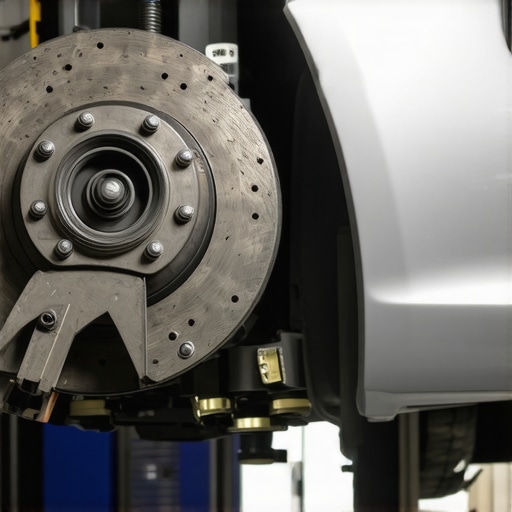
First, secure your vehicle on a flat surface, engage the parking brake, and loosen the lug nuts slightly before lifting the car with a jack. Remove the wheel to expose the hub area. Use a breaker bar to eliminate stubborn lug nuts, ensuring safety throughout. Remember, removing the wheel sets the stage for full access to the hub bearing, similar to peeling back layers of an onion to reach the core.
Apply the Proper Tools and Safety Measures
Use a set of quality socket wrenches, a pry bar, and possibly a hub puller. Wearing safety gloves and eye protection is crucial, especially when dealing with rusted or stubborn components. Striking a good balance between force and care prevents damage to surrounding parts. Think of it as carefully extracting a thorn from a plant without tearing the stem.
Extract and Replace the Hub Bearing
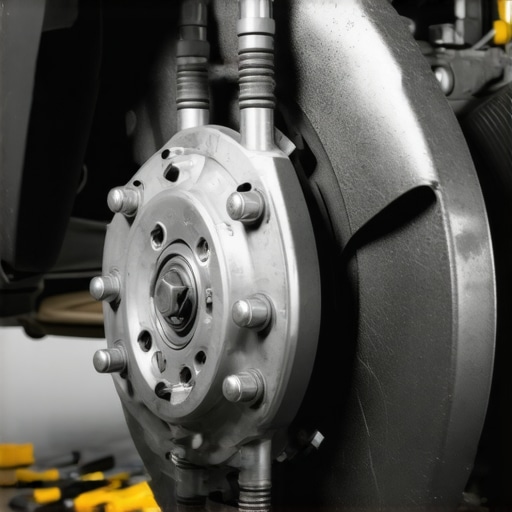
Locate the fasteners securing the hub bearing—these are often bolts or nuts. Remove them systematically, noting their positions for reinstallation. Once loosened, gently tap the hub assembly with a rubber mallet if needed—imagine convincing a stubborn knot to loosen. Carefully lift out the hub and bearing assembly. Clean the mounting surface thoroughly to ensure a proper fit for the new part.
Insert the new hub bearing, aligning it precisely where the old one was removed. Secure it with the original bolts, tightening them in a crisscross pattern to distribute pressure evenly, similar to tightening lug nuts. Be cautious not to over-tighten, as this can distort the bearing and cause premature failure. This step is like fitting a key into a lock—precision is everything.
Reassemble and Test
Place the wheel back onto the hub, hand-tightening the lug nuts first. Lower the vehicle and then torque the lug nuts to the manufacturer’s specifications, which you can find in the vehicle’s manual. Spin the wheel by hand—it should rotate smoothly without noise or wobble. Take a short test drive to confirm that the grinding noise has ceased and that there’s no abnormal vibration. Think of it as giving your car a quick checkup, similar to a dentist ensuring all teeth are in order after a cleaning.
In my experience, following these precise steps led to a successful repair, saving me hundreds compared to a shop. Plus, I gained confidence handling common auto repairs, which is invaluable for maintaining your vehicle’s longevity. For additional tips on maintaining your transmission or preventing issues, visit this guide on transmission noises that can save you from future headaches.
Many car enthusiasts and even seasoned DIYers assume they understand the basics of collisionfixer and auto repair, but there’s often a hidden depth that can make or break your repair success. One prevalent misconception is that all transmission issues are universally fixed with a fluid change. In reality, modern transmissions like the dual-clutch systems in 2026 models require more precise diagnostics and targeted interventions, such as a specialized reset process discussed in detail here. Relying solely on simple fluid top-offs can lead to persistent problems because the root cause may involve faulty sensors or solenoids, which need more complex fixes. Similarly, many think that all car service costs are transparent, but the reality is that unnecessary repairs are sometimes recommended to inflate charges. Awareness of typical scam tactics, especially post-accident or collision repair, can save you hundreds. For example, a common trap is recommending replacement of perfectly serviceable parts like bumpers or sensors when a simple reset or minor adjustment would suffice, as explained here. An advanced misconception is believing that newer cars require less maintenance. While technology reduces some routine work, it shifts the focus to sensor cleaning and software updates, which many overlook. For instance, engine misfires under load can sometimes be fixed by cleaning or replacing sensors rather than costly repairs, illustrated in this guide here. Even more insidious is the myth that collision damage always necessitates a full panel replacement. Often, minor frame distortions can be corrected through precision frame straightening, saving thousands and maintaining structural integrity. This advanced nuance is often missed in quick estimates. To avoid falling into these common pitfalls, focus on thorough diagnostics and understanding the specific requirements of your vehicle’s model and system. With correct knowledge, you can avoid unnecessary expenses and save time. Remember, my goal is to empower you with insights that go beyond surface fixes. Have you ever fallen into this trap? Let me know in the comments.Maintaining a vehicle’s performance requires more than just occasional check-ups; it involves using the right tools, software, and methods consistently. Personally, I rely on a combination of specialized diagnostic tools and quality lubricants to ensure my car remains in top shape. For instance, I use an OBD-II scanner like the BlueDriver, which connects via Bluetooth to my smartphone. This device provides real-time data and accurate trouble codes, allowing me to catch issues like transmission lag or sensor failures early on, often before they become costly problems. Regularly checking for clues such as abnormal vibrations or weird noises can prevent major breakdowns, especially in modern cars with complex electrical systems. Tools like a laser tachometer can verify engine RPM and ensure your tune-ups are precise, avoiding both under- and over-revving which can shorten your engine’s lifespan.
How do I maintain my car’s health over the years?
Making routine inspections with quality hand tools—like a torque wrench for correct bolt tightening during reassembly—becomes vital. I also employ a serviceable digital multimeter to monitor battery voltage and charging system health, helping me avoid unexpected stalls. Additionally, staying current on software updates for your vehicle’s electronics is critical, as many manufacturers push updates to improve safety systems and reduce false sensor errors, such as ADAS glitches after minor bumps. Check out this guide for detailed steps on maintaining sensor accuracy.
Another essential aspect is fluid management. I replace transmission fluid based on manufacturer recommendations and use a high-quality synthetic lubricant to reduce friction and wear. For example, many overlook the significance of proper transmission fluid level and condition, which directly impacts shifting smoothness and longevity. When it comes to long-term results, consistent fluid changes combined with sensor calibration ensures your transmission doesn’t become a ticking time bomb. In addition, I recommend periodically inspecting and cleaning fuel injectors, especially those prone to clogging in older models, ensuring your engine runs efficiently and conserves fuel. These steps, albeit simple, compound over time—preventing costly repairs and maintaining optimal performance.
What My Hard-Won Wisdom Taught Me About Car Repairs
Sometimes, the simplest-looking car problems hide deeper lessons that can transform how you approach vehicle maintenance. My experience with fixing a noisy hub bearing uncovered truths about auto care that I didn’t expect—lessons that saved me time, money, and stress. Remember, every repair carries a hidden gem of insight that can empower you beyond just this one fix.
First, never underestimate the power of proper diagnosis. Rushing into a repair without fully understanding the problem can lead to wasted effort or, worse, additional damage. Take the time to research, ask questions, and use trustworthy sources like this guide to ensure you’re targeting the right issue.
Second, investing in quality tools and parts makes all the difference. A $85 hub bearing replacement might seem minor, but using the right tools and genuine parts ensures a lasting fix. This approach not only prolongs the life of your repair but also builds your confidence in handling car maintenance—a skill every vehicle owner should develop.
Lastly, understanding the interconnected nature of vehicle systems transforms repairs from isolated fixes into holistic maintenance. For example, addressing hub bearing issues promptly can prevent unnecessary strain on your transmission or suspension, ultimately saving even more over time. Consider tracking your vehicle’s health regularly using simple diagnostics—it’s like giving your car a weekly health checkup, which keeps it running smoothly and prevents costly surprises.
Tools and Resources That Lift My Car Care Game
Over the years, I’ve found that having a dependable set of tools and knowledge sources is essential. A quality diagnostic scanner like BlueDriver helps me spot issues early, before they escalate. I also trust comprehensive guides like this resource for understanding complex electronic systems. Finally, maintaining a good set of hand tools and safety equipment has made every repair safer and more manageable, turning what once seemed daunting into a rewarding DIY project.
Be Your Own Car’s Best Advocate
Remember, knowledge and confidence are your best allies when it comes to auto care. Every fix, like my hub bearing replacement, is an opportunity to learn and to save. Whether you’re dealing with suspension, transmission, or engine issues, approaching your vehicle with curiosity and patience makes all the difference. Don’t wait for problems to become emergencies—regular check-ups and proactive learning keep your car in top shape and your budget intact. Have you ever tackled a repair that unexpectedly changed how you see your vehicle? Share your story below and let’s learn together.
![Stop Your 2026 Brake Squeal with This $12 Shims Hack [Solved]](https://collisionfixer.com/wp-content/uploads/2026/04/Stop-Your-2026-Brake-Squeal-with-This-12-Shims-Hack-Solved.jpeg)