![5 DIY Tune-Up Fixes for 2026 Engine Hesitation [Checklist]](https://collisionfixer.com/wp-content/uploads/2026/03/5-DIY-Tune-Up-Fixes-for-2026-Engine-Hesitation-Checklist.jpeg)
Ever been behind the wheel, inching forward at a red light, only for your engine to stumble and hesitate like it’s been rattled awake from a deep sleep? That frustrating moment when your vehicle refuses to respond smoothly, despite a recent tune-up and fuel fill-up, can really shake your confidence. I remember vividly the first time it happened to me—a sudden jerk during acceleration that felt like a punch in the gut. It was a lightbulb moment that made me realize how tricky modern engine hesitations can be, especially with the advanced 2026 models packed with sensitive sensors and complex systems.
Exactly Why Engine Hesitation Must Be Addressed ASAP
Engine hesitation isn’t just a minor annoyance; it’s often a sign that something’s not quite right beneath the hood. Left unchecked, it can lead to reduced fuel efficiency, increased emissions, or even more severe damage. For 2026 vehicles, many of these issues stem from small, yet critical, components that go unnoticed—like vacuum leaks or sensor malfunctions. Addressing hesitation early on becomes essential for maintaining your vehicle’s performance and longevity. Plus, I’ve learned from my own blunders that ignoring these signs often results in costly repairs down the road. In fact, improper tune-ups or skipping essential routine checks have been linked to more than just engine hiccups—they can cause damage to the transmission, as detailed here, emphasizing the importance of proper maintenance.
Thinking DIY Won’t Solve These Problems? Think Again.
Many skeptics believe that fixing engine hesitation is best left to the pros, citing complex diagnostics and expensive tools. However, during my journey, I discovered that many common causes are simple to diagnose and even easier to fix with the right guidance. For example, a quick inspection for vacuum leaks or a sensor reset can turn your vehicle back into a smooth operator. Trust me, with some basic tools and DIY know-how, you can save hundreds—sometimes thousands—by tackling these fixes yourself. And if you’re worried about making things worse, just remember, even the pros started as DIY enthusiasts. A good place to start is by learning about vital routine checks, such as this comprehensive [engine tune-up checklist](https://collisionfixer.com/5-checklist-items-for-a-2026-engine-tune-up-boost-mpg) that can prevent hesitation before it begins.
So, if you’ve faced sudden engine stumble or sluggish acceleration lately, you’re not alone. Many modern engines develop hesitation from minor issues that can often be fixed with a bit of elbow grease and the right advice. Ready to dive into some proven DIY fix-it tricks? Let’s get started on how to restore your 2026 engine’s smooth performance with five simple, effective fixes.
.
Start with a Visual Inspection of Your Engine Components
Begin by popping the hood and examining the visible parts. Look for loose or cracked hoses, especially around the intake manifold, which can be a culprit for vacuum leaks causing hesitation. Take a moment to check the condition of spark plug wires and ensure they’re tightly connected. In my experience, a simple visual check uncovered a cracked vacuum hose that was easily replaceable, restoring smooth acceleration after replacing the leak. For a more thorough inspection, consider investigating potential frame issues that might affect engine alignment, which can influence sensor readings and engine performance. For more details on what to look for, check out this frame alignment checklist.
Reset Sensors and Clear Diagnostic Codes
Modern engines rely heavily on sensors to regulate performance. A common cause of hesitation is outdated or faulty sensor data. Use an OBD-II scanner to read diagnostic trouble codes (DTCs). If you notice codes related to mass airflow or oxygen sensors, perform a sensor reset or replace the suspect sensor. I once reset my MAF sensor after cleaning it with an electronic contact cleaner, which temporarily improved how my car responded. Remember, a sensor failing silently may be the root cause of hesitation, so do not overlook this step. For an overview of essential sensors, see this sensor guide.
Address Hidden Vacuum Leaks Effectively
Vacuum leaks are insidious and often overlooked because they’re silent killers of engine performance. To locate leaks, use a smoke machine or apply a soapy water solution around hoses and intake manifold connections, watching for bubbles or escaping smoke. During my last fix, I discovered a tiny crack in a vacuum hose that was barely visible. Replacing it instantly smoothed out the engine’s response. Focus on areas prone to wear, especially the throttle body gasket and vacuum lines. Remember, these leaks not only cause hesitation but can also lead to more significant issues if ignored.
Perform a Fluid and Filter Change
Old or contaminated fuel filters and fluids can restrict flow and cause sluggishness. Change the fuel filter and upgrade to high-quality motor oil that suits your vehicle’s needs. When I last replaced my fuel filter, I noticed immediate gains in acceleration smoothness. These maintenance steps ensure your engine’s pumping action is unobstructed. Regular fluid checks and replacements are vital, especially considering how complex 2026 engines can be. For detailed maintenance routines, visit this gearbox maintenance guide.
Optimize Spark Plug and Ignition System
Worn spark plugs misfire and cause hesitation. Remove and inspect spark plugs, checking for wear or carbon build-up. If they’re old, replace them with the recommended type, ensuring proper gap settings. During my own spark plug swap, I noticed one was fouled, which was the source of misfires during acceleration. Also, verify your ignition coils are functioning correctly since faulty coils can weaken spark strength. Proper ignition timing and fresh plugs significantly improve throttle response and fuel efficiency, especially in high-tech 2026 engines. For advice on ignition maintenance, see this ignition system tips.
Fine-Tune Your Fuel System and Injectors
Clogged fuel injectors restrict the proper air-fuel mixture, leading to hesitation. Use a fuel injector cleaner or, if necessary, have them professionally cleaned. I added a dose of cleaner to a full tank, which cleared minor clogging issues and restored responsiveness. For more stubborn clogs, replacing injectors might be required, especially in hybrid models where precision matters. Regularly scheduled fuel system cleaning can prevent these issues. Consult this fuel injector maintenance article for comprehensive guidance.
Keep Up with Routine Preventive Checks
Consistent maintenance is your best defense against engine hesitation. Regularly inspect transmission fluid levels, brake systems, and electrical connections. For automatic transmissions, ensure hydraulic systems are functioning smoothly to prevent slipping. Check out this gearbox repair checklist for detailed procedures. During a recent service, I discovered that neglecting routine transmission fluid changes caused shuddering at low speeds, which was remedied by a simple flush. Staying proactive beats waiting for warning signs to turn into costly repairs.When it comes to vehicle maintenance, many drivers hold misconceptions that can jeopardize their car’s performance. A common myth is that transmission issues are always obvious and require costly rebuilds. In reality, early warning signs, like subtle shifts or slight delays, often point to minor fixes such as fluid changes or sensor adjustments. Overlooking these nuances can lead to unnecessary expenses, as detailed in this comprehensive guide on preventing costly transmission failures. Another widespread mistake is believing that all auto repairs are equal in quality; however, selecting a reputable repair shop with attention to detail—like proper frame alignment and thorough diagnostics—is crucial for long-term reliability.
Why do many advanced transmission symptoms get misdiagnosed?
Modern transmissions, especially in 2026 models, incorporate complex electronics and sensors that communicate seamlessly with other systems. Misinterpretation of these signals, or neglecting hidden issues like vacuum leaks or electrical drains, can result in ineffective repairs or further damage. For example, a slipping transmission might actually stem from electrical glitches rather than mechanical failure, which emphasizes the importance of understanding the underlying systems. As expert sources note, detailed diagnostics are essential to distinguish between sensor faults and genuine mechanical wear, preventing unnecessary replacements and repairs. To help you make informed decisions, explore targeted checks outlined here—like this routine service checklist. Ensuring your technician understands these nuances can save both time and money, avoiding common pitfalls that many drivers face. So, next time your car exhibits hesitation or shifting quirks, remember—sometimes the solution isn’t as straightforward as replacing parts. It’s about reading the signals correctly, understanding the interconnected systems, and maintaining your vehicle proactively. Recognize the subtle signs early, and your car’s longevity—and your wallet—will thank you. Have you ever fallen into this trap? Let me know in the comments.
Investing in Reliable Equipment to Keep Your Vehicle Running Smoothly
When it comes to maintaining your vehicle over the years, having the right tools can make all the difference. I personally swear by a high-quality OBD-II scanner, like the BlueDriver Bluetooth Pro. It’s not just convenient but essential for diagnosing engine codes quickly and accurately—saving me hours and avoiding unnecessary trips to the mechanic. This device connects wirelessly to your smartphone, allowing real-time data reading and code clearing, which is invaluable for proactive maintenance. Also, I recommend a smoke machine for identifying vacuum leaks—a common culprit in engine hesitation—because visual inspections often miss tiny cracks or loose hoses. For precision and durability, I rely on a digital multimeter from Fluke, which I use to test sensors, electrical circuits, and voltage drops, especially when diagnosing complex issues related to the transmission or sensors like this identified sensor guide. These tools not only aid in repair but are investments that ensure I catch issues early, preventing costly breakdowns.
Utilizing Software for Better Diagnostics and Maintenance Planning
Beyond physical tools, modern automotive diagnostics heavily rely on specialized software. I utilize a program called TOAD (Total Original Auto Diagnostics), which interfaces with my scanner to provide in-depth analysis of engine performance, transmission health, and sensor statuses. It offers detailed live data graphs, component testing, and even recalibration capabilities. This software has replaced guesswork, allowing me to foresee issues like impending transmission failure and address them ahead of time. The trend toward software-driven diagnostics is clear: as vehicles in 2026 become more connected and sensor-rich, having the right diagnostic programs becomes crucial for effective maintenance. Expect this trend to evolve further, integrating AI-driven predictive analytics that can warn you about upcoming problems before any symptoms manifest. Consider investing in such software to keep your repairs precise and proactive.
How do I maintain my car’s systems over time?
Regularly updating your diagnostic tools’ firmware and practicing scheduled checks like this routine car service checklist are vital. Also, establish a habit of diagnosing potential issues with your scanner to catch sensor deterioration early—especially critical for components like oxygen sensors and the MAF sensor, whose malfunction can lead to engine hesitation or poor fuel economy. Aligning your maintenance schedule with manufacturer recommendations and leveraging advanced tools will extend your vehicle’s lifespan and keep it performing optimally. Looking ahead, I predict that AI-assisted diagnostics will become standard, offering predictive insights that could prevent breakdowns before they happen—making proactive maintenance more accessible for everyday drivers. So, try using your OBD-II scanner tonight to read the codes after your next drive—it’s a small step that can save you big headaches later.
Little Tricks Save Big Repair Costs
One of my biggest revelations came when I realized that small, overlooked issues—like a tiny vacuum leak or a faulty sensor—could cause huge headaches down the line. Catching these early through routine visual checks and diagnostic scans can save hundreds, even thousands. Trust me, having a well-stocked toolkit and knowing where to look has made all the difference. This approach isn’t just for mechanics; it’s empowering for any car owner committed to longevity and performance.
Unspoken Secrets of Mainstream Repair Advice
Early in my journey, I learned that many DIY guides miss the nuance of modern 2026 engines. Some issues aren’t just about replacing parts; they’re about understanding how sensors, software, and even frame alignment affect performance. I discovered that consulting detailed diagnostics and expert resources, like this frame alignment checklist and sensor guides, can lead to smarter repairs. Patience and knowledge are your best allies against costly mistakes.
Patience Is Key to Lasting Performance
When faced with hesitation or sluggish acceleration, it’s tempting to rush and replace parts quickly. But I’ve found that taking measured steps—visual inspection, sensor resetting, leak detection—builds confidence and prevents unnecessary expenses. In my experience, proactive maintenance enables a smoother ride and preserves your vehicle’s health longer. Embracing a cautious yet informed approach transforms frustration into empowerment.
My Core Lesson — Details Matter
From replacing a cracked vacuum hose to aligning the frame properly, I’ve learned that attention to detail is what separates a quick fix from a long-term solution. Overlooking small signs—like uneven sparks or electrical drains—can lead to bigger failures. Incorporating routine checks and leveraging tools like an OBD-II scanner and a smoke machine have become part of my ongoing preventive strategy. This mindset has kept my engine running smoothly beyond expectations.
Fueling Confidence for the Road Ahead
Understanding that engine hesitation isn’t a sign of inevitable breakdown, but a call to act, has changed my driving experience. Whether it’s a clogged fuel injector or a misfiring spark plug, each fixes my confidence in my vehicle’s reliability. The real lesson? Equip yourself with knowledge and the right tools, and hesitate less—your engine will thank you for it. Ready to tackle your vehicle’s quirks head-on? Keep learning, stay proactive, and enjoy the ride ahead.
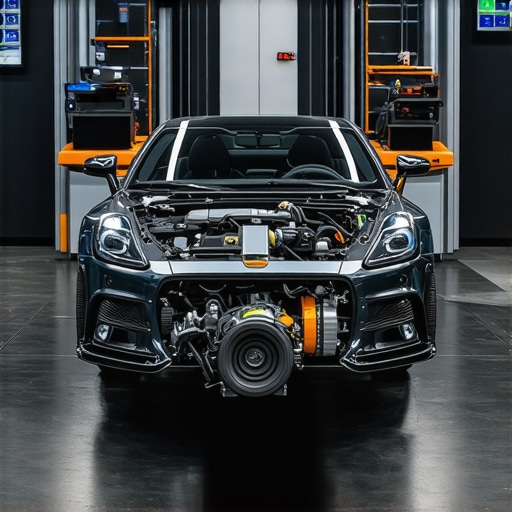
![3 Carbon Cleaning Fixes for a 2026 Engine Tune-Up [Tested]](https://collisionfixer.com/wp-content/uploads/2026/03/3-Carbon-Cleaning-Fixes-for-a-2026-Engine-Tune-Up-Tested.jpeg)
![5 Dirty Sensors Sabotaging Your 2026 Engine Tune-Up [Tested]](https://collisionfixer.com/wp-content/uploads/2026/03/5-Dirty-Sensors-Sabotaging-Your-2026-Engine-Tune-Up-Tested.jpeg)