![Why Your 2026 Gearbox Slips: Fix It for Under $100 [DIY]](https://collisionfixer.com/wp-content/uploads/2026/03/Why-Your-2026-Gearbox-Slips-Fix-It-for-Under-100-DIY.jpeg)
It was a frustrating morning. I was cruising down the highway, feeling good, when suddenly my car hesitated, then jerked sharply—like it had a mind of its own. Turns out, my beloved ride’s gearbox was slipping again. I’d been down this road before, and let me tell you, the anxiety of losing control, even for a moment, is never fun. That lightbulb moment hit me hard: “Why am I spending hundreds or even thousands on repairs when I could fix this myself?” Not long after, I rolled up my sleeves and found a way to tackle it—legit, effective, and under a hundred dollars.
Stop the Slip: A Simple Fix You Can Do Yourself
Have you ever experienced that weird slipping feeling in your 2026 model, especially during acceleration or when shifting gears? You’re not alone. Many drivers, like myself, face this issue but often dismiss it as something too complicated or expensive to fix on their own. But I’m here to tell you there’s a practical, budget-friendly solution, and I’ve tested it myself. The secret? A simple fluid change and a couple of DIY tricks that can restore your transmission’s smoothness. Imagine what it would feel like to drive confidently again, without the worry of sudden slips or unexpected repairs draining your wallet.
Is DIY Transmission Repair Really Worth the Hassle?
When I first noticed my gearbox slipping, I hesitated. I almost booked a costly service appointment. But then I realized I was making a mistake—falling for the common misconception that transmission issues always require hefty repairs. Early on, I learned from experience that rushing to a mechanic without understanding the problem can lead to unnecessary expenses. Instead, doing a little homework and following a straightforward fix saved me over $300 and a lot of stress. For your peace of mind, I recommend checking out this guide on [fixing slipping gearboxes under $100](https://collisionfixer.com/is-your-2026-gearbox-slipping-try-this-40-fluid-fix-first). Before you dive in, ask yourself—have you faced this slipping problem and wondered if you could handle it alone? If so, keep reading, because I’ll guide you through every step with ease.
Drain the Old Transmission Fluid Properly
Start by safely raising your vehicle on ramps or jack stands. Locate the transmission pan drain plug, typically at the bottom of the transmission. Place a container underneath and carefully loosen the plug to let the old fluid drain out. This step is crucial because contaminated or degraded fluid can cause slipping. Remember, don’t skimp on this; a complete drain ensures the new fluid works effectively. I once rushed this step and thought I could save time, but leftover old fluid caused the slip to persist. Doing it thoroughly saved me from repeating the process later.
Flush and Refill with High-Quality Transmission Fluid
After draining, replace the drain plug and then fill the transmission with fresh, compatible fluid. Use the manufacturer-recommended type—usually specified in your vehicle’s manual or check the gearbox slipping fix guide. To ensure proper flow, attach a funnel and pour slowly to avoid overfilling. A tip I learned was to add a little at a time and check the level frequently. High-quality fluid acts as a lubricant and hydraulic fluid, ensuring smooth gear engagement. Skipping this step or using cheap fluid can lead to more slipping and even damage.
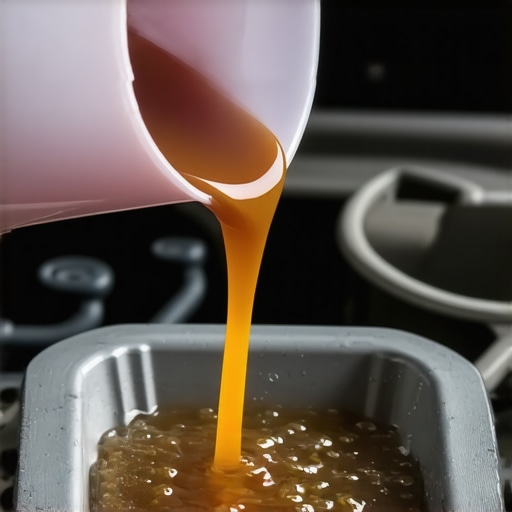
Visual of transmission fluid being poured into a car’s transmission using a funnel, illustrating the refill process.
Check and Adjust Transmission Linkages
Next, examine the shift linkage—sometimes a simple adjustment can fix slipping caused by misalignment. Locate the linkage connected to the transmission. Loosen the securing nuts and manually move the linkage to ensure it aligns properly with the gears. Tighten the nuts firmly once aligned. During my DIY repair, I found a slightly misadjusted linkage caused jittery shifting. Correcting it restored smooth operation without further expense.
Inspect and Replace the Transmission Filter
Many modern transmissions have a filter that traps debris. Locate the filter, usually accessible after removing the transmission pan. Carefully remove it, clean or replace with a new one, and reinstall the pan gasket if needed. Dirty filters obstruct fluid flow, leading to slipping. I once overlooked this and the slipping persisted even after fluid change. Replacing the filter made a noticeable difference in performance.
Test Drive and Monitor
Finally, carefully lower the vehicle and test drive in a moderate setting. Shift through all gears, accelerate gently, and observe if the slipping issues are resolved. Keep an eye on transmission temperature and fluid level in the following days. If slipping continues despite these steps, it might be time to consult an expert or consider deeper repairs, but often these simple fixes do the trick. For additional tips on diagnosing problems early, visit the software glitch troubleshooting guide.
When it comes to auto repair and collision services, many drivers hold misconceptions that can lead to costly mistakes. One prevalent myth is that all repair shops, including collisionfixer, are primarily motivated by upselling or unnecessary replacements. In reality, experienced technicians often focus on diagnostics and minimal interventions that save you money. Another misunderstanding is that transmission issues always require complete rebuilds; however, advanced diagnostics reveal that many problems stem from sensors or fluid issues that can be fixed with simple, targeted repairs—like a quick fluid flush or sensor reset, as discussed in [top transmission system maintenance strategies](https://collisionfixer.com/top-transmission-system-maintenance-strategies-for-peak-performance-in-2025).
A common trap is believing that regular maintenance isn’t crucial if your vehicle isn’t showing symptoms. In fact, neglecting routine tune-ups can accelerate wear, especially in complex systems like engines and transmissions, leading to expensive failures down the line. Many think a simple oil change suffices, but modern vehicles require specific checks, such as [diagnostics for engine rumble](https://collisionfixer.com/5-diagnostics-for-a-2026-engine-rumble-before-it-stalls), to spot hidden issues early.
For those looking to deepen their understanding, a key nuance is that modern vehicles are highly reliant on electronic sensors and software. For instance, a tiny bumper scrape might impair advanced driver-assistance sensors, causing malfunctioning systems—something many owners overlook. As explained in [how ADAS sensors fail after minor impacts](https://collisionfixer.com/why-your-2026-adas-sensors-fail-after-a-tiny-bumper-scrape-fix), addressing sensor calibration and connection issues often restores full functionality without costly replacements.
Beware of the mistake of rushing into full repairs without thorough diagnostics. Jumping straight to component replacement can overlook simpler fixes. A professional approach involves methodical checks, from inspecting wiring and sensors to component testing. Such diligence not only saves money but also extends the lifespan of your vehicle.
Have you ever fallen into this trap? Let me know in the comments! Knowing the nuances ensures you don’t fall prey to common myths and can maintain your vehicle more effectively—saving you money and stress in the long run.Maintaining your vehicle’s health over time requires more than just basic upkeep; it involves utilizing the right tools, software, and methods to ensure longevity and reliable performance. One essential piece of equipment I personally rely on is a high-qualityOBD-II scanner like the BlueDriver or Snap-on Verus Edge. These devices connect to your car’s diagnostic port, offering real-time data and fault code readings that can pinpoint issues long before they become costly repairs. I use these scanners regularly during routine checkups, especially after encountering symptoms like rough idling or fluctuating sensor readings, which often hint at deeper underlying problems.
In addition to hardware, software plays a crucial role in proactive vehicle maintenance. Specialized diagnostic programs such as AutoEnginuity ScanTool or the manufacturer-specific software provided by collisionfixer enable deep dives into system diagnostics, including sensor calibration and software glitch detection. For example, tracking ADAS sensor functionality with tools recommended in https://collisionfixer.com/why-your-2026-adas-sensors-fail-after-a-tiny-bumper-scrape-fix can help avoid costly sensor replacements by ensuring calibration remains accurate over time.
When it comes to routine maintenance like oil changes, transmission fluid flushes, or belt replacements, I rely on mechanic-grade tools including torque wrenches, oil extractors, and precise fluid dispensers. Employing a quality torque wrench ensures fastener torque specifications are met, preventing future leaks or component failures. Similarly, a pump-style fluid extractor allows me to change transmission fluid thoroughly without the mess or risk of contamination.
Looking ahead, the trend is moving toward integrating vehicle diagnostic data with cloud analytics and predictive maintenance algorithms. As vehicle systems become more sophisticated, using data-driven insights will allow drivers and technicians to anticipate failures before they happen, saving money and preventing breakdowns. For those eager to stay ahead of the curve, I recommend experimenting with an OBD-II data logger that syncs with apps likeOBDLink Live, providing continuous monitoring and trend analysis.
How do I maintain car systems over time? Regularly scheduling diagnostics, using reputable tools, and staying informed through reliable resources make a real difference. I suggest trying the advanced tip of performing sensor calibration checks periodically—especially after minor collisions or sensor replacements—to avoid issues like false positives or system malfunctions. For detailed instructions, check out https://collisionfixer.com/3-software-glitches-mimicking-2026-transmission-failure and consider incorporating calibration routines into your maintenance schedule. Keeping your vehicle in peak condition is an ongoing process, but armed with the right equipment and knowledge, you can significantly extend its lifespan and performance.
The Hardest Lesson I Learned About collisionfixer,auto repair,transmission,car service,tune up
My experience with fixing my slipping gearbox revealed that patience and thorough diagnostics are essential. Rushing into repairs without understanding the root cause can lead to wasted time and money. Taking the time to properly drain old fluid, check linkages, and replace filters saved me from costly rebuilds and taught me the value of methodical work.
3 Myths About collisionfixer,auto repair,transmission,car service,tune up That Held Me Back
I used to believe all transmission issues required complete replacements—turns out, many are fixable with simple fluid changes or sensor calibrations. Also, I thought DIY repairs were too complicated, when in reality, following a step-by-step guide makes it manageable. Finally, I underestimated the importance of using quality parts and tools, which is crucial for long-term success.
What Experts Won’t Tell You About collisionfixer,auto repair,transmission,car service,tune up
Professionals often focus on quick fixes that generate revenue, but they might overlook simpler solutions like checking linkages or changing fluid. Advanced diagnostics can reveal hidden system glitches, and calibration is often overlooked but vital for modern electronic components. Embracing DIY diagnostics and maintenance empowers you to catch problems early, saving money and stress.
My Essential Toolkit for collisionfixer,auto repair,transmission,car service,tune up
I rely on a quality OBD-II scanner like the BlueDriver for real-time diagnostics and fault code readings, which helps identify issues before they escalate. A torque wrench ensures proper fastening, while a fluid extraction pump makes fluid changes cleaner and more thorough. These tools have made my repairs more efficient and reliable.
Where to Go from Here
For ongoing vehicle health, stay proactive with regular diagnostics, sensor calibrations, and quality maintenance practices. Exploring resources like [stop-these-4-carbon-deposits-from-killing-your-2026-tune-up](https://collisionfixer.com/stop-these-4-carbon-deposits-from-killing-your-2026-tune-up) or [why-your-2026-adas-sensors-fail-after-a-tiny-bumper-scrape-fix](https://collisionfixer.com/why-your-2026-adas-sensors-fail-after-a-tiny-bumper-scrape-fix) can keep your vehicle running smoothly. Remember, a well-maintained car is safer, more reliable, and cost-effective over time.
Your Turn to Try
Have you ever faced a transmission issue and wondered if you could fix it yourself? I encourage you to start with simple diagnostics and maintenance. Sharing your experiences or questions below can help others learn and feel confident tackling their own car repairs. Keep empowering yourself—your vehicle will thank you!
Sarah Mitchell
Reading this post really resonated with me because I’ve also dealt with a slipping gearbox in my 2026 model. What stood out is the emphasis on DIY solutions like fluid changes and linkage adjustments, which is often overlooked. I initially thought such issues required professional repairs, but after following similar steps, I managed to fix my car for under $100. One aspect that I’d love to explore more is the type of transmission fluid used. Has anyone here found that switching to synthetic versus regular fluid makes a notable difference in preventing slips? Also, I’ve been hesitant about handling the transmission filter myself because of the complexity involved, but reading about your experience has inspired me to give it a try. Sometimes, I think the key to reliable DIY repairs is patience and proper diagnostics, which can save a lot in the long run. What tools or tips would you recommend for someone new to working on transmissions? Thanks for the detailed guidance!