![3 Weird Transmission Noises That Mean Trouble in 2026 [Fix]](https://collisionfixer.com/wp-content/uploads/2026/03/3-Weird-Transmission-Noises-That-Mean-Trouble-in-2026-Fix.jpeg)
I’ll never forget that sickening feeling when I first heard a strange, almost ominous noise coming from my car’s transmission. It was late afternoon, and I was just about to head home after a routine service appointment. Suddenly, a weird clicking sound started to echo every time I shifted gears. My stomach sank. It wasn’t normal, and I knew deep down that this odd noise could be a warning sign of bigger trouble ahead. That lightbulb moment made me realize how crucial it is to recognize those bizarre sounds early — especially now, as cars become more complex with 2026 innovations.
Why Paying Attention to Strange Transmission Noises Can Save Your Wallet and Your Safety
Understanding your vehicle’s signals can mean the difference between a quick, inexpensive fix and a costly breakdown. In 2026, with newer transmission technologies like dual-clutch systems and CVTs, some sounds that once seemed minor are now red flags. Ignoring these noises might lead to severe damage, risking not only your wallet but also your safety on the road. I personally learned this lesson the hard way early in my auto repair journey. I once ignored a strange slipping sensation, thinking it was just a glitch. That mistake cost me thousands when my transmission finally failed. A small hiccup became a big problem, reminding me why early detection matters. Want to know how to spot these issues before they blow up? Keep reading, because I’ll guide you through the top three weird noises that signal trouble in 2026, with tips based on real-world experience and expert advice. For a deeper dive into critical warning signs, check out this insightful read about warning signals every 2026 driver should know: Transmission warning signs you can’t ignore.
Is This Crazy Car Noise Actually Worth Freaking Out Over?
I made the rookie mistake early on — dismissing odd sounds as just quirks. But in today’s fast-evolving car scene, what’s harmless today could be a big problem tomorrow. The key? Knowing which noises matter. If you’re skeptical about whether these sounds are signs of serious trouble, you’re not alone. Trust me, I’ve been there. Recognizing the difference between normal operation and warning signals took some trial and error. That experience, though, means I can help you avoid costly mistakes. Have you ever experienced a strange transmission noise that made you second-guess your car? If so, share your story in the comments — I’d love to hear your experiences! Now, let’s delve into the most common weird transmission noises that could spell trouble in 2026, and how you can tell if it’s time to act fast.
Inspect Your Transmission Like a Pro
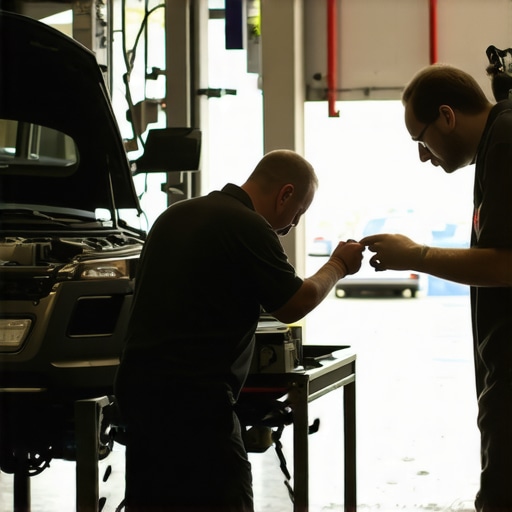
Start by listening carefully to the noise. Think of your transmission as the heart of your vehicle; if it whispers or shouts when you shift, don’t ignore it. To get a clear picture, find a safe place to accelerate slowly and listen for clicking or grinding sounds. Use a mechanic’s stethoscope or a long screwdriver pressed against the transmission case to localize the noise, just like a doctor using a stethoscope to identify symptoms. Once you identify where the noise originates, it’s time to dig deeper.
Assess Fluid Levels and Conditions
Check Transmission Fluid
Low or dirty transmission fluid is often the culprit behind weird noises, just like old oil can make an engine scream. Park your vehicle on a flat surface, engage the parking brake, and locate the transmission dipstick, typically labeled. Pull it out, wipe it clean, reinsert, and then check the level. If it’s below the recommended mark, top it off with the manufacturer-approved fluid. Also, examine the fluid’s color and smell; burnt or dark fluid indicates it’s time for a change. Remember, fresh fluid lubricates and cools the system, preventing slippage or grinding.
Replace or Flush the Fluid
If the fluid appears contaminated or old, consider a fluid flush — much like rinsing blood to clear infection. It’s a simple, cost-effective fix that many auto repair shops can perform in about 20 minutes, which can save you thousands long-term. Visit [this guide](https://collisionfixer.com/this-20-minute-transmission-fix-saves-you-4000-in-2026) for a detailed tutorial on performing a transmission fluid flush yourself — an essential skill for any DIY enthusiast looking to prevent costly repairs later.
Examine Mechanical Components
Next, look at the transmission’s external parts for signs of wear or damage, such as leaks, cracks, or corrosion. Use a flashlight to inspect seals and gaskets, which act like the skin protecting the internal parts. A leak can cause low fluid levels and strange noises, similar to how dehydration affects a human body. If you notice a leak, repair or replace the faulty seal immediately. For internal inspection, however, it’s best to take your car to a professional to avoid further damage.
Test the System Under Load
With basic checks done, take your car for a test drive. Accelerate gently and shift through all gears, noting when the noise occurs. If the sound is present during specific shifts or speeds, it might signal slipping or worn clutch components. Imagine a conveyor belt slipping on its rollers; similar mechanical issues can cause slipping or grinding sounds. If unusual noises persist, consult a professional or explore low-cost fixes like sensor resets, which can often resolve stubborn issues — for example, a quick 10-minute sensor reset can eliminate many transmission misbehaviors, as shown in [this article](https://collisionfixer.com/fix-that-2026-transmission-shift-with-this-10-minute-sensor-reset).
Use Diagnostic Tools for Precise Troubleshooting
If you’re comfortable with tech, connect an OBD-II scanner to your vehicle to read transmission error codes. This device acts like a doctor’s diagnostic machine, pinpointing problems not visible to the naked eye. Codes indicating slipping or overheating can direct your repair priorities. Remember: in 2026 models, many transmission issues are linked to sensor malfunctions or electrical drains, so inspecting these systems is crucial. Check out [this article](https://collisionfixer.com/why-your-2026-gears-grind-3-repairs-to-save-the-system) to learn about common electrical problems affecting transmissions.
Visit a Specialist When Necessary
Finally, if your troubleshooting reveals major issues — grinding gears, persistent slipping, or overheating — it’s time to consult a qualified transmission specialist. Think of it as seeing a cardiologist when you experience chest pains; attempting a DIY repair on complex systems can cause further harm. Many problems, like worn clutches or damaged solenoids, require expert tools and experience to repair effectively. Regular maintenance and early detection, however, can extend your transmission’s lifespan significantly, especially when combined with proper tune-ups and avoiding common pitfalls like carbon deposits, explained in [this guide](https://collisionfixer.com/stop-these-4-carbon-deposits-from-killing-your-2026-tune-up).Many drivers believe that sticking to traditional maintenance routines suffices, but in my experience, there’s a complex layer of nuances most overlook. One common myth is that regular oil changes alone keep a vehicle in top shape, yet neglecting critical sensors or the buildup of carbon deposits can silently degrade performance over time. This oversight often leads to premature transmission failures, especially in 2026 models, which rely heavily on electronic systems that are far more sensitive than older cars. For example, ignoring the importance of that tiny, hidden sensor during your tune-up can cause misdiagnosed issues, resulting in costly repairs. Experts stress the importance of comprehensive diagnostics, and studies show that hidden electrical drains significantly impact battery life and overall system health. Therefore, a well-rounded service isn’t merely about fluid levels but also about identifying these subtle, yet impactful, faults. The key mistake I see many make is assuming that routine maintenance covers all the crucial checks; in reality, the newest vehicles demand a more sophisticated approach. To truly optimize your car’s lifespan, you must understand the importance of details many overlook, like examining the condition of internal actuators or ensuring the adaptive transmission controls are functioning correctly. Want to elevate your auto care game? Dive into expert strategies and avoid costly pitfalls by exploring topics like [this hidden sensor](https://collisionfixer.com/why-your-2026-car-service-must-include-this-hidden-sensor) that are often missed. Remember, staying ahead in auto maintenance means knowing what experts recommend—because when you understand these nuances, you’re not just maintaining a car; you’re extending its life and safeguarding your safety.
Keeping your vehicle running smoothly over years requires more than just basic upkeep; it demands the right tools, precise methodologies, and a forward-thinking approach to maintenance. As cars evolve—especially with 2026 models that lean heavily on electronic and sensor-based systems—auto enthusiasts and professionals alike must equip themselves with specialized equipment to diagnose, repair, and optimize performance reliably.
Choosing the Right Diagnostic Equipment for 2026 Models
At the forefront of modern auto maintenance is the use of advanced diagnostic tools. I personally rely on the Snap-on SOLUS Ultra, a robust OBD-II scanner that offers comprehensive code reading, live data streaming, and sensor testing. Unlike generic scanners, the SOLUS Ultra can interpret manufacturer-specific codes for complex systems like dual-clutch transmissions or hybrid components common in 2026 vehicles. This precision helps spot problems such as hidden electrical drains or faulty sensors early, reducing long-term repair costs. Additionally, incorporating tools like the BlueDriver Bluetooth Professional allows for quick, on-the-fly diagnostics using a smartphone app, making it easier to perform routine checks during quick service rounds.
Mastering Fluid Management with Precision Equipment
Consistent, accurate transmission and fluid system maintenance are critical. I always invest in a quality handheld fluid extractor. Unlike traditional pumps, my preferred model features a sealed, adjustable suction system that ensures precise fluid removal without introducing air into the system. When topping up or flushing transmission fluid, I use a digital fluid tester that provides immediate feedback on fluid temperature, viscosity, and contamination levels. These insights help prevent issues like slipping or overheating, especially vital as 2026 transmission systems become more sensitive to fluid quality.
Leveraging Software for Sensor Calibration and Calibration
Beyond hardware, I advocate for employing specialized software for calibration tasks, particularly for hidden sensors or adaptive transmission controls. For example, the DecodeX software platform enables deep calibration and resets of complex sensor arrays, addressing problems like false triggers or misreads that can cause erratic shifting. Regularly updating the software ensures compatibility with the latest firmware updates, a necessity in 2026 vehicles where electronic systems evolve rapidly. Combining hardware diagnostics with software calibration creates a powerful, holistic approach to sustaining vehicle health.
How do I keep my tools and methods effective over time?
Routine updates and calibration are vital. I revisit my diagnostic software monthly to incorporate the latest patches and firmware updates, ensuring I’m diagnosing with the most current data possible. For mechanical tools, I perform regular maintenance, including cleaning and recalibrating sensitive equipment like fluid testers and extractors. This ongoing care guarantees accuracy and reliability—crucial when working on intricate systems in 2026 models that can malfunction from minor inaccuracies. As technology advances, staying informed through industry sources like this detailed explanation about sensors will keep your toolkit relevant and your skills sharp. I highly recommend trying the quick sensor reset technique outlined in this article; it can save you hundreds in repairs when performed correctly.
What the Toughest Lessons Have Taught Me About Transmission Care
- Never underestimate the power of early detection; catching odd noises early can save thousands and prevent accidents, as I learned when ignoring a subtle slipping sensation led to a complete transmission rebuild.
- Embracing advanced diagnostic tools isn’t optional anymore. High-quality scanners like the Snap-on SOLUS Ultra have revealed hidden issues that would’ve been impossible to detect otherwise, emphasizing the importance of investing in proper equipment.
- Paying attention to small details, such as fluid color and sensor behavior, can make the difference between a simple fix and a costly overhaul, especially on 2026 models with complex electronic systems.
The Gear Every Driver Should Add to Their Arsenal
- Tools like digital fluid testers and quick sensor reset guides, found in resources such as [this article](https://collisionfixer.com/fix-that-2026-transmission-shift-with-this-10-minute-sensor-reset), have empowered me to handle minor issues efficiently and prevent bigger problems.
- Regular calibration and software updates are crucial for staying ahead of electronic glitches—pairing hardware diagnostics with software tweaks ensures your transmission remains responsive and long-lasting.
- Building relationships with specialists and knowing when to seek expert help can save time and money—understanding that some repairs require professional attention is a key lesson I’ve learned the hard way.
Keep Your Drive Smooth and Secure
Stepping into the world of modern car care might seem daunting, but it offers endless opportunities to extend your vehicle’s lifespan and safety. Equip yourself with the right tools, stay curious about your car’s signals, and never hesitate to consult the experts when needed. Remember, proactive transmission maintenance doesn’t just keep your car running—it ensures peace of mind and safer journeys ahead. What’s one transmission tip you wish you’d known sooner? Share your experience below and let’s learn together!