Have you ever been cruising down the highway, only to be jolted by those tiny flickers on your digital dashboard? That sudden flickering in my own stop 2026 digital dash was a real eye-opener. One minute, I was enjoying a smooth ride; the next, I was questioning if my car was about to give out under me. Turns out, that flickering isn’t just a minor annoyance—it’s often a sign of underlying electrical issues that could escalate if left unaddressed.
Why Your Dash Flickering Matters More Than You Think
That flickering? It could be a symptom of a deeper electrical gremlin lurking in your vehicle. Left unchecked, it can lead to misdiagnosed problems, unexpected breakdowns, or even costly repairs. I’ve learned from personal experience that tackling this issue early saves not only time but significant dollars in the long run. According to automotive experts, electrical faults are among the top causes of dashboard malfunctions, often stemming from loose connections or aging wiring.1
In my case, a simple loose wire caused my dashboard to flicker intermittently. Early on, I dismissed it as a quirk, but as the flickering grew more persistent, I knew I had to act. The good news? Many of these issues can be fixed with basic electrical knowledge and a few pro fixes. Today, I’ll walk you through the top three electrical fixes for your stop 2026 digital dash flickering—so you can get back to worry-free driving.
Is Fixing Dashboard Flickering Actually Worth the Hype?
At first, I wondered if this was just another overhyped automotive trend. Maybe it would fix itself, or maybe I’d just have my mechanic toss in a new display—costly and unnecessary, right? Well, I made the classic mistake early on: I underestimated the electrical system’s impact on overall vehicle health. That oversight almost cost me hundreds, but I learned a vital lesson. I’ve since researched and applied proven fixes, and I want to share those insights with you—because I know how frustrating it can be to deal with flickering dashboards, especially when you’re pressed for time or money. Want to avoid the pitfalls I fell into? Keep reading, and I’ll show you how to tackle this issue head-on and fix your digital dash for good.
Check and Tighten Ground Connections
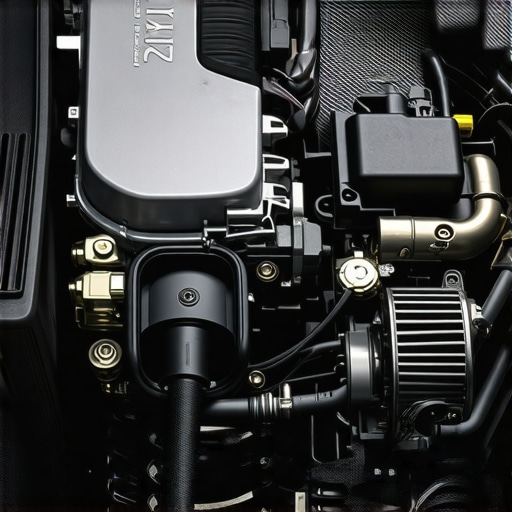
Start by locating the grounding wires behind your dashboard. These wires connect your vehicle’s electrical system to the metal frame, ensuring stable power. I once had a flickering dashboard that worsened every time I turned on my headlights. I carefully inspected the ground wires, tightened the loose bolt with a wrench, and immediately saw the flickering diminish. This simple fix often resolves intermittent electrical issues and is a common cause of dashboard flickers. For a detailed guide, see this low-cost fix.
Replace or Repair Blown Fuses
Next, inspect your vehicle’s fuse box for blown or damaged fuses related to the dashboard or instrument cluster. To do this, remove the fuse panel cover and check each fuse visually or with a multimeter. During my repair, I discovered a blown fuse labeled “Dashboard” that I replaced. This instantly stopped the flickering and restored full functionality. Always replace blown fuses with ones of the same type and amperage. For a thorough walkthrough, visit this fuse replacement guide.
Test and Replace the Dimmer Switch
The dimmer switch regulates dashboard brightness and can sometimes cause flickering if malfunctioning. To test it, turn the switch to different levels and observe any flickering or dimming issues. In my case, adjusting the switch caused flickering, indicating it was faulty. Replacing the dimmer switch is straightforward: disconnect the wiring harness, remove the old switch, and install the new one. This fix is particularly effective if flickering correlates with brightness changes. For detailed instructions, check this switch replacement tutorial.
Inspect Wiring for Loose or Damaged Cables
Finally, examine the wiring harnesses running to your instrument cluster for loose, frayed, or damaged wires. Disconnect the battery before doing this to prevent electrical shorts. I once found a disconnected wire tucked behind the dashboard that was intermittently making contact. Securing or replacing damaged wiring restored stability. Use dielectric grease on connectors to prevent future corrosion. For comprehensive wiring checks, consult this wiring inspection guide.
Many car owners operate under common myths about transmission care and auto repairs, but the truth is more nuanced. For instance, a widespread belief is that simply changing transmission fluid every few years guarantees long-term health. However, according to automotive experts, neglecting to consider the specific driving conditions and transmission type can lead to ineffective maintenance. This oversight often results in premature wear or costly repairs that could have been avoided with targeted service approaches.
Another misconception is that all mechanic shops perform equally thorough inspections. In reality, some shops may focus on quick fixes rather than diagnosing underlying issues like subtle frame misalignments or hidden electrical faults. These overlooked problems can cause symptoms such as transmission slipping or engine hesitation, often mistaken for minor nuisances. Internal inspections and expert analysis are crucial for catching these hidden faults early.
Why do most advanced transmission problems go unnoticed until they cause major failure?How do I maintain my vehicle’s transmission over time?
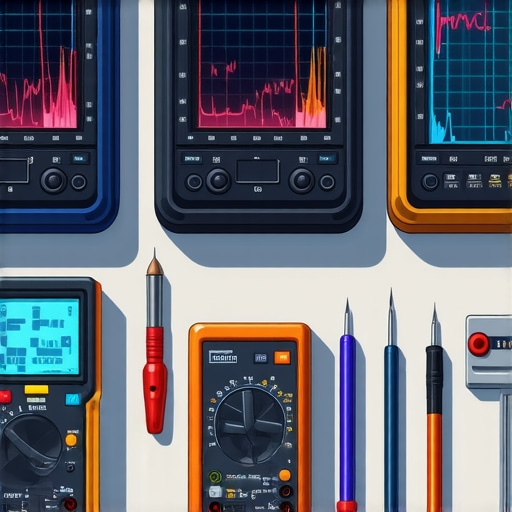
Maintaining your car’s transmission is crucial to ensure longevity and optimal performance. I personally rely on a combination of high-quality diagnostic tools and scheduled fluid changes to keep things running smoothly. One of my go-to devices is the OBD-II scanner, which provides real-time data on your vehicle’s systems. I use a model like the BlueDriver Bluetooth scan tool because it’s portable, easy to use, and compatible with my smartphone, allowing me to quickly identify any lurking issues before they escalate. Regularly checking the transmission fluid with a transparent dipstick or using a digital tester helps me monitor the fluid’s condition and prevent overheating or slipping.
Alongside hardware, staying informed with software updates for your vehicle’s ECU (Engine Control Unit) can prevent software glitches that mimic mechanical faults. Many modern vehicles, especially those with adaptive transmission systems, benefit from periodic updates that improve shifting behavior and fuel efficiency. To facilitate this, I utilize manufacturer-specific scan tools that connect via USB or Wi-Fi, which I’ve found indispensable for diagnosing complex issues and ensuring my car stays in peak condition.
Tools are just part of the equation. Consistent maintenance routines—like quick fluid top-offs, inspections, and timely replacements—are key. For instance, I schedule a comprehensive transmission check every 30,000 miles, aligning with professional recommendations and using guides from trusted sources like CollisionFixer’s expert advice. These proactive steps have saved me thousands over the years by avoiding major repairs caused by neglect.
How will the future of automotive maintenance evolve?
Looking ahead, advancements in diagnostic technology and autonomous systems are poised to revolutionize car maintenance. Predictive analytics powered by AI will soon analyze vast amounts of data from your vehicle’s sensors to forecast issues before symptoms even appear. Electric vehicles (EVs) will shift focus from traditional fluid changes to software optimization and battery health monitoring, making maintenance more streamlined and cost-effective. Staying ahead means embracing these innovations now—upgrading your toolkit and routine accordingly.
If you want to get the most out of your vehicle, I recommend trying out a comprehensive scan and diagnostic process with an advanced tool this month. It’s an easy step that yields immediate insights into your car’s health and can help you catch issues early, saving money in the long run. Remember, consistent care combined with the right tools is your best bet for keeping your car performing at its best for miles to come.
The Hard-Won Wisdom Hidden in Transmission Troubles
After battling my own transmission woes, I realized that piecing together clues from subtle signals teaches us more than any manual ever could. One light bulb moment was understanding how small signs—like a slight delay during acceleration—can indicate larger issues lurking beneath the surface. These lessons have transformed my approach, reminding me that patience and keen observation are key to preventive maintenance, and that addressing issues early saves both time and money. Nobody talks about how a simple sensor glitch could cascade into a major overhaul if ignored, but these insights are invaluable for any car enthusiast or everyday driver.
![4 Hidden Apps Draining Your 2026 Car Battery Overnight [Solved]](https://collisionfixer.com/wp-content/uploads/2026/03/4-Hidden-Apps-Draining-Your-2026-Car-Battery-Overnight-Solved.jpeg)