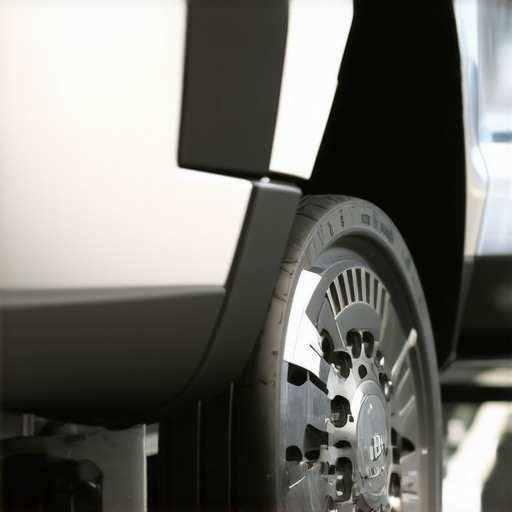
This past weekend, I was under my car, blood pressure rising as I stared at the brake warning light flashing relentlessly. I had just finished replacing my brake pads, a routine task I thought would take an hour at most. But then, those stubborn brake sensors hung my repair up for days. It was frustrating, confounding, and made me question everything I thought I knew about auto repairs. Maybe you’ve experienced this, too — the simple job that turns into a head-scratching nightmare.
Why Do Brake Sensors Fail After a Brake Pad Swap?
It turns out that the cause isn’t always obvious, and early on, I made a mistake that many do — ignoring the importance of sensor calibration and proper handling during the replacement. The result? Faulty readings, warning lights that won’t quit, and potential safety concerns. The truth is, starting in 2026, many vehicles are equipped with more sensitive and sophisticated brake sensors. These sensors can become unreliable if certain steps aren’t followed during the pad replacement. If you’re wondering whether your experience is typical, I’ll tell you, it actually is. Like many, I initially thought my sensor just died from old age, but with some digging, I learned that simple oversight can trigger sensor failure — especially if you don’t handle them properly.
Are these sensor failures worth worrying about, or just a temporary glitch?
Early on, I made the mistake of rushing through the job without disconnecting the sensors carefully. This ‘shortcut’ led to damaged sensors that needed more than just a quick fix — it cost me extra in parts and time. A trusted source notes that mishandling sensor wiring can lead to improper readings, which can misguide your vehicle’s braking system, impacting safety. You can read more about how a faulty sensor can affect your drive at this detailed breakdown. To avoid repeating my mistake, understanding these nuances can save you a lot of trouble down the line.
So, today, I’m going to walk you through how to prevent these failures and ensure your brake sensors work flawlessly after your next pad change. Stick with me, and you’ll be equipped with the know-how to keep your braking system reliable, safe, and cost-effective.
Handle Sensors Carefully During Disassembly
When disconnecting brake sensors, use gentle tools like plastic pry bars to avoid damaging wiring or connectors. I once rushed this step, tugged too hard, and ended up with a sensor that read incorrectly afterward. Take your time, inspect the wiring for damage, and always mark sensor positions for correct reconnection. Proper handling prevents unnecessary sensor replacements, saving you time and money, as seen in my messy experience with sensor mishandling.
Clean and Inspect Before Reinstallation
Before fitting new brake pads, clean sensor contact points and inspect for corrosion or dirt. I used a brake cleaner spray to remove grime, which improved sensor contact quality. Dirty contacts can cause false alerts, leading to misdiagnosed issues. Ensuring clean connections aids in accurate readings, directly impacting your vehicle’s braking safety and performance.
Calibrate Sensors Correctly
Use OEM Diagnostic Tools
Employ manufacturer-specific diagnostic scanners to reset and calibrate sensors accurately. I borrowed a scanner from a local auto shop, which guided me through precise calibration steps. Skipping this process might result in warning lights staying on, even if the sensor is fine. Correct calibration aligns sensor readings with your vehicle’s system for smooth operation.
Follow Specific Calibration Procedures
Consult your vehicle’s service manual for exact calibration procedures. For my car, I needed to drive a certain distance post-calibration to allow the system to reset. Missing this step can cause persistent warning lights and unsafe braking behavior. Proper calibration ensures reliable sensor performance and safety compliance.
Drive and Verify Sensor Functionality
After installation and calibration, test your vehicle by gentle braking to verify sensor response. I performed slow stops at a safe location, observing the dashboard for warning lights. If alerts persist, double-check wiring, calibration, or consider professional diagnostics. Confirming sensor accuracy after repairs prevents future mishaps and guarantees your brake system functions as intended.
Stay Ahead with Regular Maintenance Checks
Schedule periodic inspections of sensors, especially after significant brake work. Regular checks help catch issues before warning lights appear, saving you from unexpected breakdowns. Remember, proactive maintenance keeps your vehicle’s safety systems reliable, as documented in these top car service tips.
When it comes to vehicle maintenance, many drivers rely on common beliefs that often overlook subtle yet crucial details. Contrary to popular opinion, a basic tune-up isn’t just about replacing plugs and filters; it involves intricate calibration procedures, sensor management, and understanding modern vehicle electronics. One widespread myth is that all auto repairs are straightforward repairs you can perform yourself without expertise. However, sophisticated systems like transmissions and electronic sensors demand specialized tools and knowledge — attempting DIY fixes can lead to costly mistakes, as highlighted in expert analyses available at this detailed breakdown. For instance, many fail to recognize that ignoring sensor calibration after a transmission service can cause persistent warning lights and even safety issues, which might ultimately cost thousands if left unaddressed. The key here is understanding that technology in modern cars is continuously evolving; with the advent of advanced sensors and smarter systems, the traditional approach of ‘just change parts and go’ doesn’t cut it anymore. Overlooking calibration steps, or mishandling sensors during repairs, introduces an ‘oops’ factor that can compromise your vehicle’s performance. To avoid falling into this trap, professional auto repair shops typically follow specific diagnostic and calibration protocols, which might include using OEM diagnostic tools or performing road tests — small but pivotal steps that ensure reliability. For those venturing into repairs, investing in proper diagnostic equipment and learning about your vehicle’s electronic systems can be game-changers. Remember, a mismanaged repair or service can lead to long-term damage, such as transmission slippage or sensor failures, that are not always immediately apparent. Stay ahead with regular maintenance and updates, especially with models lining up for 2026, which feature more complex electronics. This proactive approach can save you money and ensure safety, as recommended by industry experts. Have you ever fallen into this trap? Let me know in the comments.
### How Do Advanced Sensors Influence Modern Transmission Repairs?
Modern transmissions aren’t just mechanical components; they’re integrated with electronic sensors that continuously monitor and adjust performance. During a transmission repair or replacement, these sensors must be calibrated precisely—skipping this step can cause symptoms like slipping, shuddering, or uneven shifting. For example, failing to reset a transmission’s adaptive learning values after repair can make your drive feel sluggish or unpredictable. Experts advise using OEM diagnostic tools to perform these calibrations correctly, as generic scanners often lack the necessary accuracy. In fact, learning the nuances of sensor calibration capabilities, such as those outlined on this resource, can significantly improve repair outcomes. If you’re unsure whether your vehicle’s transmission has been properly calibrated post-service, consult a technician familiar with your make and model to prevent issues in the long run.
Invest in Precision Diagnostic Equipment
One of the most critical investments I made for sustaining my vehicle’s peak performance is a high-quality OBD-II scanner. Unlike basic code readers, a professional-grade diagnostic tool such as the Autel MaxiCOM provides comprehensive live data, freeze frame analysis, and bi-directional controls. This enables me to pinpoint issues like transmission slipping or sensor failures with pinpoint accuracy, saving time and avoiding unnecessary replacements. This level of precision is invaluable, especially when dealing with newer models loaded with complex electronic systems, and aligns with expert recommendations found on this resource.
Utilize Software for Sensor Calibration and System Updates
Beyond hardware, software plays a pivotal role in modern auto repairs. I use manufacturer-specific tools like Bosch M.O.S.T. and dealership-level interfaces that facilitate accurate sensor calibration and system updates. For example, after a transmission repair, I run a calibration sequence to reset adaptive learning features, which is crucial to prevent slipping or shuddering. As highlighted in this article, proper calibration ensures longevity and smooth performance, reducing the likelihood of long-term damage and costly repairs.
Schedule Routine, Detailed Inspections
Long-term reliability relies heavily on proactive maintenance. I schedule bi-annual comprehensive inspections that include checking sensor wiring, fluid levels, and system calibrations. Utilizing detailed checklists, I document wear and tear, replacing parts like transmission fluid or sensor connectors preemptively. This approach aligns with expert advice from this guide, which emphasizes regular diagnostics and early intervention as key to avoiding emergency repairs. A consistent schedule not only prolongs vehicle life but also ensures safety on the road.
How do I keep my vehicle’s electronic systems healthy over time?
Maintaining advanced electronic systems requires ongoing updates, sensor checks, and careful diagnostics. Using a combination of reliable tools, software calibration, and routine inspections forms the backbone of effective long-term vehicle care. For instance, regularly updating software ensures your vehicle benefits from the latest fixes, as many manufacturers release patches that improve sensor stability and transmission smoothness. Plus, catching issues early—before warning lights turn into costly repairs—can save hundreds or even thousands over the lifespan of your vehicle. Invest in good diagnostic tools, stay informed through reputable resources, and don’t hesitate to consult professionals for system calibration—I recommend trying out the calibration routines discussed in this detailed guide to maintain reliability and safety.
Through my personal journey of screwing up and learning the hard way, I’ve realized that the devil is truly in the details when it comes to modern auto repairs, especially with delicate components like brake sensors. These small but mighty sensors hold the key to your vehicle’s safety systems, and overlooking their proper handling can turn a straightforward job into a costly headache. But with a few insider tips and some dedicated effort, you can protect your repairs from premature failure and enjoy peace of mind on the road.
Lessons That Changed My Approach to Brake Sensor Management
- Accept that precision matters over speed: Rushing through sensor disconnection or reconnection increases the risk of damage. Taking your time to inspect wiring and connectors can save you from future trouble.
- Understanding the importance of calibration: Many drivers overlook that after replacing brake pads, sensor calibration is crucial, especially with 2026 models featuring heightened sensitivity. Failing to recalibrate can cause warning lights to remain on or trigger safety concerns.
- Invest in the right tools and know-how: Using manufacturer-specific diagnostic scanners ensures your sensors are correctly reset and calibrated, a step I initially underestimated but now swear by for reliable repairs.
My Trusted Resources for Navigating Modern Vehicle Electronics
- Top auto repair diagnostic tips in 2025 – Offers comprehensive guidance on using OEM scanner tools, which is essential for sensor calibration.
- This detailed breakdown on sensors and 2026 models – Highlights the risks of mishandling sensors and the importance of following correct procedures.
- Best diagnostic tools for peak vehicle performance – Helps me ensure accurate readings and calibration, preventing costly mistakes.
Keep Your Confidence High and Your Repairs Reliable
Fixing your vehicle’s brake sensors doesn’t have to be a nerve-wracking experience. By embracing patience, proper calibration, and leveraging quality diagnostic tools, you empower yourself to maintain your vehicle’s safety systems effectively. Remember, modern vehicles demand a meticulous approach; taking the time to handle sensors correctly not only extends their lifespan but also preserves your peace of mind. If you’re ready to step up your auto repair game, start with the simple but vital steps I shared—your vehicle and your safety will thank you. And since you’re now equipped with insider knowledge, why not share your experiences or ask questions below? Have you ever struggled with sensor calibration during a brake job? Let me know in the comments.
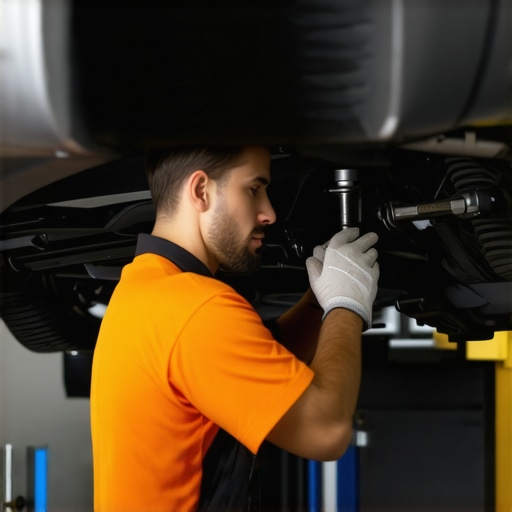
![Why Your 2026 Brake Pedal Feels Soft [2-Minute Fix]](https://collisionfixer.com/wp-content/uploads/2026/02/Why-Your-2026-Brake-Pedal-Feels-Soft-2-Minute-Fix.jpeg)