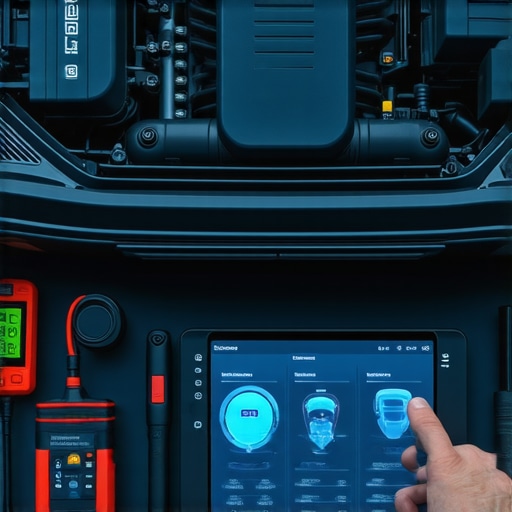
I’ll never forget the weekend I nearly stranded myself on the side of the road because of a sluggish transmission. The hesitation and rough shifts felt like my car was protesting, and honestly, I was frustrated. That moment was a real lightbulb for me—understanding that a well-maintained vehicle isn’t just about smooth rides but about safety and longevity. That’s when I started diving deep into the world of auto repair and diagnostics, eager to find reliable tips that could keep my car performing at its peak in 2025 and beyond.
Feeling Stuck and Unsure About Vehicle Care?
Many drivers grapple with the same doubts—are my maintenance habits enough? Am I catching problems early enough? The truth is, improper care can not only drain your wallet but also compromise your safety. Luckily, over the years, I’ve learned that the right strategies can make all the difference. From transmission tune-ups to diagnostic checks, there are proven methods to boost your vehicle’s performance, especially with the innovative technologies emerging in 2025. Today, I promise to share practical insights that will help you stay ahead of car troubles and keep your ride smooth and safe.
Is Auto Repair and Diagnostics Overhyped or Really Worth the Effort?
Early on, I made the mistake of ignoring those small warning signs, thinking they’d resolve themselves. That was a costly error that taught me the importance of proactive maintenance. According to the Automotive Service Association, proper diagnostics can reduce repair costs by up to 30% and significantly improve vehicle lifespan (source: CollisionFixer). So yes, investing time in these tips is definitely worth it. Are you guilty of putting off those minor repairs? If so, you’re not alone. But recognizing the value of early detection can save you a lot of stress and money down the line.
Perform Regular Transmission Checks to Avoid Costly Breakdowns
Think of your transmission like the blood flow in your body—constant circulation is vital for health. I recall a weekend when I caught my transmission slipping during a routine check. Instead of panicking, I followed a step-by-step process: I first checked the transmission fluid level and condition, ensuring it was clear and topped up. If fluid is dark or smelling burnt, it indicates contamination or wear. Regularly inspecting your transmission fluid, ideally every 30,000 miles or as recommended, can prevent major failures. For detailed guidance, visit this resource for diagnostic tips essential for maintaining optimal performance.
Many car owners believe that regular fluid changes and routine inspections are enough to keep their transmissions in top shape. However, a common misconception is that transmission issues only arise from mechanical failures or lack of maintenance. In reality, the nuances of modern transmission systems are far more complex, especially with the advancements in vehicle technology seen in 2025. For instance, early signs of transmission trouble can often be subtle and easily dismissed as minor glitches, leading drivers to overlook critical problems until catastrophic failure occurs. Recognizing these subtle cues requires an understanding of advanced diagnostic techniques and an appreciation for the intricacies involved in current auto repair strategies. According to industry experts, such as those at CollisionFixer, many failures stem from overlooked early symptoms that could have been addressed with proper diagnostic diagnostics, including advanced sensor analysis and software updates, which are now integral to effective repair and maintenance practices (see more). This highlights the importance of proactive diagnostics over reactive repairs.
Why do many drivers still rely on outdated knowledge about transmission care?
Despite technological progress, a pervasive myth persists: that once a transmission is cleaned or flushed, it will stay healthy forever. This misconception can lead to neglecting the importance of software updates and system recalibrations, especially with today’s intricate electronic controls. Modern transmissions are as much about software as they are about hardware, and neglecting updates can cause performance degradation or even system failures. Here’s a crucial tip: leverage the latest repair technologies and diagnostic tools tailored for 2025, which can identify and resolve issues before they escalate. For an in-depth guide, visit this resource. Recognizing that transmission health involves both mechanical and digital components can significantly extend the lifespan of your vehicle.
Another critical aspect to avoid is the trap of delaying professional repair for newer vehicle models. Many assume that minor warning signs—such as slight delays or unusual noises—will resolve themselves. This can be risky because these symptoms often indicate underlying issues that can snowball quickly, especially with the sophisticated transmission controls in place today. Early intervention, guided by expert diagnostics, is your best defense. Remember, the best auto repair practices in 2025 involve continuous learning and staying updated on emerging technologies, which can profoundly impact vehicle longevity and safety. Don’t wait for a breakdown—take control of your car’s health now. Have you ever fallen into this trap? Let me know in the comments.
Maintaining your vehicle’s transmission or auto repair systems requires more than just routine checks; it demands the right tools and a strategic approach. As vehicle technology advances in 2025, so do the diagnostic and repair techniques. Personally, I rely on a combination of high-quality diagnostic scanners and software that are compatible with modern electronic control modules. The OBD-II scanner is a staple in my toolkit—it’s incredibly versatile for reading trouble codes, especially with newer models that have complex transmission electronics. For more detailed analysis, I use advanced diagnostic software like AutoEnginuity, which allows me to perform live data streaming and sensor analysis, ensuring that I catch issues before they escalate. In addition, I recommend maintaining a supply of OEM transmission fluids and specific cleaning agents that are designed for the latest transmission technologies—these help in preserving performance and preventing corrosion. Regularly updating your diagnostic tools’ firmware is crucial; manufacturers often release updates that enhance compatibility with new vehicle models and improve diagnostic accuracy. Looking ahead, I think that AI-driven diagnostic platforms will become even more integral, enabling real-time predictive maintenance and reducing downtime for vehicles. To stay ahead, consider investing in such tools and learning how to interpret their data effectively.
How do I maintain transmission performance over time?
One of the most effective ways to ensure your transmission keeps performing reliably is by integrating proactive maintenance schedules that reflect the latest tech. This includes not only periodic fluid changes but also software recalibrations and sensor diagnostics, which have become essential with the rise of electronic control modules. For instance, performing systematic repair strategies that incorporate these advanced diagnostics can significantly extend the lifespan of your vehicle’s transmission. I recommend setting reminders aligned with manufacturer specifications, typically every 30,000 to 50,000 miles, but always tailor this to your driving habits and local conditions. Additionally, leveraging the latest diagnostic tools to run preemptive checks can catch slipping or overheating issues early. If you’re eager to implement this approach, I suggest starting with an auto-diagnostics software update and scheduling regular checks with a technician trained in the latest 2025 repair technologies. Doing so will help you catch minor issues before they turn into major repairs, saving time and money while keeping your car safe and reliable for the years ahead.
Looking back, I realize that my most valuable lessons about transmission care came from those unexpected moments of frustration and discovery. Never underestimate the power of staying proactive—early diagnostics and embracing new repair technologies can save you from costly breakdowns. The real benefit lies in building a relationship with your vehicle, understanding its subtle signals, and investing in its health before problems escalate. For example, integrating AI-driven diagnostic tools not only predicts issues but also guides precise repairs, turning guesswork into certainty. Remember, continuous learning and adapting your maintenance routine are the keys to riding smoothly well into 2025 and beyond.