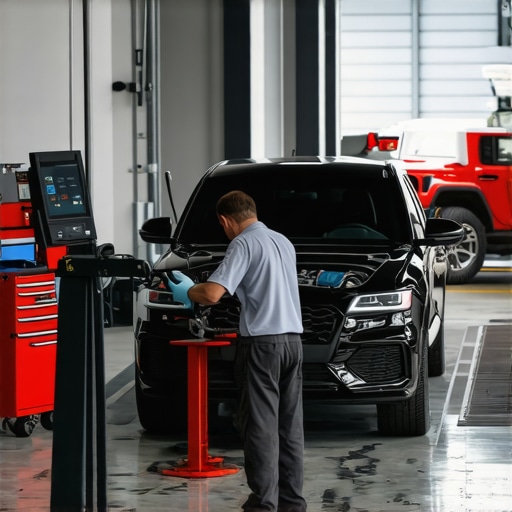
Ever been stranded on the side of the road because your car suddenly started acting up? I remember the frustration all too well—one morning, my trusty ride just refused to start, and I had no idea what was wrong. That lightbulb moment made me realize how crucial it is to stay ahead of car troubles, especially with the rapid advancements coming in 2025. The truth is, regular auto diagnostics and maintenance can save you a lot of headache, time, and money down the line.
Why Staying on Top of Auto Diagnostics Is Critical Now
With technology evolving faster than ever, modern vehicles are more complex than your typical engine and transmission. They’re filled with sensors, computers, and intricate systems that require expert attention to keep them running smoothly. Neglecting these details can lead to costly repairs and safety hazards—something I learned the hard way early in my journey.
The good news? There are specific, proven tips you can follow to ensure your vehicle performs at its peak in 2025. From effective diagnostics to routine tune-ups, these strategies can extend your car’s longevity and improve safety. Curious about the most effective approaches? Stick around, because I’ll be sharing exactly what I’ve learned so you can avoid my mistakes and keep your ride in tip-top shape.
Is Auto Diagnostics Overhyped or Actually Worth It?
I’ll admit, I used to think basic oil changes and tire rotations were enough. I was wrong. Early on, I skipped regular diagnostics, thinking I’d catch problems before they got serious. That was a mistake. When I finally took my car to a professional for a thorough diagnostic, I discovered issues I never suspected—an aging transmission system and some sensor irregularities that could’ve led to major breakdowns. Since then, I’ve realized that staying proactive with diagnostics isn’t just a good idea—it’s essential for peak performance.
Research supports this, showing that regular auto diagnostics can reduce breakdowns by up to 70% and extend the lifespan of key components. Want to learn the most effective diagnostic tips and maintenance routines? I’ve got you covered with simple, actionable advice that you can implement today. Ready to keep your vehicle running smoothly and safely in 2025? Let’s dive into the details that will transform the way you care for your car.
Test Your Battery and Sensors Regularly
Think of your car’s battery and sensors as the nervous system of your vehicle. If they falter, your car’s entire performance can suffer. I remember one time, my battery was on its last legs, causing intermittent starting issues. By using a multimeter to test voltage and inspecting sensors during routine check-ups, I caught the problem early. This simple step saved me from being stranded on a cold morning. For detailed guidance, check out this auto diagnostics guide for 2025 that walks you through proper testing techniques.
Many car owners believe that sticking to basic maintenance routines like oil changes and tire rotations is enough to keep their vehicles in top shape. While these are essential, they often overlook the hidden complexities of auto diagnostics that can make or break vehicle performance in 2025. Let’s dig deeper into what most people get wrong and how to avoid common pitfalls that could cost you time and money.
The Myth of Surface-Level Maintenance
A prevalent misconception is that only visible issues or obvious symptoms require attention. This mindset is dangerous because modern vehicles are equipped with numerous sensors and computer systems that silently monitor performance. Neglecting these sensors or assuming they’re infallible can lead to overlooked problems. For example, a malfunctioning oxygen sensor might not trigger a check engine light immediately but can drastically reduce fuel efficiency and increase emissions. Regularly auto diagnostics that go beyond the surface can detect such issues early, saving you from costly repairs later.
Why Relying Solely on Dashboard Lights Is a Trap
Many drivers depend solely on warning lights to identify issues. However, these lights often activate only when problems become serious. Sensors can fail or give false negatives, meaning you might ignore an underlying issue until it causes significant damage. Advanced diagnostic tools can read hidden error codes and sensor data that are not reflected on the dashboard. Skipping this step is a common mistake that can lead to unexpected breakdowns, especially as vehicle systems become more complex in 2025.
Advanced Mistakes to Avoid
One frequent error is neglecting transmission diagnostics during routine checks. Modern transmissions are highly sensitive to fluid quality and sensor inputs, and small issues can escalate rapidly. Furthermore, ignoring sensors and computer modules related to emissions, braking, and safety systems can compromise your vehicle’s performance and compliance with future regulations. Remember, automotive diagnostics in 2025 is about a comprehensive approach, not just quick fixes.
What Makes Diagnostics in 2025 Different from the Past?
Unlike older models, today’s cars are integrated with AI-driven systems that adapt and learn from driving patterns. This means diagnostics now involve analyzing complex data streams and predictive analytics. Experts recommend investing in cutting-edge diagnostic tools that can interpret these data points accurately. Relying on outdated scanners or manual checks can cause you to miss subtle signs of trouble, leading to bigger issues down the road. Staying updated and using the latest diagnostic protocols is essential for maintaining peak performance in 2025.
In conclusion, understanding the nuances of auto diagnostics is vital for modern drivers. Don’t fall into the trap of superficial maintenance or dependence solely on dashboard signals. Instead, embrace a comprehensive diagnostic approach that leverages advanced tools and knowledge. This proactive mindset will help you avoid unexpected breakdowns and keep your vehicle running smoothly for years to come. Have you ever fallen into this trap? Let me know in the comments.
Maintaining your vehicle’s performance over time requires more than just occasional check-ups; it demands the right tools and a strategic approach. As technology advances, so do the equipment and methods needed to keep your car running smoothly in 2025. One of my favorite investments has been a high-quality OBD-II scanner, like the BlueDriver Bluetooth Pro. I personally rely on it because it offers detailed diagnostic trouble codes and live sensor data, giving me a clear picture of my vehicle’s health without needing a trip to the mechanic. This device allows me to monitor critical systems such as emissions, transmission, and engine sensors, ensuring I catch potential issues early. For those serious about diagnostics, I recommend the auto diagnostics guide for 2025, which covers the latest tools and practices to keep your vehicle in top shape.
Beyond handheld scanners, software like OBDeleven or FORScan can interface with your vehicle’s onboard computers for deeper insights. I use these tools because they provide manufacturer-specific data, which is crucial for diagnosing complex issues that generic scanners might miss. Regularly updating their firmware ensures compatibility with the newest vehicle models and software revisions, a trend I see continuing as vehicles become more integrated with AI systems.
In addition to diagnostic tools, investing in a reliable battery tester, such as the Midtronics PBT-300, is essential. Batteries are often overlooked until they fail unexpectedly, but a quick test during routine maintenance can prevent being stranded. Sensors should also be checked periodically with specialized equipment, especially in electric and hybrid vehicles, to ensure their longevity and accuracy. This proactive approach aligns with the future of automotive diagnostics, where predictive analytics and machine learning are becoming standard.
Looking ahead, I predict diagnostic tools will become even more sophisticated, incorporating AI-driven analysis that not only identifies problems but also suggests optimal solutions. As vehicle systems grow more complex, DIY diagnostics will increasingly rely on cloud-based platforms that aggregate data from multiple sources for comprehensive health reports. To stay ahead, I recommend embracing these emerging technologies now—start with a top-tier scanner and keep your software up to date.
To put this into practice today, try upgrading your current diagnostic setup with a versatile tool like BlueDriver or OBDeleven. Regular scans combined with sensor checks will provide ongoing insights that help you maintain your vehicle’s performance and safety. Remember, the key to long-term success is consistency and leveraging the best tools available. For more detailed tips, explore the top auto repair diagnostics tips for 2025 and stay ahead of the curve.
Lessons the Pros Don’t Usually Share About Auto Diagnostics
- One of the biggest insights I’ve gained is that relying solely on dashboard warning lights can be a trap. They’re designed to alert you to serious issues, but many minor problems can slip through, silently affecting your car’s performance. Regularly running comprehensive diagnostics can reveal these hidden issues before they escalate.
- Another lesson learned the hard way is that modern vehicles are like living organisms—filled with sensors and software that need constant attention. Skipping routine checks on sensors and control modules often leads to unexpected breakdowns, especially as 2025 models become even more integrated with AI systems.
- Finally, I discovered that investing in advanced diagnostic tools, like specialized scanners and software, is a game-changer. They empower you to interpret complex error codes and sensor data, giving you the chance to act early and avoid costly repairs down the line.
My Go-To Resources for Mastering Car Diagnostics in 2025
- Effective Auto Repair Diagnostics Guide for 2025: This comprehensive resource offers insights into the latest tools and techniques, helping me stay ahead of evolving vehicle technology. You can check it out here.
- Top Auto Repair Tips for 2025: A collection of practical advice covering everything from sensor checks to transmission diagnostics, ensuring your car remains reliable. Find it here.
- Specialized Diagnostic Tools: I personally trust tools like BlueDriver and OBDeleven for their accuracy and ease of use. They help me identify issues early and keep my vehicle performing at its best.
Your Next Step Toward Smarter Car Care
Now is the perfect moment to take control of your vehicle’s health. Embrace the latest diagnostic methods and tools, and you’ll not only extend your car’s lifespan but also enjoy safer, more reliable driving in 2025. Remember, proactive maintenance today prevents costly repairs tomorrow. Have you tried advanced diagnostics before? Share your experience below and let’s learn together!

Stephanie Martin
Reading this post really resonated with me, especially about the importance of regular diagnostics beyond just basic maintenance. I had a situation last year where my check engine light came on unexpectedly, and I used a mid-range OBD-II scanner to do some quick checks myself before heading to the mechanic. It revealed a sensor reading that was out of spec, which, if ignored, could have led to fuel efficiency issues or worse. It’s amazing how much insight you can gain with the right tools, especially as cars become more sophisticated in 2025.
What really stood out to me is how proactive diagnostics can prevent unexpected breakdowns rather than just reacting to them. I’ve started scheduling routine sensor tests and software updates, which has already saved me money and stress.
For fellow car enthusiasts, how often do you run full diagnostics on your vehicle, and what tools do you rely on? I’d love to hear experiences or recommendations about the latest diagnostic devices for DIY enthusiasts.