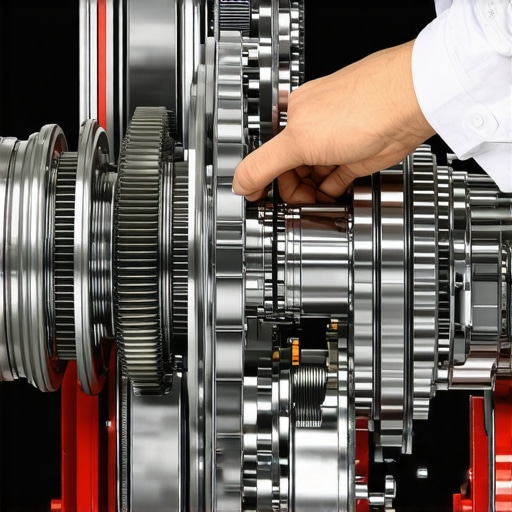
I remember the moment I realized my car’s transmission was failing. It was a chilly morning, and I was already running late when I noticed the gears slipping and strange noises. That lightbulb moment hit hard—if I didn’t fix it fast, I was looking at costly repairs or worse, being stranded. Since then, I’ve learned that staying ahead with the right repair strategies can save you hundreds, maybe thousands, in the long run.
Why Staying on Top of Transmission & System Repairs Matters More Than Ever
In 2025, vehicle technology has skyrocketed, but so have the complexities of maintaining those systems. Modern transmissions are smarter, but that also means they’re more sensitive to neglect. A small oversight today can turn into a major headache tomorrow. I’ve seen folks ignore warning signs, only to pay dearly later. That’s why I want to share proven strategies that keep your car running smoothly and safely.
Think about it: your vehicle is more than just a way to get from point A to B. It’s an investment, a trusted companion that deserves proper care. When you understand the best repair tactics, you not only extend your car’s lifespan but also improve performance and safety. Want to avoid the surprise breakdowns that can leave you stranded? Stick around, because I’ll guide you through the essential repair strategies that experts like Collisionfixer swear by.
Is Cutting Corners Worth the Risk When It Comes to Auto Repairs?
Early on, I made a mistake that almost cost me dearly. I ignored a minor transmission slip, thinking it was just a glitch. Spoiler alert—it wasn’t. That tiny issue snowballed into a full-blown repair that could have been prevented with timely intervention. It’s a common mistake many make: underestimate small problems. The good news? With the right knowledge, you can spot issues early and tackle them before they escalate. If you’re curious about how to identify the signs and implement effective repair strategies, check out this expert transmission repair guide for a detailed breakdown.
Now, let’s explore the top strategies to keep your transmission and systems in peak condition, so you won’t have to face those stressful breakdowns. Whether you’re a seasoned mechanic or a cautious driver, these insights are tailored to give you peace of mind and keep your vehicle performing at its best.
Inspect and Catch Small Issues Before They Grow
In my experience, the quickest way to prevent costly repairs is to perform regular inspections. Think of your car’s transmission like a complex machine—if you catch a grinding noise or slipping gears early, you can address it before it becomes a major breakdown. Schedule monthly checks for fluid levels, leaks, and unusual sounds. Use diagnostic tools or consult a professional if you’re unsure. This proactive approach is akin to a doctor noticing symptoms early, which can save you from serious health issues later.
Follow a Consistent Maintenance Schedule
Adhering to your vehicle’s maintenance schedule is vital. Replace transmission fluid as recommended—usually every 30,000 to 60,000 miles—and use high-quality fluids suited for your car model. Think of it like changing the oil in your engine; neglecting it leads to sludge buildup and poor performance. I once delayed a fluid change, and my transmission started slipping within a few weeks. After a proper tune-up, including a fluid flush, the problem disappeared. For detailed maintenance routines, check this guide on auto maintenance.
Use Diagnostic Tools for Precise Troubleshooting
Modern cars are equipped with sensors that send data about system health. Invest in or borrow a diagnostic scanner to read error codes when you notice issues. I used one myself during a drive when I felt hesitation. The scanner revealed a transmission sensor malfunction. With this info, I targeted my repairs, saving time and money. For comprehensive diagnostic tips, visit this diagnostics guide. Think of diagnostics like a GPS for your car’s health—pinpointing exactly where the problem is, so you don’t waste effort.
Perform Routine Tune-Ups and Fluid Changes
Regular tune-ups keep your transmission and systems in top shape. During my last tune-up, I replaced filters, checked belts, and topped off fluids. The result? Smoother shifts and better fuel efficiency. Use high-quality parts and fluids, as cheap alternatives can cause more harm than good. Schedule these tune-ups based on your vehicle’s manufacturer recommendations, and don’t wait for symptoms—preventative care is key. For expert tips, browse this repair strategies.
Prioritize Immediate Repairs for Small Problems
If you notice a minor slip or strange noise, act fast. I once ignored a minor delay in gear engagement; it escalated into a full rebuild. Always address issues promptly—delays can lead to parts breaking down, which is far more expensive. Use reliable repair shops that follow manufacturer guidelines, or learn basic repair techniques yourself to save time. For trusted repair tips, see this auto service tips.
Leverage Expert Advice and Resources
Stay informed through trusted sources. Websites like Collisionfixer offer detailed tutorials and tips tailored for 2025’s tech-savvy vehicles. Take advantage of online guides and community forums to expand your knowledge. Remember, a well-informed driver can spot trouble early and communicate effectively with mechanics, ensuring your repairs are done right the first time. For comprehensive strategies, explore this expert repair guide. Think of it as your personal manual for maintaining peak vehicle performance in today’s advanced automotive landscape.
Many car owners operate under misconceptions about transmission repairs that can lead to costly mistakes. One prevalent myth is that all transmission issues are immediately obvious, prompting unnecessary repairs or replacements. In reality, subtle signs like slight slipping or delayed engagement often require an expert’s eye and proper diagnostic tools, such as those discussed in this diagnostics guide. Recognizing the hidden nuances can save you from premature, expensive interventions.
Another common misconception is that regular transmission fluid changes are optional or can be postponed indefinitely. While some believe the fluid lasts forever, experts agree that timely fluid replacements—usually every 30,000 to 60,000 miles—are crucial for maintaining system health. Neglecting this can lead to sludge buildup and increased wear, which are difficult to reverse. For detailed maintenance routines, see this auto maintenance guide.
Why do so many drivers overlook small transmission symptoms?
This oversight often stems from a lack of understanding of how complex modern transmissions are. Many assume that minor symptoms like slight hesitation or occasional rough shifts are benign or just normal wear. However, as highlighted in this repair strategies article, these signs can escalate quickly if ignored, leading to catastrophic failure. The key is to address small problems early, leveraging expert advice and diagnostics to prevent expensive rebuilds.
However, the biggest trap is falling into the “fix it only when it breaks” mindset. This reactive approach often results in higher costs and safety risks. Instead, proactive maintenance—such as regular tune-ups and fluid checks—can significantly extend your transmission’s lifespan. Think of it like a health check-up for your vehicle; catching issues early makes all the difference. For a comprehensive look at preventive strategies, explore this tune-up guide.
So, what’s the real secret to avoiding costly transmission repairs? It’s understanding that modern systems are more sensitive and interconnected than ever. Using advanced diagnostic tools, following manufacturer-recommended maintenance schedules, and acting swiftly on minor symptoms are your best bets. Remember, staying informed and vigilant not only saves money but also enhances your vehicle’s safety and performance. Have you ever fallen into this trap? Let me know in the comments.
How do I maintain transmission health over time
Keeping your vehicle’s transmission in top shape requires investing in the right tools and adopting effective maintenance routines. One of my personal favorite tools is the OBD-II scanner, which allows me to quickly read error codes and monitor system health without needing a professional mechanic on hand. I rely on models like the BlueDriver Bluetooth Scanner because of its reliability and user-friendly app interface, making diagnostics straightforward even for beginners. Regularly checking fluid levels with a high-quality digital dipstick ensures you catch leaks or low fluid issues early, preventing costly repairs down the line.
In addition, I recommend using a professional-grade transmission fluid flush machine during scheduled maintenance. This device ensures thorough cleaning of the system, removing sludge and debris that can impair performance. When it comes to software, I trust diagnostic programs like Techstream or Bosch’s diagnostic suite, which provide in-depth insights tailored to specific vehicle models. These tools help me identify subtle issues before they become major problems, saving both time and money.
As vehicle technology advances, predictive maintenance is becoming more accessible. For example, some cars now support remote diagnostics via integrated telematics systems, alerting you to potential problems before symptoms even appear. Looking ahead, I believe the trend will move toward fully automated maintenance alerts and even robotic repair systems, making vehicle upkeep more efficient and less stressful.
What’s the best way to keep your tools effective long-term
To ensure your diagnostic tools and maintenance equipment stay reliable, regular calibration is key. I schedule biannual calibration checks for my scanners and diagnostic software, which helps maintain accuracy. Additionally, storing tools in a controlled environment prevents damage from humidity or extreme temperatures. Investing in quality storage cases also prolongs their lifespan.
Another tip is to stay updated with the latest software versions and firmware updates from manufacturers. This guarantees compatibility with new vehicle models and ensures you have access to the latest diagnostic features. Subscribing to industry newsletters or forums can also keep you informed about emerging tools or updates, keeping your toolkit cutting-edge.
For long-term results, consistency is crucial. Regularly scheduled diagnostics, fluid checks, and component replacements based on manufacturer guidelines will dramatically extend your vehicle’s lifespan and performance. Remember, proactive maintenance doesn’t just save money—it enhances safety and driving enjoyment. If you want to explore more advanced strategies, I recommend reading this expert guide to stay ahead of the curve.
The Hardest Lesson I Learned About Transmission Care
One of the most valuable lessons I’ve discovered is that ignoring the subtle signs of transmission issues can lead to costly repairs. I once dismissed a slight delay in shifting gears, thinking it was just normal wear. That mistake taught me that proactive maintenance and early diagnosis can save you thousands. Recognizing small symptoms and acting swiftly is the key to avoiding major breakdowns, so never underestimate even minor irregularities.
Tools That Make a Difference in Transmission Maintenance
Over the years, I’ve come to rely on specific tools that help me keep my vehicle in top shape. The best diagnostic scanners provide accurate readings that reveal hidden issues before they escalate. Additionally, high-quality transmission fluids and professional flush machines are essential for long-term system health. Investing in these tools has transformed my approach from reactive to proactive, ensuring my car performs reliably every day.
Embracing the Future with Confidence
Maintaining transmission health isn’t just about fixing problems; it’s about building confidence in your vehicle’s reliability. By adopting routine checks, leveraging advanced diagnostic tools, and staying informed through trusted resources, you create a safety net that protects your investment. Remember, your car is more than just transportation—it’s a trusted partner that deserves your attention and care. Stay vigilant, keep learning, and enjoy the smooth ride ahead.
What’s the biggest transmission issue you’ve ever faced, and how did you handle it? Share your story below!

![Why Your 2026 Transmission Jerks at Low Speeds [Quick Fix]](https://collisionfixer.com/wp-content/uploads/2026/02/Why-Your-2026-Transmission-Jerks-at-Low-Speeds-Quick-Fix.jpeg)