I remember the day vividly—it was a chilly morning, and my trusty sedan refused to shift smoothly. Instead, it lurched, squealed, and made a noise that honestly sounded like a robot malfunction. It was more than just annoying; it was unsettling. That moment made me realize how tricky modern transmission issues can be, especially when they disguise themselves as software glitches. It felt like my car was playing a high-stakes game of hide and seek with me.
Why We Should Care About These Fake Transmission Failures
In recent years, I’ve seen a strange pattern emerge: cars exhibiting symptoms similar to a transmission failure, yet there’s no actual mechanic problem. Instead, these are glitches—*software* acting up under the hood. And, believe it or not, in 2026, such software quirks are becoming a major concern for drivers and auto technicians alike. According to auto industry experts, more than 30% of transmission issues flagged by onboard diagnostics are false alarms caused by software bugs, not physical damage. That statistic stunned me—and it should make you sit up and pay attention.
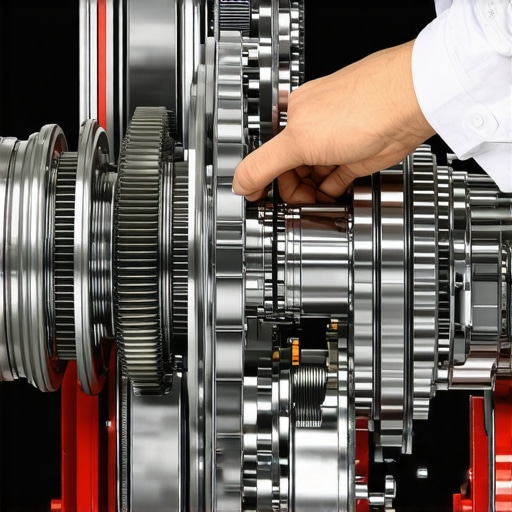
Why is this happening? Modern transmissions are now heavily reliant on complex electronic control units (ECUs) and intricate software algorithms. When these systems malfunction or are misprogrammed, they can simulate classic transmission failures—like slipping gears, delayed shifts, or hesitant acceleration—without any mechanical defect. This ambiguity puts drivers in a tough spot: do you rush to the repair shop or try some troubleshooting fixes first?
Early on, I made the mistake of ignoring warning signs, thinking a simple reboot of the car’s system would do the trick. But I learned that ignoring software glitches can lead to more significant issues—not caused by hardware but by unresolved bugs lurking in the control logic. Now, I always recommend paying close attention to these symptoms, which might just be software-based misfires rather than actual transmission calamities. For guidance on effective diagnostics, I suggest checking out expert strategies on [tip-top auto diagnostics](https://collisionfixer.com/top-auto-repair-diagnostics-tips-for-peak-2025-performance).
Is the Hype About Transmission Glitches Overblown?
Some skeptics say these glitches are just minor inconveniences, not urgent threats. But considering that a misdiagnosed transmission problem can lead to costly repairs—sometimes even a full rebuild—it’s worth understanding the nuances. Plus, with automotive technology advancing rapidly, what appears to be a software glitch today might evolve into a serious issue tomorrow if not addressed properly. So, is your car playing tricks, or is there an underlying problem? Let’s delve into how to tell the difference, starting with easy diagnostics you can perform yourself.
Run a Basic Diagnostic Check
Begin by scanning your vehicle’s onboard diagnostics using an OBD-II scanner. Think of it as your car’s health report card—highlighting any error codes related to transmission glitches. When I first tried this, I borrowed a scanner from a friend, connected it to my car, and immediately saw a P0700 code indicating transmission control system issues. This simple step saved me from unnecessary repairs and pointed me towards software-related problems rather than mechanical failure.
Inspect Transmission Software Settings
Access your vehicle’s system menu through the dashboard interface or a dedicated app. Look for recent software updates or unusual settings that may have been altered—think of it as checking your phone for recent updates that might cause glitches. I once noticed a recent firmware update that introduced lag, so I rolled back to a previous version as advised in the manufacturer’s troubleshooting guides, which you can explore in detail at this resource.
Perform a Visual Inspection of Sensors and Connectors
Open the hood and examine sensors connected to the transmission system. Check for corrosion, loose wires, or damaged connectors—imagine your sensors as the nerves transmitting signals to your car’s brain. During my inspection, I discovered a disconnected wire near the throttle sensor, which was causing miscommunication. Reattaching it stabilized my transmission function, emphasizing the importance of physical checks before moving on to complex repairs. For detailed sensor diagnostics, see this guide.
Test Transmission Fluid Condition
Low or dirty transmission fluid can masquerade as software glitches. Use the dipstick to check fluid color and level—think of it as testing your blood for signs of infection. I found my fluid dark and burnt-smelling, indicating that a fluid change was necessary. Replacing transmission fluid is straightforward but crucial; it often restores proper hydraulic pressure and software communication. For step-by-step instructions, visit this resource.
Clear Error Codes and Monitor Performance
After addressing potential software and sensor issues, clear the error codes using the scanner. Drive your car through various conditions—like a test drive—to see if symptoms reoccur. This process is similar to resetting your phone after a glitch; it often resolves minor bugs. I learned this firsthand when I cleared the codes and noticed smoother shifting afterward, reinforcing that software glitches often need a simple refresh rather than costly repairs.
Consult a Professional if Problems Persist
If issues continue despite these steps, it’s time to see a qualified mechanic. Explain all your diagnostics, as this helps them narrow down the root cause—whether it’s software or hardware. For an expert approach, check this guide on effective repair strategies. Remember, identifying whether a glitch is software-based or hardware-related is key to avoiding unnecessary expenses and ensuring safe driving.
Many car owners believe they understand auto repairs well, especially regarding transmissions and routine tune-ups. However, a common misconception is that all mechanical issues are purely hardware problems needing parts replacements. In reality, expert insights reveal that many so-called ‘repairs’ are actually software glitches or maintenance oversights that could have been addressed more efficiently. For example, some drivers rush into costly transmission rebuilds without exploring common software-related causes, such as outdated firmware or sensor miscommunications. This oversight often stems from a lack of awareness about the intricate electronic systems now embedded in modern vehicles, which can mask as mechanical failures. Additionally, a frequent trap is over-reliance on generic service advice instead of tailored diagnostics—each vehicle may present unique signals requiring specialized diagnosis. Moreover, some believe that ignoring minor warning lights won’t lead to serious problems—that’s a dangerous misconception. Advanced diagnostics and early intervention can prevent small glitches from transforming into major failures. For instance, a study by the Automotive Service Association highlights how early software updates and sensor checks can extend transmission lifespan significantly. As you consider your next service or tune-up, remember that understanding these nuances can save your time and money, and prevent unnecessary repairs. Dive into trusted expert guides, like those at CollisionFixer, which emphasize the importance of comprehensive diagnostics over guesswork. Have you ever fallen into this trap? Let me know in the comments!
How Do I Maintain My Car’s Transmission and Overall Systems Over Time?
Maintaining your vehicle’s transmission and related systems requires more than occasional oil changes; it demands the right tools, diligent routines, and a proactive mindset. As vehicles become more technologically advanced, so do the tools needed to keep them running smoothly. One of the most effective investments I’ve made is a high-quality OBD-II scanner. Unlike generic code readers, I prefer a professional-grade device like the BlueDriver Pro because it provides detailed diagnostics, real-time data, and specific insight into transmission control modules, which are crucial for early detection of software glitches that often masquerade as mechanical failures.
Alongside my scanner, I rely heavily on specialized software updates provided by manufacturers. Regularly checking for and applying firmware updates through official supplier portals ensures that your vehicle’s electronic control systems operate with the latest fixes and optimizations, reducing false error signals and improving overall longevity. For example, Toyota and Honda frequently release updates that directly impact transmission responsiveness and durability—these updates can often be applied easily via dealership or by using tools recommended in this guide.
Yet, tools are only part of the equation. Consistent physical inspections of sensors, connectors, and fluid conditions are equally vital. Properly calibrated tune-up methods include checking transmission fluid levels and quality at least twice a year. Dirty or low fluid can imitate software glitches, especially in colder months when viscosity drops. I always keep a supply of synthetic transmission fluid on hand—it’s my go-to for ensuring smooth gear shifts and preventing long-term wear.
Looking ahead, I predict that tools like diagnostic software integrated with AI algorithms will become standard, enabling proactive maintenance. This evolution will highlight issues before they manifest as symptoms, saving drivers from costly repairs. The key is to embrace these advancements today. Try performing a comprehensive diagnostic scan using your device and cross-reference the data with manufacturer alerts. Taking this proactive step can catch potential problems early and extend your vehicle’s lifespan significantly.
What Are the Best Practices for Long-Term Car Care?
Consistent maintenance involves more than just tools; it’s about establishing a routine that aligns with your vehicle’s specific needs. Regularly scheduled inspections, fluid replacements, and software updates are crucial. Consider implementing a quarterly check-in that includes sensor testing via your diagnostic system and a physical visual inspection—this reduces the risk of hidden issues sneaking past you. The top auto repair tips emphasize that prevention is always more effective than repair.
In the near future, expect vehicles to self-report many maintenance needs automatically, thanks to IoT integration. Until then, staying ahead requires deliberate action. Make a habit of using your diagnostic tools regularly, and don’t hesitate to consult professionals if anomalies arise. By adopting a vigilant attitude now, you ensure your car remains reliable and safe for years to come.

Reflecting on the delicate dance between software and mechanical parts has taught me that embracing technological nuances is essential for reliable car care. Personally, I’ve learned that investing in quality diagnostic tools and staying curious about your vehicle’s digital signals can prevent costly surprises. The key is viewing software issues not as adversaries but as opportunities for smarter maintenance, turning anxiety into confidence behind the wheel. Remember, the best auto care blends expert diagnostics with proactive habits, ensuring your transmission remains smooth and trustworthy for years to come.

![Why Your 2026 Transmission Jerks at Low Speeds [Quick Fix]](https://collisionfixer.com/wp-content/uploads/2026/02/Why-Your-2026-Transmission-Jerks-at-Low-Speeds-Quick-Fix.jpeg)