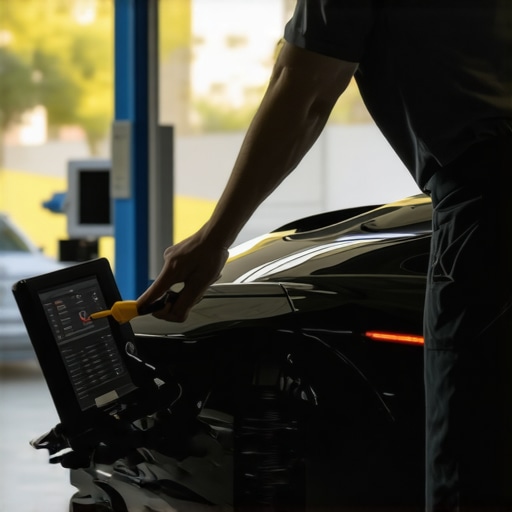
Ever experienced that sinking feeling when your car stalls unexpectedly or makes a strange noise right before a long trip? I remember the first time I ignored a minor leak, thinking it was no big deal—until my transmission hiccupped mid-commute, costing me a hefty repair bill. That moment was a wake-up call, illuminating how overlooked maintenance can secretly drain your wallet and leave you stranded when you least expect it.
The Real Cost of Ignoring Your Car’s Needs
Maintaining your vehicle isn’t just about avoiding breakdowns; it’s about **saving money in the long run** and ensuring safety. I’ve learned that a proactive approach—especially with a looming 2026 model—can prevent costly emergency fixes. In fact, regular checks can often catch issues long before they escalate, saving you hundreds or even thousands.
Are You Falling for These Common Car Maintenance Myths?
Early on, I believed that waiting for warning lights or strange sounds was enough. Turns out, proactive checks are far more effective, and delaying could cost more than just money. Did you know that neglecting simple maintenance can reduce your car’s lifespan dramatically? According to Collision Fixer, proactive maintenance can extend your vehicle’s life and performance significantly.
So, with the 2026 model on the horizon, now’s the perfect time to get ahead of potential issues. Let’s dive into the five must-have checks that will help you avoid unnecessary expenses and keep your ride running smoothly for miles to come. Ready to become your car’s best friend rather than its worst enemy? Let’s go!
Get Your Hands Dirty with a Complete Tune-Up
Start by inspecting your engine’s oil, transmission fluid, and coolant levels—these are the lifeblood of your vehicle. I once caught a low transmission fluid level in my old SUV before a road trip, which prevented a costly breakdown and kept me moving smoothly. Use a clean cloth to check the dipstick, and top up as needed with manufacturer-approved fluids. Regular oil changes and fluid checks are your first line of defense against unexpected failures. For precise steps, consult the comprehensive tune-up strategies that get your vehicle ready for years to come.
Transmission care that Boosts Performance
Your transmission is like the relay race runner of your car—if it drops the baton, your journey stalls. I improved my transmission health by changing the fluid proactively, especially with a newer, more complex transmission system. Shift through all gears with the engine running, then check for smoothness and listen for any grinding noises. If you notice hesitation or slipping, it’s time for a diagnostic—don’t wait for a breakdown. Expert diagnostics tips can help identify lurking issues early, saving you money and avoiding dangerous breakdowns.
Auto Repair Checklists You Can Do Yourself
Walk around your vehicle and look for visible damages, leaks, or loose parts. I remember tightening a loose hose clamp that prevented a minor coolant leak from becoming a major overheating problem—this quick fix kept me safe on a long drive. Check tire pressure and tread depth; underinflated tires wear faster and can be dangerous. Conduct visual inspections of brake pads and rotors—if they look worn, plan a replacement. Maintenance isn’t glamorous, but it’s essential, and many repairs are proactive steps instead of emergency fixes. For detailed guidance, explore auto repair diagnostics to understand what to look for and how to address it.
Prioritize Collision Prevention and Safety
Regularly check your lights, signals, and windshield wipers—they’re your vehicle’s communication tools. A simple bulb replacement or windshield wiper fluid top-up can prevent accidents and ensure clear visibility. I replaced my worn-out headlights using online tutorials, which dramatically improved night driving safety. Consider investing in safety features like sensors and backup cameras—these tools can prevent collisions before they happen. Collision fixing and safety upgrades aren’t just repairs—they’re investments in your protection. See collision fixes that enhance your vehicle’s safety profile without breaking the bank.
Schedule Follow-Up Maintenance for Long-Term Durability
Create a maintenance calendar based on your vehicle’s manual—set reminders for oil changes, tire rotations, and fluid replacements. I use a smartphone app to log and track these dates, preventing oversight. Stick to local, trusted service providers for inspections and repairs; they’re your partners in longevity. Avoid the temptation to postpone check-ups—proactive maintenance is the cheapest insurance against costly repairs later. For expert guidance, review car maintenance tips that keep your vehicle running at peak performance over the years.Many EV enthusiasts and seasoned mechanics alike often fall prey to misconceptions about tune-ups, transmission repairs, and overall auto maintenance. Contrary to popular belief, simply following routine procedures isn’t always enough to ensure your vehicle’s longevity. In fact, overlooking nuanced details can lead to costly mistakes down the road.
One common myth is that performing a basic oil change or replacing filters is sufficient for maintaining complex modern transmissions. However, advanced systems require more meticulous diagnostics and customized tune-up strategies. Relying solely on generic maintenance schedules might overlook critical issues lurking beneath the surface. According to auto repair experts, proactive diagnostics tailored to your vehicle model are essential for optimal performance.
Why do many car owners get duped into unnecessary repairs?
It often boils down to misinterpreting warning signs or trusting outdated advice. Many believe that postponing minor repairs won’t cause harm, but neglecting early signs like subtle transmission hesitation or irregular engine performance can escalate problems beyond repair. Additionally, there’s a misconception that collision fixing is only necessary after accidents; in reality, preventive collision prevention features require regular calibration and maintenance to stay effective. As highlighted in collisionfixer guides, proactive safety upgrades can significantly reduce crash risks.
Furthermore, advanced vehicle technology demands an integrated approach. Relying exclusively on traditional repair methods without integrating diagnostic data risks missing hidden faults. For example, diagnosing transmission issues involves more than just checking fluid levels; it requires analyzing electronic control modules and sensor data. Diagnostic techniques have evolved dramatically, and ignoring these innovations can lead you to overlook critical repair needs.
Do you know the subtle symptoms that indicate your transmission is fading? If not, you might miss early warning signs. Regularly scheduled maintenance is vital, but understanding hidden nuances—like microscopic wear or electronic anomalies—is what separates an average car owner from a true enthusiast. Implementing these advanced strategies not only saves money but also enhances safety and vehicle lifespan.
Remember, the goal isn’t just to keep the car running but to optimize its performance intelligently. Invest in expert diagnostics and stay informed about the latest repair techniques to avoid the common pitfalls. For comprehensive insights, check out transmission repair tips and stay ahead in vehicle care. Have you ever fallen into this trap? Let me know in the comments.
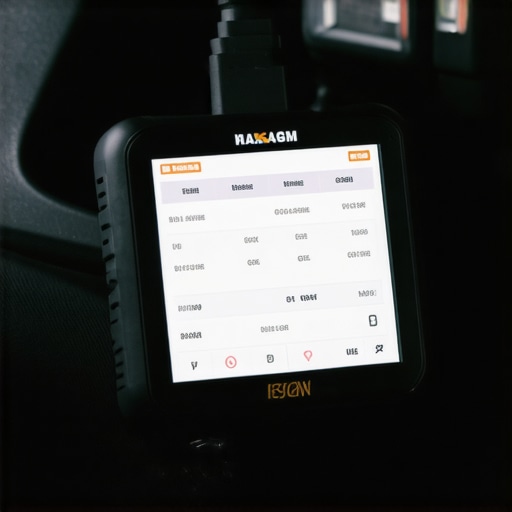
Maintaining your vehicle’s performance over the years requires more than just routine checks; it demands the right tools and a strategic approach. Having personally relied on specialized diagnostic equipment, I can attest that investing in quality tools streamlines the maintenance process and prevents costly breakdowns. High-quality code readers and diagnostic scanners, for instance, provide real-time insights into your vehicle’s electronic systems, enabling early detection of issues that might be invisible to the naked eye.
How do I maintain my vehicle’s optimal performance over time?
Regularly using advanced diagnostic tools like the Autel MaxiScan MS309 or the BlueDriver Bluetooth Professional Scanner helps identify subtle transmission faults or sensor irregularities before they develop into major problems. Coupled with software updates and manufacturer-specific troubleshooting apps, these tools give you a detailed picture of your car’s health. For example, staying current with diagnostics tips ensures your vehicle remains in peak condition, especially as components age and software evolves.
In addition to hardware, keeping an organized maintenance log—either digitally or on paper—ensures you stay on top of scheduled tune-ups, fluid changes, and inspection intervals. This proactive tracking complements the use of diagnostic tools by mapping out when specific checks or replacements are due, reducing the risk of neglect. As we move toward increasingly complex vehicle systems, integrating these technologies promises better longevity and safety.
Future trends in car maintenance tools
Expect more integration of Artificial Intelligence and machine learning in diagnostics, allowing even novice car owners to assess their vehicle health accurately. Apps that connect your smartphone directly to vehicle sensors will become more sophisticated, offering predictive maintenance alerts based on driving patterns. This evolution will empower you to act swiftly, avoiding breakdowns and extending your vehicle’s lifespan.
To harness these advancements, consider trying out advanced diagnostic apps and having a dedicated toolkit for routine inspections. Implementing these tools now will not only save you money but also prepare you for the future landscape of car care. Don’t overlook the importance of precision diagnostics—every minute saved on early detection translates into significant savings and heightened safety. Why not start today by exploring the latest diagnostic techniques and see how they can revolutionize your maintenance routine?
Over the years, I’ve learned that the true value in maintaining your vehicle isn’t just about routine checks—it’s about uncovering the little-known lessons that can dramatically extend your car’s lifespan and reliability. These insights often come from hands-on experience and a willingness to question common myths, leading to smarter decisions and fewer costly surprises on the road.
Lessons That Changed How I View Auto Care Forever
- One that stands out is realizing that modern transmission systems demand diagnostic precision beyond simple fluid checks. Relying solely on traditional methods can leave hidden issues unnoticed, which might blow up into major repairs later. Embracing advanced diagnostic tools and expert advice has been a game-changer for me.
- Another revelation was understanding that safety upgrades and collision prevention features need regular calibration—neglecting these subtly increases risk. Routine inspections and proactive maintenance of sensors and lights are not just chores; they are safety essentials that can prevent accidents before they happen.
- Lastly, the myth that postponing minor repairs won’t cost much? That can be a costly misconception. Early detection of issues like transmission hesitation or minor leaks is crucial. Investing in regular check-ups and trusting in specialized diagnostics can save you a fortune and keep your car in peak condition for years.
Tools and Reads That Elevated My Car Care Game
- Auto Repair Tips by Collision Fixer: A comprehensive resource that combines expert advice with real-world scenarios, helping me understand what maintenance truly matters.
- Tune-Up Strategies for Peak Performance: This guide kept me on top of essential routines suited for modern vehicles, especially as models become more advanced.
- Diagnostic Techniques for 2025: Staying informed about the latest diagnostic tools has allowed me to catch issues early, saving money and enhancing safety.
- Why Your 2026 Service Costs More: Understanding upcoming trends pushes me to adopt preventive measures now, ensuring smoother transitions into the future and avoiding inflated costs.
Your Drive Toward Smarter Maintenance Starts Today
Taking control of your vehicle’s health is a journey worth embarking on. Armed with the right knowledge and tools, you can prevent breakdowns, reduce expenses, and enjoy safer drives. Don’t wait for warning lights or strange noises—start implementing proactive care now and transform your car ownership experience.
What’s the first step you’re willing to take towards smarter auto maintenance? Share your goals below—I’d love to hear how you plan to stay ahead on the road!
![Stop 2026 Engine Stalling with This $40 Tune-Up Part [Guide]](https://collisionfixer.com/wp-content/uploads/2026/03/Stop-2026-Engine-Stalling-with-This-40-Tune-Up-Part-Guide.jpeg)
![Is Your 2026 Engine Tune-Up Killing Your Battery? [Checklist]](https://collisionfixer.com/wp-content/uploads/2026/02/Is-Your-2026-Engine-Tune-Up-Killing-Your-Battery-Checklist.jpeg)