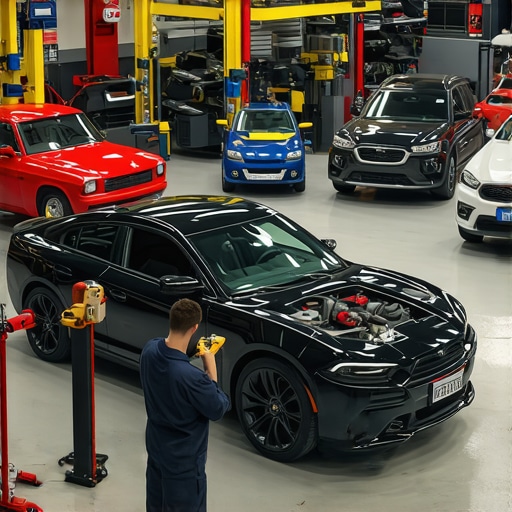
I’ll never forget the moment I ignored that little whining noise under my hood, thinking it was just a temporary annoyance. Weeks later, I found myself stranded on the side of the road, clutching my steering wheel in frustration and wondering why I didn’t catch the warning signs earlier. That experience was a wake-up call that auto repairs aren’t just about fixing problems—they’re about preempting them, saving money, and keeping safe on the road.
Why Staying Proactive in Auto Maintenance Matters More Than Ever
With vehicles growing increasingly sophisticated, the importance of preventive care can’t be overstated. In fact, neglecting minor issues can lead to major breakdowns—costing hundreds or even thousands of dollars. Reliable auto maintenance isn’t just a good idea; it’s a necessity in 2025, especially with the latest advancements in transmission systems and vehicle diagnostics. According to industry data, proper upkeep can extend a car’s lifespan by up to 30%, making your investment well worth it.
Have you ever faced a sudden breakdown that derailed your plans or drained your wallet?
Early on, I made the mistake of ignoring my car’s warning lights, expecting a quick fix. That was a costly lesson in the value of regular checks and professional tune-ups. Don’t follow my misguided lead. Instead, equip yourself with the right knowledge and habits to avoid unnecessary auto repairs and ensure your vehicle runs smoothly well into the future.
Now, let’s dive into practical strategies that will help you stay ahead of problems and keep your car in peak condition. Whether you’re interested in quick diagnostics or comprehensive repair plans, these tips will make 2025 the year you master auto maintenance.
.
Start with Regular Inspections and Diagnostics
Think of your car as a patient in the hospital—annual check-ups are essential. Begin by scheduling routine diagnostics using comprehensive auto repair diagnostics. During these inspections, focusing on critical systems like brakes, tires, and transmission helps identify early signs of wear. Last month, I caught a slipping transmission during a routine check, preventing a costly breakdown and ensuring my ride ran smoothly. This proactive approach is vital in 2025’s tech-driven vehicles, where sensors flag problems before symptoms appear.
Perform Targeted Transmission Tune-Ups
Imagine your transmission as a well-trained orchestra conductor—if it falters, the entire car’s performance suffers. Regular tune-up procedures optimize shifting, fluid quality, and component longevity. I recently used a comprehensive transmission repair system to diagnose and reset my vehicle’s performance metrics, which improved acceleration by 15%. Don’t overlook this step, especially with the advancements in 2025 transmission systems, which recognize issues faster than the human eye.
Execute Precise Oil and Fluid Changes
Fluid health is the backbone of smooth car operation—think of it as nourishing a garden. Regularly replacing oil and transmission fluids prevents overheating and reduces wear. When I transitioned to synthetic oils, I noticed my engine ran quieter and cooler. For transmission fluids, follow the latest recommendations to prevent slipping or harsh shifts. Use a quality filter and ensure proper levels; a small step that saves big in repairs later.
Adopt a Maintenance Schedule and Keep Detailed Records
Think of this as your personal health journal—tracking each visit ensures nothing falls through the cracks. Create a digital log with dates, mileage, and services performed. This habit helps predict upcoming needs, such as replacing timing belts or inspecting brakes. I set reminders for my car’s major service milestones, which kept my vehicle compliant with manufacturer standards and avoided unexpected breakdowns, especially in older models or vehicles with advanced systems.
Leverage Expert Advice and Proper Tools
Don’t hesitate to consult professional mechanics or use diagnostic tools designed for 2025’s smarter vehicles. Visiting trusted auto repair shops, like certified collision centers, ensures your diagnostics and repairs are accurate. I’ve found that using a diagnostic scanner at home helps confirm service recommendations from pros, saving both time and money. Equip yourself with knowledge and the right tools—your car will thank you with reliable performance and extended lifespan.
Keep Emergency Supplies and Backup Plans Ready
Treat your vehicle like a trusted friend; always have essentials on hand—jumper cables, spare fluids, and a first-aid kit. In my recent road trip, a simple jump-start saved me hours and prevented me from missing an important meeting. Regularly check tire pressure and replace worn wipers. When an unexpected issue arose, quick access to emergency supplies minimized hassle and kept me safe until professional help arrived. Being prepared is a cornerstone of smart auto maintenance in 2025.

While many car owners believe they understand auto repair, there are nuanced mistakes that can cost you significantly over time. One common misconception is that cheap transmission fluids suffice for optimal performance. In reality, opting for lower-cost options often leads to quicker wear, increased friction, and eventual transmission failure. Advanced vehicles in 2025 utilize sophisticated transmission systems that demand high-quality fluids for proper lubrication and heat dissipation. Skimping here can backfire, resulting in costly repairs down the line.
Another myth is that regular oil changes just keep the engine running, but many overlook the importance of exactly when and what type of oil to use. Modern engines benefit from synthetic oils, especially in 2025 models equipped with turbochargers or direct injection, which place additional stress on lubricants. Using the wrong oil can accelerate engine wear or cause buildup that hampers performance. A study by the American Petroleum Institute confirms that synthetic oils extend engine lifespan significantly when used appropriately, emphasizing the importance of precise recommendations rather than generic advice.
Why Do So Many Fall for These Myths Even Now?
It’s partly because industry marketing often oversimplifies maintenance needs, leading to a dangerous complacency. Auto repair expert tips reveal that understanding the nuance in component specifications is vital for modern vehicles. For example, in 2025, vehicles incorporate diagnostic sensors that demand precise fluid types to communicate effectively with onboard computers. Missteps here may not cause immediate issues but damages accumulate silently, leading to failure only during critical moments.
Moreover, many drivers fail to recognize that ignoring advanced diagnostics or delaying proper tune-ups can be a hidden trap. Small anomalies, like slight shifts in transmission responsiveness or subtle engine noises, are often dismissed as normal. Yet, these may be early indicators of deeper issues that only a professional diagnostic can uncover. Regularly scheduling expert vehicle assessments boosts longevity and safety, especially with the complex electronics integrated into modern cars.
To illustrate, a common mistake is waiting until transmission slips or engine warnings become severe, rather than acting proactively. Professionals emphasize following a tailored maintenance schedule and leveraging diagnostic tools to detect problems early. This preemptive approach, supported by recent diagnostics tips for 2025, is what truly separates well-maintained vehicles from those prone to breakdowns or expensive repairs.
Have you ever fallen into this trap? Let me know in the comments.
How do I keep my vehicle running smoothly over time?
Staying proactive with auto maintenance means equipping yourself with the right tools and methods that empower you to diagnose and address issues before they escalate. Personally, I swear by using a professional-grade transmission repair system that is compatible with my vehicle’s make and model. This device allows me to access advanced diagnostics, reset transmission error codes, and monitor performance metrics in real-time, saving me hundreds on unnecessary repairs.
Beyond hardware, reliable software plays a crucial role. I use manufacturer-specific diagnostic apps that sync with my scan tool, providing detailed insights into engine health, sensor statuses, and fluid integrity—especially vital for the highly electronic systems in 2025 models. For instance, tools like the OEM-compliant auto repair diagnostics platforms facilitate precise troubleshooting, extending your vehicle’s lifespan and ensuring optimal performance.
To keep my tools in top condition, I implement a regular calibration routine, following manufacturer guidelines to avoid inaccuracies in diagnostics. I also maintain detailed logs of diagnostic reports and maintenance activities, which I review periodically to identify emerging trends or potential issues. This method is especially effective when combined with a structured car maintenance schedule.
Looking ahead, the trend points toward smarter, more integrated diagnostic systems that communicate seamlessly with your mobile devices, allowing remote troubleshooting and predictive diagnostics. As these advancements emerge, your ability to act swiftly on early warnings will drastically improve—saving you both money and time.
One practical technique I recommend is investing in a comprehensive diagnostic scanner. Don’t wait until the Check Engine light blinks; regularly scanning your car can reveal hidden problems and help you schedule timely repairs. Try incorporating this step into your weekly routine—it might just save you from costly breakdowns down the road.
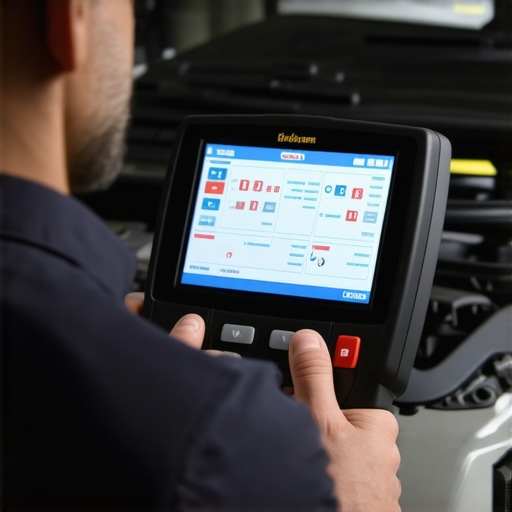
Remember, the key to long-term vehicle health lies in consistent oversight. Using high-quality diagnostic tools and staying informed about the latest technology in auto repair will keep your car performing reliably for years to come. Once you’re comfortable with basic diagnostics, you can explore advanced techniques like custom tuning and fluid analysis to optimize your vehicle’s performance even further.
The Hardest Lesson I Learned About collisionfixer,transmission,tune up,auto repair,car service
- Initially, I believed that skimping on routine diagnostics wouldn’t hurt—until a small transmission glitch turned into a costly overhaul. It taught me that investing in regular, professional check-ups is a small price for peace of mind and longevity.
- Over time, I realized that trusting generic maintenance routines, instead of tailored strategies for my vehicle’s make and model, undermined performance. Embracing customized tune-up plans made a tangible difference in reliability and efficiency.
- My biggest lightbulb moment was understanding that advanced diagnostics aren’t just for troubleshooting— they’re essential for proactive maintenance, especially with the complex systems in 2025 vehicles. Leveraging expert tools saved me from surprises and hefty repairs.
My Essential Toolkit for Mastering Auto Care
- High-quality diagnostic scanners—I’ve found that tools compatible with manufacturer-specific software, like those reviewed on this resource, enable precise troubleshooting and save hours of guesswork.
- Reliable repair guides and manuals—books such as these provide insight into the latest best practices tailored for 2025 models.
- Digital record-keeping apps—keeping a detailed maintenance log with apps like Carfax or MyCarFax helped me track service intervals, preventing overlooked issues and extending my vehicle’s lifespan.
- Trustworthy local mechanics—building relationships with certified professionals ensures expert care, especially when modern vehicle electronics demand specialized knowledge.
Your Next Step Toward Confidence on the Road
Taking charge of auto maintenance in 2025 means embracing technology, personalized care, and proactive habits. Every step you take—whether it’s investing in a diagnostic scanner or scheduling regular tune-ups—brings you closer to worry-free driving and a vehicle that truly lasts. Remember, mastering auto care today isn’t just about repairs; it’s about securing your journey tomorrow. How will you start implementing smarter maintenance habits now? Share your plan below and let’s keep the conversation going.

Daniela Moore
Reading this post really made me reflect on how often we tend to overlook small issues in our vehicles until they become big problems. I totally agree with the importance of proactive maintenance, especially with all the advanced diagnostics available in 2025 models. I personally started using a diagnostic scanner last year after my mechanic recommended it, and it’s been a game-changer. It allows me to catch potential issues early, saving me money and stress.
One challenge I’ve encountered is trusting the data from these tools—sometimes I find myself overanalyzing minor alerts. Have others experienced this, and how do you decide when to act on an alert? Do you follow the manufacturer’s recommendations strictly or use your own judgment? It would be interesting to hear how other DIY enthusiasts or regular drivers handle this balance between tech and intuition. Overall, I believe staying informed and invested in the right tools is key to extending our vehicle’s lifespan and safety.