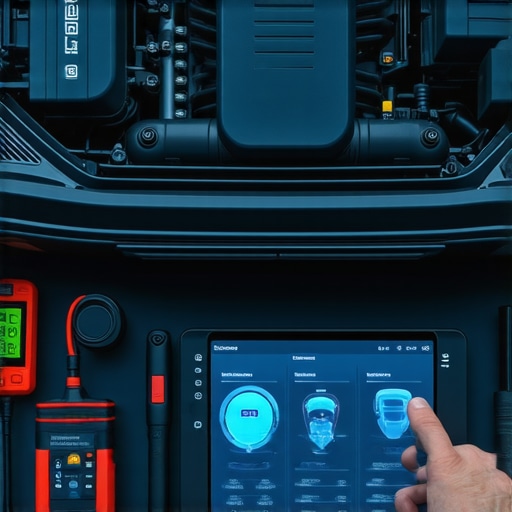
Ever had that sinking feeling in your stomach when your car sputters or refuses to start just when you need it most? I’ve been there—stuck on the side of the road, frustrated and wondering if I’d overlooked some simple maintenance. That light bulb moment hit me hard: I realized that staying ahead of my car’s needs wasn’t just about fixing problems as they arise, but about proactive care. In today’s fast-evolving automotive landscape, especially with 2025 around the corner, understanding key auto repair and diagnostic strategies can make all the difference in keeping your vehicle running smoothly.
Why Staying Ahead Matters More Than Ever
Our vehicles are smarter, more complex, and more integral to our daily lives than ever before. But here’s the catch: many of us still tend to react to issues, rather than prevent them. That approach can lead to costly repairs and unsafe situations. Trust me, I’ve made the mistake of ignoring that subtle engine noise or delayed transmission service, only to pay a hefty price later. Early diagnostics and regular maintenance aren’t just recommendations—they’re essentials for ensuring safety, longevity, and peak performance in 2025. And the good news? It’s easier than you think to get started with the right strategies.
Is DIY Auto Diagnostics Actually Worth the Hype?
One of my biggest skepticsm was whether I could truly diagnose my car’s issues without a garage full of tools or a mechanic’s expertise. Turns out, with the right knowledge, I could catch many problems early, saving me both time and money. For example, simple checks like monitoring fluid levels or scanning for error codes can reveal underlying issues before they escalate. I once ignored a slight hesitation in my engine, thinking it was just a rough drive—only to find out later it was a small sensor malfunction that could have been fixed early on. That’s why I recommend learning basic diagnostic techniques, which you can do by reading trusted guides and tips, like those available at Auto Repair Diagnostics Tips for Better Car Performance 2025.
What’s Next? Practical Steps to Keep Your Car in Top Shape
Now that I’ve shared my experience, let’s dive into practical steps you can take today to ensure your vehicle’s peak performance come 2025. From regular oil changes and transmission tune-ups to advanced diagnostics, staying proactive is the key. If you want to get a head start, consider exploring comprehensive guides and expert tips that can help you master auto diagnostics and maintenance. Ready to keep your ride smooth and safe? Stay tuned—there’s plenty more to discover about how to optimize your car’s health and performance in the coming year.
Start with Regular Visual Inspections
Think of your car as a patient before a check-up. Every month, spend 10 minutes inspecting your tires, fluid levels, belts, and hoses. Look for cracks, leaks, or wear. During one inspection, I noticed a small crack in my radiator hose. Catching it early prevented a costly breakdown. Keep a checklist and note any irregularities to address promptly.
Leverage Onboard Diagnostics and Scan Tools
Modern cars are like smartphones—they store error codes that tell you what’s wrong. Purchase a reliable OBD-II scanner, which costs less than a service visit. I used one after noticing my check engine light flicker. The scanner revealed a misfire in cylinder 3. A quick reset and a new spark plug fixed the issue, saving me hundreds. Regular scans help you catch issues before they escalate.
Learn Basic Code Interpretation
Understanding error codes like P0303 helps you diagnose problems. Use online resources to decode these codes and determine if a simple fix like replacing a sensor or spark plug will do the trick. This skill empowers you to decide whether a repair is manageable or needs professional attention.
Perform Routine Maintenance to Prevent Major Failures
Think of maintenance as regular exercise for your vehicle. Change your oil every 5,000 to 7,500 miles, as recommended. I once delayed an oil change and ended up with a clogged filter that affected engine performance. Follow the manufacturer’s schedule and keep records. Don’t forget to check and replace air filters and cabin filters to keep the air clean and improve efficiency.
Pay Attention to Fluid Quality and Levels
Fluids are the lifeblood of your car. Regularly check oil, coolant, brake, and transmission fluid levels. Use a clean cloth to wipe dipsticks and ensure fluids are at the correct levels and free of debris. I caught a low transmission fluid level that was causing shifting delays, and topping it up restored smooth operation.
Inspect and Maintain Your Transmission System
Your transmission is like the heart of your vehicle. Keep it healthy by following specific maintenance strategies. Regular transmission fluid changes, typically every 30,000 to 60,000 miles, are vital. I learned this the hard way when ignoring transmission care led to costly repairs. For detailed techniques, explore transmission tune-up strategies.
Monitor Tire Pressure and Tread Depth
Low tire pressure reduces fuel efficiency and can be dangerous. Use a reliable tire pressure gauge monthly, maintaining pressure as per your vehicle’s specifications. Check tread depth with a penny; if the tread is worn, replace the tires. I once ignored a slow leak until a blowout occurred on the highway. Regular checks save you from emergencies and improve handling.
Stay Informed About Recall and Service Bulletins
Manufacturers issue recalls for safety and performance issues. Visit recalls and service bulletins regularly. I found out about a recall on my vehicle’s airbag system online, and getting it fixed at no cost was a relief. Staying updated ensures your vehicle remains safe and compliant.
Schedule Professional Inspections Periodically
While DIY checks are essential, professional inspections catch what you might miss. At least once a year, have a trusted mechanic perform a comprehensive diagnostic. They can identify hidden issues and perform software updates, especially for advanced systems in 2025 models. This proactive step can extend your vehicle’s lifespan and performance.
Many car owners believe they know everything about auto diagnostics, but in reality, some of the most widespread misconceptions can lead to costly mistakes. Let’s dig deeper into the nuances that often go unnoticed. One common myth is that DIY diagnostics can replace professional inspections entirely. While basic checks like reading error codes with an OBD-II scanner are incredibly useful, they aren’t a substitute for comprehensive professional diagnostics, especially with the increasing complexity of 2025 vehicle systems. According to automotive experts, neglecting professional tune-ups can cause hidden issues to escalate, ultimately shortening your car’s lifespan. For instance, a simple check engine light might hide a sensor malfunction that only a trained technician can accurately diagnose and repair. For more advanced insights, explore auto repair diagnostics tips for 2025.
Choosing the Right Diagnostic Tools for Long-Term Maintenance
Investing in high-quality diagnostic tools is crucial if you want to keep your vehicle running smoothly over the years. I personally rely on a reliable OBD-II scanner like the Autel MaxiScan MS300 because it offers quick code reading and clearing, making routine diagnostics straightforward. This device helps me identify issues early, especially with complex systems in 2025 models, saving me costly repairs down the line. As vehicle electronics become more sophisticated, having a trusted scanner that updates regularly is essential for accurate diagnostics and proactive maintenance. For a deeper dive into choosing the best tools, check out auto repair diagnostics tips for 2025.
Software Solutions That Make Maintenance Easier
Beyond hardware, software tools have become game-changers in vehicle upkeep. I recommend using applications like OBDeleven or FIXD, which sync with your smartphone and provide real-time data on your car’s health. These apps analyze error codes, monitor sensor readings, and even suggest maintenance schedules tailored to your vehicle. I’ve found that integrating these tools into my routine helps me stay ahead of potential issues, especially with the increasing complexity of automotive systems. As cars evolve, so does the necessity for software that can interpret data accurately and help plan repairs proactively. In the future, I foresee AI-driven diagnostics becoming standard, further simplifying long-term maintenance. For detailed insights, explore auto repair diagnostics tips for 2025.
Methodical Maintenance Keeps Your Car Running Smoothly
Maintaining your vehicle isn’t just about fixing problems but about adhering to a disciplined schedule. I personally keep a detailed log of oil changes, fluid replacements, and inspections. Regularly checking and topping off fluids—like coolant, brake fluid, and transmission oil—prevents minor issues from becoming major failures. Using a quality lubricant like Mobil 1 synthetic oil has consistently improved engine performance and longevity in my experience. Remember, in 2025, vehicle systems will rely heavily on sensor accuracy, making preventive measures more vital than ever. Scheduling professional inspections periodically ensures that hidden issues are caught early. For comprehensive strategies, visit top auto repair car service tips for 2025.
How do I maintain my vehicle’s electronics and sensors over time?
Maintaining your vehicle’s electronics involves regular software updates and sensor calibration. I recommend visiting a qualified mechanic who can perform software updates, especially for advanced driver-assistance systems (ADAS). Additionally, keeping sensors clean and free of debris ensures accurate readings, which are vital for safety features. Using a soft cloth and mild cleaner periodically prevents dirt buildup. As technology advances, expect integrated diagnostic systems to alert you about sensor degradation or software obsolescence, making professional check-ups more crucial than ever. For more insights, see auto repair diagnostics tips for 2025.
Scaling Your Maintenance Routine for Future Vehicles
As vehicles become more connected and automated, scaling your maintenance approach involves embracing new tools and techniques. I plan to adopt AI-driven diagnostic platforms that analyze data from your car’s network in real-time. These systems will not only predict failures but suggest optimal maintenance windows, reducing downtime and costs. Additionally, integrating telematics and remote diagnostics will become standard, allowing for proactive maintenance without visiting a garage. Preparing today by investing in adaptable tools and learning about emerging technologies ensures your vehicle remains in top shape in 2025 and beyond. For advanced insights, explore top auto repair car service tips for 2025.
Take Action: Try Out a Diagnostic App Today
Start your journey by downloading a trusted diagnostic app like FIXD or OBDeleven. Use it to scan your vehicle and interpret error codes. This simple step can reveal potential issues early and help you understand your car’s health better. Regular use of these tools will empower you to handle minor repairs yourself and know when to seek professional help. As vehicle electronics become more integrated, mastering these diagnostic techniques will keep your car running reliably for years to come. Don’t wait—try out one of these apps today and experience the peace of mind that comes with proactive maintenance!
The Hardest Lesson I Learned About Car Maintenance
One of my biggest realizations was that ignoring small warning signs often leads to costly repairs later. I once dismissed a faint squeal during acceleration, only to face a major transmission overhaul months later. That taught me to trust my instincts and stay proactive with diagnostics.
3 Myths About DIY Auto Diagnostics That Held Me Back
Initially, I believed that only professionals could accurately diagnose car issues. However, I discovered that with the right tools and knowledge, I could catch many problems early, saving time and money. Learning basic code interpretation and regular scans made a huge difference in my vehicle’s health.
What Experts Won’t Tell You About Vehicle Maintenance
Many assume that regular oil changes alone keep a car in top shape. But modern vehicles, especially with 2025 models, require attention to electronic systems, sensors, and software updates. Staying informed about recall notices and using professional diagnostics when needed can prevent hidden issues from escalating.
My Essential Toolkit for Auto Diagnostics and Maintenance
For me, investing in a reliable OBD-II scanner like the Autel MaxiScan MS300 was a game-changer. It provides quick error code readings, helping me identify issues early. Additionally, smartphone apps like FIXD or OBDeleven have made monitoring my car’s health easy and accessible. These tools have empowered me to perform routine checks confidently and efficiently.
Where to Go from Here
If you’re serious about keeping your vehicle in peak condition for 2025, start integrating regular visual inspections, use diagnostic tools, and stay updated on recalls. Combining DIY skills with periodic professional check-ups creates a robust maintenance routine that can save you thousands over the vehicle’s lifespan. Explore further insights at Auto Repair Diagnostics Tips for Better Car Performance 2025. Now, it’s your turn—what’s the first diagnostic step you plan to try on your vehicle?