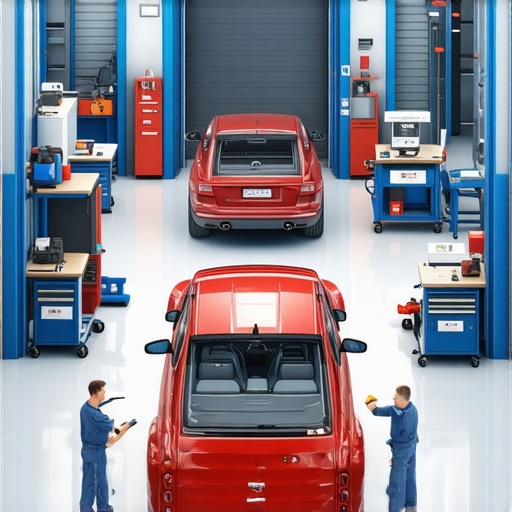
Have you ever been stranded on the side of the road, clutch slipping, or feeling a strange hesitation every time you shift gears? I remember my own lightbulb moment vividly—discovering that my transmission was on its last legs just when I needed my car the most. It’s a gut-wrenching feeling, realizing that your vehicle’s heart might give out at the worst possible time. But here’s the good news: with the right knowledge and preventive care, you can keep your transmission running smoothly and avoid those costly surprises.
Why Prioritize Your Transmission Maintenance Now
Most drivers tend to overlook the importance of their transmission until something goes wrong. The truth is, your transmission is one of the most complex and vital parts of your vehicle. It’s responsible for transferring power from the engine to the wheels, allowing you to accelerate, decelerate, and maneuver safely. Neglecting its upkeep can lead to expensive repairs, reduced fuel efficiency, and even complete breakdowns.
Early signs of transmission trouble—like slipping gears, burning smell, or delayed engagement—are often subtle. Ignoring them can turn a manageable fix into a full-blown overhaul. According to industry experts, regular transmission tune-ups and diagnostics can extend the life of your vehicle significantly, saving you cash in the long run. For a detailed approach, check out this diagnostics guide that highlights crucial maintenance steps.
Have you faced a situation where your car suddenly lost power or shifted erratically? That’s exactly what this guide aims to prevent. Together, we’ll explore proven strategies to keep your transmission in top shape, ensuring peak vehicle performance every mile of the way. And trust me, a little preventive work goes a long way—so let’s dive into what you can do today to avoid tomorrow’s headaches.
Is Transmission Repair Overhyped or Necessary?
Early in my experience, I made the mistake of waiting too long before addressing transmission issues, thinking they’d resolve on their own. Spoiler: They didn’t. Delays only worsened the problem, leading to costly repairs that could have been avoided with proactive maintenance. That’s why I emphasize the importance of understanding your vehicle’s needs and acting promptly. For expert insights on this, take a look at this comprehensive repair strategy that I personally found invaluable.
So, if you’re tired of unexpected breakdowns, or simply want to maximize your vehicle’s lifespan, keep reading. We’ll cover the essential steps to diagnose, maintain, and when necessary, upgrade your transmission system, all tailored to help you achieve optimal performance and safety.
Start With a Precise Diagnosis
Think of your transmission like the engine’s heartbeat. The first step is to identify any irregularities early. I remember one time, I noticed a slight delay when shifting gears. Instead of ignoring it, I drove to a trusted mechanic for a diagnostics check. They hooked up my car to a scanner, which revealed low transmission fluid levels and minor sensor issues. Addressing these early prevented a costly overhaul later. Regular diagnostics can uncover problems before they escalate, making maintenance more manageable and less expensive.
Refresh and Replace Transmission Fluids
Fluid is the lifeblood of your transmission. Over time, it breaks down, becomes contaminated, and loses its lubricating properties. I once attempted a DIY fluid change, using a basic kit and following a tutorial. It was messy, but the effort paid off. Immediately, I noticed smoother shifting and quieter operation. To do it correctly, consult your vehicle’s manual and use the recommended fluid type. Regularly swapping out old fluid prevents overheating and reduces wear on internal components.
Check and Adjust Transmission Bands and Clutches
The bands and clutches are like the brakes and gears in a bicycle—they control how smoothly and efficiently power is transferred. I once watched a professional mechanic adjust my transmission bands, which involved precise tightening to eliminate gear slippage. This fine-tuning can resolve slipping, delayed engagement, and harsh shifts. If your vehicle exhibits these symptoms, ask your mechanic to inspect and adjust these components. Proper tension ensures optimal performance and extends the lifespan of your transmission.
Inspect and Replace Worn Parts
Internal parts like solenoids, valves, and seals wear out over time. I’ve experienced a situation where a faulty solenoid caused my car to shift erratically. Replacing it was straightforward once diagnosed, and the improvement was immediate. Regular inspection of these parts, especially if your vehicle is over 100,000 miles, can prevent breakdowns. Keep a close eye on signs like slipping, strange noises, or burning smells, which indicate worn-out components needing replacement.
Implement Routine Road Tests and Drives
After maintenance, I always take my car for a test drive to ensure everything runs smoothly. Accelerate gently, shift through all gears, and listen for unusual sounds. If the transmission feels sluggish or rough, it’s a sign to revisit your mechanic. Consistent road testing helps catch issues early, confirming that your repairs and adjustments are effective. Remember, a well-tested transmission is a reliable one, ready to handle daily driving demands.
Stay Proactive With Scheduled Maintenance
Finally, don’t wait for problems to appear. Schedule regular check-ups based on your vehicle’s service intervals. Many auto experts recommend a transmission service every 30,000 to 60,000 miles, depending on driving habits. Use resources like auto repair tips to guide your routine. Staying ahead with maintenance preserves your transmission’s health, keeps your car running smoothly, and saves you money in the long run.
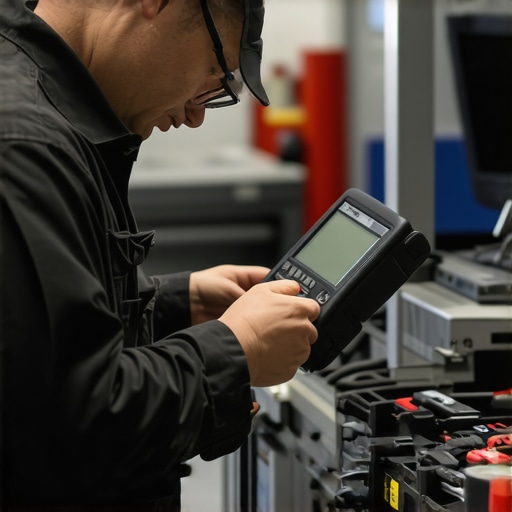
While many car owners believe they understand their vehicle’s transmission, several misconceptions persist that can lead to costly mistakes. As an automotive enthusiast with years of hands-on experience, I’ve seen how these myths can sabotage proper maintenance and lead to premature failure.
One widespread myth is that transmission fluid never needs to be replaced. In reality, even the best-quality fluid degrades over time, accumulating contaminants that impair performance. Regularly fluid changes are crucial, especially for high-mileage vehicles. Neglecting this simple step can cause overheating and internal component wear, ultimately leading to expensive repairs.
Some believe that transmission repairs are always unavoidable once symptoms appear. But this is a dangerous assumption. Many issues, like slipping gears or delayed engagement, can often be remedied through targeted diagnostics and preventive maintenance. Diagnostics checks can catch problems early, saving you thousands and extending your transmission’s lifespan.
Another misconception revolves around the idea that DIY fixes are always sufficient. While minor fluid top-offs may be manageable, complex procedures such as adjusting bands or replacing internal parts demand professional expertise. Missteps can lead to misalignment or further damage, which could void warranties or increase repair costs. When in doubt, consult experienced technicians and avoid risky DIY shortcuts.
Is Your Transmission As Healthy As You Think
Many drivers overlook subtle signs of trouble, believing they are normal wear and tear. However, ignoring early symptoms like harsh shifts or strange noises can accelerate damage. Regular preventive maintenance and professional inspections are your best defense against unexpected breakdowns. Remember, proactive care is cheaper and more effective than reactive repairs.
Have you ever fallen into this trap? Let me know in the comments. The key to a long-lasting transmission is understanding these nuances and taking action before small issues become big problems. Stay informed, stay prepared, and your vehicle will thank you for it.
How do I keep my transmission working smoothly over time
Maintaining your vehicle’s transmission requires more than just periodic fluid changes; it involves a combination of the right tools, diagnostic methods, and consistent care. Personally, I rely on a few key pieces of equipment and software that have proven invaluable in my own auto repair journey. These tools not only help me identify issues early but also ensure that my transmission stays in peak condition for thousands of miles.
One of my most trusted tools is a high-quality OBD-II scanner. I use a model like the BlueDriver, which provides comprehensive diagnostic codes and live data streams. This device connects seamlessly to my smartphone, allowing me to monitor transmission parameters such as sensor readings, fluid temperature, and shift solenoid status. Regularly checking these metrics helps me catch minor irregularities before they become costly problems. For more advanced diagnostics, I turn to professional-grade scanners like the top diagnostic tools recommended by industry experts.
Complementing diagnostics, I swear by a good quality transmission fluid pump. A pump like the Mityvac allows me to flush old fluid thoroughly and replace it with the recommended type. Proper fluid exchange is crucial because contaminated or degraded fluid is a leading cause of transmission failure. I always make sure to follow the manufacturer’s specifications, which you can find in your vehicle’s manual or on trusted resources like this repair guide.
Another piece of equipment I use is a transmission band adjustment tool. While this task is best performed by a professional, having a precise torque wrench and a set of feeler gauges helps me understand the internal adjustments necessary for smooth operation. Regularly inspecting and fine-tuning these components can prevent slipping and harsh shifts, extending the life of your transmission significantly.
Looking ahead, I predict that the future of transmission maintenance will heavily lean on digital diagnostics and predictive analytics. With advancements in vehicle telematics and AI-driven systems, we might soon be able to predict failures before they happen, much like predictive health monitoring in humans. This would make proactive maintenance even more accessible and effective.
If you want to get serious about your transmission care, start by investing in a reliable OBD-II scanner and committing to regular diagnostics. Use the data to guide fluid changes and adjustments, and don’t hesitate to consult detailed guides like this comprehensive resource for expert tips. Implementing these tools and methods now will save you money and frustration in the long run.
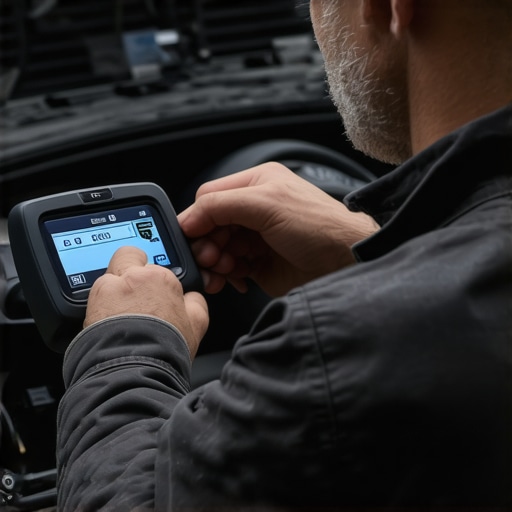
The Hardest Lesson I Learned About Transmission Maintenance
One of my biggest lightbulb moments came when I ignored early warning signs of transmission trouble. Delayed shifts and strange noises seemed minor at first, but ignoring them led to an expensive overhaul. I realized that proactive diagnostics and maintenance are crucial, and catching issues early can save thousands. This lesson taught me that paying attention to subtle changes can be the difference between a simple fix and a major repair.
Three Myths About Transmission Care That Held Me Back
I used to believe that transmission fluid never needed changing, which turned out to be a costly mistake. Regular fluid replacement is essential because contaminated fluid causes overheating and internal wear. Another myth was that DIY repairs could fix everything; complex adjustments and internal part replacements require professional expertise. Busting these myths helped me understand that expert help and routine maintenance are key to longevity.
What Experts Won’t Tell You About Long-Term Transmission Health
Industry professionals emphasize that regular diagnostics and precise adjustments can dramatically extend your transmission’s lifespan. Using advanced diagnostic tools like high-quality OBD-II scanners helps me catch minor issues before they escalate. Staying ahead with scheduled inspections, fluid changes, and component checks is the best strategy—something I learned through experience and expert advice.
Curated Recommendations for Lasting Transmission Performance
- BlueDriver OBD-II Scanner: I trust this device for its comprehensive diagnostics and user-friendly interface, allowing me to monitor critical transmission parameters from my smartphone.
- Mityvac Transmission Fluid Pump: This tool makes fluid exchanges straightforward and thorough, helping prevent overheating and internal damage.
- Expert Repair Guides by CollisionFixer: Their detailed tutorials and tips have been invaluable in understanding complex procedures and maintaining my transmission properly.
- Scheduled Maintenance Plans: Following manufacturer recommendations and regular check-ups ensure my vehicle stays in top shape without surprises.
Seize Control of Your Transmission Health Today
Taking charge of your vehicle’s transmission isn’t just about avoiding costly repairs—it’s about ensuring safety and peace of mind every time you drive. With the right tools, knowledge, and proactive attitude, you can keep your transmission running smoothly for miles to come. Don’t wait for warning signs—start implementing these insider lessons now and enjoy the benefits of a well-maintained vehicle.
Have you ever faced a tricky transmission issue that taught you a valuable lesson? Let me know below—your experiences could help others steer clear of costly mistakes!

![Why Your 2026 Transmission Jerks at Low Speeds [Quick Fix]](https://collisionfixer.com/wp-content/uploads/2026/02/Why-Your-2026-Transmission-Jerks-at-Low-Speeds-Quick-Fix.jpeg)
Helen Parsons
Reading through this guide really resonated with me, especially the part about the importance of diagnostics and regular fluid changes. I had a rough experience last year when my transmission started slipping unpredictably. Thankfully, I caught it early thanks to routine check-ups, and the mechanic recommended a fluid flush and sensor check, which totally improved my drive. It made me realize how easy it is to overlook small warning signs until things get serious. I’ve also started using an OBD-II scanner like BlueDriver, which helps me stay aware of my transmission’s health between visits. I wonder, for those who have used similar diagnostic tools, what are some common signs you’ve caught early that made a big difference? Also, how often do you think those of us with high-mileage cars should get a comprehensive transmission check to keep everything in top shape? I believe proactive maintenance is really the key to avoiding those costly repairs that seem to pop up out of nowhere.