It was a chilly morning when I finally faced the harsh reality — my car sputtered to a halt on the highway, leaving me stranded. That moment of frustration and helplessness was a clear wake-up call: neglecting proper auto maintenance can turn a smooth ride into a roadside nightmare. I realized then that understanding essential auto repair and diagnostics tips isn’t just for mechanics; it’s a must for every vehicle owner who wants to keep their car running reliably and efficiently.
Why Proper Vehicle Maintenance Matters More Than Ever
In an age where cars are more complex than ever, neglecting regular diagnostics and tune-ups can lead to costly repairs or dangerous breakdowns. According to a recent study, poorly maintained vehicles can reduce fuel efficiency by up to 20% and increase emissions significantly, impacting both your wallet and the environment. This isn’t just about avoiding inconvenience; it’s about ensuring safety, saving money, and extending your vehicle’s lifespan.
Over the years, I’ve learned that many auto issues can be prevented with simple, proactive diagnostics and maintenance routines. Whether it’s a minor sensor glitch or a transmission tune-up, catching problems early can save hundreds of dollars and prevent dangerous failures. Want to avoid being that person stranded on the side of the road? Let’s dive into the top tips that will keep your vehicle in peak condition in 2025 and beyond.
Have you ever faced a sudden car breakdown that could have been prevented?
Trust me, I’ve been there. Early on, I made the mistake of ignoring warning signs, thinking they were just minor inconveniences. That approach cost me dearly. Now, I follow a strict maintenance schedule, backed by expert strategies and diagnostics techniques. If you’re wondering where to start, I recommend exploring comprehensive guides on auto repair diagnostics for 2025 to understand what’s involved in keeping your vehicle at its best.
In this article, I’ll share proven strategies and practical tips, including maintenance routines, diagnostic checks, and when to seek professional help. Ready to transform your car maintenance game? Let’s get started with the essentials that can make all the difference in your vehicle’s performance and longevity.
Perform Regular Diagnostic Checks
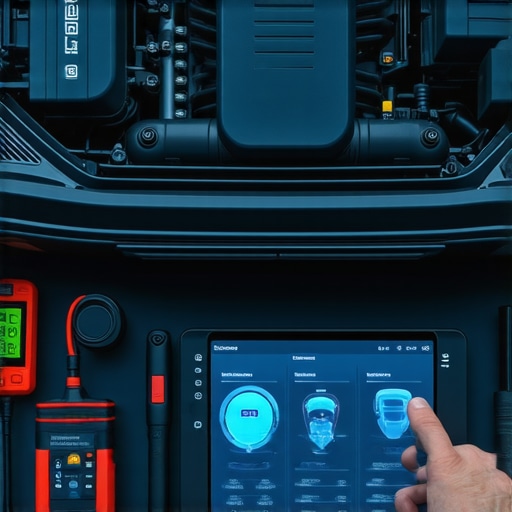
Start by establishing a routine diagnostic check, much like a doctor’s annual physical. Use an OBD-II scanner to read error codes and monitor sensor data regularly. For example, I once used a diagnostic tool before a long trip, catching a faulty oxygen sensor that was causing poor fuel efficiency. This simple step saved me from a stranded vehicle miles from home. Make it a monthly habit to run diagnostics, especially if your dashboard warning lights flicker or you notice performance dips.
Use the Right Tools
Invest in a reliable OBD-II scanner compatible with your vehicle make and model. Pair this with free or paid diagnostic apps to interpret codes easily. Remember, just like a mechanic needs the right set of screwdrivers, a good scanner is essential for accurate diagnostics. For detailed guidance, check out auto repair diagnostics tips for 2025.
Maintain Fluids and Filters
Fluids are the lifeblood of your vehicle. Regularly check and top up engine oil, transmission fluid, brake fluid, and coolant. I once skipped a transmission fluid change, which led to sluggish shifting. When I finally replaced the fluid, I noticed immediate improvement, preventing a costly transmission repair. Use a dipstick to verify fluid levels monthly, and follow your vehicle’s manual for replacement intervals. Remember, clean fluids keep parts lubricated and running smoothly.
Replace Filters Promptly
Air, fuel, and cabin filters trap dirt and debris. Dirty filters reduce engine efficiency and can cause sensor errors. I learned this the hard way when my engine started misfiring after neglecting an air filter replacement. Replacing filters is straightforward and inexpensive. Keep a schedule to change them every 15,000 to 30,000 miles, depending on driving conditions. For detailed filter replacement tips, visit top auto repair tips for 2025.
Inspect and Maintain the Battery
A weak or corroded battery can cause starting problems and erratic sensor readings. Check terminals for corrosion and ensure secure connections. I once ignored a dying battery, which caused intermittent sensor failures and rough idling. Replacing a battery is simple, and doing so before it fails can save you from unexpected breakdowns. Use a multimeter to test voltage, aiming for around 12.6V when the engine is off. For expert advice, explore effective transmission repair tips.
Monitor Tire Pressure and Tread
Proper tire maintenance impacts safety and fuel efficiency. Use a quality pressure gauge to check psi monthly. Underinflated tires increase fuel consumption and wear unevenly, which can affect sensors like ABS. I once ignored a slow leak, leading to poor handling and sensor errors. Rotate tires every 5,000 to 7,000 miles and replace worn treads for optimal grip. For a comprehensive tire maintenance routine, see top auto repair car service tips for 2025.
Pay Attention to Warning Signs
Dashboard warning lights are your vehicle’s way of communicating issues. Don’t ignore them. If the check engine light comes on, run a diagnostic promptly. I once ignored a blinking light that turned out to be a misfiring cylinder, leading to expensive repairs. Address issues as soon as they arise; early detection prevents further damage. Keep a repair log and note any unusual noises or performance changes to share with your mechanic.
Schedule Professional Inspections
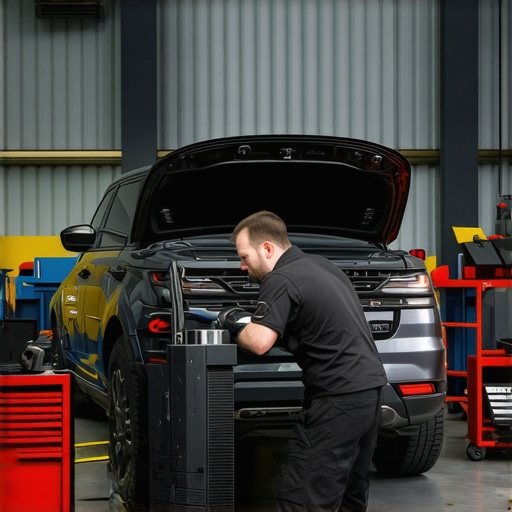
While DIY diagnostics are valuable, annual professional inspections catch problems beyond basic checks. Mechanics can perform in-depth diagnostics, including transmission system analysis. I recommend scheduling a professional inspection before long trips or after 30,000 miles. For expert strategies, visit top transmission car service strategies for 2025.
Many vehicle owners operate under misconceptions about auto diagnostics and maintenance routines, which can inadvertently lead to costly repairs or safety hazards. Let’s dig deeper into some of the most common myths and advanced mistakes that even seasoned car owners often overlook, challenging the conventional wisdom with expert insights.
Myth: Regular oil changes alone guarantee engine health
While changing oil regularly is crucial, relying solely on oil changes to maintain engine health is a common mistake. Modern engines rely heavily on sensor data and precise fuel management, which means neglecting other critical components like coolant systems, fuel filters, and sensor diagnostics can cause hidden issues. For instance, a faulty sensor may give false readings, leading you to believe everything is fine, when in fact the engine is suffering from undetected problems. An expert approach involves comprehensive diagnostics, including checking sensor outputs and fluid conditions, to truly ensure optimal engine performance. For detailed strategies, check out auto repair diagnostics tips for 2025.
Common trap: Ignoring the subtle warning signs
Many car owners dismiss early warning signs like slight vibrations or inconsistent fuel economy, assuming they are benign. This is a dangerous trap because these subtle clues often indicate underlying issues such as sensor malfunctions or transmission problems. Advanced diagnostic tools can detect these anomalies before they escalate into major failures. For example, a misfiring cylinder might only show as a minor vibration initially, but if ignored, it can lead to expensive repairs or breakdowns. Regularly monitoring sensor data and performing diagnostic scans can help catch these issues early. For more insights, visit auto repair diagnostics for 2025.
How do advanced diagnostics improve vehicle longevity?
Advanced diagnostics involve interpreting complex sensor data and system communications that go beyond simple code readings. Experts use tools that analyze sensor trends over time, identify pattern anomalies, and even predict potential failures before they happen. This predictive maintenance approach extends your vehicle’s lifespan and reduces unexpected breakdowns. For instance, monitoring transmission sensor data over time can reveal early signs of wear, prompting preemptive repairs that save money and prevent accidents. To leverage these strategies, explore effective transmission repair tips.
Have you ever fallen into this trap? Let me know in the comments.
How do I maintain my vehicle over time?
Maintaining your vehicle over the long haul requires a combination of the right tools, consistent routines, and some insider knowledge to stay ahead of potential issues. Personally, I rely on a few specialized tools that have proven invaluable for diagnosing and maintaining my car’s health, saving me hundreds of dollars in repair costs and preventing unexpected breakdowns.
One of my go-to tools is the Autel MaxiCOM MK808 diagnostic scanner. Unlike basic code readers, this device provides comprehensive diagnostic reports, live data streams, and active system testing. I use it monthly to monitor sensor trends, especially for critical systems like transmission and ABS. Its user-friendly interface and extensive vehicle coverage make it a staple in my maintenance routine. For those interested in professional-grade diagnostics, this tool bridges the gap between DIY and expert-level analysis.
In addition, I swear by Lucas Oil’s Complete Fuel Treatment. I add this to my gas tank every 3,000 miles to keep injectors clean and improve fuel efficiency. It’s a simple step that complements regular oil changes and helps maintain optimal engine performance. The key here is consistency—routine use of quality additives keeps your system running smoothly over years.
For fluid and filter checks, I use a Vondior Multimeter to verify battery voltage and sensor outputs. It’s affordable and precise, allowing me to catch early signs of electrical issues before they escalate. Plus, I keep a set of high-quality Michelin Tire Pressure Gauges to check tire pressures monthly, avoiding uneven wear and improving fuel economy.
Looking ahead, I believe the trend in vehicle maintenance tools is moving toward smart diagnostics integrated with smartphone apps. Imagine receiving real-time alerts about your car’s health directly on your phone, with predictive analytics guiding you on when to schedule repairs. Companies like OBDLink are already developing such solutions, and I see this as a game-changer for proactive maintenance.
To keep your car running smoothly over time, I highly recommend investing in a reliable diagnostic scanner like the auto repair diagnostics tools for 2025. Regularly checking sensor data, maintaining fluids with quality products, and staying ahead with advanced diagnostics will extend your vehicle’s lifespan and enhance safety. Try running a full diagnostic scan this weekend—it’s a simple step that can reveal hidden issues before they become costly repairs.
The Hardest Lesson I Learned About Auto Diagnostics
Early in my auto maintenance journey, I underestimated the importance of regular diagnostic checks. I thought that simply changing the oil and replacing filters was enough. It wasn’t until I faced a costly transmission repair that I realized even minor sensor issues can have ripple effects. This taught me to incorporate routine scans with a reliable OBD-II scanner into my monthly maintenance routine, which has saved me time and money ever since.
3 Myths About Vehicle Maintenance That Held Me Back
One of the biggest misconceptions I had was that ignoring dashboard warning lights was harmless. I used to dismiss the check engine light as a nuisance. However, I learned that these signals are your vehicle’s way of communicating impending problems. Addressing warning signs early, especially with expert diagnostics, can prevent major breakdowns and extend your car’s lifespan. Always trust those lights—your vehicle is telling you something important.
What Experts Won’t Tell You About Car Sensors
Many seasoned car owners overlook the subtle clues sensors give off. I discovered that sensor data, when properly interpreted, reveals hidden issues before they escalate. Using advanced diagnostics tools that analyze sensor trends over time can predict failures and optimize maintenance schedules. This proactive approach has transformed my maintenance routine, helping me catch problems early and avoid expensive repairs.
How I Learned to Embrace Preventive Maintenance
My lightbulb moment came when I realized that regular fluid checks and timely filter replacements are not just chores—they are investments in my vehicle’s longevity. I now schedule fluid changes based on manufacturer guidelines and use quality additives like Lucas Oil’s Fuel Treatment to keep injectors clean. This mindset shift from reactive to preventive maintenance makes all the difference in keeping my car running smoothly.