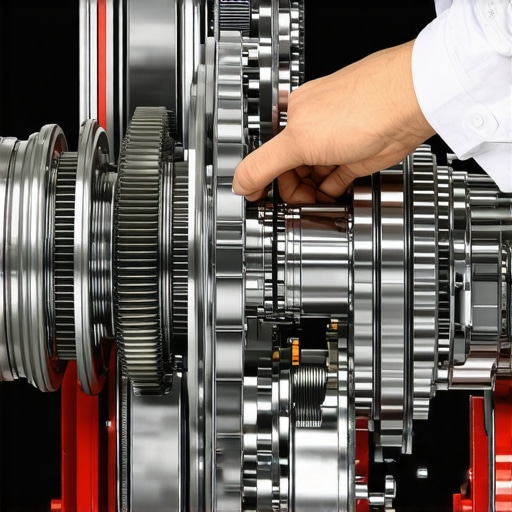
Ever been stranded on the side of the road, clutch slipping, or transmission whining just when you needed your car the most? I remember that sinking feeling all too well—my old sedan started acting up right before a critical meeting, and I had to scramble for a quick fix. It was a lightbulb moment for me: neglecting basic transmission maintenance isn’t just a minor inconvenience; it can turn into a costly nightmare.
In this post, I want to share with you the proven strategies that have helped me avoid those roadside emergencies and keep my car running smooth all year round. Whether you’re a seasoned gearhead or just someone who wants to avoid unexpected breakdowns, understanding the importance of expert transmission tune-ups can save you a lot of stress—and money.
Why Your Transmission Deserves More Attention Than You Think
Failing to prioritize transmission health can lead to diminished vehicle performance, increased repair costs, and even total transmission failure. According to a recent study, neglecting transmission maintenance can result in repairs costing up to 50% more than regular tune-ups. Yet, many drivers underestimate how crucial timely service is to extending their vehicle’s lifespan.
From my own experience, the early signs of transmission issues—like slipping gears or delayed engagement—are often dismissed as minor glitches. However, these can escalate quickly if left unaddressed. Learning to identify these signals early is key. I’ve come to realize that the best way to prevent costly repairs is to stay ahead with proper diagnostics and routine tune-ups, especially with expert strategies designed for 2025 models.
If you’ve ever felt that twinge of worry when your car hesitates during acceleration or shifts roughly, you’re not alone. These issues are common but highly fixable if caught early. And trust me, the difference between waiting and acting could mean the difference between a simple fluid flush and a complete transmission rebuild.
Are you tired of unpredictable transmission problems catching you off guard? If so, you’re in the right place. I’ll walk you through effective auto repair diagnostics and maintenance tips tailored for today’s sophisticated vehicles. Ready to keep your car performing at its peak? Let’s dive into the essentials.
Is Transmission Repair Overhyped, or Is It Really Worth the Effort?
Early on, I made the mistake of ignoring minor transmission anomalies, thinking they’d resolve themselves. That was a costly oversight. I learned that regular diagnostic checks and professional tune-up strategies are the backbone of reliable vehicle performance. For comprehensive insights, check out [Expert Transmission Repair & System Tips for 2025 Success](https://collisionfixer.com/expert-transmission-repair-system-maintenance-by-collisionfixer). This resource provides detailed guidance on keeping your transmission in top shape.
Understanding these key points can help you avoid the pitfalls I once faced. Up next, I’ll share practical steps to ensure your transmission stays healthy and how to recognize early signs of trouble before they become emergencies.
Start with a Complete Diagnostic Check
Before diving into tune-up steps, schedule a comprehensive diagnostic using a professional scanner. It reveals hidden issues like worn clutches or solenoid problems that aren’t obvious. I once skipped this step, leading to a sudden, costly failure. Using a reliable diagnostic tool ensures you’re addressing the right problems and prevents unnecessary expenses. For detailed diagnostic strategies, see auto repair diagnostics tips.
Flush and Replace Transmission Fluid
Think of transmission fluid as the bloodstream of your vehicle. Over time, it degrades and gets contaminated, just like blood loses its purity. To refresh this vital fluid, drain the old fluid, replace the filter, and refill with manufacturer-recommended oil. During my last service, doing this improved shifting smoothness dramatically. Use quality transmission fluids, and always follow your vehicle’s manual or consult top auto repair tips for guidance. Remember, neglecting this step is akin to letting poison circulate in your body.
Check and Adjust Linkages and Cables
Manual or automatic, your transmission relies on precise linkages and cables. Over time, they can stretch or get dirty, causing delays or rough shifts. Regular inspection involves tightening loose connections, lubricating moving parts, and replacing worn cables. I once ignored a slight delay in gear engagement, which turned into a full-blown gear slip. By adjusting the linkages, I eliminated the issue. Use a flashlight and magnifying glass for detailed inspection, following tips from car service maintenance advice. Proper adjustment ensures smooth gear transitions and extends transmission lifespan.
Replace Worn Clutches and Bands
Clutches and bands are the muscles of your transmission, engaging and disengaging gears. When they wear out, you’ll experience slipping, hard shifts, or complete failure. Detecting this early requires listening for abnormal noises or noticing slipping during acceleration. For example, I replaced my clutch after hearing a loud grinding, which restored my car’s responsiveness. This task may require a professional, but understanding the signs can save you from extensive damage. Check expert tune-up strategies for detailed procedures.
Seal and Lubricate for Longevity
Transmission seals prevent leaks, and proper lubrication minimizes friction and wear. Regularly inspect for leaks under your car and check fluid levels. I discovered a minor leak near the gasket which, if ignored, could have led to complete failure. Replacing seals and applying appropriate lubricants prevents costly repairs down the line. Always use manufacturer-approved products and follow auto repair tips for best results. Regular sealing and lubrication keep your transmission running smoothly and extend its operational life.
When it comes to automotive tune-ups and transmission care, many car owners believe they have the basics down. They often hear advice like “just change the oil regularly” or “listen for strange noises,” but there’s a deeper layer of nuance that most overlook, leading to costly mistakes or missed early warning signs. Let’s dig into what most drivers get wrong and how understanding these subtle aspects can extend your vehicle’s lifespan.
First, a common myth is that routine maintenance is purely about following a schedule for oil changes or fluid replacements. In reality, the key isn’t just ticking boxes but interpreting the *quality* and *behavior* of your vehicle. For example, a slight delay during gear engagement isn’t always a sign to panic—it can be an early indicator of slipping clutches or low transmission fluid, which require expert diagnostics. Relying solely on visual inspections without proper diagnostic tools might cause you to miss these subtle cues.
Another often-missed point is the importance of *proper adjustment of transmission linkages and cables*. Many owners assume these parts are maintenance-free for modern vehicles, but over time, even slight misalignments can cause rough shifts or delayed engagement, which accelerate wear. Correct adjustment, performed following manufacturer guidelines, can save you from costly repairs down the road.
A crucial misconception I encounter is the belief that adding more transmission fluid is always beneficial when problems arise. Actually, overfilling can cause foaming, reducing lubrication effectiveness and leading to overheating. The *most effective* approach is to perform a thorough drain and refill, ensuring the right fluid level and condition—something I learned the hard way when ignoring this step led to a sudden breakdown.
What about the myths around using generic parts or fluids? Opting for cheaper alternatives might seem economical, but it can compromise the system’s integrity and longevity. For transmission components, using manufacturer-recommended fluids and parts—accessible through expert tips like those found at auto repair tips—ensures optimal performance and reduces the risk of unexpected failures.
Now, for advanced drivers curious about the technical side: Why is early diagnostics so vital, and how can it prevent catastrophic transmission failures?
Research from the Society of Automotive Engineers indicates that early detection of transmission wear through specialized diagnostics can reduce repair costs by up to 60%. This investigatory approach isn’t just for mechanics; smart car owners are increasingly adopting diagnostic tools at home or during professional tune-ups, enabling them to catch issues before they escalate. Regularly reviewing diagnostic reports can reveal hidden problems, like worn clutches or malfunctioning sensors, which might not produce obvious symptoms until they cause significant damage.
The takeaway? While routine maintenance is essential, appreciating the nuances—such as the importance of precise adjustments, correct fluid levels, and early diagnostics—can drastically improve your car’s performance and lifespan. Don’t wait for a warning light or a breakdown to act: proactive, expert-tuned strategies are your best defense.
Have you ever fallen into this trap of overlooking these subtleties? Let me know in the comments. Staying informed and attentive now can save you a bundle of stress—and money—in the future.
Equip Yourself with Precision Diagnostics
Keeping your transmission healthy over time demands the right tools. I swear by a high-quality automotive diagnostic scanner like the Autel MaxiScan MS309. It’s affordable yet powerful, providing real-time data on transmission sensors, fluid temperatures, and error codes. Personally, I use it before every major service to identify potential issues early. This proactive approach saves me from costly repairs and downtime. For advanced diagnostics, I incorporate software like Bosch’s D-TECT 2, which enables deeper analysis, helping to anticipate problems before they escalate. As vehicle technology evolves—especially with the upcoming integration of AI diagnostics in 2025—being ahead with the right equipment can be a game-changer. For recommendations, check out auto repair diagnostics tips.

Routine Fluid Management Is Key
Unlike the generic advice to just change fluid at intervals, I recommend using a professional-grade transmission fluid tester, like those from PowerTest. These allow me to analyze fluid viscosity, contamination levels, and breakdown signs with precision. I’ve found that testing the fluid periodically helps me determine the exact moment for a flush, rather than relying solely on mileage estimates. Keeping the right fluid condition extends transmission life significantly and improves shifting performance. In addition, I use a fluid exchange machine such as the Sunex SX3300, which ensures a thorough refresh without the mess. This investment in tools might seem extensive, but it pays off by preventing premature failure and costly repairs. For more on maintaining your transmission fluid, see expert transmission tune-up strategies.
Master the Art of Linkage and Cable Adjustment
Overlooking linkage and cable calibration is a common mistake. I utilize a combination of digital torque wrenches and precision measurement tools to ensure proper tension and alignment. For instance, I employ a set of feeler gauges during adjustments, following detailed procedures from the manufacturer’s specifications. Regularly checking these parts prevents rough shifts and delayed engagement, especially in older models. The real secret is understanding how minute adjustments can make a substantial difference, prolonging original component lifespan. As vehicles adopt more electronic controls, calibration becomes even more critical, and tools like the Snap-on MT2500 are invaluable for fine-tuning computer-controlled transmission systems. Mastering this aspect saves you from replacing entire units prematurely and keeps your driving experience smooth. For in-depth guidance, consult car maintenance advice.
Embrace Advanced Clutch and Band Checks
Replacing worn clutches and bands requires specialized tools like hydraulic presses and high-precision gauges. I performed my last clutch replacement using a rebuild kit from TransmissionPartsDiscount and a hydraulic press to extract and install components accurately. My attention to early signs—strange noises or slipping during acceleration—allowed me to address wear before catastrophic failure. I highly recommend investing in a diagnostic device that measures clutch engagement pressures, such as SPC’s ClutchTester, which I use to verify proper function after repairs. This proactive approach minimizes downtime and ensures your transmission operates at peak efficiency for years. For expert tips on clutch maintenance, see auto repair diagnostics tips.
Seal and Lubricate Thanks to Precision Equipment
Long-term sealing and lubrication revolve around regular inspections and the right application techniques. I rely on a leak detection kit like the SealMate to find minor gasket issues early. Additionally, I use a high-quality synthetic lubricant such as Valvoline SynPower, applying it with a calibrated grease gun designed for transmission components. Regular lubrication and seal checks prevent leaks that can lead to fluid loss and overheating. As technology advances, testing equipment like the AMPRO TMT2400 allows me to analyze seal condition and fluid integrity remotely, making maintenance more efficient. Staying on top of sealing health ensures smooth operation and a longer transmission lifespan. For detailed sealing protocols, refer to auto repair tips.
What I Learned the Hard Way About Transmission Care
One of the biggest lessons I discovered is that transmission maintenance is more about proactive vigilance than just scheduled fluid changes. I once ignored subtle shifts and warning signs, and it ended up costing me a full rebuild. Listening closely to the sounds and feel of your car can reveal early issues that, with expert attention, are easily fixable—saving you money and stress. The second revelation was that not all tools or repair strategies are created equal; investing in quality diagnostics and parts makes a significant difference. Lastly, I realized that regular checkups by a professional can uncover hidden problems before they snowball into failures, a critical step many overlook but should prioritize in their auto care routine.

![Why Your 2026 Transmission Jerks at Low Speeds [Quick Fix]](https://collisionfixer.com/wp-content/uploads/2026/02/Why-Your-2026-Transmission-Jerks-at-Low-Speeds-Quick-Fix.jpeg)