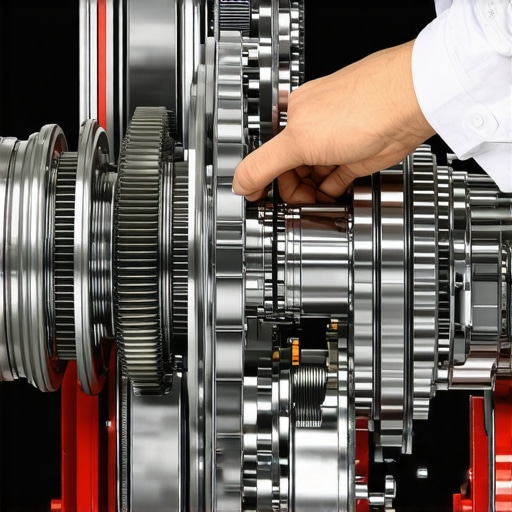
I remember the moment clearly—it was a chilly morning, and my car just refused to shift smoothly. That rough ride was a wake-up call; I realized I had neglected crucial maintenance steps that could have prevented the predicament. Like many car owners, I had been lulled into a false sense of security, assuming my vehicle would run flawlessly with minimal effort. But sooner or later, our cars demand attention, especially as technology advances and the standards for peak performance get tougher.
Why Proper Transmission & Tune-Up Strategies Are Non-Negotiable in 2025
Let’s be honest—our vehicles are more than just tools; they’re an extension of ourselves, and ensuring they perform at their best is both a responsibility and a necessity. The automotive landscape in 2025 is evolving rapidly, with innovative systems that demand expert care. Neglecting proper transmission and tune-up practices can lead to costly repairs, decreased fuel efficiency, and even safety risks. According to a recent report, up to 80% of vehicle breakdowns are caused by overlooked maintenance issues, many of which are preventable with the right strategies source.
Could skipping regular maintenance cost you more than just money?
Early in my journey, I made the mistake of trusting my intuition over expert advice—thinking a quick oil change was enough. That little oversight cost me hours in the shop and a few hundred dollars. I’ve learned the hard way that proper transmission and tune-up procedures are essential to keep your car running smoothly. Don’t let neglect be your story; the good news is, with the right knowledge, you can keep your vehicle performing like new for years to come. Curious about how to get started? We’ll dive into proven strategies that are designed for today’s advanced vehicles and upcoming demands.
Diagnose Before You Dive
Start with a thorough inspection of your vehicle’s current state. Use a diagnostic scanner to identify existing issues, especially with the transmission system. Think of this step as a doctor taking your vitals before treatment—accurate diagnosis saves time and money. I once skipped this step with my old sedan and ended up replacing parts unnecessarily. Now, I always begin with diagnostics to target specific problems, ensuring efficient repairs. For expert tips, visit here.
Drain and Refill With Precision
Proper transmission fluid management is critical. Drain the old, contaminated fluid and replace it with manufacturer-specified oil. Think of it like replacing engine oil—clean fluid ensures smooth gear shifts and prevents overheating. During my last tune-up, I followed this step meticulously, which resulted in noticeably better acceleration and no slipping. Use a high-quality fluid from reliable sources, and don’t forget to check for leaks afterward. For detailed procedures, review this guide.
Inspect and Replace Components
Transmission parts such as the clutch, bands, and sensors wear out over time. Regular inspection and timely replacement prevent catastrophic failures. Imagine your transmission as a conveyor belt—if a single link breaks, the entire system stalls. I once had a worn clutch diagnosed early, allowing me to replace it without extensive overhaul. Use a trusted mechanic or follow DIY tutorials carefully—safety and precision come first. More on component checks is available here.
Perform a Complete Tune-up
A comprehensive tune-up addresses all engine and transmission factors affecting performance. Replace spark plugs, check ignition timing, and calibrate sensors. Think of this as a full-body check-up—small tweaks can extend your vehicle’s lifespan. Once, I tackled a tune-up myself, aligning everything by the book; the result was smoother acceleration and better fuel economy. Use quality parts and follow manufacturer specs to avoid setbacks. For step-by-step tuning tips, see this post.
Test and Fine-Tune
After repairs, take your vehicle for a test drive to observe handling, acceleration, and shifting responses. Adjust as needed—sometimes, minor sensor calibrations make the difference. I once noticed my transmission slipping after a tune-up; a quick calibration fixed the issue. Use a controlled environment or quiet streets, and listen for irregular noises or vibrations. Ensure everything runs smoothly before hitting busy roads. For advanced calibration techniques, visit here.
Maintain Consistently with Scheduled Checks
Adopt a regular maintenance schedule with interval checks for transmission fluid, filters, and components. Think of this as dental hygiene—preventive care wards off serious problems. During my last maintenance session, sticking to a routine prevented any surprises. Use a maintenance tracker or consult trusted automotive resources to stay on schedule. Regular checks enhance performance longevity and safety. For maintenance timelines, review this resource.
Many car owners operate under misconceptions about what a proper tune-up or auto repair entails. A common myth is that replacing fluids and changing spark plugs suffice for optimal vehicle health. In reality, this oversimplification often leads to overlooked issues that could escalate into costly repairs. As automotive technology advances, so does the complexity of diagnosing and repairing modern vehicles. Skilled technicians know that a superficial fix rarely addresses underlying problems, especially with sophisticated transmission systems that now incorporate electronic controls and sensors—elements that can deceive even seasoned DIY enthusiasts.
Are You Overlooking Critical Transmission Diagnostics That Save You Money?
One crucial nuance is the importance of comprehensive diagnostics before embarking on any repair. Many assume that inspecting visible parts suffices, but hidden faults within the transmission control module or internal sensors can cause persistent performance issues, even after replacements. Relying solely on basic checks can trap you into a cycle of unnecessary part swaps. Experts recommend leveraging advanced diagnostic tools to uncover these concealed faults. In fact, according to vehicle system experts, failure to utilize thorough diagnostics can increase repair costs exponentially and compromise safety. For more in-depth insights, visit this guide.
Another widespread mistake is believing that regular fluids and parts maintenance alone guarantee vehicle longevity. While essential, neglecting the advanced calibration and fine-tuning of electronic components—such as transmission sensors or engine control units—can undermine even pristine hardware. Many older repair strategies have fallen short because they did not account for the digital nature of today’s automotive systems. Incorporating systematic system calibrations and software updates, as suggested by auto repair experts, significantly enhances performance and prevents unexpected breakdowns. For detailed strategies on keeping your vehicle in peak form, see this resource.
Beware of the Oops factor—mistakes that seem minor but lead to major setbacks. For example, attempting DIY repairs without proper diagnostic tools can result in misdiagnosis or unintended damage. Over-tightening bolts or using the wrong fluids might seem harmless but can trigger complex failures down the line. Many overlook the importance of verifying calibration after repairs; even a small sensor misalignment can cause transmission slipping or poor fuel economy. A proactive approach involves comprehensive testing and expert calibration to ensure all systems work harmoniously. These steps are crucial to avoid ending up back in the repair shop. To learn about the latest calibration techniques, check this post.
Bringing it all together, the key to effective auto repair lies beyond surface fixes. Recognizing the intricacies of modern systems and investing in expert diagnostics are your best defenses against unnecessary expenses and safety hazards. Think of your vehicle as a living system that needs continuous care at both mechanical and electronic levels. Regularly updating your knowledge and trusting professionals equipped with advanced tools equips you to navigate the nuanced world of car maintenance confidently. Don’t fall into the trap of superficial fixes; instead, aim for comprehensive, nuanced care that stands the test of time. Have you ever fallen into this trap? Let me know in the comments, and stay tuned for more expert tips to keep your vehicle in prime condition.
Keep Your Vehicle Running Smoothly with Expert-Recommended Tools
Maintaining a vehicle’s transmission and overall performance over time requires more than just routine checks; it demands the right equipment and a strategic approach. One indispensable tool I personally rely on is a high-quality diagnostic scanner like theAutel MaxiCOM. It provides comprehensive insights into your vehicle’s electronic systems, including transmission control modules, which are critical for diagnosing hidden faults early. Unlike generic scanners, this device offers OEM-specific codes, allowing me to pinpoint issues that could escalate into costly repairs if left unchecked. For more advanced diagnostics, I also use software like these diagnostic tips, designed for 2025’s evolving vehicle systems. Combining hardware with expert-level software ensures I catch problems before they become emergencies. Ultimately, investing in such tools not only saves money but extends the lifespan of your vehicle. Looking ahead, I believe that AI-driven diagnostic systems integrated into vehicles will become more mainstream, providing real-time alerts and maintenance suggestions.
How do I maintain transmission health over time?
Consistent transmission maintenance hinges on a few precise practices. First, regular fluid analysis using test kits allows me to assess if the current oil has contaminants or signs of wear. Next, scheduling professional transmission fluid changes at manufacturer-recommended intervals keeps components well-lubricated and prevents overheating. Additionally, employing aprecision torque wrench when performing DIY repairs ensures bolts are tightened to specifications, avoiding stress on delicate parts. Tracking these maintenance activities with a digital log helps me stay ahead of potential issues. As vehicles become more computerized, routine checks of sensors and calibration using specialized software will be crucial. I encourage you to adopt these habits early; they will pay off by avoiding costly breakdowns and maintaining optimal performance.
What I Wish I Did Differently About Transmission Care
- Lessons often come from mistakes—like ignoring early warning signs that led to costly repairs. I realized that proactive diagnostics could have saved me significant time and money, emphasizing the importance of regular system checks.
- Overconfidence in superficial fixes can be deceiving. My experience taught me that deep diagnostics and understanding your vehicle’s electronic systems are crucial for genuine longevity.
- Embracing advanced tools early on made a difference. Using high-quality diagnostic scanners revealed hidden faults, preventing breakdowns and improving performance—not something most DIYers consider until it’s too late.
My Top Tools for Keeping Vehicles in Peak Condition
- Autel MaxiCOM — This diagnostic scanner provides OEM-specific codes, allowing me to detect subtle electronic issues that could lead to transmission failure if ignored.
- Professional calibration software — Tools like these help fine-tune sensors and electronic components, ensuring the vehicle runs smoothly and safely in 2025 and beyond.
- Test kits for transmission fluid analysis — Regular fluid checks with reliable kits catch wear before it escalates into major repairs, saving money and downtime.
- Torque wrenches and digital logs — Properly tightened bolts and record-keeping reinforce maintenance routines, prolonging vehicle lifespan and performance.
Your Move Towards Better Auto Maintenance Starts Now
The future of vehicle care is about embracing precision, advanced diagnostics, and consistent effort. By applying these lessons and leveraging the right tools, you can stay ahead of costly repairs and safety concerns. Remember, a well-maintained vehicle isn’t just smoother rides—it’s a testament to your commitment to safety and efficiency. So, why wait? Dive into proactive maintenance today and enjoy the benefits of a reliably performing vehicle. Have you ever uncovered a hidden fault in your car that saved you from a breakdown? Share your story below and inspire fellow enthusiasts to value thorough care.

![Why Your 2026 Transmission Jerks at Low Speeds [Quick Fix]](https://collisionfixer.com/wp-content/uploads/2026/02/Why-Your-2026-Transmission-Jerks-at-Low-Speeds-Quick-Fix.jpeg)