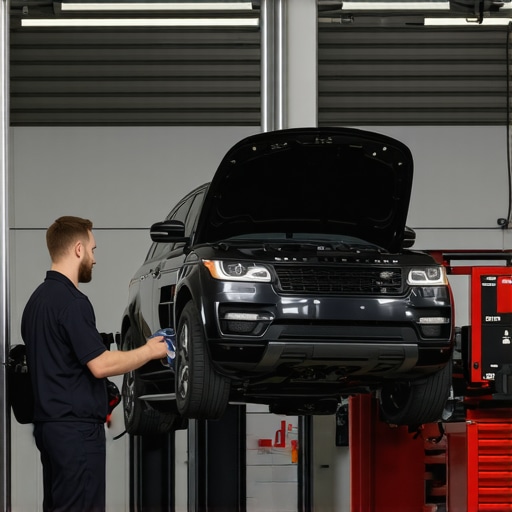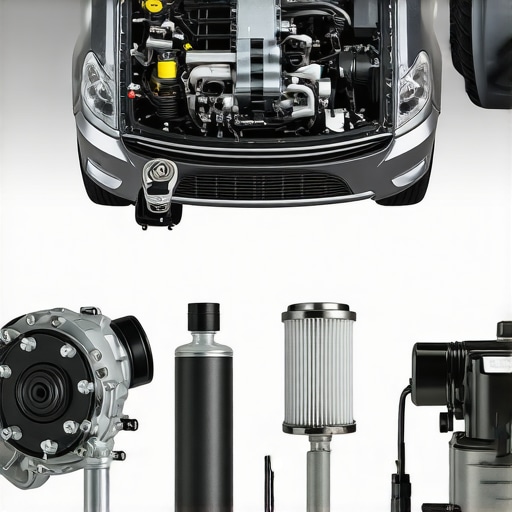
Ever been stranded on the side of the road, frustrated because your car suddenly refused to start or perform reliably? That light bulb moment when you realize neglecting regular maintenance is catching up with you is tough. I’ve been there—trust me, it’s a wake-up call. I used to ignore those small squeaks and warning lights, thinking they’d go away. Spoiler: they didn’t. Instead, they snowballed into costly repairs and dangerous driving conditions. That’s when I discovered the importance of staying ahead with proper car service, especially as technology advances and the demands on our vehicles grow.
Why Keeping Up with Car Maintenance is More Critical Than Ever
In 2025, our cars are smarter, more connected, and packed with complex systems. Ignoring routine checks isn’t just risking breakdowns; it could compromise your safety. Regular auto repair and maintenance help catch issues early, prolong your vehicle’s lifespan, and save money in the long run. Plus, with the rise of electric and hybrid vehicles, understanding the latest service strategies is vital. Trust me, staying informed is your best defense against unexpected failures.
If you’ve ever wondered whether all that routine maintenance is worth the effort, I get it. It’s tempting to skip the oil change or delay that visit to the mechanic. But I learned the hard way that neglecting these small tasks can lead to big problems. One early mistake I made was ignoring a slow-leaking transmission fluid, which eventually caused a costly repair. That taught me to stay proactive and seek expert advice, like the comprehensive transmission repair strategies by Collisionfixer.
Is Car Maintenance Really Worth the Effort in 2025?
Absolutely. Modern vehicles demand more than just oil changes. They require diagnostics, system checks, and sometimes complex repairs that only seasoned professionals can handle. The good news? Many of these services can now be streamlined and more affordable if you know what to look for. The key is staying informed about the latest maintenance tips and recognizing early signs of trouble before they turn into emergencies. Ready to learn how to keep your car running smoothly and safely in 2025? Let’s dive into the practical steps that will save you time, money, and stress.
Prioritize Regular Oil Changes to Keep Your Engine Running Smoothly
When I first started neglecting oil changes, I noticed my engine sluggishness and strange noises. Now, I make it a point to change my oil every 5,000 miles or as recommended by my vehicle manufacturer. This simple step acts like giving your car a health check-up, preventing engine wear and tear. Use high-quality synthetic oil for better performance and longevity. Schedule your oil change during every routine service visit to avoid last-minute surprises.
Perform Basic Checks on Tires and Brakes to Avoid Unexpected Failures
One time, I ignored low tire pressure, thinking it wasn’t urgent. That decision led to reduced fuel efficiency and uneven tire wear. I now regularly inspect my tires for tread depth and proper inflation, which improves safety and saves money. Brakes are equally crucial; listen for squeaks or reduced responsiveness. If you notice any issues, get your brakes checked by professionals promptly. Think of your tires and brakes as the shoes and gloves of your vehicle — essential for safe driving.
Schedule Professional Diagnostics for Complex Systems
Modern cars are like computers on wheels, with sensors and electronic systems that need expert attention. I once ignored a warning light about my transmission, thinking it was a minor glitch. When I finally took my car to professional diagnostics, they identified a faulty sensor that was causing further damage. Regular diagnostic checks help identify issues early, saving you from costly repairs later. Think of diagnostics as a doctor’s check-up — catching problems before they become emergencies.
Follow a Maintenance Schedule for Key Components
Sticking to a maintenance schedule is like following a recipe — consistency yields the best results. I keep a log of my vehicle’s service dates and tasks, including transmission fluid replacements and filter changes. For example, I recently replaced my transmission fluid based on top repair tips. This proactive approach ensures optimal performance and extends the lifespan of vital components. Use your vehicle’s manual or trusted auto service guides to stay on track.
Invest in Quality Parts and Professional Repairs
When my car needed a new transmission, I opted for genuine parts and experienced mechanics. It’s tempting to cut costs with cheap replacements, but that often leads to more expenses down the line. I researched auto repair strategies and found that quality repairs last longer and perform better. Think of it as choosing durable shoes — a small investment now pays off with comfort and reliability later.
Keep Your Vehicle Clean and Protected
Regular washing and waxing protect your car’s paint and prevent rust. I set a monthly schedule for exterior cleaning, which keeps my vehicle looking new and maintains resale value. Inside, vacuuming and cleaning the interior prevent wear and tear on upholstery. Consider installing protective coatings or covers, especially if you park outdoors often. It’s like giving your car a shield against the elements and road grime.
Many car owners operate under misconceptions that can lead to costly mistakes. One common myth is that if your car runs smoothly, it doesn’t need regular transmission checks or tune-ups. In reality, modern vehicles, especially in 2025, require proactive diagnostics and maintenance to prevent silent failures. Relying solely on symptom-based repairs often results in bigger problems down the line. For instance, ignoring early signs of transmission wear can cause severe damage, but regularly consulting expert transmission strategies can save you thousands.
Another trap many fall into is waiting for warning lights to turn on before addressing issues. Modern cars come equipped with sophisticated sensors that can detect problems long before they manifest as noticeable symptoms. This is why scheduled diagnostic checks are vital, especially as vehicle systems become more complex. Skipping these checks can mean missing critical early-stage repairs, which are often easier and cheaper to fix. For example, a small sensor malfunction might seem insignificant but could lead to unsafe driving conditions if ignored.
Have you ever fallen into this trap? Let me know in the comments.
Why Do People Overlook the Nuances in Auto Repair?
It’s tempting to think that all auto repairs are straightforward and that cheap parts or quick fixes are sufficient. However, the truth is that effective auto repair strategies emphasize quality over cost, especially for critical components like the transmission or collision repairs. Cutting corners might save money initially, but it often leads to more repairs later, sometimes even endangering safety. Professional diagnostics and using genuine parts are investments in your vehicle’s longevity and your safety.
Understanding advanced maintenance nuances can make a significant difference. For instance, regular fluid analysis and precise tune-up schedules tailored to your vehicle’s model and usage patterns are often overlooked. These practices help detect issues early, ensuring smooth operation and extending your car’s lifespan.
By challenging popular myths and embracing in-depth knowledge, you can avoid common pitfalls and ensure your vehicle remains reliable. Staying informed about the latest in auto diagnostics and maintenance tips is crucial. Remember, proactive care now prevents expensive repairs later.
In summary, don’t fall for the misconception that maintenance is unnecessary if your car seems fine. Instead, focus on expert diagnostics, quality parts, and regular tune-ups — your car will thank you for it. Want to learn more about keeping your vehicle in top shape? Check out my detailed guides and stay ahead in 2025!
How do I keep my car running smoothly over time
Maintaining your vehicle’s performance long-term requires more than just routine checks; it involves investing in the right tools and adopting effective methods. Personally, I rely on a combination of high-quality diagnostic equipment and software that provide precise insights into my car’s health. For example, I use an OBD-II scanner like the Autel MaxiCOM, which allows me to read and clear error codes, monitor live sensor data, and perform system resets. This device is invaluable because it helps me identify issues early, especially with complex systems like the transmission or collision-related damage.
Alongside hardware, I also utilize professional software such as OBDeleven or OBDLink apps that sync with my smartphone. These tools enable me to access manufacturer-specific diagnostics, ensuring I don’t miss critical alerts that could otherwise lead to costly repairs. Investing in quality tools pays off in the long run, reducing the need for frequent visits to auto shops and empowering you to handle minor repairs yourself.
Another essential aspect is maintaining a well-organized maintenance log. I keep digital records of all service dates, parts replaced, and diagnostics performed. This habit not only helps me stay on top of scheduled tune-ups but also builds a history that specialists can review if issues arise. For instance, knowing the last transmission fluid change date helps me determine whether it’s time for a refresh, preventing potential transmission failures.
Looking toward the future, I believe vehicle maintenance will increasingly incorporate AI-driven diagnostic tools and predictive analytics. These innovations will analyze your driving patterns, wear rates, and sensor data to predict failures before they happen, allowing for truly proactive maintenance. Staying ahead with these advanced methods will be crucial for vehicle longevity and safety.
Why should you focus on tools for vehicle longevity
Using the right equipment isn’t just about fixing problems; it’s about preventing them. For example, regular transmission system checks using specialized tools can extend your transmission’s lifespan significantly. I recommend regularly consulting expert transmission repair strategies to understand how to optimize your maintenance routines effectively.
If you’re serious about keeping your car in top shape, I encourage you to try out one of these diagnostic tools and integrate routine system checks into your maintenance schedule. The investment in quality equipment now will save you money and headaches in the future by catching issues early and ensuring your vehicle performs reliably for years to come.
Lessons That Changed My Approach to Auto Care
- One of the hardest lessons I learned was the importance of early diagnostics. Ignoring warning lights can lead to costly repairs, but with the right tools, I caught issues before they worsened.
- I used to believe that regular oil changes were enough, but now I see that comprehensive system checks and fluid analysis are crucial for maintaining modern vehicles in 2025.
- Trusting cheap parts and quick fixes might save money upfront, but it often results in more expenses later. Investing in quality parts and expert repairs truly pays off.
- Keeping a detailed maintenance log has helped me stay proactive. Knowing when I last replaced transmission fluid or checked brakes prevents unexpected breakdowns.
Tools and Resources That Elevate My Car Care Routine
- OBD-II scanners like Autel MaxiCOM give me real-time insights into my vehicle’s health, helping me identify issues early and avoid costly repairs.
- Smartphone apps like OBDeleven sync with my car’s systems, providing manufacturer-specific diagnostics that are essential for modern vehicle maintenance.
- Trusted online resources, such as CollisionFixer’s repair strategies, keep me informed about the latest techniques and best practices.
- Maintaining a digital service history helps me plan ahead, ensuring I never miss critical tune-ups or fluid changes that extend my car’s lifespan.
Your Next Step Toward Reliable Vehicle Performance
Now is the perfect time to take control of your car’s health with the right knowledge, tools, and habits. Regular diagnostics, quality repairs, and proactive maintenance are the keys to keeping your vehicle running smoothly in 2025. Remember, investing in your car now means fewer surprises and more safe miles ahead. What’s the first maintenance task you’re planning to tackle this year? Share your thoughts below!