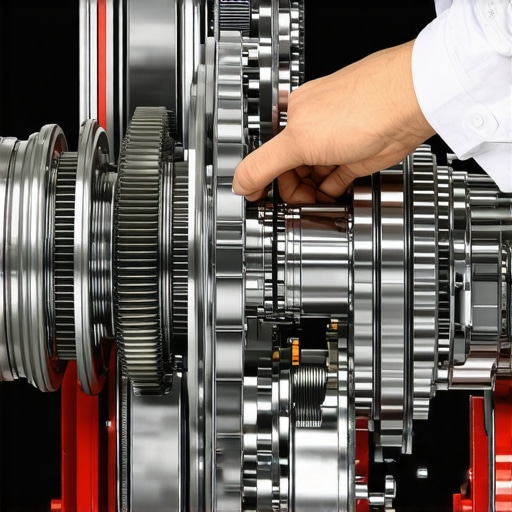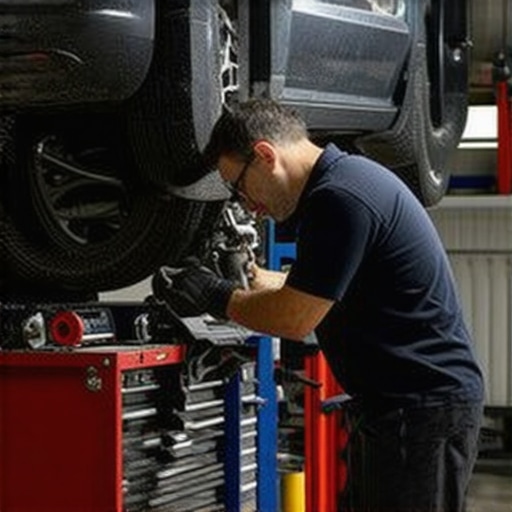
Ever had your car jerk or slip gears when you hit the accelerator? I remember the first time my transmission started acting up—my heart sank. That sinking feeling of knowing my ride wasn’t performing like it used to, and realizing I’d overlooked the signs early on. It hit me then: proper transmission care is not just about fixing problems but about **preventing** them from sneaking up on you. And honestly, understanding the ins and outs of effective transmission tune-ups was a game-changer.
Why a Simple Tune-Up Can Save Your Drive and Your Wallet
Maintaining peak performance isn’t just about replacing parts; it’s about proactive care. A well-executed transmission tune-up can extend your vehicle’s lifespan, improve fuel efficiency, and keep you safe on the road. In fact, experts note that regular maintenance can prevent costly repairs later—some repairs can cost thousands, and many are entirely avoidable with the right upkeep. As I learned from experience, ignoring small transmission issues can quickly escalate into major system failures, leading to inconvenient and expensive repairs. To shed light on just how critical this is, a study by the Automotive Service Association highlights that over 70% of transmission replacements could be avoided through timely maintenance.
Is Transmission Tuning Worth the Effort or Just a Trend?
It’s natural to be skeptical—“Is this just another automotive fad promising magic fixes?” I get it. Early on, I made the mistake of neglecting regular transmission checks, thinking I was saving money. Turns out, I ended up paying more in repairs than I would have spent on proper tune-ups. Expert tips agree that consistent transmission system maintenance is not optional; it’s essential for any vehicle that you want to perform reliably and safely. If you’re still doubtful, just ask yourself—how many breakdowns could I have avoided with a bit more care? The good news is, with a little knowledge, you can keep your car running smoothly and avoid the headache of unexpected failures.
Now that we’ve established why transmission tune-ups are worth the effort, let’s dive into practical ways to ensure your vehicle stays in top shape. Whether you’re a DIY enthusiast or plan to visit a professional, these strategies will help you maximize your car’s performance and longevity.
Check and Inspect Your Transmission Fluid
Start by locating the transmission fluid dipstick—usually near the back of the engine bay—and pulling it out with the engine warm and running in park. Use a clean cloth to wipe off the dipstick, then reinsert it fully before pulling it out again to check the fluid level. If the fluid is below the ‘Full’ mark or appears dark and gritty, it’s time for a change. I once neglected this step and ended up with a sluggish transmission; a simple fluid check could have prevented that. Regularly inspecting fluid levels is like monitoring blood pressure—vital for overall health.
Drain and Replace Old Transmission Fluid
To replace old fluid, lift the vehicle safely on a jack stand and place a drain pan beneath the transmission drain plug. Carefully loosen the plug and allow the fluid to drain completely—this is similar to draining oil from a kettle before refilling. Once drained, tighten the plug securely and refill with the recommended type and quantity of new transmission fluid, following your vehicle’s specifications. During a recent tune-up, I found contaminated fluid and replaced it, which instantly improved shifting smoothness. Fresh fluid acts like a lubricant for your transmission’s gears, akin to oiling a machine to prevent squeaks and jams.
Replace or Clean Transmission Filter
Some vehicles have a transmission filter that traps debris—check your owner’s manual to see if yours does. If accessible, remove the filter and inspect it; if it’s clogged or dirty, replace it. Cleaning a filter is like cleaning a filter sock—if overly dirty, it’s more efficient to replace it entirely. I once struggled with shifting issues until I replaced the filter, transforming the transmission’s responsiveness. This step ensures contaminants don’t circulate and cause damage, much like clearing debris from a clogged pipe.
Adjust Transmission Bands for Smooth Shifting
Older or specific vehicle models have transmission bands that need manual adjustment to ensure proper gear engagement. Using the correct service manual, locate the band adjustment screws—think of it as fine-tuning a guitar string for perfect pitch. Carefully tighten or loosen the bands to manufacturer specifications; over-tightening can cause harsh shifts, while too loose leads to slipping. When I adjusted my transmission bands carefully, shifts became seamless, preventing future slippage. Proper adjustment keeps your transmission performing like a well-tuned engine—smooth and reliable.
Perform a Test Drive to Confirm Performance
After completing these steps, take your car on a short drive in various conditions. Pay attention to how it shifts, accelerates, and brakes. If you notice hesitation or rough shifting, revisit your adjustments or have it checked professionally. During my last tune-up, a test drive revealed a lingering delay; rechecking the fluid level and adjustment smoothed it out. This final step is like a health checkup—confirming your work and catching any overlooked issues before they turn costly.
Keep a Maintenance Log for Future Reference
Document each step you perform, including dates and observations. Keeping track helps you anticipate when the next tune-up is due and monitors the health of your transmission over time. I found that noting my maintenance schedule prevented neglect and extended my transmission’s lifespan. Think of it as keeping a journal—your vehicle’s health history becomes a valuable resource for ongoing care.
Many car owners believe that as long as the engine runs smoothly, their vehicle’s transmission can be neglected, but this is a dangerous misconception. The truth is, most people get wrong the intricate details of transmission maintenance, often falling for oversimplified advice or outdated myths. For instance, a widespread myth is that “transmission fluid lasts forever,” which couldn’t be further from the truth. Regular checks and changes are vital, and neglect can lead to costly repairs—some repairs are preventable with proper care, as highlighted in expert studies.
Another common misunderstanding involves auto repair shops claiming that only specialists can handle transmission tune-ups. While advanced repairs should be left to professionals, basic maintenance like fluid checks and filter replacements are accessible to DIY enthusiasts, provided they follow correct procedures. The critical mistake most make is delaying these simple steps until symptoms worsen, forcing expensive repairs that could’ve been avoided.
Have you ever fallen into this trap? Let me know in the comments.
What sophisticated mistakes do even experienced car owners make about transmission care?
Many overlook how subtle signs like slight shuddering or delayed shifting actually hint at underlying issues that require early intervention. Recognizing these early warning signs is key. For example, ignoring occasional slipping during acceleration might seem harmless but could indicate worn clutch plates or low-quality fluid, which need immediate attention. Advanced diagnostics play a crucial role here—they can detect problems before they escalate into complete system failures. External sources note that proactive diagnostics and maintenance can extend transmission lifespan significantly, saving money in the long run.
Moreover, misunderstandings around “fluid flushing” versus “fluid replacement” often lead to harm. Some believe a complete flush cleans the system, but if not done correctly, it can dislodge deposits that clog delicate parts. Proper techniques involve partial replacements or specialized flushing procedures designed by experts. To master this nuance, consulting detailed guides like the one on effective transmission repair strategies can be invaluable.
Understanding these complexities is essential for effective vehicle care. Many overlook that regular, nuanced maintenance—like checking for early signs of wear or understanding repair procedures—greatly impacts performance and longevity. Remember, proactive awareness helps you avoid the pitfalls of reactive repairs, which are often more expensive and less effective.
For comprehensive strategies on maintaining peak transmission performance, it’s worthwhile to explore cornerstone content and related tips on auto repair diagnostics and auto repair collision fixes. These resources emphasize the importance of nuanced understanding and proactive maintenance, ensuring your vehicle remains reliable and safe for years to come.
Maintaining your vehicle’s transmission effectively requires more than just routine checks; it demands the right tools and a disciplined approach. One essential instrument I rely on is a high-quality scan tool like the Autel MaxiCOM. This device allows me to perform comprehensive diagnostics, directly reading trouble codes and monitoring real-time transmission data. Investing in such a scanner has saved me countless trips to the mechanic, especially when fine-tuning shifting behaviors or diagnosing subtle issues early on.
For fluid analysis, I use a fluid test kit that measures viscosity and contamination levels. Personally, I prefer kits that offer quantitative results, because understanding the exact fluid condition guides my decision to flush, drain, or simply top-up. This precision approach ensures I don’t overlook the signs of impending failure, aligning with expert advice on proactive maintenance (see recommended practices).
When it comes to cleaning transmission components, I employ ultrasonic cleaners for delicate parts like valves and solenoids. This method removes sludge deep within tiny channels, which traditional cleaning can miss. I’ve found ultrasonic cleaning to be a game-changer in restoring optimal function without the need for costly replacements.
Updating your maintenance strategy means embracing the latest diagnostic software. Cloud-based systems like OEM-specific diagnostic platforms are increasingly accessible, providing updates that help decode complex transmission fault codes. Keeping your software current ensures you’re diagnosing issues with the most accurate and recent data, helping to prevent long-term damage.
Looking ahead, I predict that as diagnostic technology advances, we’ll see even more precise, real-time monitoring tools integrated into vehicles. Telemetry systems will alert you when transmission fluid quality drops or shifting irregularities occur, perhaps via smartphone notifications. This trend toward smarter automotive maintenance will empower car owners to act swiftly, preserving transmission health and extending vehicle lifespan.
Question: How do I maintain my transmission system over time?
Start by regularly performing fluid checks with a reliable dipstick or sensor, and consider sampling the fluid periodically for laboratory analysis—some services now offer quick turnaround tests. Incorporate diagnostic scans into your routine maintenance, especially after long drives or rough conditions, to catch issues early. Additionally, clean critical components using ultrasonic solutions to prevent buildup that causes sticking or sluggishness. Investing in modern diagnostic tools like a quality scan tool and keeping software updates current are crucial steps so you can troubleshoot and address problems before costly repairs develop. To elevate your approach, try implementing a proactive diagnostic schedule and see how early detection can save you money and prolong your transmission’s life.
When I first started focusing on transmission maintenance, I didn’t realize how crucial the little habits and insights could be for my vehicle’s health. The biggest lesson was that consistent, informed care pays off significantly over time—saving me money and stress. Instead of waiting for noticeable symptoms, I learned to anticipate issues with early diagnostics and apply targeted fixes. This proactive approach is like giving your transmission a regular check-up, which pays dividends in performance and longevity. Embracing this mindset turned my approach from reactive to preventative, transforming the way I care for my car and empowering me to keep it running smoothly for years to come.

![Why Your 2026 Transmission Jerks at Low Speeds [Quick Fix]](https://collisionfixer.com/wp-content/uploads/2026/02/Why-Your-2026-Transmission-Jerks-at-Low-Speeds-Quick-Fix.jpeg)