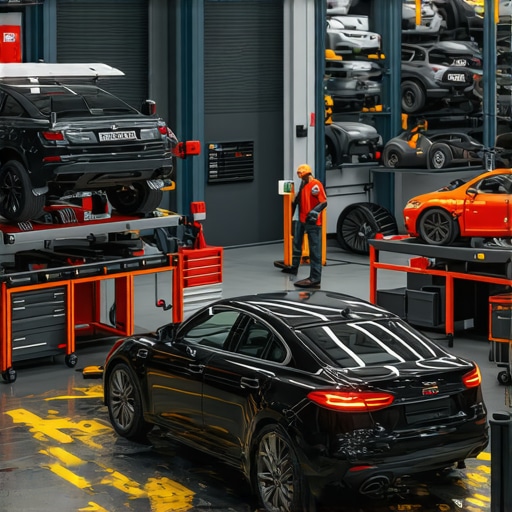
Ever had that sinking feeling when your car suddenly makes a strange noise or, worse, refuses to start when you need it most? I’ve been there. One day, my trusted old sedan sputtered and stalled right in the middle of busy traffic. It was a wake-up call—my vehicle’s health was slipping, and I didn’t even realize how much until it was almost too late. That moment of frustration and worry made me realize something crucial: staying ahead with reliable auto repair and collision fixes isn’t just about fixing problems after they happen, but about preventing them altogether.
Why Staying on Top of Auto Repairs Matters More Than Ever in 2025
With technology advancing rapidly, cars are becoming more sophisticated, and so are the repair challenges. The good news is, the best auto repair strategies now emphasize proactive maintenance, diagnostics, and collision fixes that keep your vehicle safe, efficient, and reliable for years to come. According to a recent industry report, proper upkeep can extend your car’s lifespan by up to 30% and significantly reduce unexpected breakdowns. But the key is knowing what to focus on and when to seek professional help. That’s exactly what I want to share with you today.
Is Auto Repair Still Worth the Investment in 2025?
Early in my journey, I made the mistake of ignoring minor issues—thinking they weren’t urgent. That was a costly lesson. Today, I know better. Regular diagnostics and timely collision repairs not only preserve safety but also save money in the long run. If you’ve ever wondered whether investing in top-tier auto repair is worth it, my answer is a resounding yes. It’s about peace of mind, safety, and keeping your vehicle performing at its best. Curious about the latest tips? Check out top auto repair car service tips for 2025 to get started.
Now, let’s dive into the practical strategies that will help you navigate car maintenance and collision fixes confidently in 2025. Whether you’re a seasoned car owner or new to the game, these insights will make a real difference.
Start with a Comprehensive Diagnostic Check
My first real breakthrough came when I decided to invest in a professional diagnostic scan after noticing my car’s sluggish acceleration. Using advanced tools, the mechanic pinpointed an issue with the transmission sensors that, if left unchecked, could have led to costly repairs. This step is crucial because it provides a clear picture of what’s happening under the hood, saving you time and money in the long run. For reliable diagnostics, consider consulting experts or using high-quality diagnostic tools, and review best auto repair diagnostics tips for 2025.
Prioritize Routine Maintenance and Tune-Ups
Next, I scheduled a tune-up based on manufacturer recommendations, focusing on replacing spark plugs, air filters, and checking fluid levels. Think of your car like a musical instrument—regular tuning keeps it performing at its best. In 2025, manufacturers are pushing for smarter, more efficient tune-up strategies. Use best car service tune-up strategies for 2025 to optimize your maintenance schedule. This approach not only prolongs your vehicle’s life but also boosts fuel efficiency and performance.
Implement Proactive Collision Repairs
One winter, I hit a pothole that caused minor damage to my bumper. Instead of ignoring it, I opted for a quick collision fix. Professionals realigned the bumper and checked for hidden frame damage, preventing future issues. Think of collision repairs as regular health check-ups—they ensure your vehicle’s safety and integrity. For the latest collision repair techniques, check out top auto repair collision fixes for 2025. Addressing minor damages early can save you from expensive repairs down the line.
Focus on Transmission Health
My experience with transmission issues taught me that early intervention is key. I learned to perform regular transmission fluid changes and follow the manufacturer’s service intervals. For expert tips, see expert transmission repair tune-up strategies for 2025. Maintaining your transmission system not only enhances shifting smoothness but also prevents breakdowns that leave you stranded.
Leverage Technology for Continuous Monitoring
Today, I use telematics and onboard sensors that alert me to potential problems before they escalate. Technology like this acts as your vehicle’s personal health tracker, providing real-time updates. To harness the latest in vehicle monitoring, explore top auto repair diagnostics tips for 2025. Setting up alerts for oil changes, brake wear, and tire pressure keeps your car in top shape without guesswork.
Keep Learning and Stay Updated
Auto repair is evolving rapidly with new materials and techniques. I subscribe to industry updates and attend workshops to stay informed. For comprehensive strategies, review expert auto repair tune-up guide for 2025. Staying educated allows you to make informed decisions and catch issues early, ensuring your vehicle remains reliable and safe.
Many car owners fall into common traps when it comes to auto repair, often based on outdated or oversimplified beliefs. Let’s clear up some of the biggest misconceptions and shed light on the nuanced realities that can make a significant difference in maintaining your vehicle effectively. One prevalent myth is that all auto repairs are expensive and unnecessary until something breaks. In reality, proactive diagnostics and regular maintenance can save you thousands in the long run by catching issues early. For instance, investing in a diagnostic check can reveal hidden problems before they escalate, allowing you to address minor concerns instead of costly repairs later.
Why do most people overlook the importance of early detection in auto repair?
Many believe that waiting until a warning light appears or the car noticeably underperforms is the only time to seek help. However, modern vehicles are equipped with advanced sensors that can detect issues before symptoms become apparent. Ignoring these signals often leads to more extensive damage and higher repair costs. Regularly reviewing your vehicle’s telemetry data can help you stay ahead of problems, but this requires understanding what to look for and trusting your diagnostic tools.
Another common mistake is underestimating the importance of collision repairs. Many drivers think that minor body damage is merely cosmetic, but even small dents or scrapes can compromise your car’s structural integrity. In 2025, the emphasis on collision fixes that restore safety features and frame alignment is critical for long-term durability. Overlooking these repairs can lead to more severe issues down the line, especially in the event of a collision or when driving in challenging conditions.
How can advanced diagnostics and proactive maintenance change your auto repair approach?
With the latest diagnostic tools, you can now monitor your vehicle’s health continuously, often via smartphone apps or onboard sensors. This technology enables you to perform preventive maintenance—such as timely fluid changes or component replacements—that optimize performance and extend vehicle lifespan. Many car owners miss out on these benefits because they rely solely on traditional service schedules instead of leveraging real-time data. Embracing this shift is essential for staying ahead in 2025 and beyond.
Furthermore, understanding the nuance behind repair timing can prevent unnecessary expenses. For example, replacing transmission fluid at manufacturer-recommended intervals, rather than waiting for symptoms of failure, preserves transmission health and avoids costly repairs. To get the most out of your maintenance, consider consulting expert advice and transmission tune-up strategies.
In summary, debunking these myths and understanding the advanced nuances of auto repair can save you money, enhance safety, and prolong your vehicle’s life. Don’t fall prey to the misconception that only major problems warrant attention—early, proactive steps are the best investment for your car’s future. Have you ever fallen into this trap? Let me know in the comments.
Maintaining your vehicle over time requires more than just routine checks; it involves leveraging the right tools and adopting effective methods that ensure longevity and reliability. As cars become increasingly sophisticated, so must our maintenance approaches. I personally rely on a combination of advanced diagnostic devices and meticulous manual techniques to keep my vehicle running smoothly for years to come.
Investing in Professional Diagnostic Tools
One of the most valuable investments I’ve made is a high-quality OBD-II scanner. Unlike basic code readers, my scanner provides detailed live data and customizable reports, allowing me to identify potential issues before they escalate. This proactive approach helps me catch problems like misfiring cylinders or sensor failures early on, saving significant repair costs and downtime. For those serious about long-term maintenance, I recommend exploring top auto repair diagnostics tips for 2025 to choose the right equipment.
Developing a Routine Maintenance Schedule
Beyond diagnostic tools, I use a reliable set of manual tools—such as torque wrenches, multimeters, and fluid extractors—to perform routine tasks like oil changes, brake inspections, and fluid flushes. Maintaining proper torque on bolts, especially in critical components like the transmission or suspension, ensures safety and durability. Regularly reviewing best car service tune-up strategies for 2025 helps me stay aligned with manufacturer recommendations and industry best practices.
Using Software for Tracking and Scheduling
I also utilize specialized maintenance software that logs all service activities and alerts me when it’s time for the next check-up. This digital approach replaces guesswork and keeps my maintenance on schedule, which is crucial for older vehicles. As technology advances, I predict that vehicle maintenance will increasingly integrate AI-driven diagnostics, making long-term upkeep more efficient and precise.
How do I keep my tools and methods effective over time?
To ensure my tools stay accurate and my methods remain effective, I regularly calibrate my diagnostic devices and replace worn-out manual tools. Staying updated with industry trends through sources like auto repair diagnostics tips for better car performance allows me to adapt my techniques. I also participate in online forums and workshops to exchange insights and discover new tools that can enhance my maintenance routine.
By combining high-tech diagnostics with traditional manual care, I’ve found that keeping my vehicle in peak condition is both manageable and cost-effective. I encourage you to try a comprehensive diagnostic check with a reliable scanner and see how early issue detection can transform your long-term auto care strategy.
Lessons the Garage Taught Me That Changed Everything
One of the toughest lessons I learned was that ignoring small warning signs can lead to major repairs later. It’s tempting to dismiss that strange noise or a dashboard light, but those signals are your vehicle’s way of whispering trouble. Catching issues early with advanced diagnostics has saved me thousands and kept my car running smoothly for years.
Another insight I gained is that most people underestimate the importance of regular maintenance—something that could be the difference between a reliable ride and a costly breakdown. Routine tune-ups, fluid changes, and collision repairs are investments in safety and longevity. I now see these as essential rituals, not chores, and they’ve transformed my approach to vehicle care.
Finally, I realized that embracing technology isn’t optional anymore. From onboard sensors to smartphone alerts, the tools available today empower us to be proactive. Leveraging these innovations means fewer surprises and more control over my car’s health. If you’re serious about staying ahead, explore top diagnostic tools and learn how they can revolutionize your auto care.
Tools and Resources That Elevate My Auto Maintenance Game
- High-Quality OBD-II Scanner: I trust mine because it provides detailed live data, helping me spot issues early. For those committed to long-term savings, check out recommended diagnostic tools.
- Maintenance Software: Digital logs and alerts keep me on schedule without guesswork. As tech advances, I believe AI-driven diagnostics will become standard—so staying updated is key.
- Expert Blogs and Workshops: Continuous learning from sources like industry leaders helps me adapt and refine my methods.
Take the Wheel and Drive Smarter
Proactive auto repair isn’t just a smart choice; it’s a necessity in 2025. With the right tools, knowledge, and mindset, you can extend your vehicle’s life, improve safety, and save money. Don’t wait for breakdowns—start implementing these strategies today and watch your car perform better than ever. Are you ready to take control of your auto health? Share your experiences or questions below, and let’s learn together!”},

![5 Collisionfixer Tips to Fix 2026 Panel Gaps [Save $1,200]](https://collisionfixer.com/wp-content/uploads/2026/02/5-Collisionfixer-Tips-to-Fix-2026-Panel-Gaps-Save-1200.jpeg)