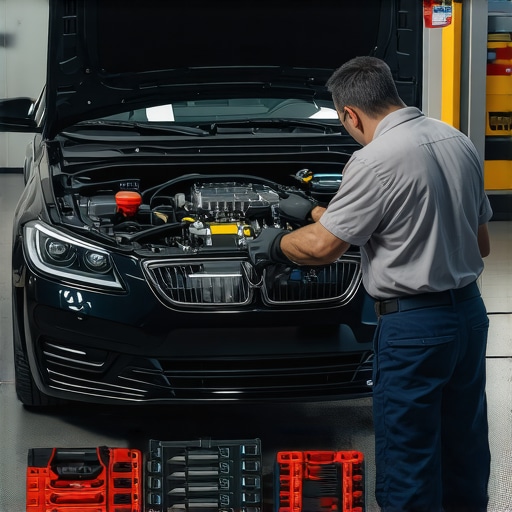
Getting Started: My Journey into Transmission Tune-Ups
Not long ago, I found myself stranded on the side of the road with a slipping transmission. That experience ignited my passion for understanding how to maintain and optimize my vehicle’s transmission system. From that day, I’ve been dedicated to learning expert strategies for transmission repair and tune-up that ensure peak performance and reliability.
Why Regular Transmission Tune-Ups Matter
In my experience, a well-maintained transmission can significantly extend your vehicle’s lifespan. I’ve seen firsthand how neglecting this vital component leads to costly repairs. Regular transmission fluid changes, filter replacements, and system inspections are simple steps that can prevent major breakdowns and keep my car running smoothly.
My Favorite Tune-Up Strategies for Optimal Car Performance
One of the most effective tactics I’ve adopted is adhering to the manufacturer’s recommended maintenance schedule. I make sure to check the transmission fluid level and quality every few months. When I noticed sluggish shifting or unusual noises, I consulted expert advice from Collision Fixer, which provided invaluable tips on diagnosing and addressing common issues early.
What Are the Signs Your Transmission Needs Immediate Attention?
How can I tell if my transmission is starting to fail?
In my personal experience, symptoms like slipping gears, delayed engagement, or strange noises are red flags. It’s crucial to address these signs promptly to avoid costly repairs. Regular diagnostic checks can help catch issues before they escalate, aligning with the best practices shared by experts in the auto repair industry.
Sharing My Tips: Keeping Your Transmission in Top Shape
I now prioritize routine maintenance and stay informed about the latest repair techniques. For instance, using high-quality transmission fluids and ensuring proper cooling can make a significant difference. I also schedule professional tune-ups periodically to detect minor issues early. This proactive approach has saved me both time and money.
Join the Conversation: Your Transmission Repair Experiences
If you’ve faced similar challenges or have your own tips, I’d love to hear your stories. Sharing experiences helps all of us become better at maintaining our vehicles and avoiding unnecessary breakdowns.
For more detailed guidance, I recommend checking out top auto repair tips from Collision Fixer. Remember, consistent attention to your transmission system is key to enjoying a smooth, reliable ride for years to come.
Unveiling Hidden Transmission Troubles: What Experts Know
While routine fluid changes are well-known, seasoned auto technicians recognize subtler signs that hint at impending transmission issues. For instance, delayed shifting or a burning smell can indicate internal wear or overheating, which, if caught early, can save you from extensive repairs. Regular diagnostic scans using professional-grade tools can reveal diagnostic trouble codes (DTCs) that are not apparent during casual inspections. Understanding these indicators can help you preemptively address problems before they escalate, aligning with the advanced strategies discussed in top auto repair tips from Collision Fixer.
The Nuances of Transmission Fluid: Beyond the Basics
Many car owners overlook the importance of transmission fluid quality and its impact on system health. Expert maintenance suggests not just changing the fluid regularly but also choosing the correct type and ensuring it meets manufacturer specifications. Some vehicles benefit from synthetic fluids that offer better heat resistance and longevity. Additionally, inspecting the transmission fluid’s color and odor can provide clues about internal conditions—dark, burnt-smelling fluid signals the need for immediate attention. For a comprehensive approach, consult detailed guides like best transmission tune-up strategies.
How Can Advanced Diagnostics Revolutionize Your Transmission Care?
Modern diagnostic tools go beyond simple code reading; they can analyze data streams in real time, helping technicians pinpoint issues such as slipping clutches or pressure inconsistencies. This tech-savvy approach enables precise repairs, reducing guesswork and unnecessary part replacements. As vehicles become more sophisticated, understanding how to leverage these diagnostics will differentiate a proactive owner from a reactive one. According to industry experts, integrating these diagnostic practices significantly improves vehicle longevity and performance.
Are you leveraging the latest diagnostic technology to maintain your vehicle’s transmission?
Embracing advanced diagnostic methods isn’t just for professionals—many auto enthusiasts are now investing in portable OBD-II scanners and software to monitor their vehicle’s health regularly. Regular analysis can help detect early signs of wear, such as slight pressure drops or sensor anomalies, which might otherwise go unnoticed. This proactive approach aligns with the insights shared by Collision Fixer, emphasizing that early detection is key to avoiding costly repairs and extending your vehicle’s lifespan.
Optimizing Transmission Cooling Systems for Peak Performance
Overheating remains a primary cause of transmission failure, especially during long drives or towing. Expert maintenance involves not only ensuring the transmission fluid is in good condition but also inspecting and upgrading cooling systems. Installing auxiliary coolers or improving airflow around the transmission can significantly reduce operating temperatures. Some high-performance vehicles even incorporate dedicated transmission cooling circuits, showcasing the importance of thermal management in transmission longevity. For tailored advice, many professionals refer to detailed repair and upgrade guides like expert auto repair tune-up guide.
What innovative cooling solutions could extend your transmission’s lifespan?
Innovative cooling options include remote coolers, integrated heat exchangers, and enhanced airflow designs that are becoming more accessible to average vehicle owners. These upgrades are especially vital for vehicles subjected to heavy workloads or extreme climates. Investing in these solutions not only prevents overheating but also promotes smoother shifting and better fuel efficiency, making them a worthwhile consideration for any serious car owner aiming for maximum performance.
If you’re eager to elevate your vehicle’s transmission care, sharing your experiences and strategies can foster a community of well-informed drivers. For more expert insights, explore top auto repair diagnostics tips and stay ahead in vehicle maintenance mastery.
Delving Deeper: My Personal Encounters with Transmission Care
Over the years, I’ve come to appreciate the subtle intricacies of maintaining my vehicle’s transmission system. One memorable experience was when I noticed my car shifting gears with less smoothness. It prompted me to investigate beyond routine fluid changes, exploring aspects like internal component wear and the importance of precise diagnostics. This journey of discovery revealed that a proactive, personalized approach can significantly extend the life of your transmission, transforming a simple maintenance task into an ongoing relationship with your vehicle’s health.
Why Advanced Transmission Diagnostics Can Be a Game Changer
Initially, I relied on basic checks, but learning about advanced diagnostic tools opened my eyes to new possibilities. These tools analyze real-time data streams, revealing issues like pressure drops or sensor anomalies that aren’t visible during regular inspections. I remember reading an insightful article on Collision Fixer about how integrating such diagnostics can preemptively identify wear patterns, saving both time and money. This advanced approach has empowered me to catch potential problems early, ensuring smoother rides and fewer surprises on the road.
How Can I Tailor My Transmission Maintenance to My Driving Habits?
Reflecting on my own driving style, I realized that frequent city stop-and-go traffic demands different maintenance than long highway drives. For example, high-temperature conditions during towing or spirited driving accelerate internal wear. To adapt, I now opt for synthetic transmission fluids with higher heat resistance and consider installing auxiliary coolers, especially for summer trips or heavy loads. According to Collision Fixer, customizing your cooling and fluid strategies based on your driving patterns can dramatically improve your transmission’s longevity.
What Are the Nuanced Signs of Impending Transmission Failure?
In my experience, subtle signs like slight delays in gear engagement or unusual vibrations can be early indicators. A burning smell or faint grinding noises are more urgent signals demanding immediate attention. I learned that maintaining a detailed log of these symptoms helps when consulting professionals. Regularly scheduled diagnostics, especially using professional-grade tools, can uncover issues before they become critical. This proactive mindset aligns with expert advice from Collision Fixer, emphasizing that early detection is key to effective repairs.
Engaging with the Community: Sharing Insights and Learning from Others
Over time, I’ve found that exchanging experiences with fellow enthusiasts and everyday drivers enriches my understanding. Whether it’s tips on cooling upgrades or troubleshooting strange noises, these conversations foster a community of informed owners. I invite you to share your own stories and strategies—because collective knowledge accelerates our ability to keep vehicles in optimal condition. For comprehensive guidance, I recommend exploring top auto repair tips from Collision Fixer, which offers valuable insights into maintaining transmission health in modern vehicles.
Further Reflections: The Future of Transmission Maintenance
Looking ahead, the integration of smarter diagnostics and cooling solutions excites me. Technologies like remote monitoring, predictive analytics, and custom cooling circuits are becoming more accessible, even for the average car owner. Incorporating these innovations can significantly reduce overheating risks and internal wear, especially in demanding conditions. I encourage fellow drivers to stay curious, continually learn, and adopt new strategies—because vehicle longevity depends on our commitment to understanding and caring for these complex systems. If you’re interested in exploring more about cutting-edge repair techniques, check out Collision Fixer’s comprehensive guides. Let’s keep the conversation going—what advanced maintenance techniques have you tried or are curious about? Your insights could inspire others to optimize their transmission care and enjoy safer, more reliable journeys.
Harnessing the Power of Predictive Diagnostics for Transmission Longevity
In my ongoing quest to master transmission care, I’ve discovered that embracing predictive diagnostics is a game-changer. Modern tools like real-time data analysis and sensor integration allow me to monitor internal pressures, temperature fluctuations, and clutch engagement patterns with remarkable precision. This approach not only helps in early detection of wear but also enables me to schedule maintenance proactively, preventing costly breakdowns. According to industry leaders, integrating advanced diagnostics significantly enhances vehicle lifespan and performance, making it a vital component of my maintenance arsenal. For those eager to elevate their diagnostic game, exploring cutting-edge diagnostic techniques is highly recommended.
Innovative Cooling Solutions to Combat Transmission Overheating
Overheating remains a formidable adversary to transmission health, especially during demanding driving conditions. My experience has shown that upgrading cooling systems with auxiliary coolers and improved airflow strategies can dramatically reduce operating temperatures. For instance, remote transmission coolers and dedicated heat exchangers, once considered high-end options, are now accessible and practical for everyday use. These enhancements ensure that internal components operate within safe thermal thresholds, thereby extending their service life. Industry experts emphasize that such thermal management strategies are essential for vehicles subjected to towing, spirited driving, or extreme climates. If you’re contemplating cooling upgrades, consulting detailed guides like expert repair guides can provide valuable insights.
What are the latest advancements in transmission cooling technology that can be integrated into standard vehicles?
The future of transmission cooling lies in smart, adaptive systems that monitor temperature in real time and adjust cooling outputs accordingly. Technologies such as electronically controlled cooling circuits and heat pipe integration are emerging as effective solutions. These innovations promise not only improved thermal regulation but also reduced energy consumption, aligning with sustainable vehicle maintenance practices. I encourage fellow enthusiasts to stay informed about these developments, as they represent the next frontier in transmission longevity. Sharing your experiences with cooling system upgrades or questions about new technologies can foster a community of well-informed drivers committed to vehicle excellence.
Deepening My Understanding of Transmission Fluid Chemistry
Beyond regular changes, I’ve delved into the chemistry of transmission fluids to optimize performance. Synthetic fluids with higher viscosity indices and better heat resistance have proven beneficial in my experience. I pay close attention to the fluid’s color and odor, indicators of internal wear and thermal degradation. Additionally, selecting fluids that meet or exceed OEM specifications ensures compatibility and durability. Expert advice, such as that from best fluid practices, underscores the importance of quality and proper handling. Incorporating these nuanced insights into my routine has markedly improved shift smoothness and system resilience.
Community Insights: Sharing and Evolving Transmission Care Strategies
Engaging with a community of auto enthusiasts and professional technicians has enriched my understanding of transmission maintenance. Whether discussing the merits of synthetic versus conventional fluids or debating cooling system upgrades, collaborative learning accelerates mastery. I invite you to share your own strategies and experiences—your insights could help others avoid pitfalls and adopt innovative practices. Exploring resources like top repair tips can also provide a broader perspective on maintaining peak transmission performance. Together, we can push the boundaries of what’s achievable in vehicle longevity and reliability.
Things I Wish I Knew Earlier (or You Might Find Surprising)
The Subtle Signs of Transmission Trouble
One of the most eye-opening realizations I had was how minor symptoms like delayed gear engagement or slight vibrations can be early warning signs. Catching these early can save you from expensive repairs down the line. Trust me, paying attention to these subtle cues makes all the difference.
The Power of Quality Transmission Fluids
Initially, I underestimated the importance of using the right type of transmission fluid. Switching to synthetic fluids with better heat resistance noticeably improved shifting smoothness. It’s a small investment that pays off in the long run.
Why Regular Diagnostics Are a Game Changer
Learning about advanced diagnostic tools opened my eyes to how much is hidden beneath the surface. Regular scans can reveal issues like pressure drops or sensor anomalies before they cause serious problems. It’s like giving your vehicle a health check-up every few months.
The Impact of Cooling System Upgrades
Upgrading my transmission cooling system with auxiliary coolers drastically reduced overheating during long drives or towing. Proper thermal management is essential for prolonging transmission life, especially in demanding conditions.
Don’t Neglect the Transmission Filter
Replacing the transmission filter regularly was a revelation for me. It kept the fluid cleaner and prevented debris from damaging internal components. Simple maintenance, but incredibly effective.
Resources I’ve Come to Trust Over Time
- Collision Fixer: This site offers practical and up-to-date tips on transmission repair and maintenance. It’s my go-to resource for expert advice.
- MotorTrend: Their comprehensive articles on vehicle maintenance help me understand complex topics in simple terms. Highly recommended for auto enthusiasts.
- AutoZone Technical Library: Their detailed guides and diagnostics tips have been invaluable when I troubleshoot issues myself. A trustworthy source for DIY repairs.
Parting Thoughts from My Perspective
Taking care of your transmission is more than just following a routine; it’s about understanding your vehicle’s unique needs and listening to its signals. Regular tune-ups, quality fluids, and advanced diagnostics have transformed my driving experience, making it smoother and more reliable. If this resonates with you, I’d love to hear your thoughts. Sharing our experiences helps all of us become better car owners and enjoy safer, more dependable rides. Remember, proactive maintenance isn’t just a chore—it’s an investment in your vehicle’s future. Happy driving!
,

![Why Your 2026 Transmission Jerks at Low Speeds [Quick Fix]](https://collisionfixer.com/wp-content/uploads/2026/02/Why-Your-2026-Transmission-Jerks-at-Low-Speeds-Quick-Fix.jpeg)
Sophia Adams
I really appreciate this detailed overview of transmission maintenance. My own experience with slipping gears last year made me realize how important regular check-ups are. I’ve started following manufacturer schedules more strictly and invested in a good quality transmission fluid, which has noticeably smoothed out shifts. The part about advanced diagnostics resonated with me—I recently bought a portable OBD-II scanner to monitor my car’s health proactively. Have others found digital tools effective for early detection, or do you prefer traditional inspections? I’ve noticed that even minor symptoms like delays in shifting or faint noises, if caught early, can prevent major repairs down the line. Upgrading cooling systems has also been on my radar, especially since I do a lot of towing during summer. The industry’s move toward smarter, adaptive cooling tech is exciting; does anyone here have experience with these systems? Looking forward to hearing more tips and personal stories on keeping transmissions in top shape!
Benjamin Carter
This post really hits home for me. I remember the frustration of being stranded due to a transmission failure; it’s a reminder of how proactive maintenance can save so much trouble later. I’ve also started sticking to the manufacturer’s schedule and switch to synthetic fluids, which noticeably improved my shifting experience. What stood out most was the emphasis on diagnostics—using a portable OBD-II scanner has genuinely empowered me to catch early signs of trouble, like small pressure drops or sensor irregularities. It makes me wonder, how do others balance regular DIY checks with professional diagnostics? Do you find that these modern tools can substitute for a mechanic’s assessment, or should they be just part of a broader maintenance plan? I’ve noticed that subtle signs like delayed engagement or minor vibrations seem harmless at first but can escalate quickly if ignored. Upgrading cooling systems has also made a difference in my case—especially during summer towing. I’d love to hear from fellow enthusiasts: what advanced techniques or new technologies have you incorporated into your transmission care routines? Any tips for those considering high-tech diagnostics or cooling upgrades? Sharing experiences could really help all of us extend our vehicle’s life.