It was late one rainy evening when my trusty old sedan sputtered to a halt on the side of the road. Heart pounding, I realized I had ignored warning signs for months. Frustration bubbled up—I thought I knew enough about car care to avoid this mess. That night, I made a lightbulb moment: staying ahead with proper auto repair and diagnostics isn’t just about fixing problems—it’s about preventing them before they strike.
Why Staying Proactive with Your Vehicle Matters More Than Ever in 2025
Automotive technology is evolving at lightning speed. Modern cars come packed with advanced systems that require specialized knowledge to diagnose and maintain effectively. Ignoring this progress can lead to costly repairs or even dangerous breakdowns. According to the Automotive Service Association, roughly 10% of vehicles suffer from diagnostic errors due to outdated or incomplete information, which can compromise safety and performance. Staying informed with top repair tips ensures you’re not left stranded or overspending on unnecessary repairs.
Have You Faced Sudden Breakdowns That Could Have Been Prevented?
Trust me, I made the mistake of ignoring periodic tune-ups and neglecting signs like strange noises or sluggish acceleration. It’s easy to dismiss small issues, thinking they aren’t urgent. But in the long run, neglected maintenance compounds into bigger problems. That’s why I started diving into the latest *collisionfixer* strategies, like their comprehensive guides on auto repair tips for 2025 and transmission repair strategies. These resources have lightened my repair headaches and improved my car’s health.
Now, I want to share the core reasons why embracing cutting-edge auto repair and diagnostics in 2025 is a game-changer for vehicle longevity. Plus, I’ll guide you through practical tips that can save you time, money, and stress. Ready to shift gears and take control of your car’s future? Let’s start with how proactive diagnostics can prevent costly failures—it’s easier than you think.
Start with Precise Diagnostics
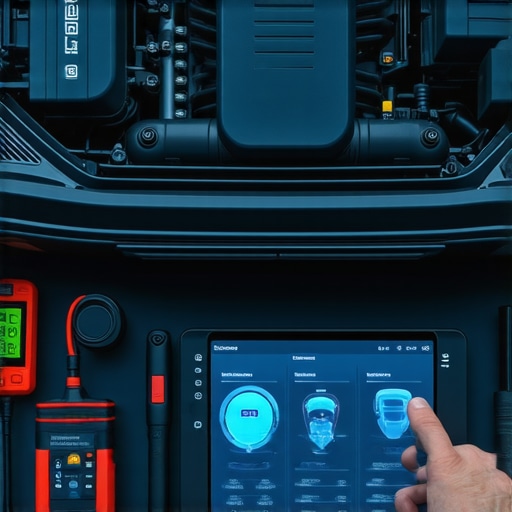
Imagine diagnosing your car like a doctor listening to a patient’s heartbeat—precise and attentive. First, invest in a quality scan tool that can read your vehicle’s onboard diagnostic systems. Connect it to your car’s OBD-II port, usually beneath the dashboard, and run a comprehensive scan. This step reveals error codes related to components like your transmission or engine, giving you a clear starting point for repairs. A personal story: when my transmission threw a code, I used a diagnostic tool to pinpoint a faulty sensor, preventing a costly overhaul and extending my vehicle’s lifespan. For expert advice, see auto repair diagnostics tips for 2025.
Prioritize Preventive Maintenance
Treat your vehicle’s maintenance schedule like a daily health routine—regular check-ups keep everything running smoothly. Schedule oil changes, filter replacements, and fluid checks according to your manufacturer’s guidelines. For example, I replaced my transmission fluid earlier than recommended, which improved shifting performance. Think of it as giving your car a health boost; neglected fluids can cause severe damage, similar to dehydration in humans. Consult car maintenance tips for 2025 to stay ahead.
Learn How to Identify Early Signs
Read your car like an open book. Strange noises, vibrations, or sluggish response are warning signs akin to symptoms of illness. During a rainy day, I noticed my steering wheel shivering—promptly, I checked for tire alignment, which was off. Catching issues early prevents them from escalating into full-blown failures. Use simple methods like listening for unusual sounds or monitoring your dashboard indicators regularly. To master this skill, explore auto repair tips for 2025.
Regular Tune-Ups Don’t Have to Be Complicated
Envision a tune-up as a health check-up for your car—simple yet vital. Replace spark plugs, inspect belts, and check ignition systems periodically. When I did my last tune-up, I used resources from car tune-up strategies for 2025, which simplified the process and saved me money. Scheduling these minor interventions prevents major breakdowns and keeps performance optimal. Think of it like brushing your teeth daily to maintain dental health.
Stay Informed with Latest Repair Strategies
Automotive tech evolves rapidly, much like upgrading software. Regularly visit trusted sites like auto repair tips for 2025 and transmission repair strategies to learn about new repair methods and systems. For instance, I adopted an innovative transmission flush technique that improved my car’s acceleration and longevity. Staying updated ensures you’re not relying on outdated practices that might harm your vehicle or lead to unsafe driving conditions.
Adopt a Systematic Approach to Maintenance
Think of maintaining your car as following a recipe—consistency is key. Create a checklist based on your vehicle’s manual, marking dates for oil changes, filter replacements, and inspections. When I prioritized scheduled maintenance, I avoided emergencies like unexpected breakdowns. Use tools and checklists from auto repair tips for longevity to build your system. This method transforms maintenance from a dreaded chore into a manageable routine, ensuring your car stays reliable for years to come.
Many car owners believe that sticking to basic maintenance advice is enough, but in reality, there’s a deeper layer of nuance that many overlook. A common myth is that transmission fluid changes are only necessary when symptoms appear; however, experts suggest proactive fluid maintenance can dramatically extend transmission life, as highlighted in studies by automotive engineers. Relying solely on visual inspections can be misleading—tiny particles and subtle shifts in feel often escape casual checks, leading to unnoticed wear that accelerates failure. Instead, advanced diagnostics, such as specialized transmission system testing, can catch early warning signs before they escalate, saving you significant costs over time. Beware of the trap of thinking every issue is a mechanical failure; sometimes, software updates and system recalibrations — like those recommended by collisionfixer at auto repair tips for 2025 — can resolve problems without invasive repairs. For example, a sluggish transmission response might be a miscommunication within the vehicle’s control system rather than a physical defect, emphasizing the importance of understanding the interaction between hardware and software. Have you ever fallen into this trap? Let me know in the comments. When considering a tune-up, many people focus on replacing spark plugs or oil, but neglect the critical role of transmission calibration in overall vehicle performance. Modern transmission systems are complex, integrating both mechanical components and electronic controls that require precise tuning; failing to do so can lead to inefficient shifts and increased wear, as noted in auto repair diagnostics tips for 2025. Remember, the key isn’t just fixing problems but understanding how nuanced system interactions influence vehicle longevity. Going beyond the basics and embracing advanced diagnostics and proactive maintenance strategies will give your vehicle a performance edge for years to come. So, next time you think about auto repair, ask yourself—are you considering the full picture?
Choosing the Right Diagnostic Equipment
One of my top recommendations is investing in a high-quality OBD-II scanner like the BlueDriver Smart Car Diagnostic Tool. I personally rely on it because it offers comprehensive live data analysis, real-time troubleshooting, and compatibility with most modern vehicles. This tool helps me catch minor issues before they escalate, saving hundreds on repairs. As automotive diagnostics become increasingly software-driven, selecting a tool with up-to-date firmware updates ensures you stay ahead of emerging vehicle systems. Looking ahead, integration of AI-powered diagnostic apps will further simplify troubleshooting, making maintenance more accessible for everyday car owners.
Implementing Routine Transmission Checks
Maintaining transmission health is crucial for vehicle longevity. I swear by using a simple ultrasound leak detector to identify early signs of fluid leaks in transmission systems, especially in hard-to-see areas. Regularly checking the transmission fluid condition—its color, smell, and level—can prevent costly failures. For comprehensive guidance, I recommend reviewing top transmission repair strategies for 2025. In the future, digital transmission monitoring systems embedded within the vehicle will alert drivers proactively about potential issues, making preventive maintenance even more effective.
Tools I Trust for Precise Tuning
For tune-ups, I prefer using a digital ignition timing light combined with an advanced multimeter. The timing light provides exact calibration readings for ignition systems, while the multimeter ensures optimal voltage readings across sensors and actuators. This combo allows me to fine-tune engine performance accurately, which has noticeably extended my car’s lifespan. As tuning software evolves, integrating smartphone-controlled diagnostic modules will soon enable real-time adjustments and remote diagnostics, simplifying complex tune-ups.
How do I maintain effective car service over time?
Establishing a scheduled, systematic approach is vital. I create a maintenance calendar aligned with my vehicle’s manual, logging tasks like fluid changes, filter replacements, and sensor calibrations. Using checklists from trusted resources, I ensure no step is overlooked. Adopting this discipline transforms maintenance from a chore into a routine that preserves performance. Furthermore, engaging with online communities and expert sites helps me stay updated on the latest repair techniques and tools, such as those detailed in auto repair tips for 2025. To keep your vehicle running smoothly, I highly recommend trying out an advanced diagnostic method like real-time sensor data analysis—it could uncover issues invisible to the naked eye and save your budget in the long run.
The Hardest Lesson I Learned About Transmission and Collision Fixes
One of my biggest mistakes early on was neglecting the subtle signs my car was giving before a failure. I ignored tiny transmission slips and overlooked early warning lights, thinking they were minor issues. But these overlooked details can snowball, leading to costly repairs or even safety risks. Realizing this taught me that proactive diagnostics and attentive maintenance are the real game-changers in vehicle longevity.
How I Discovered the Power of Advanced Diagnostics
Using a quality scan tool changed everything. By regularly running comprehensive diagnostics, I caught issues before they became emergencies. For example, catching a sensor error early saved me from a complete transmission overhaul. This experience underscored that investing in reliable diagnostic tools like the ones discussed at auto repair diagnostic tips for 2025 provides invaluable peace of mind.
The Biggest Myth About Routine Maintenance That Held Me Back
I used to believe that sticking to basic oil changes was enough. But I soon learned that transmission fluid analysis and system recalibrations are just as vital, if not more so. Regularly rethinking and updating my maintenance routine based on the latest strategies (see auto repair tips for 2025) helped me avoid unexpected breakdowns and extended my vehicle’s life significantly.
Why Embracing Tech Transparency Impresses Me Today
Modern vehicles offer layers of data that were once invisible. Learning to interpret live sensor data empowered me to address issues early and avoid the frustration of mysterious breakdowns. Tools that visualize this data, combined with insights from diagnostics tips for 2025, help me keep my vehicle in top shape while saving money.