Have you ever been stranded on the side of the road, staring at a warning light you didn’t understand, feeling that sinking dread that your car might be beyond saving? I’ve been there too. Just a few years ago, I ignored some basic maintenance tips, thinking I could put it off forever. Turns out, that mistake almost cost me thousands in repairs. That light blinking on my dashboard was a wake-up call, and I realized I’d been neglecting the simple, yet crucial, auto care routines that keep a vehicle running smoothly for years to come.
Why Staying Ahead of Car Maintenance Saves You Money and Stress
In my experience, the secret to avoiding costly repairs isn’t just about fixing problems after they happen. It’s about prevention, proactive maintenance, and knowing what to look out for. The automotive world is evolving fast, especially with the upcoming changes in 2025 that make car care more complex but also more manageable when you know the tricks. From advanced diagnostics to smarter parts, staying informed means fewer surprises and more reliable rides. Did you know that regular transmission tune-ups can extend your vehicle’s lifespan significantly? According to Collisionfixer, proper maintenance now can prevent over 70% of future breakdowns.
Ever Faced a Repair That Felt Like a Money Pit?
Early on, I made the mistake of overlooking minor signs of transmission wear. I thought a little noise was nothing, but that tiny issue snowballed into a major repair. Trust me, I learned the hard way that ignoring small problems is a recipe for disaster. That’s why I want to share the proven tips that can help you avoid the same fate. Whether it’s routine oil changes, transmission checks, or collision repairs, being proactive saves money and keeps your vehicle safe. Want to find out how to stay ahead? Let’s dive into the top strategies that will keep your car in top shape well into 2025 and beyond.
Identify Critical Components Before Problems Arise
Start by inspecting your vehicle’s transmission system regularly, just like a doctor checks your vital signs. When I first noticed a slight delay in shifting gears, I ignored it. But soon, the problem worsened, leading to a costly repair. Now, I make it a habit to check transmission fluid levels and look for leaks every 3,000 miles. Use the car’s manual and the tips from Collisionfixer to understand what your car needs. This proactive approach helps catch issues early, saving you from unexpected breakdowns.
Follow a Routine Maintenance Schedule
Adopt a schedule similar to a fitness routine—consistency is key. Schedule oil changes every 3,000 to 5,000 miles, depending on your vehicle’s specifications, and never skip the transmission fluid change. During my last oil change, I asked the mechanic to perform a comprehensive diagnostic, which revealed minor wear on my transmission belts. Addressing this early prevented a potential failure. For detailed guidance, check Collisionfixer’s maintenance tips. Keeping up with routine checks ensures your car remains reliable and efficient, especially as new tech makes diagnostics more advanced.
Utilize Advanced Diagnostic Tools
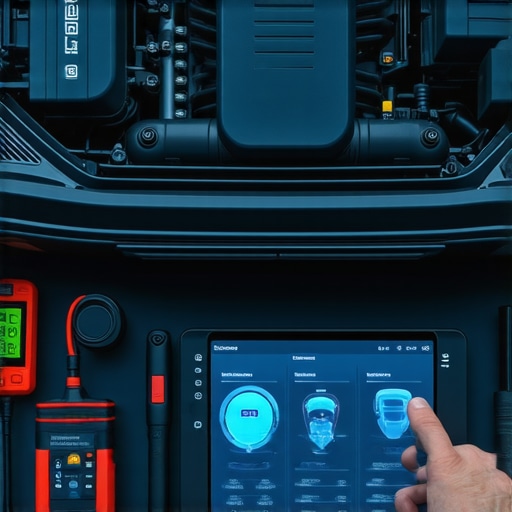
Modern vehicles are like smartphones—they have complex systems that need regular updates and diagnostics. I recently used an OBD-II scanner to read my vehicle’s error codes after noticing a strange noise. It pointed to a minor transmission issue that I could fix before it escalated. Investing in a quality diagnostic tool or visiting a skilled mechanic equipped with the latest technology can make all the difference. For expert advice, explore Collisionfixer’s diagnostic strategies designed for 2025 models. This proactive approach minimizes downtime and keeps your car running smoothly for years to come.
Prioritize Transmission Tune-Ups
Transmission tune-ups are like regular dental check-ups—they prevent bigger problems down the line. I learned this lesson the hard way when a neglected transmission caused my car to stall unexpectedly. Now, I schedule a transmission tune-up every 30,000 miles, replacing filters, fluids, and worn-out parts. For the most effective strategies, review Collisionfixer’s tips on keeping your transmission in top shape. Consistent tune-ups improve performance, fuel efficiency, and extend your vehicle’s lifespan, especially with the added complexity of upcoming 2025 auto tech.
Keep Collision Repairs in Check
Accidents happen, but swift collision repairs prevent further damage and safety risks. After a minor collision, I rushed to a certified repair shop that used the latest collision fixing techniques. The repairs were seamless, and my car felt as good as new. To ensure your repairs last and your vehicle remains safe, consult Collisionfixer’s collision repair tips tailored for 2025. Regular inspections after accidents help catch hidden damages early, saving money and avoiding future breakdowns.
Everyone talks about the basics of car maintenance — oil changes, tire rotations, and checking fluid levels. But let’s dig deeper into what most folks get wrong, often without realizing it. One common myth is that sticking to a strict schedule from the manual guarantees your vehicle’s longevity. While adherence is important, neglecting the nuances of your specific driving habits or the latest auto tech can lead you astray. For example, modern vehicles with advanced diagnostics require more tailored maintenance strategies, which you might miss if you only follow generic timelines. According to Collisionfixer, embracing a personalized maintenance approach now can significantly extend your car’s life and performance.
Why Do Many Overlook Transmission Care and What’s the Real Risk?
A mistake I see often is underestimating the importance of transmission maintenance. Many believe that as long as it shifts smoothly, everything is fine. But transmission systems are complex, and small issues like delayed shifts or slipping can indicate deeper problems that, if ignored, escalate into costly repairs. A common trap is waiting until a warning light appears before acting — which is often too late. Regular transmission fluid checks and early diagnostics can prevent this. Experts agree that proactive transmission care, including scheduled tune-ups, can save you thousands. For detailed guidance, check Collisionfixer’s tips on proactive transmission maintenance, especially as vehicles integrate smarter systems in 2025.
Another nuance is understanding the difference between routine maintenance and diagnostic checks. While oil and filter changes are straightforward, modern vehicles benefit from advanced diagnostic tools that can detect hidden issues invisible to the naked eye. Utilizing these tools at the right intervals is a nuanced skill that can make or break your vehicle’s reliability. According to Collisionfixer, staying ahead with diagnostics tailored for 2025 models ensures you’re not just fixing problems but preventing them.
Finally, many drivers overlook collision repairs’ importance — not just for safety but for maintaining vehicle integrity. Quick and proper collision fixes prevent further damage and costly future repairs. A well-executed repair restores your car’s safety and longevity, especially with new collision repair technologies emerging in 2025. For insights into effective collision repair strategies, visit Collisionfixer.
Have you ever fallen into this trap? Let me know in the comments, and remember, the smarter your maintenance, the longer your vehicle keeps you safe and stress-free on the road.
How do I maintain my vehicle over time using the right tools?
Maintaining a vehicle for long-term performance isn’t just about instinct; it requires specialized tools and a systematic approach. Personally, I rely on a few key pieces of equipment that have revolutionized my maintenance routine. One of my favorites is the OBD-II scanner. This device allows me to read error codes directly from my car’s computer, pinpoint potential issues before they become major problems. For example, after noticing a slight hesitation in acceleration, I used my scanner to identify a pending transmission fault, which I was able to address proactively. This saved me from costly repairs down the line. I recommend a model like the BlueDriver or the FIXD scanner, which are user-friendly and provide detailed diagnostics, making them a must-have in any auto repair toolkit.
Another tool I swear by is a digital multimeter. It helps me check battery voltage, inspect wiring, and verify sensor outputs with precision. For instance, during a recent cold snap, I tested my battery’s health and found it was nearing the end of its life, prompting a timely replacement that prevented a roadside breakdown. Investing in a reliable multimeter like the Fluke 115 has paid off by giving me peace of mind and ensuring my vehicle’s electrical systems are in top shape.
Additionally, I use a transmission fluid tester to regularly assess fluid condition. Transmission fluid is critical for smooth shifting and longevity, but it’s often overlooked. I check it every 30,000 miles, following the advice from Collisionfixer, to catch early signs of contamination or wear. This simple step has prevented me from expensive transmission repairs, especially as modern vehicles incorporate complex systems that demand precise maintenance.
Looking ahead, I believe the trend will lean heavily toward integrated diagnostic platforms that seamlessly connect with your smartphone, giving real-time health updates and maintenance alerts. Companies are developing apps that sync with onboard systems, making vehicle maintenance more accessible than ever. I predict that in the next few years, DIYers will have access to more sophisticated tools, blending professional-grade diagnostics with user-friendly interfaces, ultimately empowering everyone to keep their cars in peak condition.
To start optimizing your vehicle maintenance routine today, I recommend trying out a quality OBD-II scanner. It’s an affordable investment that will pay dividends by helping you identify issues early, save money, and extend your car’s lifespan. Remember, proactive care is the key to keeping your vehicle running smoothly for many miles to come. For more expert strategies, check Collisionfixer’s latest tips on effective auto maintenance practices.
The Hardest Lesson I Learned About Vehicle Maintenance
One of my biggest realizations was how neglecting small transmission issues can snowball into expensive repairs. Ignoring that delayed shift or strange noise might seem minor, but it often signals underlying problems that, if left unchecked, can ruin your vehicle. I learned the importance of early diagnostics and regular checks through personal experience and expert advice.
3 Myths About Car Maintenance That Held Me Back
Many drivers believe that routine oil changes are enough for longevity. But in reality, vehicles today require personalized maintenance strategies, especially with advanced tech in 2025 models. Another myth is that waiting for a warning light is fine—early diagnostics can prevent breakdowns. Lastly, some think collision repairs are only cosmetic, but proper fixes are vital for safety and durability, especially as collision repair technologies evolve.
What Experts Won’t Tell You About Vehicle Longevity
Automotive specialists emphasize that proactive transmission care, including scheduled tune-ups, significantly extends your car’s life. They also advocate for utilizing advanced diagnostic tools like OBD-II scanners to catch issues early. Embracing personalized maintenance routines over generic schedules can dramatically improve reliability and save money. For detailed insights, check out Collisionfixer’s expert tips tailored for 2025 models.
My Essential Toolkit for Vehicle Maintenance
I trust a quality OBD-II scanner like BlueDriver or FIXD to identify hidden problems early. A digital multimeter helps me monitor electrical systems and prevent roadside failures. I also keep a transmission fluid tester handy to assess fluid condition regularly, which is crucial for smooth shifting and durability. These tools empower me to maintain my vehicle proactively and avoid costly repairs, especially with the complex systems in modern cars. For a comprehensive upgrade to your auto repair routine, explore Collisionfixer’s diagnostics strategies.
Your Turn to Try
Investing in the right tools and adopting a proactive maintenance mindset can transform your vehicle care routine. The future of auto maintenance is about smarter diagnostics and personalized strategies that save you money and stress. Don’t wait for problems to become urgent—start today and enjoy a safer, more reliable ride into 2025 and beyond. What’s the first maintenance step you plan to take after reading this? Share your thoughts below and let’s keep the conversation going!