
I’ll never forget that sinking feeling when my car sputtered unexpectedly on a chilly morning, refusing to start. It was one of those moments where I realized how unprepared I was to handle vehicle troubles. That experience sparked a lightbulb moment: staying ahead with proper auto repair and diagnostics isn’t just about fixing problems—it’s about preventing them before they leave you stranded.
Why Staying Ahead of Auto Repairs Matters More Than Ever in 2025
As vehicles become increasingly sophisticated, so do the challenges of maintaining them. Modern cars are packed with complex systems that require specialized knowledge and proactive care. Neglecting these can lead to costly repairs and safety risks on the road. But here’s the good news: with the right tips and strategies, you can keep your vehicle running smoothly and avoid unexpected breakdowns.
From advanced diagnostics to effective tune-up practices, staying informed empowers you to make smarter decisions about your car’s health. According to a recent report by the National Institute for Automotive Service Excellence, proper vehicle maintenance can extend the lifespan of your car by up to 30% and save hundreds, if not thousands, in repair costs over time. That’s a compelling reason to invest in knowledge rather than just reacting to issues as they arise.
Have you faced a frustrating breakdown that could’ve been prevented?
Early mistakes, like ignoring minor warning signs or skipping routine diagnostics, often lead to bigger problems down the line. I learned this the hard way when I missed a small transmission slip that later necessitated an extensive rebuild. It was a clear lesson: preventative care, especially in the realm of auto diagnostics, is your best ally.
In this post, I’ll share key automotive tips tailored for 2025 to help you optimize your vehicle’s performance, ensure safety, and save money. Whether you’re a seasoned gearhead or a casual driver, these insights are designed to make you more confident behind the wheel. Are you ready to become your car’s best maintenance buddy? Let’s dive into the essentials so you can hit the road with peace of mind.
Start with Routine Diagnostics Checks
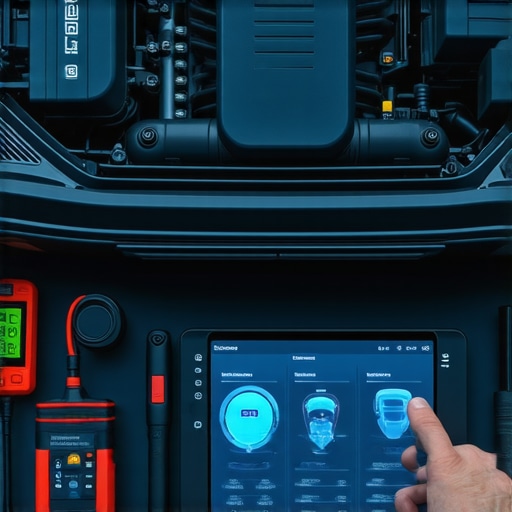
Think of your vehicle like a patient in a doctor’s office—regular checkups are essential for early detection. Use advanced diagnostic tools, whether you’re DIY-ing or visiting a shop, to scan for issues before symptoms appear. This proactive step can catch problems like misfiring sensors or low fluid levels early, saving you from costly repairs later. For expert tips on performing effective diagnostics, visit this guide. Remember, neglecting diagnostics is like ignoring warning lights—eventually, it leads to breakdowns.
Perform Targeted Tune-Ups Like a Pro
Next, focus on tune-up essentials, which act as your vehicle’s health overhaul. Change out spark plugs, air filters, and fluids regularly—these are like vitamins for your car. When I last replaced my air filter, I noticed smoother acceleration and improved fuel efficiency almost immediately, thanks to these expert-approved techniques. Consider a comprehensive engine tune-up to optimize performance. Think of it as upgrading your engine’s software, making everything run more efficiently and reducing strain on other parts.
Prioritize Transmission Care with Precise Maintenance
Transmission health is crucial, often overlooked until it’s too late. Regularly check transmission fluid levels and quality; think of this as blood work for your car. Using the right type of fluid and ensuring it’s at optimal levels ensures smooth shifting. A transmission that’s well-maintained runs like a well-oiled machine—think of it as lubrication that prevents grinding gears and expensive repairs. For detailed strategies, explore the latest transmission tune-up tips.
Keep Critical Components Lubricated and Clean
Components like belts, hoses, and brakes deserve routine attention. Check for signs of wear—cracks, leaks, or squeaks—and replace parts before they fail. Think of these parts as the joints in your body; neglect leads to pain or breakdowns. Regular inspections and timely replacements are your best defense against roadside surprises. For specific collision fixes and safety upgrades, review this resource.
Adopt a Schedule That Fits Your Driving Habits
No one-size-fits-all here; tailor your maintenance schedule based on usage—city driving, long trips, and weather conditions all influence wear and tear. Use your vehicle’s manual as a primary guide, but supplement with diagnostic and performance checks more frequently if you tow or drive strenuous routes. Think of this as a personal health plan—they get more frequent checkups, they stay healthier.
Leverage Technology for Smarter Maintenance
Modern vehicles offer onboard diagnostics that can send alerts directly to your smartphone. Sync your vehicle’s system with apps to receive proactive maintenance reminders. This integration is like having a personal assistant who notifies you of upcoming oil changes or system updates. To maximize vehicle longevity and safety, see this comprehensive guide.
Many car owners believe that just visiting a mechanic once a year or relying solely on routine maintenance is enough to keep their vehicle in top condition. However, this oversimplifies the complexities involved in proper auto repair and diagnostics. A pervasive myth is that all auto repair shops, including collisionfixers, are interchangeable and always trustworthy. In reality, some shops prioritize quick fixes over thorough diagnostics, leading to costly mistakes later. For instance, relying solely on visual inspections without leveraging advanced diagnostic tools can cause you to overlook critical issues—something highlighted in expert advice on diagnostics for peak performance.{
Investing in the Right Equipment for Lasting Performance
When it comes to maintaining your vehicle over the years, having the appropriate tools can make all the difference. I personally swear by a high-quality digital inspection camera. This compact device allows me to peer into tight spaces—like behind the engine block or inside the transmission housing—to identify issues early. It saves me time and money by catching problems before they escalate, aligning with the advice found in expert guides on auto diagnostics.
Another essential is a reliable multimeter with automotive-specific settings. It helps me verify electrical components and ensure sensors and connections are functioning correctly. For long-term health, I also invest in a good set of socket and wrench kits with ergonomic handles, reducing fatigue during extended repair sessions, which is crucial for weekend warriors tackling their vehicle maintenance.
Leverage Software to Track and Schedule Maintenance
Embracing technology is vital for sustainable vehicle care. I recommend a dedicated maintenance tracking app like AUTO365 or Carfax, which logs service history, alerts you to upcoming oil changes, and schedules diagnostic checks automatically. These tools are invaluable; they prevent neglect and promote consistent upkeep—key for extending your car’s lifespan. As vehicles evolve, so does the need for smarter management, making these digital aids indispensable.
Predicting Future Trends in Vehicle Care
Looking ahead, the integration of AI-driven diagnostics and remote monitoring systems will revolutionize long-term maintenance. Vehicles will soon communicate directly with service centers, alerting technicians proactively. Staying ahead means adopting these innovations early. For example, learning to interpret data from advanced diagnostic systems will empower you to detect subtle performance shifts before they become significant issues.
How do I maintain optimal transmission health over time?
Consistent transmission care involves more than just periodic fluid checks. It’s vital to use manufacturer-approved fluids and change them at recommended intervals. Employing state-of-the-art transmission repair systems can identify micro-slips or shifting irregularities early on. I personally use a detailed diagnostic and tuning approach outlined in these recommended techniques. Regular inspections and software updates will keep your transmission shifting smoothly for miles to come. Try setting a quarterly check-in with a dedicated diagnostic system to catch minor issues before they cause major repairs.
Reflecting on my journey through auto maintenance, I’ve realized that the most valuable lessons often come from overcoming unexpected setbacks. One experience taught me that understanding the intricacies of modern vehicle systems and staying ahead with diagnostics can transform your driving experience from stressful to confident.
Lessons I Didn’t Expect in Auto Maintenance
- Sometimes, neglecting small warning signs leads to costly repairs—trust me, catching issues early saves time and money.
- Investing in proper diagnostic tools and keeping up with technological advancements makes routine checks more effective and less intimidating.
- Understanding your vehicle’s systems allows you to communicate better with technicians, ensuring accurate repairs.
- Consistency in maintenance—like scheduled diagnostics and targeted tune-ups—builds long-term vehicle health.
- There’s a deeper satisfaction in knowing your car is safe and performing optimally, which boosts confidence on every trip.
Tools and Resources That Changed My Approach
- Auto diagnostics apps and devices: These help me monitor my vehicle’s health in real-time and schedule proactive maintenance. I rely on tools like the ones described in this comprehensive guide.
- Expert literature and manuals: Books and online resources, such as automotive maintenance guides, provide in-depth insights that empower my decisions.
- High-quality diagnostic equipment: Investing in tools like digital inspection cameras and multimeters has allowed me to identify issues before they become emergencies.
- Maintenance tracking apps: They remind me of scheduled checkups and keep my vehicle records organized, ensuring nothing is overlooked.
Keep Driving Smarter and Safer
Taking control of auto maintenance through proactive diagnostics, targeted tune-ups, and embracing technology can revolutionize the way you care for your vehicle. By doing so, you’re not just avoiding breakdowns—you’re investing in your safety, satisfaction, and peace of mind on every journey.
What’s your biggest lesson learned from vehicle maintenance? Share your story below—I’d love to hear how you’ve turned challenges into successes!


Helen Carter
I really resonated with the idea of proactive diagnostics being a game changer. When my car started acting up, I ignored a few warning lights, thinking it was just a minor issue. Sadly, it turned into a much bigger problem that cost me significantly more. Since then, I’ve started using a basic diagnostic scanner that connects to my phone, and I try to check my vehicle’s health every few months. It’s amazing how early detection can save so much money and stress.
What I’d love to hear from others is—how do you balance routine maintenance with unexpected repairs? Do you have any go-to tools or apps that make diagnostics easier? I believe staying ahead is key, especially with today’s complex vehicle systems. It’s reassuring to know we can all take small steps to keep our cars running smoothly so we’re not caught off guard. Looking forward to hearing more tips on how everyone manages their vehicle’s health!