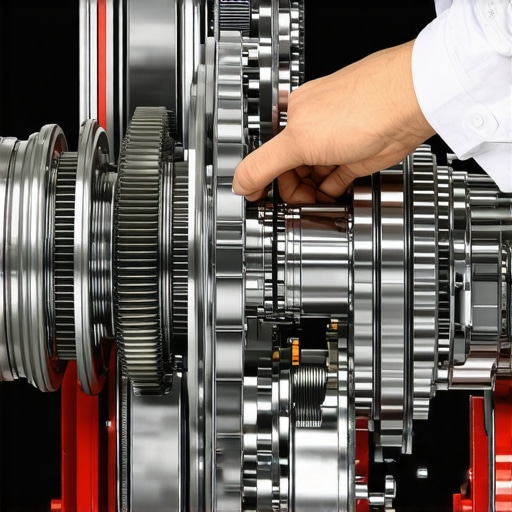
Ever been stranded on the side of the road because your car suddenly refused to shift gears smoothly? I remember the sinking feeling in my stomach when my transmission started slipping during a busy weekday. It was a wake-up call that even the most reliable vehicles need proper maintenance to perform at their best. That moment made me realize that neglecting transmission care and tune-ups isn’t just about avoiding breakdowns; it’s about maximizing efficiency, safety, and longevity in 2025’s rapidly evolving automotive landscape.
Why Now is the Perfect Time to Focus on Your Car’s Heart
With advancements in vehicle technology, the importance of a well-maintained transmission and tune-up has never been clearer. Modern transmissions are more sophisticated than ever, integrating electronic systems that demand precise care. According to experts, neglecting routine maintenance can lead to costly repairs and decreased fuel efficiency. In fact, a poorly maintained transmission can reduce your car’s performance by up to 20%, costing you more at the pump and in repairs over time. If you’re like me, you want your vehicle to run smoothly, safely, and efficiently — and that starts with understanding the best strategies for 2025.
Have you ever faced unexpected vehicle trouble that could’ve been prevented?
Early on, I made a critical mistake: ignoring the signs of transmission wear and skipping regular tune-ups. It seemed minor at first, but over time, those small issues snowballed into major repairs. Trust me, the key to avoiding that nightmare is knowing what to do now. From fluid changes to system diagnostics, the right approach can keep your vehicle performing at peak levels. To learn more about how to keep your car in top shape, check out these top auto repair tips.
In the sections ahead, I’ll share proven transmission and tune-up strategies that will help you maximize your vehicle’s performance in 2025. Whether you’re a daily commuter or a weekend adventurer, these insights will help you avoid costly repairs and enjoy a smoother ride all year round.
Start with a Complete Transmission Flush
Think of your transmission like the heart of your car, pumping vital fluid to keep everything running smoothly. I remember the first time I replaced my transmission fluid myself; it was messy but rewarding. Drain the old fluid entirely, then refill with manufacturer-approved transmission fluid. This simple step prevents sludge buildup and maintains proper hydraulic pressure, which is crucial for shifting performance. Regular fluid changes, ideally every 30,000 miles, can extend your transmission’s lifespan and ensure peak efficiency. For detailed guidance, check out these transmission service strategies.
Inspect and Replace Worn-Out Components
Imagine a chain only as strong as its weakest link; your transmission relies on several small parts working in harmony. I once overlooked a cracked clutch plate, which eventually caused my entire transmission to fail. Regular inspection involves checking the clutch discs, bands, solenoids, and seals. Use a reputable mechanic or perform a DIY diagnostic with a scan tool to identify wear early. Replacing worn parts before they fail saves money and prevents dangerous breakdowns. For expert advice, visit auto repair diagnostics tips.
Optimize Transmission Fluid Quality
High-quality transmission fluid is like premium fuel for your car—essential for top performance. In 2025, many vehicles benefit from synthetic fluids that withstand higher temperatures and resist breakdown longer. During a tune-up, I switched to synthetic fluid, which improved shifting responsiveness and reduced engine noise. Be sure to select the fluid type recommended by your vehicle manufacturer. Regular top-offs and fluid tests, especially before long trips, ensure your transmission stays lubricated and cool. For insights on the best fluids, explore auto repair tips.
Update Transmission Software and Firmware
Modern transmissions often include electronic controls that can be updated with the latest software for improved performance. I once took my car to the dealership for a firmware update, and the difference was noticeable—smoother shifts and better fuel economy. Use diagnostic tools or visit your dealer to check for updates. Regular updates fix bugs and optimize shifting algorithms, which is especially vital as vehicle technology evolves rapidly in 2025. To learn more, visit auto repair diagnostics tips.
Schedule Regular Professional Tune-Ups
While DIY maintenance is helpful, professional tune-ups catch issues you might miss. A mechanic can perform a comprehensive system scan, adjust transmission bands, and calibrate electronic controls. I schedule a tune-up every 15,000 miles, which keeps my vehicle running smoothly and prevents costly repairs down the line. For best results, combine these tune-ups with other preventative measures, including fluid checks and component inspections. Find trusted professionals through auto repair service tips.
Many car owners operate under misconceptions that can lead to costly mistakes. One prevalent myth is that transmission fluid only needs changing when it looks dirty or the car shows signs of trouble. In reality, experts emphasize the importance of adhering to a regular schedule, typically every 30,000 miles, regardless of the fluid’s appearance. This proactive approach helps prevent sludge buildup and hydraulic issues, which are often invisible but detrimental over time. For more detailed insights, check out these transmission service strategies.
Another common misconception is that all transmission issues stem from fluid problems. While fluid quality is critical, many overlook the significance of worn-out components like clutch discs, seals, and solenoids. These small parts often fail silently, causing greater damage if not inspected regularly. Regular diagnostics can catch these issues early and save you from expensive repairs. Visit auto repair diagnostics tips for expert advice.
Why Do Many People Miss the Advanced Signs of Transmission Wear?
In my experience, one of the biggest pitfalls is ignoring subtle signs like slight shudders during shifting, delayed engagement, or odd noises. These symptoms often signal underlying electronic or mechanical issues that, if left unaddressed, can escalate into complete transmission failure. Modern transmissions incorporate electronic control modules that are just as vital as hydraulic systems. Updating this software through firmware updates can significantly improve performance and prevent issues—yet many overlook this step. According to auto repair experts, neglecting software updates can lead to mis-shifts and decreased fuel efficiency.
Additionally, many drivers believe that once a transmission is serviced, no further attention is needed until next scheduled maintenance. But in practice, transmission health is a dynamic condition influenced by driving habits, climate, and even road conditions. Regularly checking for early warning signs and performing firmware updates can extend your transmission’s lifespan well beyond the average. For comprehensive maintenance strategies, explore these advanced car service tips.
Have you ever fallen into this trap? Let me know in the comments. Staying informed about these hidden nuances can help you avoid costly repairs and keep your vehicle running smoothly for years to come. Remember, proactive maintenance is the key to maximizing safety and performance in 2025 and beyond.
How do I maintain my transmission over time
Keeping your transmission in top condition requires the right tools and a strategic approach. One of my go-to tools is a high-quality scan tool like the Autel MaxiSys. I personally use it because it provides comprehensive diagnostics, from reading error codes to monitoring live data streams, which helps me catch issues early before they escalate. Regularly using this device allows me to verify that all electronic components and software updates are functioning optimally, aligning with the trend towards smarter, electronics-driven transmissions in 2025. These diagnostic tips have helped me fine-tune my maintenance routine effectively.
In addition to diagnostic tools, I rely heavily on a precision fluid extractor. This device makes changing transmission fluid cleaner and more efficient, ensuring I don’t introduce contaminants. I prefer models with a flexible hose and clear measurement markings so I can precisely control fluid volume and avoid overfilling. Maintaining clean, high-quality synthetic fluid is crucial since it withstands higher temperatures and resists breakdown longer, which is vital for modern transmissions. For expert guidance, check out these performance tips.
Another essential piece of equipment I recommend is a professional-grade electronic control unit (ECU) updater. With rapid software evolution in vehicle systems, keeping your ECU firmware current can dramatically improve shifting smoothness and fuel economy. I use a dedicated updater device connected via OBD-II, which allows me to install manufacturer-released updates myself, saving both time and money. As vehicle technology advances, I believe firmware updates will become even more integral to maintaining long-term transmission health, making this a vital tool for any car enthusiast or professional mechanic.
Long-term, investing in regular professional diagnostics is key. I schedule a comprehensive check-up every 15,000 miles, where my mechanic uses advanced diagnostic software to scan for subtle electronic or mechanical issues. This proactive approach ensures my transmission remains reliable, especially as we see increasing integration of electronic systems in 2025 models. For a detailed look at effective diagnostic routines, visit these diagnostic strategies.
Looking ahead, I predict that the trend toward integrated, AI-driven diagnostic tools will accelerate, making maintenance even more precise and personalized. As these innovations become more accessible, maintaining your transmission will shift from routine checks to predictive analytics, enabling you to address issues before they manifest. So, I encourage you to start with a solid diagnostic tool and stay updated with the latest firmware releases—these are the best steps to ensure your vehicle keeps running smoothly in 2025 and beyond. Try using a diagnostic scanner like the Autel MaxiSys today and see the difference it makes in your maintenance routine!
What I Wish I Knew About Transmission Longevity
- One of the toughest lessons I learned was how subtle signs of wear can hide behind seemingly minor issues. Ignoring slight shudders or delayed shifts almost cost me my transmission.
- Early in my journey, I believed that simply changing the transmission fluid was enough. Now I realize that regular diagnostics and software updates are equally critical as the car technology advances.
- My biggest lightbulb moment was discovering how much the electronic control modules influence shifting performance. Keeping firmware updated isn’t just for new cars — it’s a must for all modern transmissions.
- Over time, I’ve learned to trust comprehensive, proactive maintenance routines over reactive fixes. This approach saves money and keeps my vehicle safer on the road.
Tools and Resources That Keep My Car in Top Shape
- Autel MaxiSys: I rely on this high-quality scan tool for quick and thorough diagnostics. It helps me catch issues early and verify that updates are properly installed.
- Synthetic transmission fluid: Switching to this has significantly improved my shifting responsiveness and reduced engine noise, especially in extreme temperatures.
- ECU Updater Devices: These tools allow me to perform firmware updates myself, ensuring my transmission software is always current.
- Trusted Mechanics: Regular professional tune-ups complement my DIY efforts, catching problems that might slip through otherwise.
Take Action and Keep Your Vehicle Performing
In 2025, transmission care isn’t just about fixing problems — it’s about preventing them with smart, informed decisions. Staying on top of software updates, diagnostics, and routine maintenance will pay off in safer, more efficient driving. Don’t wait for warning signs—be proactive today and enjoy the peace of mind that comes with a well-maintained transmission. Your car’s heart depends on it, so start today!
What’s the one transmission maintenance tip that changed how you care for your vehicle? Share your experience below!

![Why Your 2026 Transmission Jerks at Low Speeds [Quick Fix]](https://collisionfixer.com/wp-content/uploads/2026/02/Why-Your-2026-Transmission-Jerks-at-Low-Speeds-Quick-Fix.jpeg)