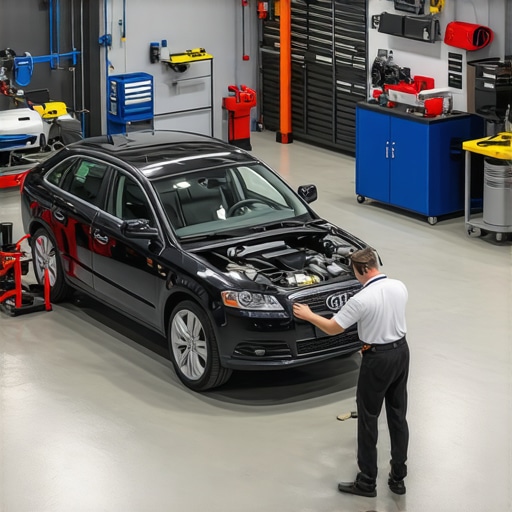
It was a chilly morning when I turned the ignition and was met with a sluggish response. My heart sank. That sinking feeling—knowing your car might be on its last legs—hit hard. I realized that neglecting regular maintenance was catching up with me. That day, I had a lightbulb moment: proactive auto care is the real secret to boosting my vehicle’s longevity. If you’ve ever experienced a sudden breakdown or an unexpected repair bill, you know exactly what I mean.
Why Proper Car Maintenance Is More Critical Than Ever in 2025
Automobiles today are more advanced than ever, packed with sophisticated technology and complex systems. According to industry experts, regular maintenance can extend a vehicle’s lifespan by up to 30%. That’s a significant figure when you consider the cost of buying a new car. The key lies in understanding what to do and when to do it. Skipping routine checks not only risks costly repairs but also compromises safety. As I learned early on, a small oversight—like neglecting transmission fluid or ignoring warning lights—can snowball into major problems. This is why staying ahead with scheduled auto repairs and diagnostics is essential. For comprehensive strategies, check out top auto repair diagnostics tips for 2025.
Question Header: Is regular maintenance worth the effort in the long run?
I used to think that occasional check-ups were enough. My mistake was waiting until something broke. That approach often leads to more expensive fixes and unnecessary stress. Trust me, consistent preventive maintenance—like oil changes, brake inspections, and transmission tune-ups—saves money and time. Early on, I overlooked simple tasks like checking tire pressure or replacing filters, which cost me dearly later. Now, I swear by a proactive maintenance routine that keeps my car running smoothly year after year. To stay on top of what needs to be done, I recommend exploring top auto repair car service tips for 2025.
}# Answer ibr />
Perform Regular Diagnostic Checks
Start by scheduling comprehensive diagnostics every 6 months. Think of this as a health check-up for your car—catching issues early prevents breakdowns. Use advanced diagnostic tools or visit a trusted mechanic who can interpret the data accurately. This proactive approach ensures that vital systems like the engine, transmission, and brakes are functioning optimally. For detailed diagnostics strategies, explore top auto repair diagnostics tips for 2025.
Maintain Transmission System
Check Transmission Fluid Levels Monthly
Transmission fluid is like the blood of your vehicle’s transmission—without it, the system fails. Regularly check the fluid level and quality; dark or burnt-smelling fluid indicates the need for a change. Use the vehicle’s manual to locate the transmission dipstick, and ensure the fluid is at the recommended level. During my last check, I found a small leak, which I promptly addressed, preventing a costly overhaul. For expert guidance, visit top transmission repair tips for 2025.
Schedule a Transmission Tune-Up Annually
Annual tune-ups involve replacing transmission fluid and filters, which keeps the system running smoothly. Imagine your transmission as a finely-tuned musical instrument—regular maintenance ensures harmony and prevents discord. I once skipped this step, leading to rough shifting; after a tune-up, my car felt revitalized. Use expert transmission tune-up strategies to guide your service schedule.
Prioritize Preventive Maintenance
Oil and Filter Changes Every 5,000 Miles
Think of oil as the lifeblood of your engine—clean oil reduces friction and wear. Change it according to the manufacturer’s recommendations, typically every 5,000 miles. I once delayed an oil change, and my engine warning light flickered; a quick change fixed the issue and saved me from potential engine damage. For optimal results, follow top auto repair car service tips for 2025.
Inspect Brakes and Tires Regularly
Brakes and tires are your safety team. Check brake pads for wear and replace them before they become unsafe. Similarly, monitor tire pressure monthly; under-inflated tires reduce fuel efficiency and handling. Remember, a simple tire pressure check is like giving your car a shot of energy—improving performance instantly. During one rainy week, I noticed my tires were under-inflated; inflating them improved grip and fuel economy. Use auto repair diagnostics to stay on top of these critical checks.
Stay Updated with Manufacturer Recall Notices and Software Updates
Modern cars often have software that requires updates. Ignoring these can compromise safety and performance. Set reminders to check for recalls and updates; think of it as updating your smartphone—necessary for optimal function. I once missed a software update, which caused my vehicle’s infotainment system to freeze; updating resolved the issue swiftly. For assistance, visit auto repair diagnostics tips.
Unveiling the Hidden Nuance in Car Maintenance
Many car owners operate under misconceptions that can lead to costly mistakes. One prevalent myth is that waiting for warning lights before servicing is sufficient. In reality, modern vehicles often display alerts only after damage has begun, making proactive checks far more effective. Experts emphasize that routine diagnostics, even when no symptoms are apparent, are crucial for maintaining vehicle health. For instance, advanced diagnostics can detect issues invisible to the naked eye and prevent serious failures.
Contrarian View: Is Regular Maintenance Always Necessary?
Contrary to popular belief that maintenance can be postponed until problems arise, studies show that adhering strictly to scheduled service intervals significantly reduces the risk of breakdowns. According to automotive industry research, neglecting routine oil changes, brake inspections, or transmission checks can accelerate wear and tear, ultimately shortening your vehicle’s lifespan. This can be particularly deceptive with newer cars equipped with complex software that requires timely updates. Ignoring these updates, as noted in diagnostic tips for 2025, can compromise safety and performance.
The Oops Factor: Beware of Overlooking Transmission Maintenance
One common mistake is underestimating the importance of transmission fluid care. Many drivers think that a transmission tune-up is a luxury rather than a necessity. However, as I learned, neglecting this can lead to rough shifting, overheating, and ultimately costly repairs. Regular checks and annual tune-ups—detailed at transmission maintenance tips—are vital for smooth operation. Remember, transmission issues, if caught early, are often easier and cheaper to fix than ignoring symptoms until complete failure occurs.
Additionally, many believe that synthetic oils negate the need for frequent changes. While synthetic oils last longer, they still degrade over time and mileage, so adhering to manufacturer recommendations remains essential. A nuanced understanding of these maintenance intervals can save you from unexpected breakdowns and expensive repairs.
Have you ever fallen into this trap? Let me know in the comments.
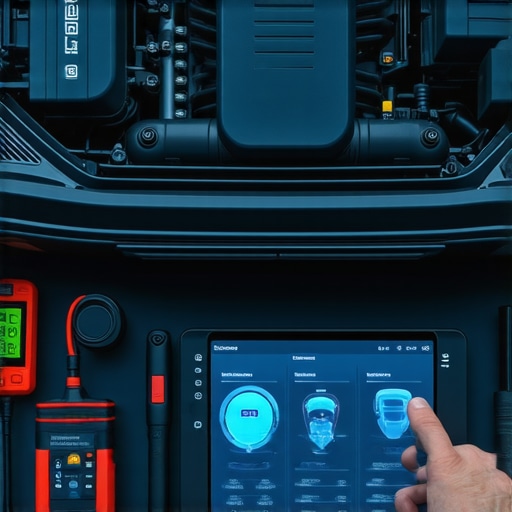
Maintaining your vehicle over the long term requires more than just routine check-ups; it involves leveraging the right tools and methods to ensure consistent performance. One of my go-to tools is an advanced OBD-II scanner, such as the BlueDriver Bluetooth Professional OBD2 Scanner. I personally prefer it because it seamlessly connects to my smartphone, providing real-time diagnostics and detailed reports on engine health, emissions, and sensor data. This immediacy allows me to catch issues early before they escalate, saving me significant repair costs. For those interested in maintaining peak vehicle performance, exploring top diagnostics tips for 2025 can be invaluable.
Another crucial aspect is software updates. Modern vehicles often have embedded systems that require firmware upgrades, which I perform using manufacturer-approved tools like the Techstream by Toyota or Bosch Diagnostic Tool. These tools ensure that my vehicle’s ECU and other modules are running the latest software, which can improve efficiency and safety. Future trends are leaning towards remote diagnostics and over-the-air updates, simplifying maintenance even further.
For mechanical parts, I rely on high-quality, OEM-recommended lubricants and specialty cleaning products. For instance, I use Gunk Engine Degreaser for thorough engine cleaning, which helps me spot leaks or corrosion early. Regularly inspecting and replacing filters with OEM parts ensures optimal airflow and fuel efficiency. To keep my transmission functioning smoothly, I adhere to expert advice from transmission maintenance strategies for 2025.
Question: How do I maintain my vehicle’s performance over time?
Consistency is key. I schedule bi-annual professional diagnostics and stay updated with manufacturer recalls through official portals. Using high-quality tools like the Snap-on Solus Ultra scan tool has been a game-changer for me, providing comprehensive system analysis. Additionally, I keep a detailed maintenance log, which helps me track service intervals and anticipate future needs. Investing in a good car lift or service jack allows me to perform detailed inspections and minor repairs at home, reducing reliance on costly shop visits. This proactive approach, combined with using advanced diagnostic tools, ensures my vehicle remains reliable and safe on the road for years to come.
Looking ahead, I predict that integration of AI-driven diagnostics and smarter maintenance schedules will become standard, making vehicle upkeep even more efficient. For now, I recommend trying out a comprehensive diagnostic scan with my preferred tools and staying vigilant about software updates—it’s a small investment that pays off in long-term vehicle health.
The Hardest Lesson I Learned About Vehicle Longevity
One of the toughest truths I faced was realizing that waiting for warning lights before servicing can lead to costly repairs. Early in my driving journey, I believed that reactive maintenance was enough. But experience taught me that proactive checks and diagnostics uncover hidden issues before they become serious, saving both money and peace of mind.
3 Myths About Car Maintenance That Held Me Back
Myth 1: Synthetic oils eliminate the need for regular changes. Reality: Even synthetic oils degrade over time, so following manufacturer recommendations remains essential. Myth 2: Once a transmission is repaired, it stays perfect. Reality: Regular transmission checks and tune-ups ensure longevity and smooth shifting. Myth 3: Modern cars don’t need much maintenance. Reality: Advanced technology requires consistent diagnostics and updates to perform optimally.
What Experts Won’t Tell You About Maintaining Your Vehicle in 2025
Many professionals assume that software updates are optional. In truth, keeping your car’s firmware current is crucial for safety and performance. Additionally, the latest diagnostic tools can now detect issues invisible to the naked eye, making routine diagnostics a vital part of vehicle care. Embracing these insights ensures your vehicle remains reliable for years to come.
Curated Resources to Elevate Your Car Maintenance Game
- BlueDriver Bluetooth Professional OBD2 Scanner: I trust this tool because it seamlessly connects to my smartphone, providing real-time diagnostics and early problem detection. It’s an affordable way to stay ahead of issues.
- Techstream by Toyota: This official software keeps my vehicle’s ECU updated, ensuring optimal performance and safety. It’s a must-have for tech-savvy car owners.
- OEM Lubricants and Filters: Using genuine parts guarantees compatibility and longevity. I always choose OEM-recommended products for peace of mind.
- Industry Blogs and Manuals: Regularly consulting trusted sources like CollisionFixer’s maintenance tips keeps me informed about the latest best practices and repair strategies.
Your Turn to Try: Take Control of Your Vehicle’s Future
Long-term vehicle health isn’t just about responding to problems—it’s about anticipating them. With the right tools, knowledge, and proactive mindset, you can extend your vehicle’s lifespan well beyond expectations. Remember, every preventive step you take today prepares you for a smoother ride tomorrow.
What’s the one maintenance habit you’re planning to implement this year? Share your thoughts below and let’s learn together!


Jordan Mitchell
Reading through this post really hit home for me. I once ignored a small noise from my car’s transmission, thinking it’d go away—big mistake. A few months later, I was faced with a costly overhaul because I didn’t check the fluid levels or get a tune-up when recommended. Now I make it a point to schedule regular diagnostics, especially for critical systems like the transmission. It’s remarkable how much money and stress can be saved through proactive maintenance.
That said, I’d be interested to hear what other drivers do to stay ahead of potential issues. Has anyone found a particular tool or routine especially effective? I’ve recently started using an OBD-II scanner, which has been a game-changer. Also, with future trends pointing towards remote diagnostics and AI, do you think traditional check-ups will become obsolete? I wonder how much technology will redefine what “regular maintenance” actually means in the next few years.