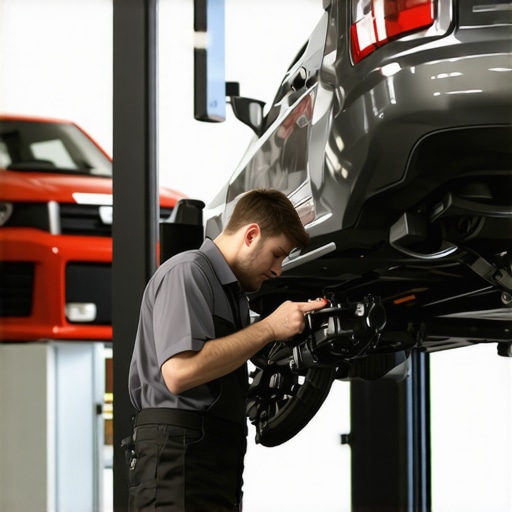
Have you ever been stuck on the side of the road, clutch slipping, or your car refusing to shift gears smoothly? I’ve been there, and let me tell you, it’s a real wake-up call. For years, I thought I could fix my transmission with a quick online tutorial or a cheap part from the local shop. Spoiler: I was wrong. The frustration, the unexpected costs, and the potential safety risks made me realize that understanding effective transmission repair strategies isn’t just for mechanics—it’s crucial for every vehicle owner who wants to keep their ride reliable and safe.
The Why Behind the Need to Know Transmission Repair
Every car has a heart, and that heart is often its transmission. When it starts to fail, it can lead to expensive repairs or even a total breakdown. The good news? Many transmission issues are preventable or manageable if you know the right strategies. By mastering these fundamentals, you can save money, extend your vehicle’s lifespan, and avoid roadside emergencies. Plus, staying ahead of problems means you’re less likely to fall victim to scams or ineffective repairs from less-than-trustworthy shops. I learned this the hard way early in my DIY journey, when I rushed into repairs without proper knowledge—trust me, that mistake cost me more than I planned.
Fortunately, I discovered that with a few proven tactics, maintenance and repair can be straightforward and even empowering. Today, I want to share those strategies with you, so you won’t have to face the same pitfalls I did. From diagnosis tips to routine checks, we’ll cover the essentials that keep your transmission running smoothly. And if you’re wondering whether investing time in understanding transmission repair is worth it, remember—your safety and wallet depend on it. As a helpful neighbor, I recommend starting with some expert advice from Collisionfixer’s comprehensive guide. It’s packed with insights that can make your repair efforts more effective and less stressful.
Ready to dive into the core strategies that will transform your approach to transmission issues? Let’s get started on building your confidence and skills—because nobody should be left stranded or overcharged due to preventable transmission failures.
Is Transmission Repair Actually Worth the Hype?
Early on, I made the mistake of thinking that all transmission repairs were a waste of time and money. I believed that only professionals could handle it, and I felt overwhelmed by the complexity. But after some research and hands-on experience, I realized that a lot of issues can be fixed with the right approach. The key is knowing what to look for and when to call in the pros. If you’ve ever doubted whether DIY or routine maintenance is worth it, I encourage you to check out top auto repair experts for 2025 to see how the best in the business keep their vehicles in top shape. Trust me, the payoff is huge when you take the time to learn these essential strategies.
Perform Accurate Diagnosis Before Anything Else
When I first encountered my car slipping gears unexpectedly, I jumped straight into part replacement, only to realize later that I overlooked the importance of proper diagnosis. To avoid wasting time and money, start by carefully diagnosing the issue. Use a scanner to check for error codes related to the transmission and listen for unusual noises or shifts. This step is crucial because it guides your repair efforts and prevents unnecessary work.
Inspect Transmission Fluid Like a Pro
Think of transmission fluid as the blood of your vehicle. If it’s dirty, low, or burnt, your transmission can suffer. Regularly check the fluid level and condition—look for a reddish color and a sweet smell. If it’s dark or smells burnt, plan to flush and replace it. During my last DIY project, I remembered a tip from Collisionfixer’s guide—a simple fluid change can prevent many transmission problems. I learned that neglecting this routine is like ignoring warning signs from your body.
Learn to Recognize Warning Signs Early
Early signs like delayed engagement, slipping, or strange noises can save you from a costly overhaul. I once felt a slight delay when shifting into drive; instead of dismissing it, I researched common causes and discovered it was often linked to low fluid or worn clutch plates. Addressing these issues early with effective repair strategies can extend your transmission’s life significantly. Pay attention to your car’s behavior and address minor issues before they escalate.
Tackle Repairs Step-by-Step
When I decided to replace a worn clutch pack, I broke the process into clear steps: drain fluid, remove the transmission pan, inspect for debris, replace the worn parts, and reassemble. This systematic approach prevents mistakes and ensures thorough repair. Keep handy tools like a torque wrench and transmission fluid pump, and follow manufacturer specifications. For detailed procedures, refer to collisionfixer’s repair tips. Remember, patience and precision are your best allies in DIY transmission work.
Regular Maintenance Keeps Problems at Bay
Creating a maintenance schedule is like setting a health check-up for your car. Change transmission fluid at intervals recommended by your vehicle’s manual—typically every 30,000 to 60,000 miles. Also, consider doing a transmission flush if you notice sluggish shifts. I adopted a routine from effective strategies which helped me catch potential issues early. Regular inspections of the transmission filter and seals further prevent leaks and contamination that can lead to major repairs.
Know When to Call in the Experts
Despite my best DIY efforts, I learned that some problems require professional tools and expertise, especially internal gear or valve body issues. If you encounter persistent trouble after basic fixes, don’t hesitate to consult a qualified mechanic. Recognizing your limits and seeking expert help can save you money and ensure safety. Check out top repair experts for guidance on when professional intervention is necessary. This balance between DIY and professional work is key to long-lasting transmission health.
Many vehicle owners believe they understand the ins and outs of transmission repair, but in reality, some of the most widespread myths can lead you astray. Let’s dig deeper into what most people get wrong about transmission repair and how to navigate these pitfalls effectively.
Why Rushing Repairs Can Cost More Than You Think
A common misconception is that delaying transmission repairs or ignoring minor issues won’t cause significant damage. In truth, small problems like delayed engagement or minor slipping are often early warning signs of more severe internal damage. Ignoring these signs can result in costly repairs down the line, sometimes requiring a full rebuild or replacement. As experts suggest, catching issues early with routine checks and diagnostics can save you a fortune. To learn more about how timely interventions make a difference, check out auto repair diagnostics that can save your transmission and wallet.
Beware of the Myth That Transmission Fluid Doesn’t Need Changing
Many car owners assume that transmission fluid is a permanent lubricant that never needs replacing. This is a dangerous misconception. Over time, transmission fluid degrades, becomes contaminated, and loses its lubricating properties. This can cause increased friction, overheating, and eventual failure. Regularly inspecting and replacing transmission fluid according to manufacturer guidelines is vital. Neglecting this simple maintenance step is like ignoring warning signs from your body. For detailed tips on fluid maintenance, visit effective repair strategies that promote longevity.
Advanced Question: How Do Internal Components Impact DIY Repairs?
For experienced DIYers, understanding the role of internal components such as the valve body, clutch packs, and solenoids is crucial. Many assume that replacing external parts or fluid fixes all problems, but internal damage often requires specialized tools and expertise. Misdiagnosing internal issues can lead to unnecessary parts replacement or worse, further damage. Recognizing when to seek professional help, especially for internal gear and valve body problems, is key. According to top auto repair tips, a balance between DIY and professional intervention ensures your transmission’s health and safety. Have you ever fallen into this trap? Let me know in the comments.
In conclusion, dispelling these common myths and understanding the nuances of transmission repair can greatly improve your vehicle’s performance and lifespan. Stay informed, perform routine checks, and don’t hesitate to consult experts when needed. Your car—and your wallet—will thank you for it.
Tools I Recommend for Effective Transmission Maintenance
Maintaining your vehicle’s transmission requires precision, and having the right tools can make all the difference. I personally rely on a high-quality digital transmission scanner, such as the BlueDriver Bluetooth Professional OBDII Scanner. It allows me to run comprehensive diagnostics, clear error codes, and monitor real-time data directly from my smartphone. This tool is invaluable because it provides immediate insights into transmission health without needing to visit a mechanic for every minor issue.
Another essential piece of equipment is a reliable transmission fluid pump. I use the Lisle 11700 pump, which makes fluid changes straightforward and mess-free. Proper fluid replacement is crucial, and having the right pump ensures you can refill the system accurately, avoiding overfill or underfill scenarios that could harm your transmission.
For internal inspections, I recommend a good transmission pan gasket set and torque wrench. Accurate torque application prevents leaks and ensures secure assembly after repairs. I prefer the Tekton 1/2 Inch Drive Click Torque Wrench because of its precision and durability, which ensures I tighten bolts to manufacturer specifications—this step is often overlooked but critical for long-term performance.
Keeping Tools in Peak Condition for Long-Term Results
To ensure your tools stay effective over time, regular maintenance is key. Clean your diagnostic scanner after each use and store it in a dry, protected case. Calibrate your torque wrench periodically—most models have a recommended calibration schedule, often annually. Proper storage and care extend the lifespan of your equipment, making your DIY efforts more reliable and cost-effective.
Investing in quality tools might seem costly initially, but the savings on professional repairs and the peace of mind knowing you can perform routine maintenance are well worth it. As the trend shifts toward smarter vehicle diagnostics, future tools will likely incorporate AI-driven insights, making troubleshooting even more accessible for DIYers. Keeping your toolkit updated with the latest tech will be essential for staying ahead in vehicle maintenance.
How Do I Maintain My Transmission Over Time
The most effective way to ensure your transmission remains in top shape is consistent, proactive maintenance. Schedule regular fluid changes based on your manufacturer’s recommendations—typically every 30,000 to 60,000 miles—and always use high-quality fluids suited for your specific vehicle. Keep an eye on error codes with your diagnostic scanner, and listen for unusual noises or shifts. These early signs can help you catch problems before they escalate into costly repairs.
Additionally, consider periodic transmission flushes and filter replacements, especially if you notice sluggish shifts or slipping. Combining these routine checks with your diagnostic tools creates a comprehensive maintenance strategy that prolongs your transmission’s lifespan and enhances overall vehicle performance. For more detailed strategies, consult expert repair tips to stay ahead of potential issues.
The Hardest Lesson I Learned About Transmission Repair
One of my biggest lightbulb moments was realizing that rushing into repairs without proper diagnosis can lead to more damage and higher costs. I once replaced a clutch pack only to find out later that a faulty solenoid was the real culprit. This taught me the importance of patience and thorough diagnostics, like using a scanner to pinpoint issues before starting repairs. Trust me, understanding this lesson can help you avoid costly mistakes.
My Go-To Tools That Make Transmission Maintenance Easier
I swear by a reliable transmission scanner like the BlueDriver Bluetooth OBDII Scanner. It’s been a game-changer for detecting error codes early. Pairing it with a quality fluid pump such as the Lisle 11700 makes fluid changes straightforward and mess-free. Finally, a precise Tekton torque wrench ensures bolts are tightened correctly, preventing leaks. These tools have helped me maintain my transmission efficiently and confidently.
Don’t Wait for a Breakdown—Take Action Now
Your vehicle’s transmission is vital for safe driving and longevity. By applying these insights—routine checks, timely fluid changes, and knowing when to seek expert help—you can extend your transmission’s lifespan significantly. Remember, taking proactive steps today can save you from expensive repairs tomorrow. So, start implementing these strategies and keep your car running smoothly for years to come.

![Why Your 2026 Transmission Jerks at Low Speeds [Quick Fix]](https://collisionfixer.com/wp-content/uploads/2026/02/Why-Your-2026-Transmission-Jerks-at-Low-Speeds-Quick-Fix.jpeg)
Emily Carter
This article really emphasizes the importance of proper diagnosis and routine maintenance when it comes to transmission health. I’ve had my fair share of DIY attempts that didn’t go as planned, mainly because I overlooked some of these critical steps, especially checking the transmission fluid regularly. Since I started using a good scanner like the BlueDriver, I’ve caught a few minor errors early, which saved me from bigger issues down the line. The tip on step-by-step repair and the tools recommended are spot on. Doing maintenance proactively makes a huge difference in avoiding roadside emergencies and costly repairs. I’m curious, though—has anyone found a good way to keep transmission fluid in better condition between changes? Consistent fluid quality seems vital but tricky to maintain in the long run, especially when driving in stop-and-go traffic. Would love to hear others’ tips or experiences around this! Thanks for the insightful post, it’s inspired me to stay more vigilant with my vehicle’s transmission.