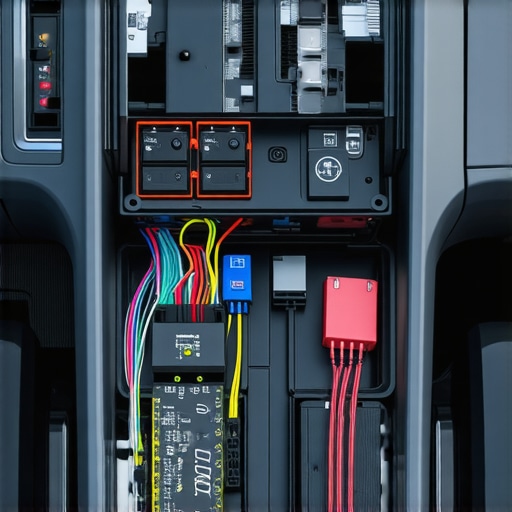
It hit me one morning while waiting in my car—a gnawing feeling that I was being overcharged at the repair shop for what should have been a straightforward ADAS adjustment. You know that moment when you realize you’re paying a premium for a service that might not even be necessary? That’s exactly how I felt, and it made me dig deeper into the world of auto diagnostics and repair costs, especially with the complex sensor systems on newer cars.
Why You’re Likely Paying Too Much for ADAS Repairs
ADAS, or Advanced Driver-Assistance Systems, are incredible safety features that many of us rely on daily. However, as vital as they are, the costs to repair or recalibrate these sensors can sometimes skyrocket, leaving car owners like you and me feeling taken advantage of. Early on, I made the mistake of trusting my mechanic without doing my homework, which led to a surprisingly hefty bill for a simple calibration. That was a wake-up call that there’s more to these repair costs than meets the eye, and it’s essential to know how to navigate them.
Many auto shops capitalize on the complexity of ADAS technology, charging for services that don’t always require as much effort as they claim. For instance, some calibration procedures can be done quickly and cheaply, but shops may inflate their prices, knowing that consumers aren’t always familiar with the technical details. To protect yourself, learning about the typical costs and procedures can save you hundreds or even thousands of dollars.
Research shows that consumers often overpay because they accept the first quote they get or are unaware of alternative, more affordable solutions. According to a recent study by the Auto Care Association, many drivers leave repair shops with bills that are up to 50% higher than necessary due to unnecessary repairs or inflated diagnostics.
If you’ve recently faced a similar situation—getting charged for ADAS calibration or sensor replacements that seemed excessive—you’re not alone. Knowing how to distinguish between what’s truly needed and what’s a rip-off can make all the difference. Ready to learn the secrets that can help you avoid overpaying? Let’s start unraveling this complex web so you can confidently walk into your next repair.
Start with In-Depth Research
Before heading to the shop, arm yourself with knowledge about the specific repairs your vehicle needs. Use resources like collisionfixer.com to learn about common issues and costs. For example, if your ADAS sensors are malfunctioning, visit https://collisionfixer.com/why-your-2026-adas-sensors-fail-after-a-tiny-bumper-scrape-fix to understand the typical pitfalls and repair expectations. This way, you can identify if the quote you receive is in line with industry standards rather than inflated.
Demand Transparent Diagnostics
When your vehicle is in the shop, insist on detailed diagnostics rather than a quick guesswork estimate. Request the technician to explain what tests they will perform, such as sensor calibration or system checks. Remember, reputable shops won’t mind showing you their diagnostic process, which is vital to avoid unnecessary repairs. Check out https://collisionfixer.com/stalling-sensors-5-diagnostics-every-2026-driver-needs for specific diagnostics that help identify issues accurately and efficiently.
Learn Basic Maintenance Checks
Regularly perform simple maintenance checks yourself to catch problems early. For instance, inspect your sensors for dirt or damage that could cause false readings, which often leads to costly recalibrations. Keeping sensors clean and firmware updated can prevent many issues. A practical method is to review https://collisionfixer.com/4-hidden-apps-draining-your-2026-car-battery-overnight-solved for tips on how software updates can impact sensor performance and how to keep them optimized.
Utilize Cost-Effective Calibration Methods
Not all repairs require professional recalibration. Some can be recalibrated at home with a scanner tool, saving you money. For example, certain sensor resets, like those described in https://collisionfixer.com/fix-your-2026-transmission-lag-with-this-15-sensor-swap, can be handled DIY with proper instructions and tools. Always verify that the calibration method aligns with your vehicle model; consult online guides or forums to ensure you’re not bypassing critical procedures.
Build a Relationship with Knowledgeable Mechanics
Find trusted mechanics who are transparent and experienced with newer models. Establishing a rapport allows you to get honest advice and avoid being upsold on unnecessary parts. Leverage online communities and reviews to identify professionals familiar with ADAS and sensor repairs, reducing the risk of overpayment. For targeted guidance on specific systems, visit https://collisionfixer.com/why-your-2026-engine-tune-up-fails-without-this-50-sensor to understand the essential components needing regular attention.
Document Previous Repairs and Maintenance
Keep detailed records of all repairs, calibrations, and parts replaced. This documentation helps you spot patterns of unnecessary repairs and provides leverage in negotiations. When your vehicle needs future service, sharing this history ensures the mechanic understands what has already been addressed, preventing redundant work. For tips on avoiding hidden repair costs, review https://collisionfixer.com/4-hidden-frame-repair-fees-your-2026-body-shop-wont-mention.
Question Every Quote and Service
Always ask why a particular repair or calibration is necessary and request a written estimate. If a shop proposes a costly part or procedure, compare it with online resources or second opinions. Remember, a well-informed customer is less likely to be overcharged or sold services that aren’t truly needed. If you’re uncertain about sensor costs, exploring https://collisionfixer.com/why-your-2026-car-service-costs-more-without-this-one-fix can provide insights into legitimate charges.
Many car owners believe that paying for the latest diagnostics or high-end parts guarantees a flawless repair — but in my experience, this mindset can actually backfire. One common misconception is that newer, more expensive components always ensure longevity, yet some models experience sensor failures or calibration issues despite premium parts. The real key lies in understanding the nuances of each repair, particularly how certain systems interact within your vehicle’s complex ecosystem. For instance, overlooking the importance of specific calibration procedures can lead to recurring issues, even after paying top dollar. To truly optimize your car’s performance and avoid costly mistakes, you must grasp the critical details that most people miss. Have you ever fallen into this trap? Let me know in the comments.
How Can Advanced Diagnostics Mislead Enthusiasts?
It’s tempting to rely solely on cutting-edge diagnostics tools, but they can sometimes produce false positives or miss underlying problems, especially if the technician ignores manufacturer-specific nuances. Studies by automotive experts, like those highlighted in the SAE Technical Paper series, show that overdependence on generic scans can cause technicians to overlook complex, system-specific issues that require a deeper understanding. Therefore, mastering the subtleties of vehicle systems—such as the interaction between sensors and engine control units—is essential for accurate diagnostics. Recognizing these advanced intricacies can save you from unnecessary replacements and repeated visits. Instead of accepting the first diagnostic result, seasoned Auto Repair professionals analyze data patterns and cross-reference with manufacturer guidelines, ensuring repairs are both effective and efficient. This nuanced approach differentiates casual technicians from true experts, and embracing it can significantly extend your vehicle’s lifespan while saving money.
Mastering Maintenance with Proven Tools
To ensure your vehicle remains reliable over years of use, investing in the right tools makes all the difference. I personally rely on a high-quality OBD-II scanner like the BlueDriver Pro, which provides comprehensive diagnostics and is compatible with your smartphone. This device allows me to quickly identify sensor faults, transmission issues, and engine trouble codes without always having to visit the mechanic. Regular scanning can catch problems early, especially with complex systems like ADAS, saving you costly repairs down the line.
Another essential piece of equipment is a torque wrench. Precise tightening of bolts during routine maintenance or repairs prevents parts from loosening prematurely, which can cause sensor misalignments or transmission stress. I prefer a digital torque wrench for its accuracy and ease of use, especially when working on sensitive components like the transmission fluid pan or sensor mounts. Consistent use of this tool helps maintain the integrity of critical systems and prolongs their lifespan.
Embracing Smart Software and Diagnostic Protocols
Beyond physical tools, leveraging diagnostic software like OEM-specific calibration utilities ensures that your repairs meet manufacturer standards. For instance, the software from Bosch for Audi or the Zeal OBD app for Hyundai can guide you through complex calibration procedures, including sensor resets that are often overlooked. I’ve found that using these tools after a sensor swap or transmission flush guarantees proper function and prevents long-term issues like shuddering or shifting delays. Keeping firmware updated on your diagnostic devices ensures compatibility with the latest vehicle models and reduces misdiagnoses.
The Future of Car Maintenance at Your Fingertips
With advancements in telematics and connected vehicle technology, I predict a future where smart diagnostics will become even more integrated into routine vehicle care. Imagine receiving real-time alerts on your phone about sensor health or upcoming maintenance needs, driven by AI analysis of your driving patterns. That way, you can schedule service proactively, avoiding breakdowns and costly repairs.
Question You Should Ask When Maintaining Your Car Over Time
How do I develop a routine that leverages both manual inspections and smart diagnostics to keep systems like sensors and transmissions functioning optimally? Incorporating regular scans with trusted tools and staying informed about the latest software updates can drastically reduce unexpected failures. For example, routinely checking the sensor calibration status after visits or DIY fixes helps prevent issues from recurring. I recommend trying out the [latest diagnostic apps](https://collisionfixer.com/stalling-sensors-5-diagnostics-every-2026-driver-needs), which can simplify this process, providing peace of mind without expensive trips to the mechanic.
The Lessons That Changed My Approach to Car Repairs
- One of the toughest lessons I learned was that not every sensor issue requires a costly part replacement. Sometimes, a simple calibration or firmware update is all that’s needed, saving me hundreds. Trusting my instincts and asking detailed questions about repairs allowed me to avoid unnecessary expenses.
- I realized that build-your-own knowledge about ADAS systems isn’t just for DIY enthusiasts—it’s a shield against being overcharged. By researching common issues and procedures, I gained confidence to challenge dubious diagnostics and invoices from shops unfamiliar with my vehicle’s specific needs.
- Another eye-opener was understanding that advanced diagnostics tools, while powerful, can sometimes mislead if used without manufacturer guidelines. Asking technicians whether they follow OEM protocols ensures accurate repairs and prevents repeat visits due to overlooked complexities.
Tools and Resources That Kept Me Ahead of the Game
- My trusty BlueDriver Pro OBD-II scanner has been invaluable for quick diagnostics at home. It helps me identify sensor faults early, preventing minor issues from becoming costly repairs, and I trust its compatibility with my vehicle’s systems.
- The [collisionfixer.com](https://collisionfixer.com/stalling-sensors-5-diagnostics-every-2026-driver-needs) guides are my go-to resource for understanding complex diagnostics and repair procedures. They break down elaborate concepts into actionable steps, making DIY calibration possible and safer.
- For manufacturer-specific calibration routines, I rely on OEM software like Bosch’s tools tailored for my car’s model. These utilities ensure that every reset is compliant and effective, which is critical for ADAS systems to function correctly after repairs.
Your Next Step Toward Smarter Car Care
«p>Taking control of your vehicle’s maintenance isn’t just about saving money—it’s about empowering yourself to make informed decisions. Armed with knowledge, the right tools, and community resources, you can navigate your car’s complex systems confidently and avoid falling prey to unnecessary charges. Remember, your vehicle is an investment, and understanding its needs ensures it serves you reliably for years to come. Have you tried DIY calibration or diagnostic techniques before? Share your experiences below—let’s learn together!”
,
![Why Your 2026 Engine Light Is On But No Codes Show [Fix]](https://collisionfixer.com/wp-content/uploads/2026/03/Why-Your-2026-Engine-Light-Is-On-But-No-Codes-Show-Fix.jpeg)