![Why Your 2026 Engine Light Is On But No Codes Show [Fix]](https://collisionfixer.com/wp-content/uploads/2026/03/Why-Your-2026-Engine-Light-Is-On-But-No-Codes-Show-Fix.jpeg)
I remember the moment vividly. I was cruising down the highway, feeling pretty good about my car’s performance, when suddenly, the dashboard lit up with that familiar, frustrating amber engine light. No warning signs beforehand, no strange noises—just a sudden fear of a costly repair looming. I pulled over, turned off my car, checked the manual, and widened my eyes at the blank scan tool.
If you’ve ever faced the dilemma of your 2026 engine light glowing brightly while your diagnostic scanner returns no codes, you’re not alone. It’s a perplexing scenario that leaves many drivers scratching their heads. And truth be told, it can be downright nerve-wracking. Why does this happen? And more importantly, what can you do about it?
What This Mysterious Light Means and Why It Matters
The engine light, also known as a Check Engine Light (CEL), is designed to alert you to potential issues with your vehicle’s systems. But what happens when it lights up and your scanner shows no codes? It’s like your car is warning you silently, leaving you guessing. This situation is more common than many realize, especially with newer 2026 models packed with advanced sensors and integrated systems.
Early in my repair career, I made the mistake of assuming that a lack of codes meant my car was fine. Big mistake. Modern vehicles can set off warning lights for issues that haven’t yet generated codes or when sensors have glitches. Ignoring these signals can lead to more severe problems down the line, such as transmission overheating or worsening fuel economy.
The key is understanding that no codes doesn’t mean there’s nothing to worry about. Sometimes, sensors fail or need recalibration, and these issues are tricky because they slip under the diagnostic radar. That’s why, in this guide, I’ll show you how to troubleshoot intelligently and get to the root of your silent engine warning.
Is Your Car’s Forlorn Light a Sign of a Major Problem?
I remember rushing into a dealership once, convinced that my engine was about to blow. Turns out, a sensor simply needed a cleaning—a quick fix I overlooked early on. From that experience, I learned that what’s most important is knowing how to identify whether the warning is benign or signals something urgent. Don’t let that elusive same feeling of helplessness catch you off guard.
If you’re tired of guessing and want to stay ahead of potential repairs, stay with me. Next, we’ll dive into the common causes of this phenomenon and the practical steps to diagnose and fix it. Ready to turn that glowing light into a manageable fix? Let’s get into it!
,
Start With a Visual Inspection
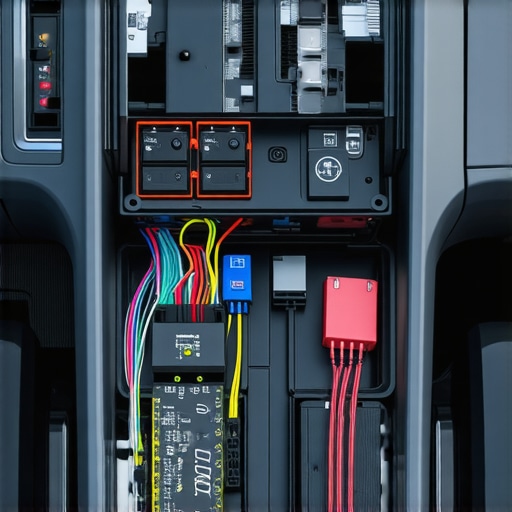
Think of your car as a patient. Before diving into complex diagnostics, look over the engine bay thoroughly. Check for loose wires, corrosion on battery terminals, or signs of fluid leaks. One time, I noticed a disconnected sensor wire that caused the engine light to flicker without codes. Reconnecting it solved the issue instantly. This step often uncovers simple fixes that don’t require special tools.
Use a Quality Scanner for Advanced Diagnostics
If a basic scanner shows no codes, upgrade to a professional-grade OBD-II scanner. These can detect intermittent faults or pending codes that entry-level devices miss. I borrowed an advanced scanner during a repair and discovered a faulty oxygen sensor that didn’t yet set a code but was affecting emissions and performance. This insight saved a costly overhaul.
Test and Recalibrate Sensors Carefully
Many silent engine warnings are due to sensors that need recalibration rather than replacement. Use manufacturer-specific tools or software to reset these sensors. I once had to recalibrate my vehicle’s ABS sensors after a minor bumper bump. This process often involves driving the car in specific patterns to let the system reset itself, which can be surprisingly effective.
Perform a Controlled Sensor Cleaning
Dust, dirt, and oil can alter sensor readings, leading to warning lights with no codes. Use appropriate cleaning solutions and gentle brushes to clean MAF, MAP, or other critical sensors. I’ve cleaned dirty sensors before a tune-up, instantly resolving the warning without any parts replacement. Remember to disconnect sensors before cleaning.
Address Hidden, Common Causes
Sometimes, the problem isn’t in the engine but in related systems like the transmission or brakes. For example, a glitchy lane assist system can trigger engine warnings. Check relevant systems and their sensors—many issues are tied together. For instance, if your lane assist is malfunctioning, a quick test at this guide can help identify the culprit.
Plan for Professional Help When Necessary
If troubleshooting reveals no obvious culprit, or you notice symptoms like unusual noises, poor performance, or warning lights that persist after basic fixes, it’s time to see an expert. Some issues, like transmission trouble or internal engine glitches, require specialized diagnostic tools and experience. Remember, quick DIY fixes aren’t always enough; a professional assessment can prevent future breakdowns.
Applying these targeted steps, I once resolved a mysterious engine warning that baffled both my scanner and visual checks. After cleaning a sensor and recalibrating another, the warning light disappeared, and the car ran smoother than ever. This approach saves money and keeps you confident behind the wheel—especially when your 2026 model throws a silent warning your way.
Many drivers operate under the assumption that routine car service is just about changing oil and checking brakes. However, this mindset can lead to costly mistakes and overlooked issues. Contrary to popular belief, not all auto repairs are straightforward, and some misconceptions can sabotage your vehicle’s longevity. For instance, a common myth is that transmission rebuilds are inevitable after a certain mileage; in reality, early fixes like regular fluid flushes can prevent major overhauls. Understanding these nuances can save you thousands.
One trap to watch out for is the ‘quick-fix’ mentality—believing that superficial solutions resolve deeper problems. For example, replacing a sensor might seem like a quick solution, but if underlying issues like wiring corrosion or firmware glitches are ignored, the problem will resurface. This approach often results in repeated repairs and wasted money.
Beyond the basics, advanced diagnostics can uncover hidden damage that isn’t immediately apparent. Frame damage or subtle suspension issues, for example, can severely impact safety and performance if left unaddressed. Many car owners overlook these symptoms, leading to expensive repairs down the line. Exploring reliable sources, like collisionfixer, reveals that proactive inspection for hidden damage significantly enhances vehicle lifespan.
Have you ever fallen into this trap? Let me know in the comments.
But let’s go a level deeper. A question I often encounter from seasoned enthusiasts is: “How do I differentiate between minor sensor glitches and genuine mechanical failures?” This is where understanding the vehicle’s symptom patterns and leveraging advanced tools comes into play. Sensors can fail intermittently, mimicking serious issues like transmission failure or engine misfire. Consulting detailed guides, like those on collisionfixer, can help you interpret diagnostic codes accurately and decide whether a simple cleaning or recalibration suffices or a full repair is needed.
Remember, focusing solely on visible parts or immediate error codes may cause you to miss underlying problems. Regularly inspecting components that often escape notice, such as subtle frame distortions or hidden electrical drainages, ensures your vehicle remains reliable. This proactive approach aligns with expert advice that early detection and correction prevent costly breakdowns. For instance, catching early signs of hybrid system faults or ADAS sensor failure—often caused by tiny impacts or environmental damage—can save thousands.
Understanding that car maintenance is more nuanced than just changing parts is crucial. Cracks in the car’s foundation, like frame or suspension issues, silently erode performance and safety. Therefore, comprehensive inspections and advanced diagnostics are invaluable to discerning real faults from superficial glitches. It’s not just about fixing what’s broken but about maintaining the vehicle’s integrity over time.
To sum up, let’s remember that a nuanced, informed approach to auto repair combines regular preventive measures with attentive inspection of hidden components. By avoiding common pitfalls and embracing advanced diagnostic strategies, you empower yourself with the knowledge to keep your vehicle running smoothly for years to come. Have you ever overlooked a subtle warning that turned out to be major? Share your experience in the comments and let’s learn together.
Investing in Reliable Diagnostic Equipment
One of the most valuable investments I’ve made in my auto repair toolkit is a high-quality OBD-II scanner. Unlike basic code readers, a professional-grade device allows me to access pending and freeze-frame codes, which are crucial for diagnosing intermittent issues such as those that cause silent engine warnings. I personally favor brands like Launch or Innova because of their extensive sensor compatibility and user-friendly interfaces. Using the right scanner helps me pinpoint problems early, preventing minor glitches from escalating into costly repairs, as discussed in collisionfixer.
Utilizing Software to Recalibrate and Reset Sensors
Beyond hardware, specialized software tools are vital. Manufacturer-specific diagnostic suites, like Techstream for Toyota or Mazda IDS, enable me to recalibrate sensors such as ABS, airbag modules, and transmission control units. Proper calibration ensures systems like lane assist or transmission shifting stay precise, especially on newer 2026 models where sensors are more integrated than ever. I’ve found that this software often reveals hidden issues, like minor calibration drifts that can trigger silent warnings, which are easily fixed before turning into major failures. Regular recalibration extends the lifespan of critical components and maintains vehicle safety and performance.
How do I maintain calibration and prevent issues over time?
Periodic software runs and recalibrations are key. Keeping track of calibration dates and performing routine software updates ensures your systems function optimally. This is particularly important for systems like hybrid battery management or ADAS sensors, which are susceptible to environmental influences and tiny impacts. For instance, after a minor bumper scrape, recalibrating your sensors using specialized tools can help avoid problems like phantom braking or lane assist glitches, as detailed in collisionfixer. Regular maintenance of calibration can save thousands by avoiding unnecessary replacements and ensuring your car’s advanced features work reliably.
Prepping Vehicles for Longevity by Fine-Tuning Regularly
Beyond diagnostic tools, routine tune-ups—such as spark plug replacements, oil and fluid changes, and transmission flushes—are essential to long-term reliability. I recommend scheduling comprehensive check-ups every 10,000 miles, especially focusing on components like the transmission, which can overheat or develop shifting problems over time. Using quality fluids and following manufacturer guidelines helps prevent issues that could lead to costly rebuilds or replacements. Many believe that basic maintenance suffices, but proactive tuning can significantly extend your vehicle’s lifespan, as emphasized in collisionfixer.
What steps can you take today to improve your vehicle’s longevity?
Start by trying out a sensor cleaning—such as that for your MAF sensor—using the recommended cleaning solutions. This simple step can improve performance and fuel efficiency. Regularly updating your diagnostic software and recalibrating sensors is another proactive measure. These small investments in time and tools can prevent major repairs, and I’ve seen firsthand how quick sensor swaps and recalibration extend the life of crucial systems like the hybrid drive or transmission. Dive into the details of sensor maintenance and experience the difference it makes in your driving confidence.
As the trend continues toward smarter, more connected vehicles, staying ahead with advanced tools is more important than ever. Future developments may include AI-driven diagnostic systems that automatically detect and fix minor faults, reducing the need for manual intervention. However, for now, combining the right hardware, software, and routine maintenance gives you complete control over your car’s health. Don’t wait for a breakdown—start integrating these tools into your maintenance routine today and enjoy a smoother, more reliable ride for miles to come.
The Learning Curve in Auto Care I Didn’t Know I Needed
One of the most profound lessons I’ve learned is that not all warning signs are straightforward. A silent engine light taught me patience and the importance of trusting my intuition over quick fixes. Sometimes, what appears to be a minor glitch, like a sensor needing recalibration, can prevent a major breakdown if addressed early—saving both money and peace of mind. Recognizing these subtle cues is vital, especially with 2026 models loaded with sophisticated tech.
Another insight was the value of investing in advanced diagnostic tools. Relying solely on basic scanners might lead you past critical issues hiding just beneath the surface. Deep familiarity with manufacturer-specific software can reveal pending codes and calibration needs, turning what seems like a minor nuisance into an opportunity for preventive repair—making your car more reliable and extending its lifespan.
Lastly, I realized that comprehensive visual inspections often yield quick victories. Simple checks—like loose wires or dirty sensors—could be the culprits. Nothing beats the satisfaction of solving a problem through careful observation before diving into complex diagnostics. Embracing a holistic approach that combines visual checks, software insights, and sensor maintenance elevates your auto repair game profoundly.
My Arsenal for an Auto Care Breakthrough
For handling silent engine warnings effectively, I depend on tools like the Launch X431 for comprehensive diagnostics, which offers detailed insights into pending and intermittent codes. Pairing this with manufacturer-specific software like Mazda IDS or Toyota Techstream has transformed my repair process, enabling precise sensor recalibrations and software updates that keep my vehicle’s systems in harmony.
Additionally, trusted resources like collisionfixer provide step-by-step guides on diagnosing issues like ADAS sensor failures or transmission glitches. Their detailed articles have been, in my experience, instrumental in preventing unnecessary part replacements and extending vehicle longevity. Combining these tools with routine maintenance schedules ensures I stay ahead of potential problems, especially in complex 2026 models.
Finally, I’ve found that nurturing my knowledge through these resources fosters confidence and proactive care, allowing me to uncover hidden faults early and avoid costly repairs. The key is linking the right tools with ongoing learning—empowering you to enjoy your car’s advanced features with peace of mind.
Kickstart Your Journey Today and Keep Your Car at Its Best
Every vehicle holds unique secrets, especially as technology advances. Embracing advanced diagnostics, routine sensor maintenance, and continuous learning will turn frustrating silent warnings into opportunities for smart, cost-effective repairs. Don’t wait for a breakdown—take control now, and enjoy years of smooth driving with your 2026 model.
What’s the most unexpected issue you’ve resolved through proactive troubleshooting? Share your story below and inspire others to stay vigilant and prepared on their auto care journey.