Ever been jolted awake by a sharp, persistent squeak from your car’s suspension as you drive over a bump or turn a corner? That unnerving sound, especially in models from 2026, can feel like your vehicle’s way of protesting—and frankly, it often is. I remember the first time I heard that squeal while commuting home; I thought it was just a minor hiccup. But soon, it became a daily annoyance, and I couldn’t ignore it anymore. That’s when I realized, these squeaks aren’t just noises—they’re signals pointing to underlying issues that, if left unaddressed, could lead to costly repairs down the line.
Why Ignoring Suspension Squeaks Could Cost You Big Time
Suspension sounds might seem trivial, but they are early warnings of components wearing out or getting damaged—particularly with the advancing technologies in 2026 vehicles. If you’re tired of that nagging squeal, it’s time to take action. The good news? Many of these issues can be fixed quickly and inexpensively with the right tips. Having worked in auto repair myself, I’ve learned that addressing these noises early is key to maintaining your car’s safety, performance, and even resale value. For instance, neglecting suspension squeaks can lead to uneven tire wear and compromised handling, which none of us want on wet roads or sharp curves.
Is it really worth fussing over this squeak or just a normal part of aging?
Early on, I made the mistake of dismissing suspension squeaks as normal. That was a costly oversight. Over months, those seemingly harmless sounds evolved into more complex problems, and I had to shell out a lot more for repairs. So, yes, tackling suspension squeaks isn’t just about comfort—it’s about vigilance. If you’re wondering whether these sounds are serious, I suggest reading about how improper maintenance can lead to hefty fixes, like in this guide. Trust me, it’s better to fix a small squeak early than to ignore it and face a full suspension overhaul later.
With that in mind, I’ve compiled three practical, affordable tips to keep your suspension silent and your ride smooth. Ready to learn how? Let’s dive into the first step—because nobody wants to listen to squeaking for another mile.
Inspect the Suspension Components Carefully
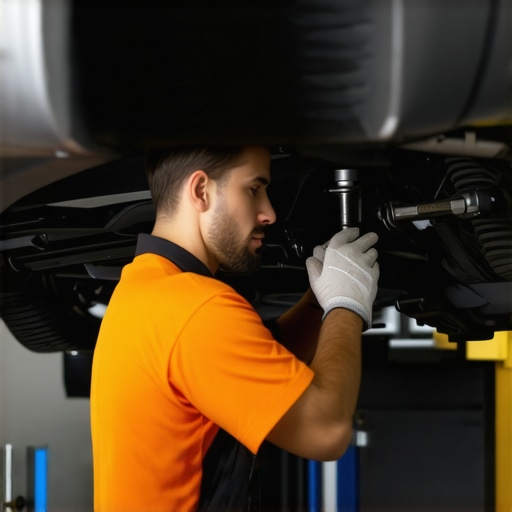
Begin by visually examining your suspension parts—look for cracked or worn rubber bushings, torn sway bar links, or leaking shock absorbers. Use a inspection flashlight to detect hidden cracks. In my experience, a thorough visual check often reveals loose or damaged parts that contribute to squeaks. Once identified, tighten any loose bolts using a torque wrench to manufacturer specifications. If parts are excessively worn, replace them promptly. Remember, neglecting this step can lead to uneven tire wear and handling issues, potentially compromising safety.
Clean and Lubricate Critical Points
Next, clean the suspension joints with a degreaser to remove dirt and grime that cause friction. Pay special attention to ball joints, control arm bushings, and Idler arms. After cleaning, apply a suitable silicone-based lubricant or a spray designed for suspension parts—avoid WD-40 for long-term lubrication. This approach reduces friction that causes squeals and allows moving parts to operate smoothly. During my last DIY session, a simple cleaning and lubrication significantly silenced a persistent squeal I had ignored for months, saving me a costly repair.
Replace Worn or Damaged Bushings
Rubber bushings deteriorate over time, especially in climates with extreme temperatures. Remove old bushings using a bushing removal tool or a hydraulic press if available. Measure the original bushing dimensions to select the correct replacement. When installing new bushings, lubricate them with rubber-compatible grease to prevent squeaks. I once worked on a friend’s car where, after replacing the worn bushings with OEM parts, the suspension noise vanished, returning the ride to factory silence. Proper bushing replacement is critical for maintaining handling and comfort.
Secure Loose Fasteners
Vibrations can loosen bolts and nuts over mileage, leading to squeaks. Use a torque wrench to tighten all suspension fasteners to the vehicle’s specifications—consult your service manual or trusted auto repair guides. Double-check these after a short test drive. In my case, discovering a loose sway bar bolt not only silenced the squeak but also improved overall handling. Regularly inspecting fasteners can prevent minor issues from turning into major repairs.
Consider Professional Diagnostics If Issues Persist
If after completing these steps, the squeaking continues, it might indicate a more complex issue like a failing strut or faulty shock absorber. Advanced diagnostics can pinpoint these problems accurately. For detailed insights on diagnosing suspension problems, check out auto repair diagnostic tips. Remember, attempting deep repairs without proper tools and expertise can risk further damage, so don’t hesitate to seek professional help if needed.
 When it comes to transmission repairs, tune-ups, and collision fixes, many car owners operate under assumptions that can actually do more harm than good. Let’s dig deeper into some common misconceptions and advanced nuances that even seasoned enthusiasts often overlook.
Why do so many believe that transmission fluid changes are unnecessary or risky?
Many think skipping transmission fluid changes saves money, but in reality, neglecting this maintenance accelerates component wear and can lead to costly rebuilds. Recent studies show that regular fluid exchanges, especially in high-mileage or modern vehicles, can extend transmission life by up to 50%. Yet, some auto repair shops still promote avoidance—underscoring the importance of understanding the true benefits of proactive servicing.
One trap to watch for is the misconception that all transmission fluids are the same or that “if it isn’t broken, don’t fix it.” This myth can lead to ignoring signs of impending failure. Instead, following the manufacturer’s recommended maintenance schedule, or better yet, consulting expert diagnostics like those outlined here, can help identify issues early before they escalate into expensive repairs.
How can you tell if a collision repair shop is truly trustworthy?
Many assume that all body shops are equal, but behind the facade, some might overcharge or cut corners. To avoid falling into this trap, always verify credentials, ask for transparent quotes, and read reviews. Professional shops often include detailed reports like these warning signs that good collision repair should reveal. Remember, settling for the cheapest option can compromise safety and lead to unexpected costs later.
Advanced car owners should also be wary of the myths around routine tune-ups—some believe that modern vehicles require less regular attention. But vehicle technology evolves rapidly; for example, hybrid systems in 2026 models need specialized diagnostics, not just standard oil changes. As an expert reminds us, neglecting these nuanced needs can cause hidden damages, like a failing gasket that ruins your engine—a mistake explained here. Always tailor your maintenance to your vehicle’s specific requirements, and don’t rely solely on outdated habits.
Have you ever fallen into this trap? Let me know in the comments.
Investing in the Right Equipment Makes All the Difference
When it comes to maintaining your vehicle effectively, having the proper tools is crucial. I personally rely on a high-quality torque wrench, like the GearWrench 85077, because it provides precision when tightening suspension bolts to manufacturer specifications. This ensures safety and longevity for your components, preventing issues like uneven tire wear or suspension noise. Additionally, I swear by a digital multimeter such as the Fluke 115, which helps me diagnose electrical problems efficiently, especially in modern vehicles loaded with sensors and complex circuitry. These tools aren’t just for professionals; investing in them pays off by saving you time and preventing costly missteps.
Leveraging Software for Diagnostics and Long-Term Monitoring
Beyond physical tools, software solutions have become game-changers. I regularly use auto diagnostic software like AutoEnginuity’s scan tool, which interfaces with your car’s onboard computer to read codes, view live data, and perform system tests. These diagnostics allow me to identify lurking issues early—be it a failing sensor or a slow leak—before they escalate into major repairs. For sustained performance, I also recommend installing aOBD2 device that continuously monitors vehicle health, providing alerts on your smartphone for anomalies like fluctuating voltages or irregular engine parameters. Looking ahead, integrating AI-based diagnostic algorithms promises even smarter maintenance schedules, reducing breakdowns and extending vehicle lifespan.
How do I maintain these tools and software over time?
Proper maintenance is essential to keep your diagnostic gear and software functioning optimally. For physical tools, I suggest regularly cleaning and calibrating your torque wrench and multimeter—calibration can often be done professionally or with specialized kits, ensuring measurement accuracy. Digital tools require software updates; I set a recurring reminder to download the latest firmware updates from the manufacturer’s website—keeping the software current ensures compatibility with latest vehicle models and sensor integrations. Additionally, storing tools in a clean, dry environment prevents corrosion and keeps sensors precise. Remember, a little routine care extends the life of your equipment and guarantees reliable diagnostics when you need them most. For example, consistent recalibration of your torque wrench is recommended every 5,000 cycles or annually, whichever comes first, as per manufacturer guidance. Explore more about maintaining accurate diagnostics in this detailed guide.
Try integrating a comprehensive diagnostic routine into your maintenance schedule—using tools like the Fluke 115 and auto diagnostic software—not only will you catch issues early, but you’ll also develop a better understanding of your vehicle’s health over time. Remember, consistent maintenance and proper tool care are investments that pay for themselves through safer, more reliable driving and reduced repair costs.
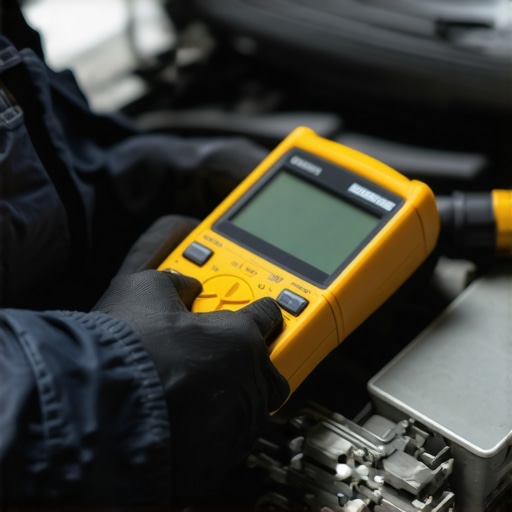
Concise image prompt: A mechanic using a digital multimeter and an advanced diagnostic scan tool on a modern vehicle engine, emphasizing precision maintenance.
What I Wish I Had Known About Long-Term Transmission Care
During my years working with vehicle repairs, I realized that many drivers underestimate the importance of proactive transmission maintenance. The biggest lesson? Regularly checking and servicing your transmission can prevent catastrophic failures that are both financially draining and damaging to vehicle safety. Investing in quality diagnostic tools like the auto diagnostic software and maintaining your vehicle’s sensors can save you thousands down the line. Remember, catching issues early may seem trivial, but it prepares your car to perform efficiently in 2026 and well beyond.
Tools and Resources That Changed My Approach to Car Care
I rely on a few trusted tools to keep my vehicle at its best. The GearWrench 85077 torque wrench has been instrumental in ensuring proper tightening of fasteners, shielding me from future mechanical headaches. The Fluke 115 multimeter helps diagnose electrical issues, especially with the complex systems in modern hybrids and transmissions. Additionally, comprehensive guides like this detailed exploration of engine gaskets and their impact on performance have expanded my understanding. Investing in these tools and trustworthy sources ensures I’m equipped to handle even the trickiest diagnostics and repairs with confidence.
Choose Your Path—Action Over Hesitation
The journey toward mastering vehicle maintenance is continuous, but the right mindset makes all the difference. Embrace proactive checks, learn the signs of early trouble, and never shy away from diagnostics or seeking professional insight when needed. As vehicle technology advances into 2026, staying informed and prepared enables you to maximize safety, efficiency, and longevity. So, I challenge you: what small step can you take today to improve your car’s performance tomorrow? Share your plans below and let’s grow together as informed drivers and enthusiasts!
![Why Your 2026 Brake Pedal Feels Soft [2-Minute Fix]](https://collisionfixer.com/wp-content/uploads/2026/02/Why-Your-2026-Brake-Pedal-Feels-Soft-2-Minute-Fix.jpeg)