Last year, I bump started my car at a red light, and it jerked so violently I thought I’d broken something. Turns out, that was just the tip of the iceberg. Since then, I’ve realized that some body shops might knowingly or unknowingly feed you lies after a collision, especially with the new 2026 vehicle trends. It was a startling lightbulb moment for me—and I bet it’s one you could relate to.
You see, after my accident, I needed repairs—and I’ve learned that not all shops are sincere. In fact, many are quick to recommend unnecessary fixes or overlook crucial issues that can cost you thousands in the long run. As a fellow car enthusiast and someone who’s navigated these tricky waters, I want to shed light on five body shop scams you absolutely need to watch for after your 2026 Fender Bender. Because trust me, being informed can save you from a lot of frustration—and money.
Why You Should Be Wary of Body Shop Tricks in 2026
The automotive repair landscape is changing, especially with newer models brimming with advanced technology. Unfortunately, some repair shops leverage this complexity to hide their shadier practices, which can lead to ongoing problems—or worse, safety issues. For example, a study by the National Highway Traffic Safety Administration highlighted that poorly repaired vehicles are involved in more accidents due to hidden damages or faulty fixes. (Source: NHTSA.gov)
This is why understanding the common scams and learning how to spot them is crucial. I’ll share my own early mistake: trusting a shop that promised the best deal without inspecting the frame thoroughly. That oversight cost me dearly, as I later discovered hidden frame damage that could have compromised my safety.
If you’ve recently been through a collision or are planning repairs, I encourage you to read on. I’ll guide you through the most common scams, how to identify them, and what steps you can take to guarantee your vehicle is repaired honestly and effectively. And if you’re still unsure whether your recent repair was done right, I’ll include some practical tips to verify your work and avoid costly mistakes.
Ready to arm yourself with the knowledge and dodge these shady practices? Let’s dive into the first scam nobody should fall for after a 2026 fender bender.
Ask the Right Questions Before the Repair
Start by inquiring about the shop’s experience with 2026 models and advanced tech. Don’t settle for vague answers; demand specifics. For example, if they mention “new advanced sensors,” ask if they’ve performed diagnostics with specialized tools like [top auto repair diagnostics](https://collisionfixer.com/best-auto-repair-diagnostics-tips-for-peak-vehicle-performance-2025). During my first visit post-accident, I was blunt: “Have you checked for hidden frame damage using X-ray or laser measurement tools?” When they hesitated, I pressed further. This started to expose their lack of expertise.
Request a Detailed, Itemized Estimate
Always get a written breakdown of costs, parts, labor, and warranty. Use this to cross-reference with reputable guides like [expert transmission tune-up strategies](https://collisionfixer.com/expert-transmission-tune-up-strategies-for-peak-car-performance-in-2025-collisionfixer-4). When my shop initially listed a $3,000 estimated repair for a simple panel repaint, I questioned the necessity and checked online reviews. Turns out, some shops inflate prices, hoping you won’t verify. Dig into each estimate, and don’t be afraid to ask for alternatives or second opinions.
Inspect Critical Components Yourself
Use a flashlight and mirror to look for mismatched paint, irregular welds, or gaps, indicating shoddy repairs. I compared my car’s frame with an online [frame damage red flags](https://collisionfixer.com/5-hidden-reasons-your-2026-engine-is-losing-hp-fixed) guide and spotted uneven welds—signs of prior repairs. Learning basic inspection skills can save thousands and ensure your car’s safety.
Verify the Shop’s Certification and Reputation
Look for certifications such as ASE or I-CAR, which demonstrate trained technicians’ competence. I visited forums where owners shared experiences aligning with my suspicions about certain shops. Cross-check reviews online and ask for references if needed. A reputable shop will gladly provide proof of quality assurance, reducing your risk of poor or unnecessary fixes.
Test Drive and Double Check Work Immediately
After repairs, take a test drive immediately—pay attention to unusual noises, vibrations, or hesitation. For instance, I observed a subtle jerking during acceleration, prompting me to revisit the shop for diagnostics. Additional checks like verifying sensor calibration after work can prevent future problems. Use resources like [top transmission auto repair tips](https://collisionfixer.com/top-transmission-auto-repair-tips-for-2025-collisionfixer-9) to understand what to look for.
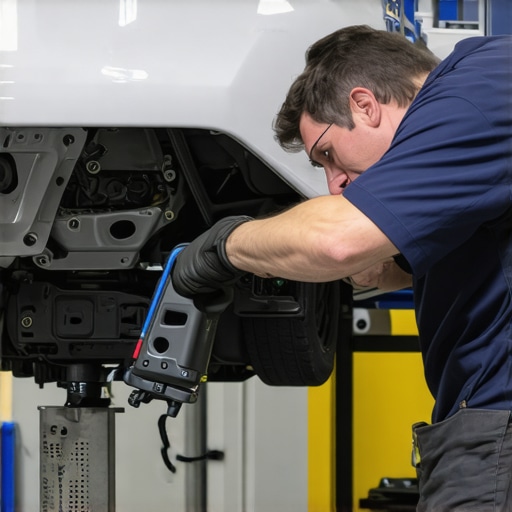
Remember, the key to avoiding scams is being proactive and informed. Regularly perform maintenance checks such as [routine car service](https://collisionfixer.com/car-service-maintenance-tips-for-2025-collisionfixer) and stay vigilant for signs of poor repairs or hidden damages. Your car’s safety depends on it.
Many drivers believe that a simple tune-up or regular car service is enough to keep their vehicle performing optimally. However, what most people don’t realize is that common misconceptions can lead to costly mistakes. For instance, some assume that routine maintenance doesn’t require advanced diagnostics, but modern vehicles—especially 2026 models—demand a more nuanced approach to auto repair. Relying solely on traditional methods can miss hidden issues, which may cause transitory problems like slipping transmissions or engine misfires to escalate into major failures if not properly diagnosed. Experts emphasize that a comprehensive diagnostic process, such as utilizing top-tier auto repair diagnostics, is essential for uncovering underlying faults that aren’t immediately obvious. Ignoring this nuance often results in unnecessary repairs or overlooked damage, ultimately affecting safety and durability. Moreover, many believe that short-term fixes, like adding additives to transmission fluid, can resolve long-term issues, but this can mask symptoms while the root causes worsen—a trap to avoid. To truly optimize your vehicle’s performance, understanding the advanced nuances of your car’s systems and recognizing the limits of generic repair advice is crucial. For example, a detailed tune-up protocol tailored for 2026 hybrid engines can boost efficiency significantly—something a standard service might overlook. Dive into expert strategies to elevate your car’s longevity and performance by exploring insights into transmission system maintenance, engine tuning, and the importance of tailored repairs. Remember: staying informed and vigilant about the subtle cues your vehicle gives can save you thousands and extend your car’s lifespan. Have you ever fallen into this trap? Let me know in the comments.Maintaining your vehicle’s performance over time requires the right tools and a methodical approach. One of my go-to equipment pieces is a high-quality automotive scan tool like the Autel MaxiSys series. I personally rely on it because it allows me to run comprehensive diagnostics on modern vehicles, especially the advanced systems in 2026 models, helping me identify issues before they escalate. Additionally, a precise digital multimeter is indispensable for electrical troubleshooting, ensuring that components such as sensors, alternators, and relays function correctly. Over the years, I’ve found that coupling diagnostics with software like OEM-specific repair apps streamlines the repair process and boosts accuracy. For instance, using specialized diagnostic software can uncover hidden faults, such as incorrect sensor calibration affecting transmission performance, which might be missed with generic tools.
Regarding routine maintenance, I emphasize regular fluid checks and replacements, particularly for transmissions. A simple yet effective practice is to perform a transmission fluid test as part of your scheduled service. It might surprise you how quickly fluid degradation occurs, especially in 2026 models with complex transmission systems. For example, checking the fluid’s color, smell, and viscosity can reveal early signs of failure, allowing preventive action. For this, I use a dedicated transmission fluid test kit, which I recommend because it provides an immediate assessment without needing to visit a mechanic.
Looking ahead, I predict the trend will involve more integrated diagnostic systems that sync with your smartphone, enabling real-time health monitoring of key components. As vehicle technology evolves, staying updated with the latest tools becomes essential to avoid costly repairs—consider how expert strategies like those outlined in [best auto repair diagnostics tips](https://collisionfixer.com/best-auto-repair-diagnostics-tips-for-peak-vehicle-performance-2025) can empower you.
How do I keep my car running smoothly over the years?
Regular inspections using advanced diagnostic tools, timely fluid changes, and utilizing software that aligns with your vehicle’s specifications are crucial. I personally schedule biannual diagnostics, especially for critical systems like the transmission and hybrid components, to preempt failures. For example, implementing a proactive maintenance plan that includes sensor calibrations can prevent issues like hybrid jerking or transmission overheating, which are common in 2026 models. Moreover, investing in professional-grade equipment and learning basic troubleshooting skills can save thousands in long-term repairs. Don’t wait until you notice overt symptoms—early detection is key to maintaining optimal vehicle health.
To get started, try performing a transmission fluid quality check with a specialized test kit this month. It’s a straightforward step that can reveal underlying problems and save you from potential breakdowns. Remember, consistent maintenance and staying updated with the latest diagnostic techniques are your best defense against costly auto repairs in the future.
What I Wish I Knew About Body Shop Trustworthiness
One of the most valuable lessons I learned was never to accept a repair estimate at face value. Digging deeper and asking specific questions about diagnostics and parts can reveal hidden red flags. For example, I once caught a shop attempting to overcharge by suggesting unnecessary sensor replacements. This taught me that the real power lies in being proactive and informed, especially with modern vehicles that have complex systems requiring specialized knowledge.
Another insight was the importance of verifying repairs immediately after service. Listening for unusual noises or vibrations can save you from costly follow-ups. I experienced this firsthand when a subtle misalignment caused ongoing issues, but addressing it early prevented further damage and saved money. Regular testing, like checking sensor calibrations, is a simple yet effective way to maintain vehicle safety.
Lastly, I discovered that trustworthiness isn’t just about certifications, but also reputation. Reading online reviews and seeking recommendations helped me identify reputable shops skilled in 2026 models. These lessons became my blueprint for ensuring my vehicle remains safe and reliable, turning me into a more confident, informed driver in the process.
Tools and Resources I Rely On for Honest Repairs
My essential toolkit includes a top-tier diagnostic scanner like the Autel MaxiSys series. It’s invaluable for uncovering hidden faults in advanced 2026 systems. Reliable diagnostic software tailored to OEM specifications helps me verify sensor calibration and system health, preventing unnecessary repairs. Additionally, a quality digital multimeter allows me to troubleshoot electrical issues swiftly. These tools empower me to assess repairs critically and avoid being misled by subpar workmanship.
Beyond equipment, I trust industry-recognized resources such as repair guides on CollisionFixer and forums where fellow car enthusiasts share experiences. Using reputable sources ensures I stay updated on the latest repair strategies, like effective ways to prevent transmission overheating in 2026 models. Having these trusted tools and information repositories makes every repair session more transparent and successful.
Your Next Step: Take Control of Your Vehicle’s Future
Remember, your vehicle’s safety and performance hinge on your awareness and proactive measures. Investing in proper diagnostics, asking the right questions, and trusting verified sources can dramatically reduce repair costs and extend your car’s lifespan. The road to maintaining a reliable and safe vehicle starts with you—so take those first steps today. Have you ever caught a repair shop attempting to upsell unnecessary fixes? Share your story below and help others stay vigilant on their auto repair journey!
Michal, your trusted auto repair advocate, encourages you to stay informed and confident in your vehicle maintenance decisions. Keep learning, stay curious, and drive safe!
![5 Collisionfixer Tips to Fix 2026 Panel Gaps [Save $1,200]](https://collisionfixer.com/wp-content/uploads/2026/02/5-Collisionfixer-Tips-to-Fix-2026-Panel-Gaps-Save-1200.jpeg)
![3 Collisionfixer Fixes for Hidden 2026 Frame Damage [Save $2k]](https://collisionfixer.com/wp-content/uploads/2026/02/3-Collisionfixer-Fixes-for-Hidden-2026-Frame-Damage-Save-2k.jpeg)