It was a chilly morning when I turned the ignition, only to be greeted by that sickening groan and shaky engine shake. For a moment, I wondered if I was headed for a costly tow or if I’d be stranded on the side of the road. That lightbulb moment hit me hard—the time I’d spent neglecting regular maintenance was catching up, and now my vehicle was almost crying for help. Have you ever experienced that sudden, panic-inducing car failure right when you needed your ride most? If so, you’re not alone, and I’ve been there too.
Why Staying Ahead of Auto Repairs Matters More Than Ever
In today’s fast-evolving auto industry, vehicles are smarter, more complex, and packed with cutting-edge technology. Skipping preventive care or ignoring diagnostics can lead to unexpected breakdowns, expensive repairs, and even safety concerns. I learned this the hard way early on, making the mistake of delaying a transmission check that later cost me triple what a simple tune-up would have. According to experts, proactive maintenance not only keeps your car running smoothly but can also boost its longevity and resale value. If you’re aiming for peak performance in 2025, now’s the time to get serious about your auto care game.
Fortunately, there are proven tips and strategies for car owners looking to stay ahead. From routine check-ups to understanding the latest diagnostics, I’ll help unravel the secrets to keeping your vehicle in top shape. Ready to dive into the essentials? Let’s make sure you’re not left stranded when you least expect it.
Is Auto Repair and Diagnostics Hype or Real Help?
I used to think all these diagnostic tools and repair hacks were just flashy gimmicks—until I missed critical signs of transmission wear that could have been caught early. Trust me, the mistake I made early on was ignoring small warning signs, thinking they weren’t urgent. That oversight cost me dearly. Now, I always recommend following expert advice and embracing diagnostic tech, which can pinpoint issues before they escalate. Want to learn how to avoid my costly mistakes? Check out some of the top repair tips at collisionfixer and equip yourself with the knowledge to keep your car performing at its best in 2025.
Stay tuned—next, we’ll walk through practical steps every car owner should implement to ensure their vehicle remains reliable and safe for the road ahead.
Schedule Regular Inspections to Catch Small Problems Early
Think of your car as a patient that needs regular check-ups. I learned this firsthand when I neglected my brakes until they squealed like a banshee during a panic stop. To prevent risks, set a recurring schedule for inspections—at least every 6 months or 6,000 miles. During these visits, have a qualified mechanic examine critical components like brake pads, tires, fluids, and belts. By staying vigilant, you can catch issues before they escalate into costly repairs, just like I did with my brake system.
Prioritize Transmission Checks and Tune-Ups
Your transmission is the backbone of your vehicle’s performance, much like a heart in a body. I once ignored slipping gears until I found myself stranded because of a failed transmission. To avoid this, follow a maintenance plan that includes diagnostic scans and fluid replacements every 30,000 to 60,000 miles. Modern diagnostics can detect wear before you feel the symptoms. For comprehensive guidance, explore [expert transmission repair strategies](https://collisionfixer.com/expert-transmission-repair-system-maintenance-for-peak-2025-performance), which detail vital precision checks that keep your transmission running smoothly.
Make Fluid Changes a Routine Habit
Changing engine oil, coolant, and transmission fluid isn’t just about ticking boxes—it’s about ensuring your car’s vital signs stay healthy. I once procrastinated an oil change and paid the price with sluggish acceleration and higher fuel consumption. Schedule these fluid replacements as part of your routine, aligned with your vehicle’s manufacturer recommendations. Remember, fresh fluids act like a health tonic, preventing corrosion and reducing wear. To nail the right intervals and techniques, see the [ultimate guide to transmission tune-ups](https://collisionfixer.com/auto-repair-tips-collisionfixer-expert-vehicle-care-guide) and adapt accordingly.
Use Diagnostic Tools to Stay Proactive
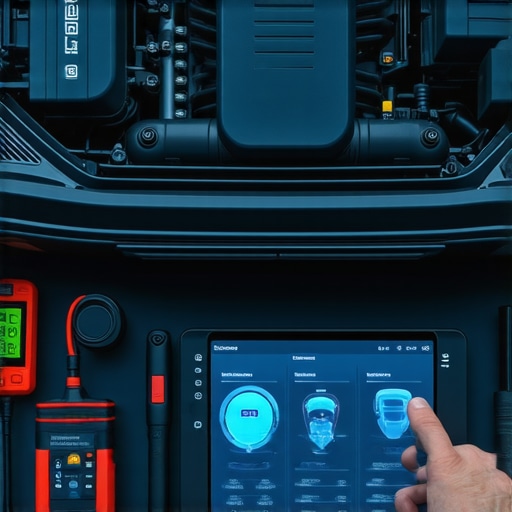
Modern cars come equipped with sensors that alert you to issues long before breakdowns occur. When I ignored my check engine light, I ended up with a broken sensor that cost me hundreds. These sensors can be read through diagnostic tools—think of them as health monitors. Invest in a quality scanner or visit a mechanic with advanced diagnostic equipment. This way, you catch problems early, much like an annual health check reveals underlying issues. For how-to advice, review [top auto repair diagnostics tips for 2025](https://collisionfixer.com/top-auto-repair-diagnostics-tips-for-2025-collisionfixer) and integrate this proactive approach into your maintenance routine.
Clean and Inspect Critical Components
Fuel filters, air filters, and spark plugs are small but mighty in ensuring efficient operation. I had a rough start on a cold morning because my air filter was clogged, forcing the engine to work harder. Regular inspections and cleaning of these parts can improve fuel economy and engine response. Use manufacturer guidelines to know when to replace or clean these components, which often takes less than 30 minutes. For detailed cleaning techniques and component checks, refer to [collisionfixer’s essential car service tips](https://collisionfixer.com/collisionfixers-ultimate-guide-to-car-tune-ups-auto-repairs-in-2025).
Maximize Safety Through Preventive Measures
Implementing these steps isn’t just about saving money—it’s about safeguarding yourself and your loved ones. Replace worn tires to avoid blowouts during a rainy drive, and check your lights regularly to keep yourself visible. Each action is like a shield, preventing accidents before they happen. Regular maintenance combined with diagnostics is your best bet for a safe, reliable vehicle in 2025. For comprehensive safety-focused tips, see [top auto repair and collision fixes for 2025](https://collisionfixer.com/best-car-service-collision-fixes-to-ensure-safety-in-2025-2). Keep these core practices in mind, and your car will thank you with years of dependable service.Many drivers believe that sticking to basic maintenance schedules suffices for keeping their vehicles in optimal condition, but this assumption often masks deeper misunderstandings about auto care. A common myth is that routine oil changes are the only essential service; in reality, neglecting transmission health or overlooking diagnostic insights can lead to costly repairs down the line. For instance, while many assume that transmission problems only manifest during noticeable slips or jerks, experts warn that subtle signs—like slight delays in gear engagement—often precede failures, making early diagnostics crucial.
Another misconception is that all repair shops operate with the same level of expertise. This can be a trap, especially if you rely solely on price or convenience rather than credentials and specialization. Genuine transmission repairs or complex collision fixes demand specialized training and equipment, which is why understanding the nuances of diagnosis and repair strategies is vital. For example, advanced diagnostics can reveal issues not detectable through visual inspection alone, preempting breakdowns before they become emergencies. To dive deeper into these strategies, check out trustworthy resources like top auto repair diagnostics tips.
Some drivers fall into the trap of delaying essential tune-ups, believing that as long as the car runs, it’s fine. But without regular transmission maintenance and fluid changes, even a running vehicle can suffer from reduced efficiency and eventual breakdown. Modern vehicles benefit immensely from proactive care—think of it as a health check-up for your car. Regular transmission tune-ups can be the difference between continued smooth operation and sudden, expensive failures.
Why do so many overlook these details? A major reason is the assumption that auto repair is a straightforward issue, ignoring the complex interplay of systems within a modern vehicle. Advanced repair strategies involve understanding the intricacies of vehicle diagnostics, sensor data interpretation, and targeted component servicing. For those interested in sharpening their knowledge, exploring articles like expert transmission repair strategies can be enlightening.
Finally, many underestimate the importance of addressing small, seemingly insignificant issues early on. This oversight often leads to what I call the ‘Oops Factor’: a preventable mistake that results in expensive repairs or safety hazards. For example, neglecting minor fluid leaks or worn-out belts can have ripple effects, compromising vehicle safety and performance. Remember, comprehensive car care isn’t about reacting to problems but preventing them—an approach supported by studies emphasizing preventive maintenance’s role in extending vehicle lifespan (see diagnostics and proactive repair).
Have you ever fallen into this trap? Let me know in the comments, and share how you’ve adjusted your maintenance approach!
Maintaining your vehicle’s optimal performance over the years requires more than just routine check-ups; it demands the right tools and refined techniques. As vehicles evolve, so do the methods to diagnose and address issues efficiently. I personally rely on a combination of advanced diagnostic scanners and specific maintenance routines that have proven invaluable in preventing costly repairs and ensuring longevity.
Investing in Quality Diagnostic Equipment
My go-to tool for keeping my car in top shape is a professional-grade OBD-II scanner. Unlike generic code readers, this device provides comprehensive readings, allowing me to identify sensor malfunctions, transmission issues, or early warning signs of potential failures. For example, using the top auto repair diagnostics tips, I learned how to interpret sensor data accurately, enabling proactive maintenance rather than reactive repairs. Over time, investing in a high-quality scanner has saved me thousands, catching issues before they escalate.
Scheduled Fluid Analysis
Another technique I swear by is periodic fluid analysis. Sending coolant, transmission, and engine oil samples to a specialized lab gives insights into wear particles and contaminants that aren’t visible through visual inspections. This process helps me determine precise intervals for fluid changes, aligning with manufacturer recommendations and my vehicle’s unique wear patterns. The future of maintenance leans heavily towards data-driven decisions—expect to see integrated sensor systems that continuously monitor fluid health, making manual testing even more seamless.
Adopting the Right Maintenance Routine
Beyond tools, a disciplined maintenance schedule is crucial. I schedule semi-annual inspections focusing on critical components like belts, hoses, and filters, which can silently degrade over time. Using comprehensive guides—such as the top car service maintenance tips—ensures I don’t overlook minor issues that might cause major problems later. Combining regular inspections with diagnostic readings provides a layered defense that keeps my vehicle’s performance consistent.
Regularly Calibrating Sensors and Components
In modern vehicles, sensors play a pivotal role in engine management and safety systems. I make it a point to calibrate these sensors periodically, especially after repairs or part replacements. Proper calibration ensures the system’s responses are accurate, preventing false warnings or missed malfunctions. For instance, aligning your tire pressure sensors correctly can prevent uneven tire wear and improve fuel efficiency. With advanced calibration tools, this process can be accomplished swiftly and with high precision, which will be increasingly important as vehicle automation advances.
Looking Ahead in Auto Maintenance
The trend is clearly moving towards smarter, connected systems that provide real-time diagnostics and maintenance alerts. Manufacturers are integrating AI-powered diagnostics directly into vehicles, making maintenance predictive rather than preventive. To stay ahead, I recommend trying out some of the latest diagnostic apps compatible with your car’s system, and exploring software updates from your vehicle’s manufacturer. These steps can make your upkeep more efficient and less intrusive, setting the stage for a future where cars virtually self-report issues before they become critical.
If you want to optimize your vehicle’s performance now, start by investing in a good diagnostic scanner and schedule regular fluid analyses. These practices, paired with routine calibrations and inspections, form the foundation of a resilient maintenance strategy. For comprehensive guidance, the expert transmission tune-up strategies provide deep insights into staying ahead of common transmission issues—an essential part of long-term care.
So, take action today: pick up a quality diagnostic tool and set a schedule for your next fluid analysis. Your car will thank you with smoother rides and fewer surprise repairs—because in auto care, prevention is always better than cure.
The Hardest Lessons I Learned About Car Service and Fixes
One of my biggest surprises was realizing how small neglects—like ignoring a slightly squeaky belt—can snowball into major repairs, costing hundreds or even thousands. That wake-up call taught me to never overlook the tiny signs.
Another lesson came when I trusted generic repair shops without verifying their expertise. I discovered that specialized knowledge, especially for transmission tune-ups, makes all the difference in avoiding unnecessary replacements.
My most profound realization was the importance of proactive diagnostics. Relying solely on visual inspections left me vulnerable; investing in quality diagnostic tools gave me early warnings, saving time and money.
My Favorite Tools and Resources for Keeping My Car in Peak Shape
First, I swear by a professional-grade OBD-II scanner. It provides comprehensive insights into my vehicle’s health, helping me catch issues early. I trust top auto repair diagnostics tips to interpret readings and refine my maintenance routine.
Next, I rely on regular fluid analysis—sending samples to specialized labs to monitor wear particles—an advanced step I incorporated based on expert advice from expert transmission repair strategies.
Additionally, keeping my sensors calibrated after repairs ensures my systems respond accurately, preventing false warnings. Using resources like auto-tune guides keeps me informed about the latest best practices.
Finally, I consult comprehensive maintenance schedules from trusted sources to stay disciplined. Regular inspections, combined with diagnostic insights, make my car a dependable companion on every journey.
Take Charge and Keep Your Vehicle Running Strong
The road ahead is exciting for those willing to embrace smarter auto care. With the right tools, knowledge, and proactive mindset, you can prevent costly surprises and enjoy safer, smoother rides well into the future. Remember, your vehicle’s longevity depends on your commitment today.
What’s the first small maintenance change you’re considering to improve your car’s performance? Share your plans below—I’d love to hear your stories and insights!