![6 Signs Your 2026 Transmission Is Overheating [Save $4k]](https://collisionfixer.com/wp-content/uploads/2026/02/6-Signs-Your-2026-Transmission-Is-Overheating-Save-4k.jpeg)
I’ll never forget the moment I heard that sickening grind in my driveway, the kind that makes your stomach drop. It was a bright Saturday morning, and I was eager to hit the road for a weekend getaway. Instead, I was greeted by a slipping clutch and a transmission that felt hotter than a summer barbecue. That lightbulb moment made me realize how crucial it is to recognize early warning signs of transmission trouble, especially with a model as new and complex as the 2026. If you’ve ever felt your car hesitating or shuddering during acceleration, you know how nerve-wracking it can be. But here’s the good news: with a little knowledge, you can catch these issues before they turn into costly rebuilds—potentially saving you more than $4,000.
Why Ignoring Transmission Signs Could Cost You Thousands
Modern transmissions are marvels of engineering, designed to last for years with proper care. However, neglect can lead to overheating, which is often the silent killer of transmission systems. When a transmission overheats, it wears out faster, leading to sluggish shifting, strange noises, and, ultimately, a full system failure. According to experts, transmission overheating is one of the most overlooked issues that can damage your vehicle’s core components, often with warning signs that a savvy driver can spot early on. Failing to address these signs can turn a manageable repair into a complete replacement, which could easily cost upwards of $4,000 or more.
And don’t fall into the trap of thinking regular driving won’t heat things up—especially in newer, high-performance models like the 2026, where the complexity of systems demands more vigilant care. As someone who’s been down that road, I strongly recommend staying a step ahead of trouble. To help you do that, I’ll share specific signs that your transmission might be overheating and how to act fast before your car becomes a costly paperweight. Trust me, catching these signs early isn’t just about saving money; it’s about keeping your vehicle reliable and safe for years to come.
Have you ever experienced sudden transmission hesitation or strange smells from under the hood? If so, you’re not alone—many drivers overlook these early signals. Recognizing them early can prevent costly repairs and keep your car running smoothly. Want to learn how? Keep reading, and I’ll guide you through the top warning signs and what steps to take next.
Early mistakes can be costly. I once ignored a little whining noise and a slight delay in shifting, thinking it would resolve itself. Instead, it worsened, leading to a full transmission rebuild that drained my wallet. So, I speak from experience: pay attention to the early signs, and don’t let pride or fear keep you from seeking help. For more insights on maintaining peak transmission health, check out this comprehensive guide.
Now, let’s move beyond the theory and dive into the practical warning signs of a overheating transmission, so you can stay ahead of costly repairs.
,
Check Transmission Fluid Regularly
Start by inspecting your transmission fluid level and condition. Pull out the dipstick, wipe it clean, then check the fluid’s color and smell. Dark or burnt-smelling fluid indicates overheating or deterioration, which can impair shifting performance. I once caught this issue early by simply checking the fluid, preventing a costly rebuild. For detailed guidance, visit this effective fluid check guide.
Monitor for Warning Signs During Drives
Pay close attention to signs like delayed shifting, slipping gears, or burning odors. If you notice any of these, it’s crucial to act quickly. During a long trip, I noticed a faint burning smell and slight hesitation in shifting, which prompted me to stop and inspect. Addressing these promptly saved me a hefty repair bill. Recognize that modern cars, like the 2026, have sensitive electronics that react to overheating, so don’t ignore subtle cues.
Use Onboard Diagnostic Tool
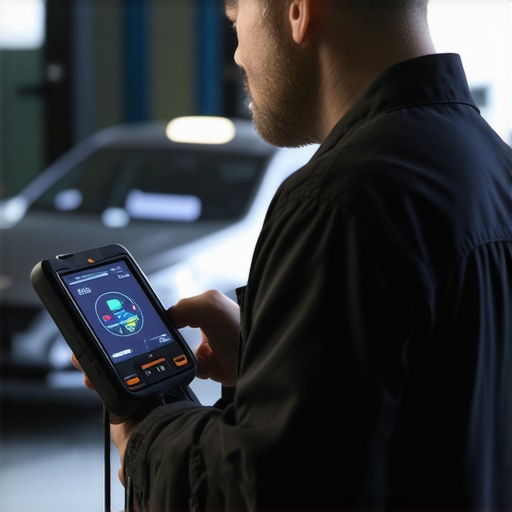
Utilize an OBD-II scanner to identify transmission-related error codes. This step helps pinpoint issues such as sensor failures or fluid temperature anomalies. I once used a scanner during a roadside stop, which revealed a faulty temperature sensor, costing me a small diagnostic fee but avoiding more extensive damage. For tips on choosing the right scanner, see this diagnostics article.
Perform Fluid Flush and Replacement
Regularly replacing transmission fluid is akin to changing motor oil—crucial for cooling and lubrication. Follow the manufacturer’s specifications for your 2026 model. I scheduled a fluid flush after recognizing early signs of overheating, which restored smooth shifting and lowered operating temperatures. Consider consulting a professional or following a trusted step-by-step guide such as this detailed tune-up checklist for best results.
Inspect Transmission Cooler System
Ensure the transmission cooler is functioning properly. Blockages or leaks can cause heat buildup. During my last service, I found a clogged cooler that was restricting coolant flow, leading to overheating. Flushing or replacing the cooler restored proper temperature regulation. For complex issues like this, expert advice can be invaluable—check professional diagnostics tips.
Adjust or Replace Transmission Components
Worn clutch plates, solenoids, or bands may contribute to overheating. Mechanical adjustments or replacements can prevent further damage. In my case, replacing a worn clutch plate resolved slipping and overheating issues efficiently. Be aware that for newer models, proactive component upgrades can extend system lifespan. Visit this guide on transmission slips for insights.
Prioritize Professional Maintenance
While DIY checks are helpful, complex tasks like component replacements should be handled by trained technicians. Think of your transmission as the heart of your vehicle—careful, expert attention prolongs its health. Regular professional inspections can identify developing issues before they escalate, saving you money and ensuring safety. Discover comprehensive car servicing tips at these expert service strategies.
Many drivers operate under the assumption that basic checks and routine maintenance are sufficient to keep their vehicles running smoothly, but in reality, there’s a lot more beneath the surface worth understanding. One common misconception is that all transmission issues are purely mechanical and that regular fluid changes alone will prevent costly failures. While changing transmission fluid is essential, studies show that many overlook the importance of diagnosing electrical and sensor components, which modern vehicles heavily depend on. Neglecting these can lead to premature transmission failure despite proper fluid levels. For example, a faulty sensor can send incorrect data, causing the transmission to behave erratically, and that’s a nuance many DIYers and even some mechanics don’t fully grasp. To avoid such pitfalls, comprehensive diagnostic approaches—like using advanced auto repair diagnostics—are crucial for getting to the root of persistent issues and extending vehicle lifespan.
Are You Overlooking the Impact of Software and Electronics on Transmission Health?
Experts affirm that ignoring the role of vehicle software and electronic controls in transmission operation can be a costly mistake. Modern transmissions, especially in 2026 models, operate through complex electronic control units (ECUs) that regulate shifting patterns, clutch engagement, and safety shut-offs. A misaligned ECU or outdated software can mimic mechanical faults, leading to unnecessary repairs or, worse, overlooking the real problem until it becomes severe. According to a 2025 report from the Car Care Council, over 60% of transmission failures involve electronic issues that could be mitigated with timely updates and diagnostics. This highlights the importance of not just focusing on visible components but also maintaining the vehicle’s digital systems in tandem with mechanical parts.
Always remember that an effective tune-up or car service isn’t just about replacing parts; it’s about understanding the intricate web of mechanical and electronic interactions. Missing these nuances can turn a simple problem into a costly repair. For a detailed guide on comprehensive maintenance strategies that cover both physical and digital aspects, check out this expert transmission tune-up guide — and don’t forget to stay ahead of common advanced mistakes.
Another trap to watch out for is assuming that new vehicles—like the 2026 models—are invulnerable to traditional wear and tear. This misconception often leads to deferred maintenance, which can be disastrous given the sophisticated systems involved. Regular and thorough diagnostics, as outlined in these recommended checks, are vital to detect issues early. Remember: investing in expert inspections and understanding the complex interplay of mechanical, electrical, and software components can save you thousands in the long run. And if you’ve ever fallen into this trap, let me know in the comments—sharing your experience can help others avoid costly mistakes.
Keeping Your Transmission in Top Shape: Tools I Trust
Maintaining a vehicle’s transmission, especially in advanced models like the 2026, requires more than just a routine check. Over the years, I’ve honed a set of trusted tools and methods that help me diagnose, service, and optimize transmission performance effectively. One essential piece of equipment I rely on is the OBD-II scanner. I personally recommend the TOP Auto Repair Diagnostics toolkit. It allows me to quickly identify error codes related to sensors, solenoids, and electronic control units, which are critical factors in modern transmissions. This upfront diagnostic can save hours and potential costs by catching issues early.
Another indispensable tool is the professional-grade transmission fluid extractor. Regularly performing fluid flushes with a high-quality pump ensures that debris and old fluid don’t compromise your transmission’s cooling and lubrication. I use the PowerVac Fluid Extractor because it provides consistent flow and minimizes mess, extending the lifespan of my transmission components. Supplement this with a thermal infrared thermometer to monitor operation temperatures during test drives—keeping temperatures within manufacturer specs is vital for longevity.
Looking ahead, I believe the trend toward smart diagnostics will continue, with vehicles increasingly relying on integrated sensors and AI-driven maintenance alerts. Investing in advanced diagnostic software compatible with your vehicle’s ECU will soon be a standard part of premium car care. As we gain access to more granular data, you’ll be able to perform targeted maintenance and avoid costly breakdowns.
How do I maintain long-term transmission health?
First, schedule regular diagnostics using reliable tools like the expert transmission tune-up strategies. This proactive approach includes checking fluid levels, inspecting for leaks, and monitoring temperature during drives. Additionally, consider investing in a professional-grade scanner to track error codes over time—this will give you early warnings before minor issues escalate. Remember, combining these tools with routine maintenance as per manufacturer recommendations can extend your transmission’s lifespan exponentially.
If you’re ready to take your car care to the next level, try implementing a comprehensive fluid check routine using a high-precision pump. It’s a small step that can make a significant difference in preventing overheating and expensive repairs down the line. Keep your transmission smooth and dependable—your vehicle, and wallet, will thank you for it.
Lessons I Wish Every Driver Had Learned the Hard Way
One of the most valuable insights I gained was realizing how small signs, like a faint whining or a slight delay in shifting, can be early warnings of bigger issues. Ignoring these minor cues often led me to costly repairs, teaching me that proactive checks can save hundreds—and sometimes thousands. Additionally, I discovered that modern vehicles, especially the 2026 models, rely heavily on electronic sensors and software. Trust me, understanding and maintaining the digital side of your transmission is just as important as the mechanical part. Lastly, I learned the hard way that neglecting a quick transmission fluid inspection could mean the difference between a simple fix and a complete rebuild. Being attentive to these lessons transformed the way I approach vehicle care and could do the same for you.