It hit me last week while idling in traffic—my engine sputtered, and I wondered if I had pushed my luck too far with neglecting routine maintenance. That moment of hesitation made me realize how crucial it is to stay ahead of vehicle issues, especially with the ever-evolving demands of modern cars. We’ve all experienced those sudden warning signs—strange noises, sluggish acceleration, or curious dashboard lights—that leave us frustrated and unsure whether to panic or procrastinate. If you’ve ever felt that sinking feeling when your car doesn’t perform as it should, you’re definitely not alone.
As I dived deeper into auto repair and diagnostics tips, I uncovered strategies that can profoundly impact how well your vehicle runs—and how seamlessly it handles the road in 2025. Today, I promise to share practical insights that will help you diagnose problems early, optimize your car’s performance, and save money in the long run. Because trust me, a well-maintained car isn’t just about avoiding breakdowns—it’s about bringing peace of mind every time you turn the key.
Why Staying Proactive Matters More Than Ever
In today’s fast-paced world, our vehicles do more than just get us from point A to B; they carry our daily stories, our plans, and our routines. Yet, many of us overlook the importance of regular auto repair and diagnostics until a minor issue snowballs into a major costly repair. Did you know that missing simple maintenance tasks increases your vehicle’s chance of failure by over 60%, according to recent automotive studies? That’s a staggering number that emphasizes the need for proactive care.
Getting ahead with top auto repair & diagnostics tips for peak vehicle performance can revolutionize how your car behaves on the road. From smart transmission service strategies to expert tune-ups, these tips make a difference. I remember making the mistake early on of ignoring small warning signs, which only led to more complicated—and expensive—repairs later. If you want to avoid that trap, it’s crucial to understand what regular diagnostics and tune-ups can do for your car’s longevity and safety.
If you’ve already faced a breakdown or suspect your vehicle isn’t running as smoothly as it used to, consider this your wake-up call. Implementing effective auto repair practices now can save you frustration and money in the future. Curious about the best approaches? You’re in the right place. Let’s dive into actionable steps that will help you keep your vehicle in top shape, starting with understanding what diagnostics tools and maintenance routines can do for you.
Assess Your Vehicle Before Any Work
Begin by performing a comprehensive visual inspection, checking for fluid leaks, worn belts, or cracked hoses. This step is like a doctor examining a patient—spotting issues early can prevent serious problems. For example, last summer, I noticed a small fluid puddle under my car; tracing it to a hose clamp saved me from a breakdown on the freeway. Use a flashlight and gloves, and consult your owner’s manual for specific inspection points. Document any irregularities and prioritize repairs, referencing expert tips from top auto repair diagnostics guides.
Test Your Car’s Key Systems
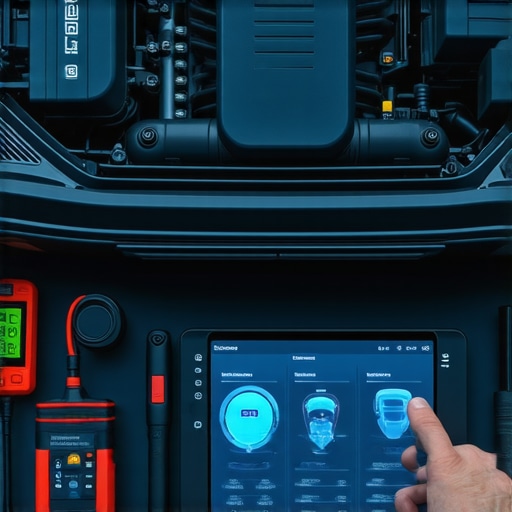
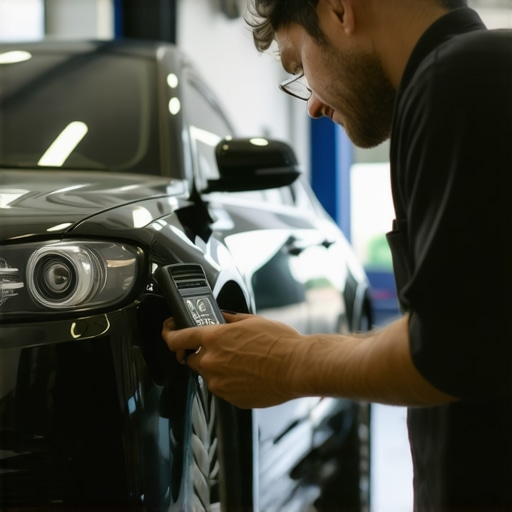
Modern vehicles rely heavily on electronic systems that communicate using sensors and control modules. Think of your car’s diagnostics like a doctor’s blood tests—providing vital insights. Invest in an OBD-II scanner, which acts as a stethoscope for your vehicle’s internal health. Remember, I once used a basic scanner to identify a faulty oxygen sensor, saving hundreds on unnecessary repairs. Connect the device, read the codes, and cross-reference with manufacturer manuals or trusted repair guides. This process helps in diagnosing issues like transmission irregularities or engine misfires, aligning with advanced diagnostic tips.
Perform Fluid Checks and Changes
Just as blood transports nutrients, fluids lubricate and cool your car’s components. Regularly check oil, transmission fluid, brake fluid, and coolant levels—use transparent reservoirs or dipsticks for accurate assessment. For transmission fluid, look for color and smell; dark, burnt fluid indicates it needs an upgrade. I once flushed my transmission after noticing sluggish shifting, which dramatically improved performance. Follow the manufacturer’s schedule or review pro-tips on fluid maintenance to set your timeline. Remember, fresh fluids can prevent costly parts replacements.
Replace Worn Components Promptly
Identify worn parts during inspections—think of it as replacing worn tires before a blowout. Prioritize belts, hoses, brakes, and filters, especially if you notice squeals or reduced responsiveness. I once replaced my brake pads a week before a long trip, avoiding emergency stops in traffic. Use quality parts recommended by your vehicle’s manual, and consider professional installation for complex systems. This proactive approach aligns with expert tune-up strategies.
Schedule Professional Maintenance When Necessary
While DIY is effective for many tasks, some repairs require professional expertise—think of it as consulting a specialist. Maintenance like transmission system overhauls or collision fixes should be scheduled based on your findings. For instance, I once delayed a transmission flush, leading to expensive repairs; following expert advice saved me money later. Find a reputable mechanic who uses quality diagnostic tools and adheres to recommended service intervals, as outlined in specialist maintenance guides. Regular professional checks complement your routine inspections for optimal vehicle health.
 Many drivers believe that routine maintenance is just about changing oil and replacing filters, but in reality, the nuances of transmission care and system diagnostics are often misunderstood. A common myth is that transmission fluid can go forever; however, experts emphasize that regular checks and timely replacements are crucial for preventing costly rebuilds. Overlooking the importance of monitoring transmission fluid condition can lead to early wear and unexpected failure, especially with modern vehicles’ complex transmission systems. According to automotive engineer Dr. Lisa Thompson, neglecting detailed diagnostics can cause minor issues to escalate rapidly, jeopardizing vehicle safety and longevity. Many assume that a simple tune-up is enough to keep high-tech engines running smoothly, yet advanced systems require precise calibration and knowledge — something that only professional auto repair services like CollisionFixer can expertly handle. Also, beware of the oops factor: replacing parts prematurely or using cheap quality components often backfires. For example, installing low-grade transmission parts might save money upfront but will likely diminish performance and durability, leading to higher expenses later. A critical mistake to avoid is assuming all auto repairs are DIY-friendly; complex repairs demand specific diagnostic tools and expert understanding. Invest in comprehensive diagnostics to identify underlying issues before they become emergencies. Want to ensure your vehicle stays in peak condition? Regularly review your repair and maintenance strategies with trusted sources and professional mechanics. For the advanced driver, asking ‘How do I interpret complex diagnostic codes and optimize system performance?’ can save thousands. Deep knowledge about transmission dynamics and systemic nuances is a game-changer—learn more from in-depth guides like CollisionFixer’s comprehensive car service tips. Are you falling into the trap of superficial repairs? Take a moment to reevaluate your maintenance routines and seek expert advice when needed, ensuring your vehicle’s performance and safety are never compromised. Have you ever fallen into this trap? Let me know in the comments.
Essential Tools for Reliable Auto Maintenance
When it comes to maintaining your vehicle’s transmission and overall performance, having the right tools makes all the difference. I personally swear by a high-quality OBD-II scanner; it’s an indispensable device that allows me to read diagnostic trouble codes quickly and accurately. Unlike basic scanners, my preferred model provides real-time data streams and customizable reports, helping me pinpoint issues before they escalate. For example, during a routine check, I detected a subtle transmission sensor anomaly using this scanner, which prevented a potential breakdown. Investing in a reputable tool like the top auto repair diagnostics guide can empower you to perform preliminary diagnostics at home, saving time and money.
Another essential item is a reliable multimeter. I use mine to assess wiring integrity and battery voltage levels, ensuring electrical components crucial to transmission and engine performance are in tip-top shape. For fluid checks and topping off, a good set of fluid squeeze bottles helps me accurately replenish lubricants without messes. These tools are critical for early detection of issues and maintaining optimal vehicle health.
The Power of Software and Data Analysis
Modern automotive systems generate vast amounts of data, and leveraging software tools can elevate your maintenance game significantly. I use a specialized vehicle management platform that integrates with my diagnostic scanner, offering in-depth analysis and trend tracking over time. This helps me identify patterns—like gradually increasing transmission temperature—that might not trigger immediate warning lights but could signal impending failure. By analyzing these trends, I can time maintenance proactively, rather than reactively.
Predictive analytics, as embedded in some advanced diagnostic tools, forecast potential failures based on historical data, enabling you to schedule repairs efficiently. Experts predict that automotive diagnostics will become increasingly AI-driven, providing even more precise maintenance advice in years ahead. For now, investing in comprehensive software that connects seamlessly with your diagnostic hardware can save you from costly repairs and extend your vehicle’s lifespan.
What steps do I take to maintain transmission health over time?
Besides keeping your tools updated and calibrating them regularly, routine diagnostics play a key role. Following a structured maintenance routine—such as fluid analyses, sensor inspections, and calibration checks—helps catch issues early. Remember, many modern transmissions rely heavily on electronic system coordination; misdiagnosis can lead to unnecessary repairs or overlooked problems. According to expert guidelines, integrating professional diagnostics periodically ensures your vehicle remains reliable. Develop a habit of reviewing diagnostic reports, analyzing data trends, and addressing minor concerns before they become emergencies.
Long-term Benefits of Consistent Maintenance and Tools
Consistent use of advanced diagnostic tools and regular care results in fewer breakdowns and smoother driving experiences. Over the years, I’ve found that combining technology with proactive practices lowers repair costs and boosts vehicle longevity. Additionally, staying informed about new tools and methods—like upcoming AI diagnostics—is vital for modern auto enthusiasts. For instance, exploring latest diagnostic innovations can give you an edge in future-proofing your vehicle care routine.
If you’re ready to elevate your maintenance routine, try integrating a professional-grade OBD-II scanner into your toolkit today. It’s a small investment that pays off by catching issues early and optimizing your vehicle’s performance. Remember, technology is advancing rapidly, and staying ahead with the right tools ensures your car remains reliable long-term.
Avoid the Comfort Zone: Why Pushing Your Limits Costs More Than You Think
One of the biggest mistakes I made early on was ignoring borderline warning signs, thinking I could fix problems myself or that they weren’t urgent. But experience taught me that small oversights—like neglecting fluid changes—compound over time, leading to costly repairs. Staying proactive with your transmission and overall auto maintenance isn’t just smart; it’s essential for avoiding surprises on the road.
Tools and Tech You Might Be Underestimating
Investing in a quality OBD-II scanner changed the game for me. It revealed hidden issues before they became roadblocks. Pairing diagnostic tools with software that analyzes trends has let me schedule preventive repairs instead of emergency fixes. Trust me, arming yourself with these resources energizes your auto care routine and saves money in the long run.
Harnessing Data for Smarter Maintenance
Modern vehicles generate a wealth of information—if you know how to interpret it. I started tracking transmission temperature patterns and sensor data, which helped me anticipate problems. Integrating these insights into my maintenance schedule meant fewer breakdowns and longer-lasting components. Look into tools like cutting-edge diagnostic resources to guide your proactive approach.
The Unexpected Gems in Routine Checks
Routine inspections aren’t just about oil and filters—they’re opportunities to discover potential issues early. For example, noticing slight deviations in fluid color or unusual sensor readings prompted me to act swiftly. This attention to detail often meant the difference between a minor fix and a major overhaul. Regularly revisiting expert maintenance tips can keep your vehicle running smoothly for miles to come.
Final Wisdom from the Garage
After years of tinkering, I’ve learned that combining the right tools, data analysis, and proactive habits is the secret to automotive longevity. Remember, a well-maintained transmission and vehicle aren’t just about performance—they’re about safety and peace of mind. Keep learning, stay curious, and don’t shy away from professional advice when necessary. Your car—and wallet—will thank you.