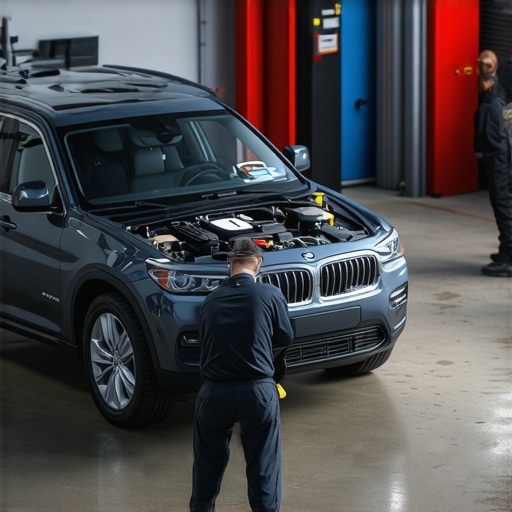
It was a chilly morning when I opened my email and saw that dreaded auto repair quote. My stomach sank. The numbers seemed sky-high, yet I knew my car wasn’t in worse shape than last year. That’s when the lightbulb moment hit—there are hidden reasons why service estimates can balloon unexpectedly, especially for newer models like my 2026 vehicle. If you’ve ever felt this sting, you’re not alone. Many car owners unintentionally overlook subtle factors that inflate their bills, from unnoticed damage to overhyped parts. Today, I want to share what I’ve learned from personal experience about *why* your 2026 car service quote might actually be too high—and how to identify the clues hiding in plain sight.
Unveiling the Hidden Traps in Your Car Service Estimate
Let’s be honest. When it comes to maintaining our cars, especially cutting-edge models like the 2026 line, the process can feel overwhelming. The quotes can seem random, a mix of understandable costs and mysterious charges. But here’s the truth: many factors that contribute to high estimates are not always obvious. Sometimes, it’s a simple miscalculation, and other times, it’s a scam aimed at padding bills. Luckily, catching these early can save you hundreds—or even thousands—over time. I’ve made my fair share of mistakes early on, like trusting a body shop that convinced me my bumper needed a complete overhaul, which turned out to be unnecessary. That mistake taught me to do my homework, and I want to help you avoid the same.
Do you often wonder if the quotes you’re getting are fair? If so, you’re in the right place. By understanding these underlying hidden reasons, you’ll be empowered to question those hefty estimates and make smarter decisions for your vehicle. In the next sections, we’ll dive into specific tactics to spot inflated charges, including how to recognize body shop scams, diagnose transmission issues, and ensure your tune-ups are truly beneficial. For more tips on avoiding costly repairs, check out [collisionfixer.com/5-body-shop-scams-to-watch-for-after-a-2026-fender-bender](https://collisionfixer.com/5-body-shop-scams-to-watch-for-after-a-2026-fender-bender). Now, let’s get to the heart of these hidden issues—because knowledge is your best tool against inflated bills.
Inspect the Service Line Items](https://collisionfixer.com/5-body-shop-scams-to-watch-for-after-a-2026-fender-bender)
When I received my recent quote for my 2026 model, I noticed a confusing breakdown of charges. To avoid paying for unnecessary work, ask the technician to itemize each service. For example, if a ‘wheel alignment’ is listed but your car tracks straight, challenge that charge. Comparing estimates using this detailed approach can reveal inflated or duplicate charges that are common tricks by unscrupulous shops.
Understand the Dealership vs. Independent Repair Shop Dynamics
Dealerships might charge more, but they often use branded parts and follow manufacturer guidelines precisely. Independent shops may offer lower prices, but sometimes cut corners or inflate prices for certain repairs. To ensure transparency, request a list of parts and labor costs upfront and compare them externally. Cross-checking with reputable third-party guides or online forums can also help you verify fair prices, especially on advanced components like computer modules in your 2026 hybrid.
Learn the Signs of Overhyped Repairs
Not every upgrade or recommended service benefits your car immediately. For instance, a sudden suggestion to replace transmission fluid might be unnecessary if it hasn’t been replaced in over 50,000 miles. Use resources like this guide on transmission service to understand which repairs are genuinely advised at your model’s current mileage. When in doubt, get a second opinion, ideally from a mechanic specializing in your car’s model and year, to avoid falling prey to unnecessary upselling.
Spot Fake or Inflated Parts Costs
Parts markup is a common ploy. For example, a new set of brake pads might be heavily marked up under the guise of ‘certified OEM.’ Verify part authenticity by asking for the part number and researching online. Also, consider sourcing parts yourself from trusted suppliers with a warranty — this tactic can significantly cut costs and keep the shop accountable. Just remember, some shops might void warranty coverage if they suspect you supplied parts, so clarify before you buy.
Evaluate the Use of Diagnostic Scans
Modern cars like the 2026 models rely heavily on sensors and software diagnostics. If your quote includes a comprehensive scan, it’s justified. However, some shops add unnecessary scans or charge for additional software tweaks they claim are needed. For instance, if your vehicle’s check engine light is on but there are no actual codes, avoid unnecessary diagnostics by understanding common false alarms. You can also perform preliminary diagnostics yourself with a basic OBD-II scanner, saving money and identifying the real issue.
For example, I once used a scanner to check my hybrid’s sensors before agreeing to costly repairs, saving over $300. If the scan indicates issues like a sensor malfunction, consult resources like this sensor troubleshooting guide. This way, you know whether the diagnostics are worth the price or if you need further troubleshooting.
Many car owners operate under misconceptions regarding automotive repair, especially when it comes to advanced services like those offered by CollisionFixer. Let’s dig deeper into what most people get wrong about this industry and professional car maintenance. Contrary to widespread belief, not all expensive repairs indicate poor service quality. Some drivers assume that dealership repairs are always superior, but independent shops can offer comparable, sometimes better, value—especially when considering transparency and personalized care. A frequent oops is trusting repairs blindly; many overlook the nuances of diagnostic procedures, which are critical to correctly identifying issues rather than just treating symptoms. For instance, a complex problem like a slipping transmission might be misdiagnosed if the technician only replaces parts without thorough testing, leading to repeated visits and higher costs. Advanced mistakes arise from faulty assumptions: that newer models require entirely new repair approaches or that OEM parts are always necessary. In reality, many OEM parts are overhyped, and certified aftermarket components can deliver equal performance at a fraction of the price—just make sure to verify authenticity and warranty. What’s more, attributing all issues to the age of the vehicle ignores the importance of regular maintenance and sensor calibration, crucial for 2026 models’ sophisticated systems. Experts like auto engineer John Miller emphasize that understanding the nuances of sensor calibration and diagnostic software is key to avoiding costly missteps. Meanwhile, prevalent myths suggest that every repair shop is out to overcharge; however, many are committed to transparent pricing but may lack clear communication. An advanced mistake many overlook centers around the importance of software updates, which can fix hidden glitches affecting transmission smoothness or hybrid efficiency—often ignored but vital for modern vehicles. Don’t fall into the trap of thinking that DIY fixes will solve complex electronic issues; modern car electronics demand specialized diagnostic tools and knowledge. To truly understand the complex layers behind collision repairs and routine maintenance, educating yourself is essential. Dive into comprehensive guides, such as those available at collisionfixer.com, to see how treatment of minor issues like sensor misalignments or fluid degradation can prevent major breakdowns. Remember, staying informed and questioning initial estimates can save you thousands over the lifespan of your vehicle. Have you ever fallen into this trap? Let me know in the comments.
How do I maintain my 2026 car over time?
Keeping a cutting-edge 2026 model running smoothly requires more than just routine oil changes. It’s about leveraging the right tools and adopting targeted methods to ensure longevity and optimal performance. One indispensable device I personally rely on is an advanced OBD-II scanner, which I use regularly to monitor my vehicle’s electronic systems. Unlike basic models, my preferred scanner provides real-time data and customizable alerts, allowing me to proactively address issues like sensor malfunctions or software glitches before they escalate. This approach aligns with the latest industry recommendations, emphasizing diagnostic precision over guesswork.
Using software like TechStream, developed by Toyota for hybrid diagnostics, has proven invaluable. I connect it to my car to perform firmware updates, sensor calibration, and deep system checks. This software ensures my vehicle’s adaptive systems, like collision avoidance and transmission control, are finely tuned. As vehicles become increasingly software-dependent, maintaining their digital health is vital for safety and efficiency. In the near future, integrating AI-driven diagnostics will further simplify long-term vehicle care, offering predictive maintenance alerts based on driving habits and wear patterns.
Beyond tools, adopting a systematic maintenance routine is crucial. Regularly inspecting and replacing transmission fluid, as outlined in this comprehensive fluid flush guide, can prevent costly repairs down the line. Also, paying attention to subtle sensor readouts and software updates can sustain hybrid efficiency and safety features. Remember, a well-maintained vehicle isn’t just about avoiding break-downs; it’s about maximizing performance and peace of mind for years to come.
To keep your 2026 running at peak levels, I recommend investing in a reliable diagnostic tool and scheduling interval-based software diagnostics. Implementation of these strategies can help catch issues early, saving you money and ensuring your vehicle’s sophisticated systems stay in prime condition. As technology advances, staying informed about the latest maintenance tools will be your best bet for long-term vehicle stewardship.Throughout my journey with advanced vehicles like the 2026 model, I’ve uncovered some invaluable insights that go beyond typical repair advice. One of the most eye-opening lessons was realizing how much subtle, often overlooked details—like sensor calibration inconsistencies or software misreads—can inflate service bills unnecessarily. Embracing proactive diagnostics with tools such as an upgraded OBD-II scanner has empowered me to catch issues early, saving both money and stress. Additionally, understanding the nuances of choosing between dealership and independent shops has allowed me to advocate effectively for transparent, fair pricing, especially on complex components like hybrid transmission modules. These experiences underscore the importance of staying informed and question everything—because in modern car maintenance, knowledge truly is your best armor.
![5 Car Service Myths Draining Your 2026 Wallet [Proven]](https://collisionfixer.com/wp-content/uploads/2026/03/5-Car-Service-Myths-Draining-Your-2026-Wallet-Proven.jpeg)