I remember the exact moment I first felt it—driving home late at night, my car suddenly jerked and shuddered like it was struggling to catch its breath. Initially, I brushed it off, thinking maybe I hit a rough patch of road. But then it kept happening, more often and with every trip. That unsettling sensation made me question my car’s health, and I knew I wasn’t alone in this experience. Have you ever felt your transmission stumble and hesitate, especially when cold or under load? If so, you’re not just imagining things; it’s a common issue many 2026 models face.
The Real Reason Your Transmission Is Acting Up
Transmission problems can be tricky. Sometimes they’re caused by worn-out parts, but more often than not, a simple, overlooked fix can resolve the shudder without expensive repairs. What surprised me most was discovering that a common fluid change—costing around $80—could make a significant difference. This isn’t about a costly rebuild or complex software updates; it’s about a straightforward, effective approach that anyone can try.
A key reason for transmission shuddering is degraded or contaminated fluid, which hampers smooth gear shifts. When the fluid isn’t doing its job, your transmission struggles, leading to those uncomfortable jerks. Early in my troubleshooting, I made the mistake of ignoring fluid health because I thought it was just routine maintenance. That was a mistake I won’t repeat. Properly maintaining your transmission fluid can help prevent overheating, slipping, and jerky shifts. For additional insights on how to keep your transmission in top shape, check out this detailed guide on stopping your transmission slipping with a fluid flush.
Are you tired of experiencing that persistent shudder and want to know how to fix it quickly? Next, I’ll walk you through a simple step-by-step process that could save you hundreds, even thousands, in repairs. Trust me, this little fix might be just what your 2026 needs to shift smoothly once again.
Check Your Transmission Fluid First
Start by inspecting your transmission fluid level and condition. Park your car on a level surface, turn on the engine, and locate the transmission dipstick. Pull it out, wipe it clean with a lint-free cloth, then reinsert and pull it out again. Examine the fluid: it should be pinkish and free of burnt smell or particles. If it’s dark, cloudy, or has a burnt smell, it’s time for a fluid change. This simple step often resolves transmission shudder issues, as degraded fluid hampers smooth gear shifting. For a detailed DIY guide, see this effective DIY tip.
Perform a Fluid Flush to Refresh Your Transmission
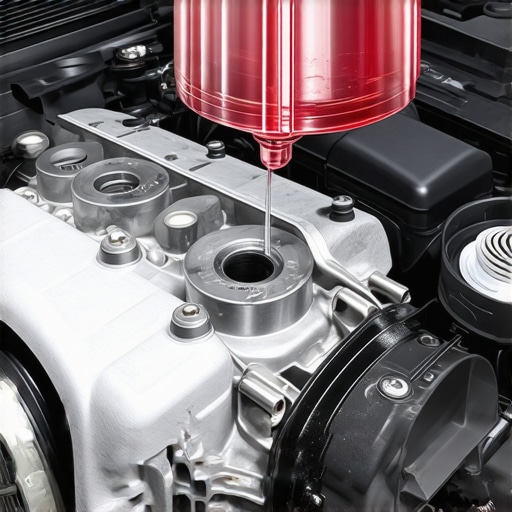
If your fluid appears dirty or old, a complete fluid flush can rejuvenate your transmission’s performance. Unlike a simple fluid top-off, a flush replaces all the old, contaminated fluid with fresh, high-quality fluid. This process helps eliminate debris, reduce heat buildup, and restore proper fluid pressure. To do this safely, you may need a professional or a trusted DIY step-by-step guide, as improper flushing can cause more harm. A fluid flush is especially crucial for 2026 models prone to overheating and slipping; check this procedure for detailed instructions.
Upgrade to Synthetic Transmission Fluid
Switching to synthetic transmission fluid can provide better lubrication, withstand higher temperatures, and extend the intervals between changes. Synthetic fluids are designed to grip better at cold starts, reducing that initial shudder. When changing your fluid, ask your mechanic or follow the guidelines to select a compatible synthetic option; it might cost a bit more but offers increased durability. This upgrade has helped many drivers experience smoother shifts and less jerking, especially in extreme weather conditions.
Replace or Clean Transmission Filter
Many don’t realize that a clogged or dirty transmission filter can cause shuddering and slipping. Locate the filter (sometimes integrated with the pan), drain the old fluid, remove the filter, and replace it with a new one. Ensure the filter matches your vehicle’s specifications. Cleaning or replacing the filter can restore proper fluid flow, leading to smoother shifts. For a hands-on approach, see these DIY checks to determine if your filter needs attention.
Check Transmission Sensors and Wiring
Sensor malfunctions can send incorrect signals, causing jerks and shudders. Inspect wiring harnesses and sensor connections around the transmission. Look for exposed wires, corrosion, or loose connectors. Use a diagnostic scanner to read error codes and pinpoint faulty sensors. Replacing or cleaning faulty sensors can significantly improve shifting smoothness. If you need to reset the system after fixes, consider the quick reset procedure.
Test Drive and Fine-Tune
After completing these steps, take your car for a test drive. Accelerate gently and observe how it shifts. If shuddering persists, double-check fluid levels, sensor connections, and filters. Small adjustments can make a big difference; sometimes, a simple software update or sensor calibration is needed. To prevent future issues, keep up with regular maintenance—review this ongoing maintenance guide.
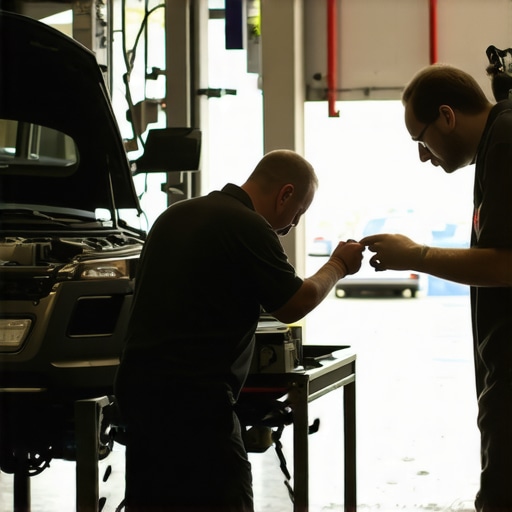
Many car owners believe that a simple tune-up or basic transmission service is sufficient to keep their vehicle running smoothly, but the truth is much more nuanced. Contrarily to common perception, these routine procedures aren’t just about swapping parts or topping fluids—they involve understanding complex systems that can easily be misdiagnosed or improperly maintained. For instance, many mistakenly think that a quick oil change or spark plug replacement guarantees optimal engine health. Yet, neglecting deeper issues like vacuum leaks or sensor malfunctions during a tune-up can lead to persistent performance problems. This oversight often results in unnecessary expenses or more severe damages down the line. Moreover, there’s a widespread myth that transmitting issues automatically require costly rebuilds or replacements. In reality, many symptoms, such as slipping or shuddering, can be effectively addressed through targeted fixes like fluid flushes or sensor calibrations. Experts emphasize the importance of diagnosing the root causes instead of applying generic solutions. Another advanced mistake drivers make is overlooking the significance of transmission fluid quality. As highlighted in this guide, degrading fluid not only causes shifting issues but also accelerates wear and overheating, ultimately risking costly breakdowns. Have you ever fallen into this trap? Let me know in the comments. Also, remember that modern vehicles, especially the 2026 models, are equipped with numerous sensors and modules that require precise calibration during repairs. Ignoring sensor diagnostics or bypassing updates can worsen performance and lead to misleading error codes, as discussed in this article. To truly optimize your car’s longevity, professional assessment and nuanced understanding are essential. While basic maintenance is vital, diving deeper into these nuances ensures that repairs and tune-ups not only fix symptoms but address root causes—saving you money and extending vehicle life.Maintaining your vehicle’s performance over the long term demands the right tools and methods. As I’ve learned through hands-on experience, investing in quality equipment not only simplifies repairs but also ensures safety and precision. One must-have item I always recommend is a professional-grade scan tool like the Autel MaxiCOM series. This device provides comprehensive diagnostics, decoding hidden error codes that often cause transmission or engine issues, and it’s what I use personally to pinpoint problems quickly. Alongside that, I swear by a high-quality torque wrench—specifically, a click-type model with a torque range of 10-150 ft-lb. Proper torque application during bolt tightening prevents future leaks and mechanical failures, especially when reassembling transmission components or suspensions.
How do I maintain car systems over time?
Creating a maintenance schedule based on manufacturer specs is critical. I follow a detailed checklist for each major component, including fluid changes, sensor calibrations, and filter replacements, which I update annually. For example, regular transmission flushes using a quality fluid like synthetic ATF—something I cover in detail here—are essential for preventing overheating and slip. I also rely on software like OBD-II diagnostic programs such as Torque Pro or CarScanner, which connect to your smartphone for real-time monitoring. These tools help catch signs of trouble early before they escalate. Looking ahead, I believe diagnostic technology will become even more integrated with vehicle systems, allowing real-time alerts and predictive maintenance—saving you money and avoiding breakdowns. If you want to extend your car’s lifespan, I suggest starting with a comprehensive fluid check today. For instance, verifying your transmission fluid level and condition using a simple dipstick test can reveal underlying issues before they cost you thousands.
Throughout my years of working on cars, I’ve learned that the real mastery lies in paying attention to the subtle signs your vehicle gives before a major repair becomes necessary. One of the most overlooked yet telling signals is that persistent shudder or hesitation during gear shifts, which often indicates more than just a mechanical hiccup—it’s a window into your car’s health that, when read correctly, can save you thousands.
Lessons That Changed My Approach to Car Care
- Small issues often hide big problems: Ignoring minor transmission hints like slight shudders can lead to catastrophic, costly failures. Regular diagnostics save money in the long run.
- Fluid quality is king: As I discovered, a simple transmission fluid change can dramatically improve shifting performance. It’s astonishing how many overlook this DIY fix that’s accessible to most drivers.
- Sensors matter more than we think: Faulty or dirty sensors can mimic mechanical failures. Proper cleaning and calibration are crucial for accurate diagnostics and efficient repairs.
- Prevention is the best cure: Maintaining a routine, including fluid checks and filter replacements, not only prolongs the life of your transmission but also keeps your drive smooth and safe.
- Invest in the right tools: Having a good scan tool or diagnostic app can help you catch issues early. Trustworthy resources empower you to take control of your vehicle’s health.
Tools and Resources That Keep Me Going
- Autel MaxiCOM Diagnostic Scanner: This professional-grade tool has been my go-to for accurate diagnostics, helping me identify issues before they escalate. Knowing what’s wrong saves time and money.
- High-Quality Synthetic Transmission Fluid: Switching to synthetic fluid improved the shift quality and temperature resilience of every vehicle I’ve maintained, proving that quality materials make a difference.
- Reliable DIY Guides and Tutorials: Resources like CollisionFixer offer clear, step-by-step instructions for tasks like fluid flushes and sensor cleaning, making complex repairs approachable.
- Community Feedback: Engaging with online forums and expert networks has enlightened me on emerging issues and solutions, keeping my skills sharp and informed.
Your Path to Confident Vehicle Maintenance
Remember, the journey to a smooth-shifting, reliable car isn’t about quick fixes but informed, consistent care. The insight that a simple fluid change can prevent expensive repairs, or that sensors require regular checks, can transform how you approach vehicle health. Stay curious, invest in good tools, and don’t shy away from DIY fixes—you might just find that the key to your car’s longevity is within your reach.
What’s the one transmission tip you wish someone had shared earlier? Share your story below and keep the conversation going!