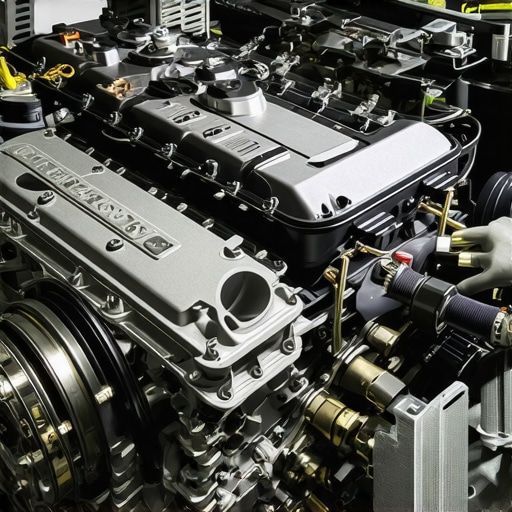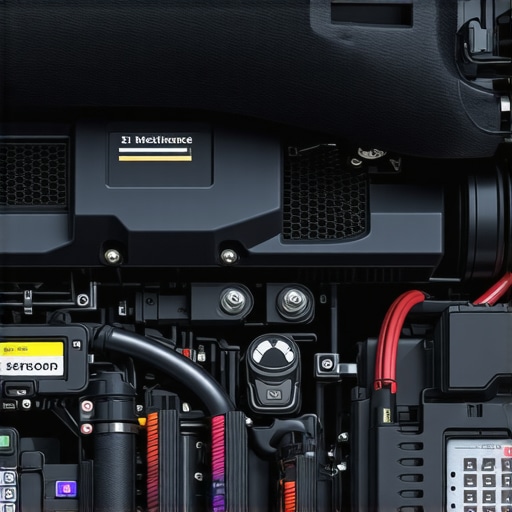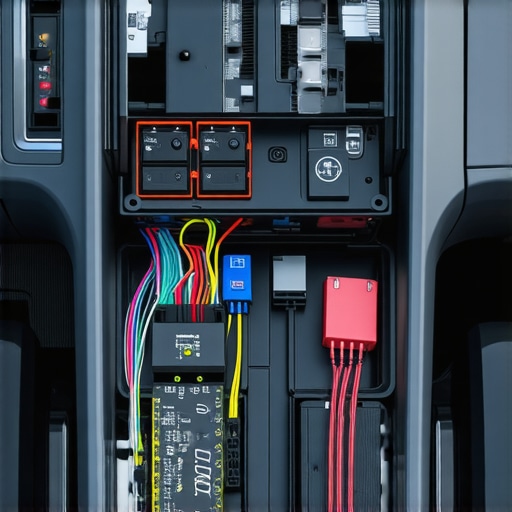
One morning, I was cruising on the highway when suddenly, my car’s emergency braking system kicked in without any apparent reason. The panic and confusion hit me—was I about to become part of an accident I couldn’t control? That incident was a lightbulb moment. I realized how frustrating and potentially dangerous phantom braking can be, especially when caused by glitchy ADAS sensors. It made me dive deep into the issue, and I want to share what I learned.
Why Fixing Phantom Braking Matters More Than You Think
Phantom braking isn’t just a minor annoyance; it can lead to accidents, rear-end collisions, and stressful driving experiences. As vehicles become more reliant on Advanced Driver Assistance Systems, or ADAS, their sensors play a crucial role in safety. However, when these sensors glitch—like mine did—it can cause your car to brake unexpectedly. This disrupts your confidence and safety on the road. Diagnosing and fixing these issues is essential, and luckily, there are straightforward solutions that can save you from future mishaps.
Is It Really Worth Tackling Those Sensors Yourself?
Early in my journey, I made the mistake of ignoring sensor issues, thinking a simple reset would do. Turns out, I was overlooking critical steps that could have prevented more severe problems. Trust me, I learned the hard way that proper diagnosis and maintenance matter—especially with complex systems like ADAS. If you’ve faced sudden braking without cause, you’re probably asking: “Is fixing this complicated or doable on my own?” The good news is, with a little guidance, you can often resolve these glitches without costly repairs. Curious? Keep reading, and I’ll walk you through three effective fixes that worked for me and might help you too. For more on routine maintenance, visit our article on [car service habits to extend your vehicle’s life](https://collisionfixer.com/the-secret-to-200k-miles-5-car-service-habits-for-2026), which lays the foundation for safer driving.
Now that we understand why this issue is urgent and worth fixing, let’s get into the practical steps that will help you correct those sensor glitches and get back to confident, safe driving.
.
Test Your Sensors Regularly to Catch Glitches Early
After my first encounter with unexpected braking, I learned that proactive sensor testing is crucial. Quickly park your car in a safe spot and turn on the vehicle without driving off. Use your dashboard’s diagnostic mode or a dedicated scanner to check sensor readouts. If any sensor shows inconsistent data or error codes, it’s time for a deeper dive. I once found my right-front radar sensor’s data flickering, hinting at a partial fault. This real-time check can prevent phantom braking before it escalates. For a thorough sensor health check, consider following the steps outlined in this sensor cleaning guide.”} ,{Many car owners believe that routine maintenance is just about changing oil and replacing filters, but in my experience, this oversimplification can lead to costly mistakes. A widespread myth is that more frequent visits to the shop always result in better vehicle health, yet sometimes, unnecessary or poorly timed interventions can do more harm than good. For instance, over-tuning or excessive diagnostics can cause parts to wear out faster or introduce new issues, especially if technicians don’t have a nuanced understanding of modern vehicle systems.
One critical nuance often overlooked is the importance of understanding the specific needs of your car model. Modern vehicles are equipped with complex sensors and systems that require targeted care. For example, engaging in a generic “full system” tune-up without considering the individual components can disrupt delicate calibrations. Instead, focus on targeted maintenance, such as inspecting your transmission sensors or climate control modules, which many owners neglect. To learn more about optimizing your vehicle’s performance, check out this detailed article on tune-up secrets.
A common trap is relying solely on visual inspections or anecdotal advice, believing that a quick look-over suffices. This can be dangerous because many auto failures are due to subtle sensor misalignments or software glitches. Advanced diagnostics, including sensor calibration and software updates, are crucial for accurate repairs. Skipping these steps might save money temporarily but risks severe breakdowns later. For instance, many people don’t realize that a misaligned transmission sensor can cause delayed shifting or shuddering, which can be fixed with precise diagnostics like those described here.
Beware of the misconception that all repair shops possess equal expertise in modern vehicle systems. Some shops still approach auto repair with outdated tools or a one-size-fits-all mentality. This oversight can lead to misdiagnosed problems or unnecessary replacements. For example, replacing a transmission fluid without diagnosing underlying sensor or control module issues can be a waste of effort and money. Advanced diagnostics and a nuanced understanding of vehicle electronics can prevent this. Learn about troubleshooting transmission issues effectively by visiting this guide on transmission cooling.
A final point worth emphasizing is the danger of ignoring hidden issues that seem minor initially. Small signs like slight vibrations or unusual noises often indicate deeper problems like vacuum leaks or sensor malfunctions. Addressing these early can save you from costly repairs down the line. A proper, detailed inspection regularly can reveal these hidden nuances. For a comprehensive approach to identifying such issues, consider reviewing this checklist on vacuum leaks.
How Do You Distinguish Between Seriously Harmful Repairs and Simple Fixes?
Knowing the difference can prevent unnecessary expenses and vehicle downtime. It requires a combination of experience, knowledge of your specific car model, and access to advanced diagnostic tools. Relying solely on generic advice without considering these nuances often leads to buyer’s remorse or, worse, vehicle breakdowns. For deeper insights into accurate diagnostics, explore this article on frame alignment tactics. Have you ever fallen into this trap? Let me know in the comments.
Keeping It Running: The Tools That Make a Difference
Maintaining your vehicle’s health over time requires more than just basic knowledge; having the right tools is crucial. I’ve personally relied on diagnostic scanners like the Autel MaxiCOM for comprehensive fault code readings. It’s invaluable for quickly identifying sensor glitches that can lead to phantom braking or transmission issues, saving me time and money.
Another must-have is a quality multimeter. Not all multimeters are created equal—look for one with a true RMS feature and auto-ranging capabilities. This allows precise voltage and resistance checks on sensors and control modules, which are often the root causes of intermittent problems.
For sensor calibration and software updates, I use OBD-II Bluetooth adapters like the BlueDriver. Connecting it with your smartphone app provides real-time data and troubleshooting guidance, making it easier to perform targeted tune-ups without costly trips to the shop.
Methodical Maintenance: How to Stay Ahead of Glitches
Regular inspection and software updates are your best friends. I schedule sensor health checks every 5,000 miles, especially for critical systems like your ADAS sensors, transmission control modules, and engine sensors. This proactive approach helps catch issues early, before they escalate into expensive repairs or safety hazards.
In addition, maintaining a clean electrical system is vital. I use a dedicated electrical contact cleaner on connectors and sensors, ensuring stable connections. Little things, like keeping sensor lenses free of dirt and debris, go a long way in preventing erratic sensor behavior that triggers phantom braking or shifting problems.
What Does the Future Hold for Auto Repair Tools?
Emerging technologies like AI-driven diagnostic platforms and wireless sensors will revolutionize long-term vehicle maintenance. Imagine software that continuously monitors sensor health and predicts failures before they happen, much like predictive analytics in healthcare. For now, combining high-quality hardware with methodical routines remains your best strategy to keep your vehicle in prime condition.
If you’re interested in elevating your maintenance game, I recommend trying the detailed steps outlined here. Regularly updating your approach with proven tools and techniques will ensure your car stays reliable and safe for miles to come. Remember, consistent, targeted care is the key to avoiding costly auto repairs down the line.
Uncovering the Hidden Truths About Sensor Glitches
One of the most eye-opening lessons I learned was that not all sensor issues are obvious. Sometimes, a tiny misalignment or a subtle software hiccup can cause significant safety concerns like phantom braking. The key is paying attention to irregularities early on, which often require a keen eye and proactive testing methods. Understanding that these glitches can be stealthy helped me develop a more vigilant approach, leading to fewer surprises on the road.
My Unexpected Discoveries in Routine Maintenance
I used to believe that regular oil changes and filter replacements were enough to keep my vehicle in top shape. However, delving into targeted sensor calibrations and system updates revealed that modern cars demand a more nuanced maintenance routine. For example, keeping ADAS sensors clean and correctly calibrated can prevent costly repairs down the line, emphasizing the importance of specific diagnostics over generic check-ups. This realization transformed my approach to vehicle upkeep, making me prioritize precision and knowledge.
How Personal Experience Transformed My Auto Repair Perspective
After experiencing unexpected braking triggers, I saw firsthand that DIY diagnostics with the right tools can save time, money, and stress. Relying on advanced scanners and calibration tools demystified complex systems and boosted my confidence in handling sensor issues myself. This journey underscored that being informed and prepared empowers drivers to tackle problems head-on, turning frustration into a learning opportunity rather than a costly mishap.
Resources That Bolstered My Auto Care Journey
Over the years, I relied heavily on tools like the Autel MaxiCOM scanner for accurate fault readings, which quickly identified sensor errors that could cause phantom braking. The BlueDriver OBD-II Bluetooth adapter became my go-to for real-time diagnostics and software updates, making calibration straightforward. For in-depth guides, I trust articles such as this resource on car service habits. These tools and sources have been invaluable in maintaining my vehicle’s safety and performance, reinforcing that investing in quality diagnostics pays off.
Take Charge and Keep Driving Confidently
The journey to optimal auto care is ongoing, but the rewards are clear—safer, smoother, and more reliable driving. Remember, understanding your car’s systems and performing regular targeted maintenance can prevent many issues before they escalate. Don’t wait for problems to surprise you; take proactive steps now to master your vehicle’s health. Your drive depends on it, and your future self will thank you for starting today.
What’s the first small step you plan to take toward better vehicle maintenance? Share your thoughts below—I’d love to hear your story and help you get started!
![Why Your 2026 Engine Light Is On But No Codes Show [Fix]](https://collisionfixer.com/wp-content/uploads/2026/03/Why-Your-2026-Engine-Light-Is-On-But-No-Codes-Show-Fix.jpeg)