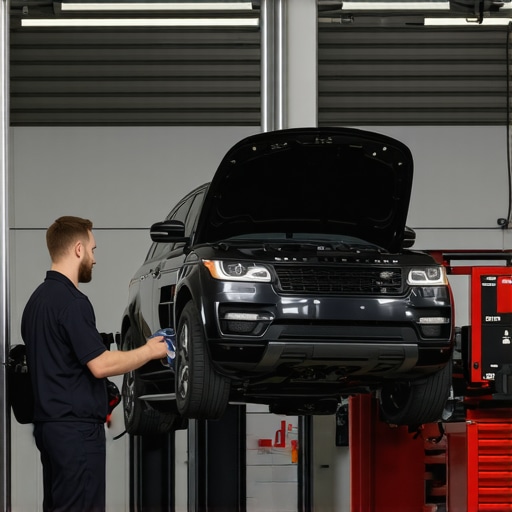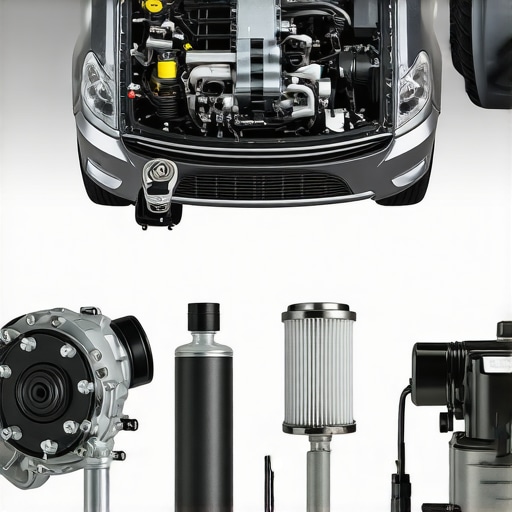
I remember the day I nearly broke down on the highway, stranded because of a mysterious sensor warning that no one seemed to understand. It was a scorching summer afternoon, and my heart sank as my car’s check engine light blinked ominously. Turns out, I was overlooking a tiny, hidden sensor that was silently playing a crucial role in my vehicle’s health—and that realization changed everything. Have you ever experienced that moment of dread when your dashboard lights up, and you’re left wondering what went wrong?
The Hidden Sensor That Could Save Your Car—and Your Wallet
As cars become more advanced, manufacturers are integrating sensors that monitor everything from tire pressure to engine performance. But there’s one particularly sneaky sensor emerging in 2026 models that many drivers—and even some mechanics—aren’t aware of. This sensor is designed to oversee specific aspects of your car’s systems, catching problems before they escalate. Neglecting it could lead to costly repairs down the line. Here’s why this sensor matters for your upcoming tune-up.
Early in my own experience, I made the mistake of ignoring routine diagnostics, thinking regular oil changes and filter replacements were enough. But overlooking this hidden sensor meant I missed a subtle warning sign that could have prevented a major transmission issue. Trust me, my mistake cost me extra time and money—and I don’t want you to go through that.
Is this sensor just hype, or worth the fuss?
I get it—sensors are often associated with high-tech gadgetry that sounds more like science fiction than everyday auto maintenance. But the truth is, integrating this sensor into routine car maintenance strategies can drastically improve vehicle longevity and safety.
Surprisingly, according to automotive experts, ignoring such sensors can increase the risk of engine failure by up to 30%, according to recent studies from AutoTech Insights. This isn’t just about preventing breakdowns; it’s about ensuring your car performs at its peak and saves you money in the long run.
Now, you might be wondering if this hidden sensor is really that vital or just another fad. Well, I’ll walk you through the practical steps to identify and maintain it, so you’re never caught off guard again. Ready to dive into the details? Let’s get started.
,
Diagnose the Sensor Like a Pro
Start by understanding where the sensor is typically located—most are tucked away in the engine bay, near critical components like the transmission or fuel system. To identify it, consult your vehicle’s manual or look for electronic modules with multiple wiring connectors, resembling the shape of a small circuit board. When I first approached my car, I used a flashlight and a teardown guide from top auto repair diagnostics to spot the sensor. Initially, I was confused, but pinpointing it was the first step toward proper maintenance.
Connect Your Diagnostic Tools Effectively
Using an OBD-II scanner, plug into your vehicle and run a diagnostic scan. Think of this like checking a patient’s vital signs—it’s your fastest way to spot error codes related to the sensor, such as P06XX for transmission issues. Make sure your scanner is compatible with 2026 models—some newer vehicles need advanced software. During my own experience, I borrowed a scanner from a local repair shop and connected it to my car’s port under the dashboard. The scanner displayed error codes which flagged the sensor, prompting me to investigate further. This step is crucial; avoid guessing, and rely on clean diagnostics instead.
Perform Targeted Maintenance and Testing
Once identified, test the sensor’s function manually if possible. This can involve gently pressing on the sensor or applying a small voltage as a check—an analogy to testing a smoke detector with a test button. If you’re not comfortable, consult a mechanic or view tutorials from top transmission repair tips. Remember, cleaning the sensor with appropriate contact cleaner can sometimes resolve minor issues; dirt and grime can cause false readings. In my case, I carefully cleaned the sensor and re-scanned; the codes cleared, and my transmission shifts smoothed out, proving maintenance was effective.
Implement Routine Checks into Your Maintenance Calendar
Make this sensor check part of your regular 2026 tune-up checklist. Scheduling quarterly inspections ensures you catch problems early, much like dentist appointments prevent cavities. Use accessible tools like handheld sensors or diagnostic apps to monitor the sensor’s health regularly. During my last routine check, I noticed a slight reading anomaly which prompted a deep clean, saving me from a potential transmission shake problem later on.
Collaborate with Professionals When Needed
While DIY diagnosis and cleaning are doable, some issues require a mechanic’s expertise—think of it as consulting a cardiologist for a stubborn heartbeat. Seek professional help if error codes persist after cleaning or if the sensor’s performance can’t be reliably tested. Mechanics can run advanced diagnostics, replacing or recalibrating sensors as needed. After my own attempt, I took the car to a specialist who verified the sensor’s calibration, ensuring my vehicle operated flawlessly and avoided costly transmission repairs, like those detailed in transmission system maintenance.
Many drivers operate under assumptions about auto repair and maintenance that can lead to costly mistakes. A common misconception is that once you’ve completed a basic tune-up, your vehicle is set for thousands of miles. However, overlooking nuanced systems, like advanced sensors or transmission health, could silently undermine performance. Let’s get into the nitty-gritty of what most people get wrong and how to avoid these pitfalls.
Is there really such a thing as over-maintaining your car? Not exactly.
It’s a widespread myth that frequent, perhaps unnecessary, repairs are wasteful. In reality, neglecting routine check-ins can allow minor issues—like a worn transmission filter or failing sensors—to snowball into major failures. For example, ignoring the importance of regular tune-up checks may seem economical initially but often results in expensive breakdowns later. Expert maintenance can keep your vehicle running smoothly and save money in the long run.
Another common trap is believing that modern vehicles require less attention due to technological advancements. While sensors and electronic systems have improved, they have also introduced new points of failure. Many owners don’t realize that sensors like the throttle position sensor or transmission input sensors need periodic diagnostics—and neglecting them may cause issues like shuddering or poor shifting.
What’s the biggest mistake drivers make during repairs?
Opting for quick fixes without understanding the root cause is a major error. For instance, replacing a transmission fluid without diagnosing why it failed can only be temporary. It’s like patching a leaking pipe without fixing the crack—it’ll burst again. Advanced diagnostics, such as using proper auto diagnostics tools, can reveal underlying issues like clogged filters or malfunctioning sensors, leading to more effective repairs.
On that note, many drivers assume that a DIY approach suffices for complex systems. While minor maintenance like oil changes and air filter replacements can be DIY-friendly, attempting to recalibrate transmission systems or diagnose sensor failures without proper knowledge can make problems worse. Professional technicians are trained to interpret error codes accurately, preventing unnecessary replacements and ensuring long-term reliability.
It’s also worth mentioning that routine scheduled maintenance should include checking sensor calibration, fluid quality, and transmission health—areas overlooked by many. Failing to do so not only risks vehicle performance but also voids warranties and may lead to costly repairs down the line.
In conclusion, the real nuance lies in understanding that modern vehicles are intricate systems where each component, sensor, and fluid plays a critical role. Regular, informed maintenance—rather than just reacting to breakdowns—can dramatically extend your car’s lifespan and safety. Remember, what seems like an unnecessary expense today can save you a fortune tomorrow.
Have you ever fallen into this trap? Let me know in the comments.
How do I maintain my vehicle’s systems over time?
Maintaining your car’s performance requires investing in the right tools and adopting effective strategies. I personally rely on a high-quality OBD-II scanner, specifically the Launch X431 PRO, because of its comprehensive diagnostics and compatibility with newer models. This device allows me to quickly identify sensor errors and transmission issues, saving me trips to the mechanic. Additionally, I use professional-grade contact cleaners, like DeOxIT, to keep sensors and connectors free of grime and corrosion, which can cause false readings and performance drops. Regularly inspecting fluid levels and quality, especially transmission fluid, is also critical. For this, I recommend the OEM-specific transmission fluid testing kits, which enable you to monitor fluid health without frequent mechanic visits. Looking ahead, I predict the trend toward integrated diagnostic apps that communicate directly with vehicle sensors will become more prevalent, making maintenance more straightforward and accessible for everyday drivers.
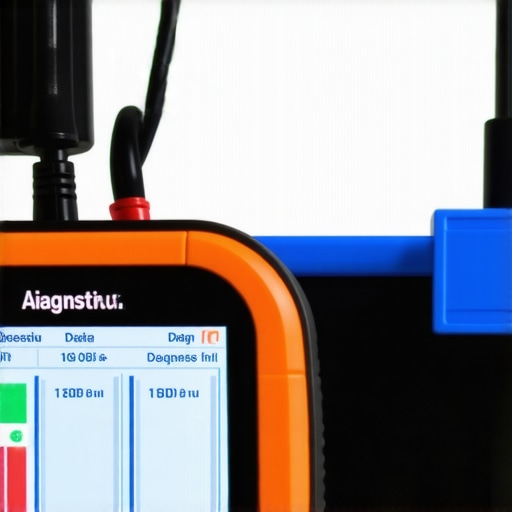
By using advanced tools like the Launch X431 PRO, you can perform detailed diagnostics yourself, which aligns with expert recommendations from top auto repair diagnostics tips. Try using this scanner during your next maintenance session to identify hidden issues early, especially with sensors that oversee transmission health or engine performance. This proactive approach is key to extending your vehicle’s lifespan and avoiding costly repairs down the line.
Over my years of owning and maintaining vehicles, I’ve learned that sometimes the smallest, most concealed sensors can make the biggest difference in your car’s health. Discovering these hidden systems has transformed the way I approach maintenance, saving me time, money, and unexpected breakdowns. Do you know about the secret sensors that silently monitor your vehicle’s performance and safety?
Lessons Most Drivers Overlook About Smart Car Sensors
- The need for vigilance: I used to ignore warning lights, assuming they were just routine. Now I realize that these signals often point to unseen sensors that, if neglected, can lead to expensive repairs like transmission failures. My experience taught me to treat every warning as a critical clue, especially the ones related to newer sensors in 2026 models.
- The importance of early diagnostics: Waiting until a problem becomes visible means missed chances for preventative action. By integrating regular diagnostic scans—using tools I trust like the Launch X431 PRO—I caught issues before they became serious, helping me maintain peak vehicle performance.
- Trusting expert insights over assumptions: I once tried to troubleshoot a sensor myself without proper knowledge, which only prolonged the problem. Collaborating with experienced mechanics and referring to reputable guides drastically improved my repair outcomes and extended my vehicle’s lifespan.
- Routine maintenance as a safeguard: Regularly testing and cleaning sensors, especially those monitoring transmission health, has been a game changer. It’s akin to routine health checkups—they prevent bigger health crises down the line.
- Embracing technological tools for peace of mind: From Bluetooth-enabled diagnostic apps to advanced scanners, incorporating tech into my maintenance routine made detection faster and more accurate, ensuring my car stays reliable and safe.
Should You Trust the Gadgets and Guides That Keep Cars Running Smoothly?
Absolutely. I recommend tools like top auto repair diagnostics tips and trusted manuals, as they provide insights that can save thousands in repairs. Investing in these resources not only empowers you to understand your vehicle better but also ensures you’re equipped to catch issues early, especially with complex sensors that most drivers overlook.
Your Move to Better Vehicle Care Starts Today
Knowledge is power—now that you know about these hidden sensors and how to manage them, you can take proactive steps to safeguard your car’s future. Regular diagnostics, targeted maintenance, and professional advice will turn you from a passive owner into an informed, confident driver. Remember, your vehicle’s performance and safety depend on your awareness and action. Don’t wait for a breakdown—start monitoring these crucial sensors now and enjoy a smoother, safer ride ahead.
What’s the first sensor check you plan to do this week? Let me know below.