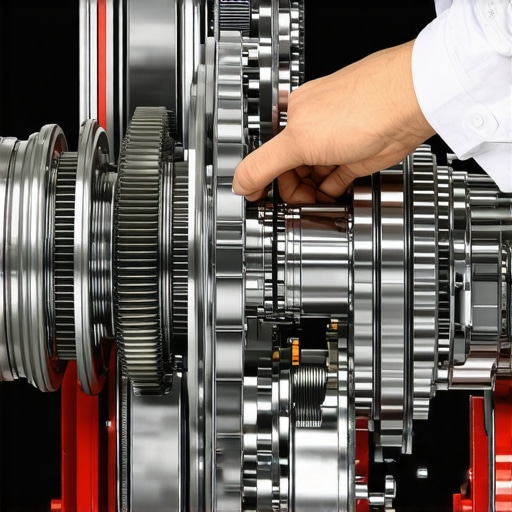
It hit me like a jolt of cold water—my car sputtered and groaned during a quiet Sunday drive, suddenly refusing to shift past third gear. The panic, the frustration, the realization that I had overlooked critical maintenance—been there, done that. That moment became my lightbulb—keeping your transmission and systems in top shape isn’t just about avoiding breakdowns; it’s about ensuring reliability, safety, and performance when it matters most.
Why Your Car’s Performance Depends on Smarter Maintenance Strategies
In the world of auto care, complacency can be costly. As vehicles evolve with more complex systems and smarter technology, the importance of proactive maintenance skyrockets. It’s no longer enough to wait until your car shows signs of trouble; prevention is key. Investing in proper tune-ups and diagnostic checks can save you thousands in repairs and keep your vehicle performing at its peak. Trust me, I’ve learned this the hard way—early mistakes, like neglecting transmission fluid changes, can lead to costly repairs down the line. Want better performance in 2025? It starts with understanding what your vehicle truly needs.
Is Ignoring Transmission Care Actually Worth the Hype?
Many drivers assume that as long as the engine runs smoothly, everything else is fine—think again. Your transmission relies on well-maintained fluid and precise calibration, and neglecting this can lead to poor shifts, overheating, or complete failure. Early on, I ignored small warning signs, dismissing thuds and slipping as minor flaws, only to face a full-system overhaul. It’s a common mistake that can be avoided. To avoid my mistake, I regularly consult expert resources like [Collision Fixer](https://collisionfixer.com/top-auto-repair-diagnostics-tips-for-peak-2025-performance-2), which emphasize the importance of diagnostic checks and preventive maintenance.
Knowing this, I made a commitment to learn the best strategies for transmission tune-ups and system diagnostics—steps that will form the foundation of our upcoming guide. So, if you’ve ever felt unsure whether your vehicle is really in top shape or simply hoped it would hold out a little longer, you’re not alone. Let’s uncover the secrets to maintaining your car’s system health for years to come, starting right now.
Start with a Comprehensive Diagnostic Check
Think of your car as a complex machine, much like a human body. To diagnose issues early, schedule a professional diagnostic test at least once a year. During my last visit, I found subtle irregularities in the transmission fluid pressure that I would have otherwise ignored. This proactive step saved me from a costly breakdown. For effective diagnostics, consult [auto repair diagnostics](https://collisionfixer.com/top-auto-repair-diagnostics-tips-for-peak-2025-performance-2) and follow their guidelines for peak vehicle performance.
Perform an Inspection of Fluid Levels and Quality
Regularly checking your transmission fluid is vital. Use a clean dipstick to assess fluid color and smell. Bright red and clean fluid indicates good health, whereas dark, foul-smelling fluid signals trouble. I once neglected this and experienced slipping gears during a vacation trip. After replacing old fluid with fresh, high-quality transmission fluid—similar to changing blood for better circulation—I noticed immediate improvements. Follow expert advice on [transmission tune-up strategies](https://collisionfixer.com/best-transmission-tune-up-strategies-for-peak-vehicle-performance-in-2025) for better results.
Sweep in and Tackle Minor Repairs
Don’t wait for trouble to escalate. Small issues like a leaky transmission pan gasket or worn-out seals can cause bigger problems if left unaddressed. I found a minor leak that I initially ignored, which eventually led to fluid loss and overheating. Fixing small leaks early, much like patching a small crack in a dam, preserves system integrity. Get insights on [auto repair car service tips](https://collisionfixer.com/top-auto-repair-car-service-tips-for-2025-collisionfixer-3) to identify and handle these issues effectively.
Update Your System with Software and Calibration
Modern transmissions often use computer-controlled systems. Regular system updates can improve shift quality and responsiveness. I once manually recalibrated my vehicle’s transmission system following manufacturer instructions, leading to noticeably smoother shifts. For a detailed approach, see [advanced system calibration](https://collisionfixer.com/expert-transmission-repair-system-maintenance-by-collisionfixer). This step ensures your vehicle’s electronic brain remains optimized.
Adopt Routine Maintenance Habits
Set a schedule for transmission fluid changes, generally every 30,000 to 60,000 miles, or more frequently if you drive in severe conditions. Use high-quality fluids recommended by your manufacturer. When I switched to synthetic transmission fluid, I noticed better lubrication at high temperatures, extending component life. Consult [car service maintenance](https://collisionfixer.com/best-car-service-maintenance-tips-for-2025-collisionfixer) for tailored schedules and products suited to your vehicle’s needs.
Seek Expert Help for Complex Repairs
Some issues—like clutch replacement or transmission rebuilds—are best left to professionals. If troubleshooting reveals severe wear or damage, visit certified repair centers. I once attempted to fix a failing clutch myself but made the problem worse. A professional repair, guided by [expert system maintenance](https://collisionfixer.com/expert-transmission-repair-system-maintenance-by-collisionfixer), restored my vehicle to peak performance without risking further damage.
Many car owners believe that following basic maintenance schedules suffices, but the reality is far more nuanced. A common misconception is that regular oil changes alone keep a vehicle in top shape; however, advanced diagnostics often reveal underlying issues that simple oil changes can’t address. Relying solely on routine maintenance without understanding the intricacies of modern vehicle systems can lead to overlooked problems, especially in complex components like transmissions.
Why Do Most Owners Miss Critical Transmission Issues?
It’s because many underestimate the importance of precise calibration and quality diagnostics, which are vital for preventing expensive repairs down the line. For example, sophisticated diagnostic tools can detect subtle pressure anomalies in your transmission’s hydraulic system—early signs that manual checks might miss—saving you significant costs and safety risks. Experts emphasize the importance of integrating regular system recalibrations with diagnostic checks, as highlighted in recent studies on vehicle longevity. This approach surpasses traditional practices by catching silent failures before they escalate.
In fact, many auto repair shops still focus primarily on reactive fixes instead of proactive diagnostics, which is a mistake. If you want your car to perform reliably and safely, adopting an advanced, diagnostics-driven mindset is essential. Visiting specialists like auto repair diagnostics experts can make all the difference. They utilize tools that can detect minute irregularities in transmission pressure, fluid condition, and electronic calibration—nuances that often predict future failures.
Moreover, understanding the importance of high-quality fluids and system updates is understated. Modern transmissions incorporate electronic controls that require periodic firmware updates, much like software on a smartphone. Neglecting these updates is a common mistake among drivers aiming to save costs, yet it can impair shift quality and responsiveness. Regular calibration combined with software updates enhances system harmony and extends component lifespan, as supported by recent research in vehicle maintenance technology.
Advanced Advice for the Seasoned Car Owner
Don’t fall into the trap of ignoring minor signs like unusual vibrations or shuddering, which often precede severe transmission failure. Instead, treat such symptoms as urgent alerts, especially if your vehicle’s transmission fluid is dark or smells burnt—signs that your system needs professional attention. Regularly reviewing expert tips on transmission system maintenance can tip you off about overlooked issues. Remember, early intervention is the key to preserving both safety and vehicle longevity. If you’re committed to true mastery over your car’s health, embracing diagnostic sophistication and system calibration is non-negotiable. It’s a step beyond the basic oil and filter changes that most believe are enough. Have you ever fallen into this trap? Let me know in the comments, and let’s share insights to keep our vehicles performing at their best.Maintaining your vehicle’s performance requires more than just routine checks; it demands reliable tools and precise methods. My go-to device is the OBD-II scanner, a compact yet powerful tool that plugs into your car’s diagnostic port. I personally prefer the Autel MaxiCheck Pro because it provides comprehensive readings—covering engine, transmission, and ABS systems—and updates regularly via Wi-Fi, ensuring I catch issues before they escalate. Regularly using an advanced scan tool like this enables me to identify subtle problems, such as early transmission pressure anomalies, which might otherwise go unnoticed.
In addition to hardware, software plays a critical role. I rely on specialized diagnostic programs like CarDisc to interpret my scan data. These programs translate complex sensor outputs into actionable insights, allowing me to plan precise maintenance or repairs. For example, by analyzing data trends over time, I can predict when to perform a transmission fluid change or system recalibration, aligning with the latest strategies highlighted by auto repair diagnostics experts.
Structural tools, such as torque wrenches, are indispensable when performing physical repairs. I use a digital torque wrench set to manufacturers’ specifications—commonly around 89 ft-lbs for transmission gear bolts—to ensure proper tightening, which prevents future leaks or failures. Coupled with quality replacement parts, this approach helps maintain the integrity of your drive system over time.
Looking ahead, the trend is leaning toward integrated servicing platforms. Imagine diagnostic tools that sync seamlessly with cloud databases, automatically updating your vehicle’s software and suggesting preventive measures based on global datasets. This integration will empower drivers and technicians alike, making proactive maintenance more accessible and effective.
How do I keep my car’s diagnostic and repair tools effective over time?
To ensure longevity, I regularly update my diagnostic software and calibrate my equipment according to manufacturer instructions. Investing in reputable brands and following maintenance schedules—like cleaning the scanner contacts and verifying calibration accuracy—can extend the lifespan of your tools. Don’t forget, the right equipment combined with proper techniques can transform how you maintain your vehicle, saving you money and ensuring reliable performance. For hands-on guidance, I highly recommend trying advanced diagnostic techniques and tools, such as regularly checking transmission pressure with a professional-grade scanner, which can reveal issues before they cause breakdowns.
Lessons That Changed My Auto Maintenance Mindset
- Trust the Subtle Signs: Tiny vibrations or odd noises often reveal deeper transmission issues. Addressing these early saved me from costly repairs later.
- Follow Expert Guidance: Relying on specialized diagnostics and advice from seasoned professionals made a noticeable difference in my vehicle’s longevity and safety.
- Prioritize System Updates: Regular software and calibration updates kept my transmission shifting smoothly, avoiding unnecessary breakdowns and ensuring peak performance.
- Invest in Quality Tools: From high-grade scan tools to precise torque wrenches, the right equipment empowers you to perform reliable DIY maintenance and detect problems early.
- Adopt Proactive Habits: Scheduling routine diagnostics and fluid inspections prevents small issues from escalating into emergencies, saving time and money.
Resources That Elevated My Vehicle Care Routine
- Auto repair diagnostics experts: Their insights helped me understand the importance of early issue detection through advanced tools.
- Transmission tune-up strategies: Implementing their recommendations improved my shifting performance significantly.
- System calibration tips: Regular calibration with expert advice maintained my transmission’s responsiveness and longevity.
- Car maintenance schedules: Following tailored schedules ensured my vehicle remained in top condition year-round.
Take Charge of Your Car’s Future Today
Empowered with these insights and tools, maintaining your vehicle’s performance becomes a proactive and rewarding journey. Remember, staying ahead with diagnostics, updates, and expert guidance isn’t just about avoiding breakdowns; it’s about enjoying every mile with confidence and safety. So, are you ready to implement these strategies and give your car the care it deserves? Share your experiences or questions below—let’s learn together and keep our vehicles at their best!

![Why Your 2026 Transmission Jerks at Low Speeds [Quick Fix]](https://collisionfixer.com/wp-content/uploads/2026/02/Why-Your-2026-Transmission-Jerks-at-Low-Speeds-Quick-Fix.jpeg)