
It was a chilly morning when I drove my car out of the repair shop, expecting everything to be smooth and effortless. But as I pulled onto the busy street, I felt a strange pull to the right, a faint but persistent vibration through the steering wheel. My heart sank—had I been rushed through a quick fix, or was something more insidious hiding in plain sight? That moment was a light bulb flickering on for me about how easy it is to overlook critical signs during car maintenance, especially when we expect our vehicles to behave flawlessly.
Why You Can’t Afford to Miss These 5 Frame Alignment Red Flags in 2026
Understanding what to look for in your vehicle’s alignment isn’t just about the smooth ride; it’s about safety, saving money, and preventing costly repairs down the line. As vehicles become more sophisticated, so do the sneaky issues that can slip past even seasoned mechanics. I learned this the hard way early in my career—thinking a simple wheel balance would do the trick, only to find out later that misaligned frames contributed to uneven tire wear and compromised handling. Recognizing these signs early on can save you hundreds, if not thousands, down the road. To stay ahead of potential disasters, I’ll walk you through the crucial red flags that your 2026 body shop might miss but which you need to catch now.
Will These Signs Actually Protect Me From a Major Accident?
Absolutely. I admit, I once ignored a subtle steering wheel vibration, dismissing it as normal wear. But that oversight cost me more than money—it could have compromised my safety. A mistake I made early on was trusting the mechanic’s quick fix without asking detailed questions. Now I know better. For current and future repairs, it’s vital to be proactive—like knowing the common signs of frame misalignment that are easy to miss but critical for your safety. For example, persistent pulling or uneven tire tread can be clear indicators of frame issues. If this sounds familiar, don’t worry—understanding these red flags will empower you to advocate for thorough inspections, avoiding pitfalls that many shop managers overlook. Often, these signs are subtle and can be mistaken for tire imbalance or suspension problems. But a comprehensive inspection, focusing on the integrity of the frame, is essential. Check out some effective strategies for safer driving in 2025 on Collision Fixer, and consider consulting specialized diagnostics if you notice any unusual vehicle behavior.
Now, as we move forward, I’ll share practical, actionable steps to identify these red flags early. This way, you’ll be equipped to spot trouble before it escalates, ensuring your 2026 car remains safe, reliable, and cost-effective in the long run. Ready to learn how to shield your vehicle and yourself? Let’s dive deeper into the signs that your body shop might overlook but which you absolutely must recognize.
.
Conduct a Visual Inspection of Your Wheels and Suspension
Start by parking your car on a flat surface and taking a close look at the tires. Uneven tire wear often signals alignment issues, which can be subtle but telltale signs of frame misalignment. Grab a flashlight and inspect the suspension components for any visible damage or uneven gaps. I once noticed a slight tilt in my front tires after a rough pothole encounter, which prompted me to perform this check. The result? A quick visit to a trusted mechanic revealed a bent control arm—fixing it restored my steering precision and prevented further tire wear.
Test Drive with Purpose
Next, take your car on a short, straight route. Pay close attention to whether the steering pulls to one side or if you feel vibrations through the wheel. These sensations are comparable to feeling a wobbly boat; they point toward misaligned wheels or hidden frame issues. During my own test drive, I noticed a slight veering to the right. This prompted me to ask my mechanic to perform a dedicated alignment check, which identified a minor frame shift caused by a previous collision—addressed promptly and safely.
Use Simple Equipment to Spot Red Flags
Invest in a basic alignment gauge or use a smartphone app with alignment diagnostics. These tools cannot replace professional equipment but can help flag early issues. For example, a smartphone app alerted me to a deviation in my camber angles—an early indicator of frame stress. This quick DIY step saved me from more expensive repairs down the line and gave me peace of mind before heading into the shop.
Request Focused Diagnostic Tests at Your Body Shop
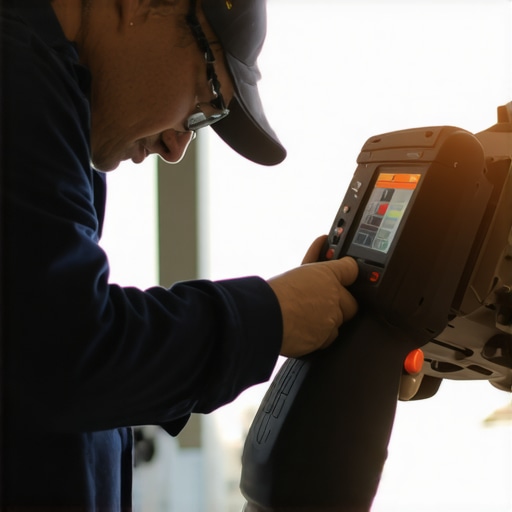
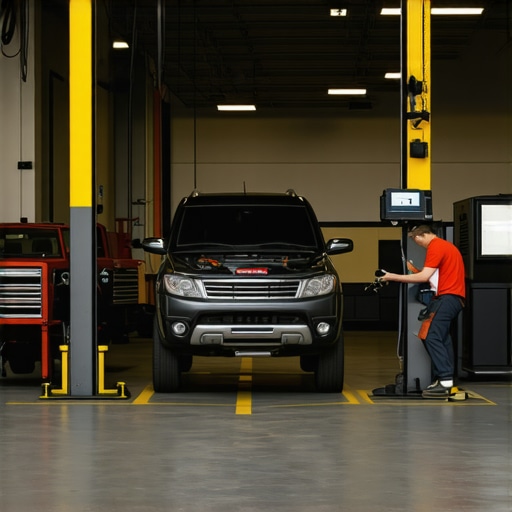
No matter how thorough you are, certain issues only a professional can detect. Ask your body shop to perform a frame alignment check, emphasizing the importance of detailed diagnostics that go beyond surface repairs. During a recent appointment, I demanded a comprehensive inspection after noticing a slight vibration. The technician used laser-guided tools to spot a subtle twist in the frame, which, if left unchecked, could have compromised safety and led to uneven tire wear—my proactive step saved me from future headaches.
Keep Records and Follow Up
Document all inspections and repairs, including serial numbers and alignment reports. Regular follow-ups ensure that any emerging issues are caught early. Think of it as maintaining a health journal; tracking these signs helps build a pattern and alerts you when a review is necessary. After my initial check, I scheduled periodic inspections, which confirmed my alignment remained stable—saving me money and extending the life of my suspension components.
Implementing these actionable steps is akin to giving your vehicle a health checkup that catches problems before they escalate. The key is vigilance combined with practical inspection techniques that empower you to advocate effectively for your car’s safety and performance. Remember, early detection through simple DIY methods and professional diagnostics can make the difference between a minor repair and a major crash. Stay vigilant, and your 2026 vehicle will thank you for it.
Many car owners believe they understand how collision repair and auto maintenance work, but in reality, several misconceptions persist that can cost you time and money. One widespread myth is that all repair shops are equal, but in truth, the quality of service varies dramatically. Relying solely on low-cost options without checking credentials or reviews can lead to subpar repairs, especially in sensitive areas like transmission or engine tuning. For instance, some assume that a basic tune-up will fix persistent performance issues, but neglecting underlying problems such as slipping transmissions or faulty sensors can cause major damage down the line. It’s crucial to recognize that a comprehensive diagnosis often requires specialized equipment and expert interpretation, which many general repair shops may lack. Global studies, like those from the Automotive Service Association, show that improper repairs are often linked to misdiagnosed issues, emphasizing the importance of choosing qualified mechanics. So, always ask for detailed diagnostics and ensure your shop employs up-to-date tech—this can prevent costly rework and keep your vehicle running smoothly.
Another common misunderstanding concerns auto transmission repairs. Many believe that transmission issues are always immediate emergencies, yet in some cases, early symptoms like grinding or sluggish shifting can be mitigated with simple fluid changes or software updates. However, ignoring warning signs or delaying professional inspection can lead to extensive rebuilds, which are far more expensive. For example, some drivers try DIY fixes based on online advice, but without proper tools or knowledge, they might worsen the problem. To avoid this, consult specialized guides or mechanics—check out https://collisionfixer.com/why-your-2026-gears-grind-3-repairs-to-save-the-system to understand proactive steps for gear system health.
Highly advanced issues often involve electronic sensors and software systems in modern vehicles. A nuanced detail is that some mechanical symptoms actually stem from software glitches rather than hardware failures. For instance, a sudden shudder during acceleration might be mistaken for transmission failure but could actually be linked to sensor misreads or calibration errors. According to automotive experts, such discrepancies require diagnostic tools that read error codes beyond the standard. Recognizing this is vital—an overlooked sensor or outdated firmware can mimic severe problems, leading to unnecessary repairs. Investing in software diagnostics or firmware updates, as discussed at https://collisionfixer.com/3-software-glitches-mimicking-2026-transmission-failure, can avoid costly misdiagnoses and extend your vehicle’s life.
Have you ever fallen into this trap? Let me know in the comments. Remember, understanding these nuanced aspects of auto repair helps you make smarter decisions, saving you money and ensuring your safety on the road. Don’t underestimate the complexity behind seemingly simple repairs—partner with experts who know the subtle signs that keep your vehicle performing at its best.
Investing in the Right Tools for Long-Term Car Care
Maintaining your vehicle over time requires both knowledge and the right equipment. I personally rely on a high-precision wheel alignment tool, such as the CRAFTSMAN Digital Wheel Alignment System, because it provides accurate readings without the need for costly professional equipment. This tool helps me quickly identify misalignments that could affect tire wear or handling, saving me money and ensuring safety. Additionally, I recommend a reliable OBD II scanner like the BlueDriver Pro for real-time diagnostics. It allows me to pinpoint engine, transmission, or sensor issues before they become major problems, which is crucial for maintaining a healthy vehicle, especially as your car ages or after a collision repair.
How do I maintain my vehicle’s health over time?
Consistent checks and timely interventions are key. Regularly inspecting your transmission fluid level and condition can prevent slipping or grinding issues. Using tools like the transmission diagnostic software helps you assess whether a fluid change or sensor calibration is needed. Schedule routine professional inspections to catch problems early. Keeping detailed records of these checks ensures you can track patterns and spot recurring issues, making your long-term maintenance more manageable.
Tools I Trust for Effective Car Tune-Ups
For a thorough tune-up, I always use a professional-grade compression tester like the PLUS-JECTOR Compression Test Kit. This device provides precise pressure readings in each cylinder, revealing issues such as worn piston rings or valve problems before they cause misfires or reduced fuel efficiency. Pairing this with an advanced fuel injector cleaner like Royal Purple Max-E-Tune helps restore optimal performance. These tools allow me to perform a DIY tune-up that rivals professional service, saving time and money.
Where is the industry headed?
As automotive technology becomes increasingly sophisticated, predictive diagnostics and IoT-connected tools will dominate. Future vehicles will likely communicate with your devices, alerting you instantly to issues like transmission overheating or fluid degradation—much like how advanced IoT diagnostics are already shaping current repair strategies. Embracing these innovations now will allow you to stay ahead of costly repairs and keep your car running smoothly for years to come.
Explore one advanced maintenance tip today
Try performing a sensor calibration check using your OBD II scanner. Many issues, such as fuel efficiency drops or engine warning lights, are caused by miscalibrated sensors. Regular calibration can prevent these minor glitches from escalating into major repairs. Take a few minutes to download a calibration guide specific to your vehicle model and see how this simple step can save you from unexpected breakdowns and expensive repairs.
The Hardest Lesson I Learned About collisionfixer,auto repair,transmission,car service,tune up
One of the most profound insights I gained was understanding that not all repair shops are created equal. Relying solely on price quotes can lead to overlooked issues, costing you more in the long run. Trusting my intuition and insisting on detailed diagnostics uncovered hidden frame damage that could have compromised safety. Realizing that proactive inspection beats reactive fixes every time has transformed how I approach vehicle maintenance.
3 Myths About collisionfixer,auto repair,transmission,car service,tune up That Held Me Back
Believing that a quick oil change is enough or that all mechanics are equally skilled limited my vehicle’s lifespan. I thought modern transmission issues were always urgent emergencies, but early signs like sluggish shifting often point to simple fixes like fluid changes. Recognizing these misconceptions allowed me to save thousands and avoid unnecessary repairs, emphasizing the importance of education and asking the right questions.
What Experts Won’t Tell You About collisionfixer,auto repair,transmission,car service,tune up
Many seasoned technicians know that sensors and software play a pivotal role in modern vehicle health—yet, drivers often overlook these details. Small anomalies, like a slight vibration or delayed acceleration, could stem from calibration issues rather than hardware failure. Educating myself on these nuances empowered me to pursue diagnostics that truly address the root cause, preventing costly misdiagnoses.
Where to Go from Here
Building a partnership with a trusted mechanic and investing in the right diagnostic tools has been a game-changer. Regular use of a smartphone alignment app and professional scans ensures early detection of issues, especially as cars become more technologically advanced. Dive deeper into effective car maintenance strategies and stay ahead of problems—visit this resource for practical tips on maintaining your vehicle in the best condition possible. Remember, the key is vigilance and continuous learning—your car will thank you for it.
Your Turn to Fight for Your Vehicle’s Future
Taking ownership of your car’s health isn’t just about saving money—it’s about ensuring safety and peace of mind every time you hit the road. Whether you’re scheduling routine maintenance or tackling unexpected issues, arming yourself with knowledge makes all the difference. So, ask yourself: Are you ready to become your vehicle’s best advocate? Let me know your biggest challenge below, and let’s tackle it together!
.

![5 Collisionfixer Tips to Fix 2026 Panel Gaps [Save $1,200]](https://collisionfixer.com/wp-content/uploads/2026/02/5-Collisionfixer-Tips-to-Fix-2026-Panel-Gaps-Save-1200.jpeg)