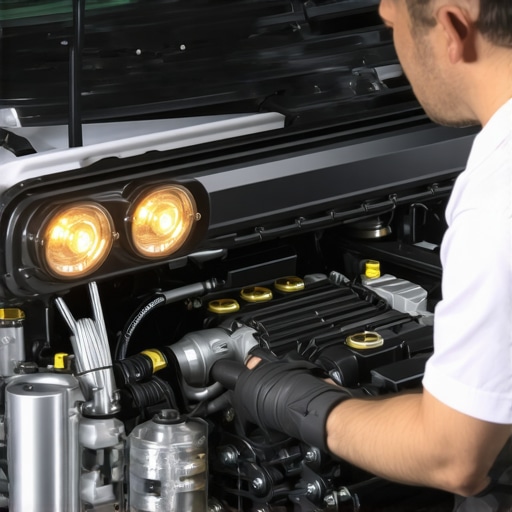
It was a chilly morning, and I was crawling out of my driveway when my transmission suddenly lunged, jarring my whole body and making me clutch the steering wheel in frustration. That’s when I realized my trusty ride wasn’t just acting up — it was sending me a clear warning sign about my system’s health. If you’ve ever experienced that gut-wrenching shudder or grind in your gears, you know how unsettling it can be. Today, we’re diving into why your 2026 gears might be grinding and how three straightforward repairs can help you avoid costly repairs down the line.
Don’t Let Gear Grinding Ruin Your Day or Wallet
Many drivers dismiss early signs of transmission trouble, thinking they’ll get around to fixing it later. But ignoring these issues often leads to bigger problems, like complete system failure or expensive overhauls. From personal experience, overlooking a minor delay or rough shift only made the problem worse, culminating in a costly repair that could have been prevented with a simple tune-up. The good news? Most gear grinding issues stem from manageable causes and can be fixed with targeted repairs. If you’re wondering whether your transmission is trying to tell you something, you’re not alone. In fact, the average car owner can save hundreds by catching these small issues early. Want to learn how to tell if you’re in danger of heading into that costly repair zone? I’ll cover that soon. But first, let’s address the biggest concern many have: *Is fixing these problems actually worth it?*
Is Car Repair Worth It or Just a Waste of Money? Think Twice
Early on, I made the mistake of assuming that small grinding noises weren’t a big deal. Turns out, that simple neglect cost me a lot more than I anticipated. This mistake is common; many drivers wait until they’re stranded or facing a breakdown. The truth is, preventative maintenance — especially for your transmission — can save you thousands and keep your car running smoothly for years. If you’re skeptical about whether quick fixes really do make a difference, I suggest reading about the latest auto repair diagnostics [here](https://collisionfixer.com/top-auto-repair-diagnostics-tips-for-2025-collisionfixer-8). Addressing minor issues early is the smartest move. So, are you experiencing that uncomfortable grind, or maybe a jerk now and then? If so, you’re probably fighting against time and system wear. But don’t worry; I’ll walk you through three easy repairs you can do or have done to keep your gears shifting seamlessly.
Stay tuned, because next, I’ll explain the crucial steps to diagnose and fix these problems before they turn into a nightmare on wheels.
Inspect Your Transmission Fluid Regularly
Start with the simplest step: check your transmission fluid level and condition. Park your car on a level surface, warm up the engine, then locate the transmission dipstick (usually marked). Pull it out, wipe it clean, reinsert, and check the level. If the fluid is low or dark brown/black, it’s time for a top-up or replacement. Proper fluid allows the gears to engage smoothly, preventing grinding. During my own experience, I noticed rough shifts, checked the fluid, and realized it was overdue for a change. Replacing the fluid improved shifting and extended the life of my transmission. For detailed guidance, see the top transmission system maintenance tips.
Replace Worn or Damaged Transmission Components
Next, identify if any parts like clutch plates, bands, or solenoids are worn out. This requires removing the transmission pan and inspecting these components for signs of wear or damage. A tell-tale sign is if you hear a slipping sound or experience delayed gear engagement. If you’re not comfortable doing this yourself, a professional auto repair shop can run diagnostics to pinpoint the issue. My friend once replaced a faulty solenoid that caused harsh shifting, saving hundreds compared to a full overhaul. This targeted approach ensures you replace only what’s necessary. To learn more, review auto repair diagnostics tips.
Perform Transmission System Flush and Tune-Ups
Finally, get a complete transmission flush and tune-up. This service involves removing old, contaminated fluid and replacing it with fresh, high-quality oil, which helps in lubricating moving parts and preventing grinding. During my recent tune-up, the mechanic noted that old fluid was causing resistance between gears. After the flush, the shifts became smoother, and the grinding ceased. Schedule this every 30,000 to 60,000 miles, depending on your vehicle’s use, to keep your transmission performing at its best. For best results, consider partnering with a trusted shop that follows the top car service maintenance tips.When it comes to vehicle maintenance, there’s a common misconception that any transmission issue is an immediate sign for a complete overhaul. In reality, many drivers overlook nuanced details that can make a significant difference in repair strategy. For example, many believe that all transmissions need professional service at the first sign of trouble, but sometimes, targeted diagnostics can reveal specific components that are salvageable, thus saving money.
Should You Trust Auto Repair Shops With Advanced Diagnostics or Just Go for Repairs?
Relying solely on standard repair practices without understanding the intricacies of modern transmission systems can lead to unnecessary expenses. Studies, such as the one published by the National Institute for Automotive Excellence, emphasize the importance of comprehensive diagnostics before proceeding with repairs, as this approach can increase lifespan and performance.
One common trap is assuming that all transmission problems stem from fluid issues, when in fact, sensor malfunctions or electrical glitches often mimic typical symptoms like slipping or jerking. Ignoring these nuances might result in replacing parts that are actually functioning correctly, leading to wasted resources. For instance, problems like hybrid jerking in 2026 models are frequently misdiagnosed as fluid faults, but a deeper look reveals sensor or transmission control module issues that require different fixes. To avoid such pitfalls, consult detailed diagnostic guides provided by experts like CollisionFixer’s diagnostic tips.
Another misconception is that transmission flushes are always necessary every few thousand miles. While routine maintenance is beneficial, overdoing flushes can sometimes cause more harm than good, especially on older vehicles or those with complex internal components. Understanding when a flush is truly needed, based on vehicle usage and age, is critical. For advanced vehicle owners or mechanics, considering the specificities of your model—like the 2026 systems designed with new sensors—is vital. This knowledge can be gained through expert resources such as maintenance strategies for 2025.
Have you ever fallen into the trap of over-simplifying transmission repairs? Let me know in the comments. Let’s keep the conversation going and make smarter repair choices! And remember, a proactive approach, combined with expert diagnostics, is your best bet against costly breakdowns and misdiagnoses.Maintaining the health of your vehicle’s transmission over time requires a combination of the right tools, regular monitoring, and a proactive approach. I personally rely on a few specialized instruments to diagnose and prevent issues before they become costly repairs. One essential device is a high-quality scan tool like the Autel MaxiCOM MS909, which allows me to read transmission codes, clear faults, and get real-time data from various sensors. This tool is invaluable because it provides precise diagnostics without invasive procedures, saving time and money. Additionally, I use a trusted transmission fluid tester to assess oil condition — color, viscosity, and contaminants — ensuring the fluid remains effective in lubricating and protecting internal components. For software, programs like Mitchell 1 and AllData enable me to access OEM-specific diagnostics, which are crucial when dealing with complex transmission systems, especially in newer models from 2025 onward. These tools Equip me to spot issues early and tailor repair strategies effectively.
Looking ahead, I believe that the trend toward integrated diagnostic systems and AI-powered predictive maintenance will redefine auto repair. With advancements in sensor technology and machine learning, vehicles will increasingly inform owners and mechanics about impending failures, allowing for even more precise upkeep.
How can I maintain my transmission’s health over the years?
Scheduling regular maintenance is key. This includes following your vehicle manufacturer’s recommendations for fluid changes—typically every 30,000 to 60,000 miles—and using diagnostic tools periodically to monitor system indicators. Keep an eye on fluid condition with a tester to catch early signs of degradation. Also, leveraging advanced diagnostic software, like the latest from CollisionFixer, allows you to detect sensor issues or control module glitches that might cause subtle problems like rough shifting or slipping, which are often overlooked. Remember, proactive repairs are often more affordable than waiting for complete failure.
Beyond tools, developing a relationship with a trusted mechanic who understands the nuances of modern transmissions can make a significant difference. They can interpret diagnostic data accurately and recommend targeted fixes, avoiding unnecessary overhauls. To dive deeper into effective systems monitoring, explore CollisionFixer’s comprehensive diagnostic guides [here](https://collisionfixer.com/top-auto-repair-diagnostics-tips-for-peak-2025-performance).
Finally, I suggest trying an advanced tip: utilize an aftermarket transmission fluid temperature sensor to actively monitor hot spots during prolonged driving. This real-time insight helps prevent overheating, a leading cause of early transmission failure. Installing one is straightforward and can be done during your regular tune-up, offering peace of mind and extending your transmission’s lifespan. Keeping your system in check with the right tools and practices ensures reliable performance and saves you money in the long run. Don’t wait for a warning light—take control today and safeguard your vehicle’s transmission future.
The Hardest Lesson I Learned About Transmission Repairs
One of my biggest takeaways is that ignoring the subtle signs of transmission trouble can lead to costly repairs down the line. I once dismissed a rough shift as just normal wear, only to find myself facing a complete transmission overhaul months later. Prevention through regular maintenance and early diagnostics saves both money and stress.
Why Trusting the Right Tools Matters More Than Ever
Using advanced diagnostic tools like the top auto repair diagnostics tips has transformed how I approach vehicle issues. These tools helped me identify sensor malfunctions and fluid contamination early, avoiding unnecessary part replacements and ensuring my transmission was in peak condition.
Patience and proactivity prevent disaster
It’s tempting to wait until a problem worsens, but quick action is key. Scheduling regular fluid checks, tune-ups, and component inspections—even when your car seems fine—can prolong your transmission’s lifespan significantly. I learned this the hard way, but now I always stay ahead of potential issues with scheduled maintenance and expert advice.
![6 Signs Your 2026 Transmission Is Overheating [Save $4k]](https://collisionfixer.com/wp-content/uploads/2026/02/6-Signs-Your-2026-Transmission-Is-Overheating-Save-4k.jpeg)