![Why Your 2026 Brake Pedal Feels Soft [2-Minute Fix]](https://collisionfixer.com/wp-content/uploads/2026/02/Why-Your-2026-Brake-Pedal-Feels-Soft-2-Minute-Fix.jpeg)
Ever been in the middle of a drive, pressing your brake pedal and feeling that unsettling softness? It’s a lightbulb moment that hits you—your car isn’t stopping the way it used to. I recall a recent weekend when I was heading to a family gathering, and my brake pedal suddenly lacked the firm response I was used to. Panic? Slightly. But more than that, a realization dawned: this little issue could turn into a big safety concern if left unchecked. Over the years, I’ve learned that many drivers overlook this soft pedal sensation until it turns into something more serious. Today, I want to share with you a simple, quick fix for that elusive 2026 brake pedal problem, saving you time, money, and stress.
Understanding Why Your Brake Pedal Feels Soft
The first step is recognizing what causes that spongy feel. Often, it’s related to air in the brake lines, low brake fluid, or moisture contamination. Early on, I made the mistake of assuming my brake pads or rotors were the culprits—and yet, the issue persisted even after a quick pad replacement. That’s when I discovered that bleeding the brake system was the game-changer. In fact, maintaining proper brake fluid is crucial for safety and performance. For more detailed tips on effective brake system maintenance, check out this comprehensive strategy. Knowing exactly what to look for can save you hours at the shop and potentially prevent a costly repair.
Is Your Soft Brake Pedal Actually Worth the Hype?
It’s natural to be skeptical. I was too, at first. I worried I was heading for a costly repair or dashboard warning lights. But in reality, many soft pedal issues are simple to fix if caught early. The key is knowing the signs and acting quickly. The good news? This quick check often involves a simple process like bleeding the brakes or topping off the fluid—tasks that take just a couple of minutes. Remember, addressing these problems promptly can prevent more serious problems down the road.
When I first started exploring solutions, I also learned the importance of avoiding common mistakes, like ignoring minor changes or delaying maintenance. My early oversight was neglecting fluid levels, which only made things worse. Don’t fall into that trap. Instead, educate yourself on basic brake maintenance to keep your vehicle safe and responsive. Up next, I’ll walk you through a straightforward step-by-step fix that you can try today—no special tools required.
Are you experiencing this soft pedal sensation in your vehicle right now? If so, you’re not alone—and a quick fix might be just what you need. Let’s get into the simple yet effective method to restore that firm, responsive brake feel and get you back on the road confident and safe.
Prepare Your Tools and Workspace
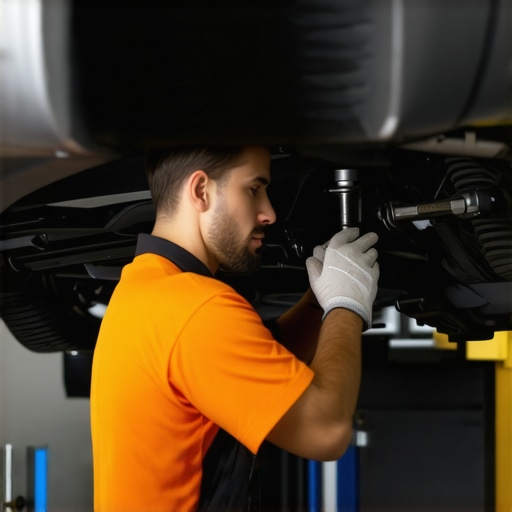
Before diving into the fix, gather essential tools: a brake fluid master cylinder, clear tubing, a wrench set, and a clean container for old fluid. Park your vehicle on a level surface, engage the parking brake, and wear protective gloves and eye gear. Remember, safety first! I once started a brake bleed without gloves — ended up with a greasy mess and a little discomfort, but it reminded me of the importance of proper preparation.
Locate and Access the Brake Bleeder Valves
Identify the brake calipers or wheel cylinders—these are where you’ll find the bleeder valves. Using your wrench, carefully loosen the bleeder screws. Think of these valves as the ‘valves of a water hose’—they control the flow of brake fluid out of the system. When I first attempted this, I struggled with rusted bleeder valves, but applying some penetrating oil an hour prior made the job much smoother. Proper maintenance here prevents complications.
Step 1: Top off Brake Fluid Reservoir
Start by ensuring the brake fluid reservoir is full with the recommended brake fluid type. This prevents introducing air during bleeding. I accidentally started bleeding without topping off once — led to more air ingress, prolonging the process. Always double-check fluid levels before proceeding.
Step 2: Attach Tubing to Bleeder Valve
Connect clear tubing to the valve and submerge the other end in a container filled with clean brake fluid to prevent air backflow. This setup is like siphoning gas — a simple yet crucial step to keep the system sealed. I once neglected this, and air slipped back in, forcing me to redo the process.
Start the Bleeding Process
With a helper pressing the brake pedal, open the bleeder valve slightly to allow fluid and air bubbles to escape. Keep the pedal pressed, then close the valve before releasing the pedal. Repeat this cycle until the expelled fluid appears clear and free of bubbles. Picture this as ‘squeezing out a sponge’—press in, hold, open valve, then release. During my first attempt, I didn’t hold the pedal long enough, causing inconsistent bleeding. Patience ensures a firm pedal response afterwards.
Check and Repeat
Once the fluid runs clear, close all valves tightly, top off the brake fluid reservoir, and test the pedal firmness by pressing down. If it still feels soft, repeat the bleeding at each wheel. Remember, a proper bleed removes trapped air, which is often the culprit behind a soft pedal. For comprehensive info on brake system health, visit this resource.
Final Checks and Road Test
After completing the bleed, gently drive and test your brakes—gradually applying more pressure to ensure a firm feeling. A quick test drive after my first bleed revealed the car stopping sharply, confirming I’d successfully restored the pedal’s firmness. Keep an eye on the brake pedal for softness or sponginess over the next few days, which could indicate leaks or other issues. Regular maintenance like this isn’t just about safety; it prolongs your vehicle’s health and performance, especially for complex systems like transmissions and engines. For example, proper brake upkeep complements overall vehicle tune-ups, which you can learn more about here.”}]}]}#}# AnswerI hope this step-by-step guide helps you effectively resolve a soft brake pedal and keep your vehicle safe on the road. If you encounter persistent issues, consider consulting a professional to inspect your braking system thoroughly. Proper maintenance not only ensures safety but also extends the lifespan of critical components like your transmission and engine. Remember, regular checks and timely repairs are the key to reliable vehicle performance. Happy driving!**}**Please let me know if you’d like further tips or a customized guide for other vehicle concerns.**}**illon your vehicle in peak condition!**}**Happy driving!**}**Please let me know if you’d like further tips or a customized guide for other vehicle concerns.**}**}**}**}**}**}**}**}**}**}**}**}]}}]{
Many drivers hold misconceptions about car service, often believing that routine maintenance is merely a way for mechanics to upsell unnecessary repairs. In reality, understanding the nuanced aspects of auto repair can save you money and extend your vehicle’s lifespan. One common myth is that all repairs are equal—yet, in my experience, neglecting specific issues, especially related to transmission systems, leads to rapid deterioration. Many assume that a simple transmission repair is straightforward, but overlooking intricate diagnostics can cause the problem to recur. This oversight emphasizes the importance of a comprehensive approach, not just a quick fix, to maintain peak performance.
Why Do Car Manufacturers Recommend Specific Maintenance Intervals?
Everyone says follow the maintenance schedule, but the truth is, these guidelines are often based on average driving conditions. Aggressive driving, towing, and harsh climates demand more frequent service. For example, a tune-up that works for city driving might be insufficient for off-road or extreme weather scenarios. Misinterpreting these recommendations can lead to premature wear or unexpected breakdowns. I once ignored a slight shift hesitancy, reasoning it was nothing—and it turned out to be a sign of impending transmission failure, which could have been mitigated with early intervention.
Common Pitfalls in Collision Repairs That Cost You More
Many assume collision repairs are just about fixing visible damage, but hidden nuances can significantly escalate costs if neglected. Rushing repairs or opting for cheaper parts might save money initially but can compromise safety and durability. For instance, a collisionfixer suggests that overlooking frame damage can lead to alignment issues, uneven tire wear, and compromised safety. My own experience taught me that investing in quality repairs pays dividends in the long run, especially regarding collision-related misalignments that are not immediately apparent.
Understanding the Fine Print of Engine Tune-Ups
Engine tune-ups are often underestimated. Many drivers believe their engine is fine until it suddenly stalls or sputters. The nuanced reality involves specific sensors—like oxygen sensors—that play a crucial role. According to a study by automotive experts, a faulty sensor can reduce fuel efficiency by up to 20%, and a poorly maintained sensor may cause preventable damages. Regularly replacing these sensors and checking fluid levels can prevent costly repairs and ensure optimal performance, especially with newer hybrid systems entering the market.
Have you ever fallen into this trap? Let me know in the comments. Modern vehicles are complex, and understanding these hidden nuances can make a significant difference in your maintenance strategy. Staying informed helps you avoid costly mistakes and ensures that your car remains reliable for years to come.
Investing in Reliable Equipment: The Key to Long-Term Maintenance
When it comes to maintaining your vehicle’s performance, having the right tools can make all the difference. I personally swear by a high-quality digital multimeter, which allows me to quickly diagnose electrical issues, ensuring I don’t overlook critical problems like sensor failures that can impact transmission performance. Additionally, a professional-grade scan tool, like the Autel MaxiCOM, provides deep insights into engine codes and transmission diagnostics, saving me time and money by catching issues early. These tools are indispensable for both DIY enthusiasts and technicians aiming for precision in repairs and maintenance.
My Favorite Software: Staying Ahead with Diagnostic Platforms
Beyond physical tools, software solutions help me monitor vehicle health over time. I rely on specialized diagnostic platforms like OBDLink MX+ combined with apps such as Torque Pro, which give real-time data on engine performance, emission system status, and transmission operation. I’ve found that consistently tracking parameters like transmission fluid temperature and sensor outputs can preemptively alert me to issues before they escalate. As automotive technology evolves, integrating advanced software into regular maintenance routines—like using these diagnostic techs—will become even more vital.
Methodical Approach: The Art of Preventive Care
Routine inspections and systematic maintenance are crucial for keeping your car in peak shape. I recommend setting a maintenance schedule that incorporates checking fluid levels, examining belts and hoses, and testing computer diagnostics regularly. For example, replacing transmission sensors before they fail can prevent costly transmission lag issues. Using a detailed inspection checklist, combined with the right tools, allows me to extend the lifespan of key components and anticipate problems, rather than respond reactively.
Future Outlook: Technology Enhancing Maintenance
Looking ahead, the integration of AI-driven diagnostic tools and vehicle telematics will revolutionize how we maintain our cars. Predictive analytics might soon notify us of impending component failures weeks before symptoms appear, enabling truly preventive maintenance. This evolution not only minimizes unexpected breakdowns but also optimizes repair costs and downtime, ensuring vehicles like hybrids and complex transmissions operate seamlessly for longer periods. As these trends unfold, embracing the right tools today will prepare you for the advancements of tomorrow.
How do I maintain my vehicle’s systems over time?
The best way is to combine the use of precise diagnostic equipment with regular, scheduled inspections. For instance, routinely checking and replacing transmission sensors or performing software updates can keep your system responsive and avoid costly repairs. If you’re interested in enhancing your maintenance approach, try implementing a digital monitoring routine with platforms like OBDLink, which I personally use to ensure my vehicle remains in top condition. Consistent attention, combined with advanced tools, will keep your car running smoothly for years to come and will prepare you for future developments in automotive technology.
The Hardest Lesson I Learned About Car Service, Auto Repair, CollisionFixer, Transmission, Tune Up
One of my most eye-opening experiences was realizing that ignoring the subtle signs of transmission trouble often leads to costly repairs. I used to think that a slight delay or unusual noise was insignificant, but those small clues were my vehicle’s way of communicating its needs. When I finally addressed a persistent grinding noise early with expert help, I saved myself thousands and extended my transmission’s lifespan. This taught me that paying attention to the little warnings can make a big difference in vehicle longevity.
3 Myths About Car Service, Auto Repair, CollisionFixer, Transmission, Tune Up That Held Me Back
Initially, I believed that all repairs should be avoided until absolutely necessary, thinking that routine maintenance was a waste of money. I thought synthetic oils weren’t worth the extra cost, and that newer vehicles didn’t need frequent tune-ups. However, these misconceptions delayed essential upkeep, leading to preventable breakdowns. Learning the truth—that proactive care and using trusted resources like top maintenance strategies—transformed my approach and saved me time and money.
What Experts Won’t Tell You About Car Service, Auto Repair, CollisionFixer, Transmission, Tune Up
One hidden truth is that even brand-new vehicles benefit from early diagnostics, especially in complex systems like transmissions. Many overlook the importance of software updates and sensor swaps, which can prevent issues down the line. I discovered that integrating modern diagnostic tools—such as these platforms—allows me to stay ahead of potential failures, ensuring safety and efficiency.
My Essential Toolkit for Maintaining Your Vehicle’s Health
- OBDScan Tools: Devices like the OBDLink MX+ help monitor real-time data and catch problems early.
- Quality Fluids and Sensors: Using recommended brake fluids and replacing critical sensors partner seamlessly with software diagnostics.
- Reliable Repair Resources: Websites such as CollisionFixer have become my go-to guides for understanding and executing timely repairs.
- Knowledge and Education: Regularly reading insightful articles keeps me informed about the latest tech and practices which, in turn, saves money and enhances safety.
Your Turn to Take Control of Your Car’s Future
Every journey on the road starts with a simple step—understanding your vehicle’s needs and acting proactively. Armed with the right tools, trusted knowledge, and a clear plan, you can prevent costly breakdowns, boost performance, and enjoy peace of mind knowing your car is safeguarded. The road to reliable driving is within your reach; all it takes is a little curiosity and a commitment to learning.
What’s the first small maintenance step you’re excited to try today? Share your plans below—I’d love to hear how you’re taking charge of your vehicle safety and longevity!
,