It was a chilly morning when my engine started sputtering unexpectedly, forcing me to pull over on a busy highway. Frustration and worry crept in—the last thing anyone wants is unpredictable car trouble when they’re counting on their vehicle. That lightbulb moment hit me hard: I’d neglected regular maintenance, and it was catching up. Every driver has faced that sinking feeling of wondering if their car will make it through the week.
Why Staying Ahead with Car Service Matters More Than Ever in 2025
In today’s fast-paced world, our vehicles are our lifelines. From daily commutes to weekend getaways, a dependable car isn’t just a convenience; it’s a necessity. But as technology advances, so do the complexities of auto repairs and tune-ups. If you’re like me, you might think that ignoring minor issues won’t hurt—until one day, it does. Regularly scheduled maintenance not only prevents these costly surprises but also ensures peak performance, safety, and longevity for your vehicle.
The good news? Staying on top of maintenance doesn’t have to be a headache. With a few expert tips, available [here](https://collisionfixer.com/auto-repair-diagnostics-guide-top-tips-for-peak-2025-performance), you can keep your car in top shape without breaking the bank.
Is Car Service Worth the Investment or Just a Scam?
Early in my driving days, I made the mistake of neglecting routine checks, thinking I was saving money. Turns out, that cost me more in repairs down the line. The key is to trust reputable sources and understand that proper maintenance is an investment, not an expense. For details on effective strategies, check out [this helpful guide](https://collisionfixer.com/effective-transmission-repair-tune-up-strategies-by-collisionfixer-today).
Will you face the same pitfalls I did? Or are you ready to take control of your vehicle’s health today? We’re about to dive into proven tips that will help you navigate car care confidently, ensuring your vehicle runs smoothly and safely in 2025 and beyond. Let’s get started.
Start with a Comprehensive Inspection
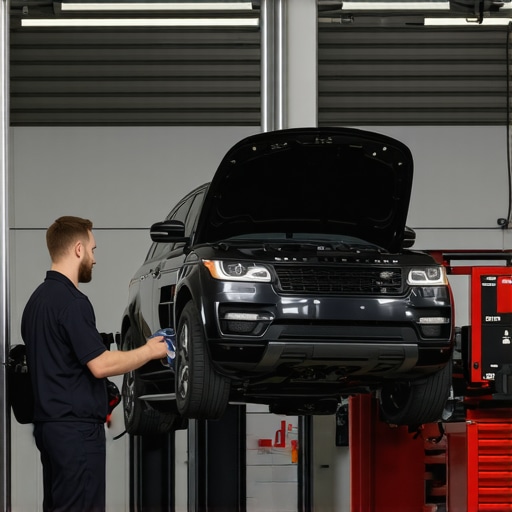
Begin by performing a full visual and diagnostic check of your vehicle. Think of this as a doctor’s initial exam—look for leaks, worn belts, low fluid levels, or unusual noises. During my last inspection, I used a basic diagnostic tool to scan for hidden issues, which uncovered a minor fault in the transmission system—an easy fix before it escalated into a costly repair. For an in-depth guide on diagnostics, visit this resource.
Schedule Regular Maintenance Appointments
Set up maintenance sessions at least every 5,000 to 7,500 miles, depending on your vehicle. This includes oil changes, filter replacements, and checking the brake system. Think of your car’s maintenance like a regular workout—consistent action keeps it resilient. I once skipped an oil change, which led to the engine running less efficiently; after the service, I immediately noticed improved performance. Use reputable shops or follow manufacturer’s guidance for best results.
Prioritize Transmission Care
The transmission often gets overlooked, but it’s the backbone of smooth shifting. Regularly check and, if necessary, flush transmission fluid to prevent slipping or overheating. I learned this the hard way when my car jerked unexpectedly; a simple transmission fluid change restored smoothness and avoided a potential system overhaul. For precise strategies, check out this expert guide.
Keep an Eye on Fluid Levels and Quality
Use a clean dipstick to monitor fluids like coolant, brake, and power steering. Dark or gritty fluids indicate contamination—just like how dark coffee signals a stale brew. I once ignored low coolant levels, which caused my engine to overheat during summer. After topping it off and flushing the system, my engine cooled down, and I avoided a breakdown. Maintaining fluid health extends your vehicle’s lifespan and enhances safety.
Use Quality Parts and Consumables
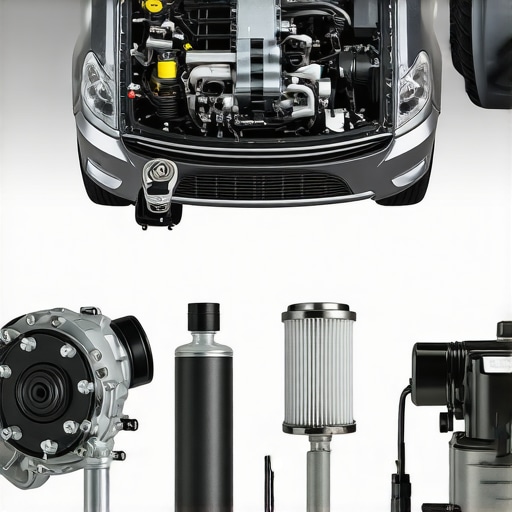
Opt for OEM or high-quality aftermarket parts during repairs and replacements. Cheap parts may seem like savings initially, but they often lead to premature failures. When replacing brake pads, I chose trusted brands recommended by professionals—resulting in longer-lasting, safer braking performance. Remember, the right components are a form of investment—protect your vehicle and your safety.
Implement Routine Tire Maintenance
Align, balance, and rotate your tires regularly. This improves handling, fuel efficiency, and tire longevity. I schedule tire rotations every 6,000 miles, which has kept uneven wear at bay, saving me money on replacements. Use a tire pressure gauge weekly—under-inflation or over-inflation strains the system, much like improper posture affects your back. Proper tire care directly boosts your safety on the road.
Stay Updated on Recall Notices and Software Updates
Modern cars frequently receive software updates that fix bugs or improve features. Stay connected with your manufacturer’s recalls—ignoring these can compromise safety and performance. I registered my vehicle online, enabling quick alerts about necessary updates, much like updating your phone’s OS. Ensuring your vehicle’s firmware is current keeps it in peak condition.
Trust Certified Professionals for Complex Repairs
For systems beyond your expertise, consult certified auto technicians. Attempting complex repair tasks without proper training can lead to further damage. I once tried to replace my own alternator but ended up damaging a connector, costing more in the long run. Instead, I now rely on professionals for transmission system repairs, as explained in this comprehensive diagnostics guide.
Track Maintenance and Repair History
Keep detailed records of all services performed. Like a health journal, this helps identify patterns and plan future care. I maintain a digital log and noticed that my brake fluid needed replacement sooner than usual, prompting timely service that prevented brake failure. Staying organized saves time and money while keeping your vehicle in top shape.
Many car owners operate under misconceptions about transmission, tune-ups, and general auto repair, often leading to costly mistakes. For instance, the belief that transmission fluid changes are unnecessary unless there’s a problem is widespread, but in reality, regular flushes are vital for maintaining optimal performance, as explained in expert guides. There’s also a misconception that tune-ups are only for older vehicles; however, modern cars benefit significantly from periodic maintenance to prevent hidden issues that could escalate. One common trap is neglecting diagnostic scans, which can miss subtle problems like pending transmission failures or sensor glitches—these small issues can cause big damage if left unchecked, according to studies on vehicle longevity. Have you ever fallen into this trap? Let me know in the comments. Additionally, many overlook the importance of quality parts during repairs, risking premature failures. Choosing OEM or high-quality aftermarket components not only ensures longevity but also enhances safety, especially in critical systems like brakes and steering. Interestingly, some drivers assume that car repairs can be DIY without consequences; but without proper diagnostic tools and skills, you might be addressing symptoms rather than root causes, leading to repeated repairs. For those wanting to master the nuances of auto maintenance, resources like this diagnostics guide highlight the importance of thorough inspections. Lastly, understanding the true purpose of regular service—bicking critical components like the transmission system and engine—can save you substantial money and stress down the line. Regular, proactive car care, grounded in expert knowledge and avoiding common myths, is your best bet for a safe and reliable vehicle. If you’d like to learn more about precision diagnostics and avoiding repair pitfalls, visit this comprehensive resource.Maintaining your vehicle’s performance requires more than just routine checks; the right tools and software can make a significant difference. As someone deeply involved in auto repair, I’ve found that investing in quality diagnostic equipment is essential. For instance, an OBD-II scanner like the BlueDriver Bluetooth Professional Scanner offers real-time data and trouble code reading, making it easier to identify issues early. I personally use this tool because it’s reliable, user-friendly, and connects directly to my smartphone, allowing quick diagnostics during routine maintenance or troubleshooting.
Beyond diagnostics, a high-quality torque wrench ensures that bolts are tightened to manufacturer specifications, preventing over-tightening or under-tightening that can cause long-term damage. I prefer a digital torque wrench because it provides precise readings and is easy to reset, saving me time. When working on transmission repairs, consulting detailed repair guides—like those found at this resource—can prevent costly mistakes. Their step-by-step instructions, coupled with the right tools, streamline complex procedures and improve durability.
How do I maintain transmission health over time?
Regularly changing transmission fluid at recommended intervals remains one of the most effective methods. I recommend using a dedicated transmission fluid pump to perform a flush—this ensures the new fluid thoroughly replaces the old, reducing sludge buildup and preventing overheating. Upgrading to a compatible transmission additive can also help reduce wear and extend the lifespan of internal components. Equipment like an infrared thermometer helps monitor operational temperatures, ensuring your transmission runs within safe limits—an often overlooked aspect of long-term maintenance.
In the future, I believe diagnostic software integrated with vehicle telematics will become even more sophisticated, offering predictive maintenance alerts before problems even surface. To stay ahead, I suggest regularly updating your diagnostic software and integrating it with manufacturer-specific updates, available through reputable providers. So, try leveraging a comprehensive diagnostic kit combined with detailed repair guides—it’s a game-changer for proactive car care and saving you money in the long run. For example, using these diagnostic tips can help you spot issues early, ensuring that your transmission—and the rest of your vehicle—remains in peak condition for years to come.
The Hardest Lesson I Learned About transmission,tune up,car service,auto repair,collisionfixer
One of my biggest realizations was that ignoring the subtle signs of wear can lead to catastrophic failures. I once dismissed a slight delay in acceleration, thinking it was just a minor issue. However, it turned out to be the early warning of transmission trouble—something I could have caught if I had paid closer attention to routine diagnostics. Trusting professional insights and using comprehensive diagnostics tools can save you from costly repairs down the line.
My Essential Tools for Signal Safety and Longevity
Over the years, I’ve come to rely on specific equipment that makes maintenance more effective. A reliable OBD-II scanner helps me catch issues early—like a trusted friend whispering warnings before things escalate. I also use a digital torque wrench during repairs to ensure proper torque specifications, preventing damage caused by over-tightening. These tools, combined with expert resources like repair guides, have become my safety net.
Take Action Now and Keep Your Vehicle in Peak Shape
The future of car care involves proactive, informed decisions. Regular inspections, quality parts, and professional diagnostics are your best allies in ensuring safety and performance. Don’t wait for the next breakdown—start implementing these strategies today. Remember, investing in your vehicle’s health is investing in your peace of mind and safety on the road. Curious about the latest tips? Reach out or explore these expert insights for more guidance.