Ever had that sinking feeling when your car sputters and stalls just when you need it the most? I remember the day my old sedan refused to start on a rainy morning, leaving me stranded and frustrated. That moment was a lightbulb for me—understanding auto diagnostics and maintenance isn’t just for mechanics; it’s a vital skill for any car owner aiming to keep their vehicle reliable in 2025 and beyond.
Why Staying Ahead with Auto Diagnostics Matters Now More Than Ever
In recent years, cars have transformed from simple machines into complex electronic marvels. With the rise of hybrid and electric vehicles, the need for precise diagnostics and timely maintenance has skyrocketed. Neglecting these aspects can lead to costly repairs or even dangerous breakdowns. I’ve learned this the hard way, making the mistake early on of ignoring minor warning lights, which eventually led to a major transmission issue. That was a costly lesson that I now share to help you avoid similar pitfalls.
Today, I’ll guide you through essential tips to prepare your vehicle for the demands of 2025, ensuring your auto system runs smoothly and efficiently. From understanding warning signals to mastering routine tune-ups, this is your roadmap to staying ahead of potential problems. Ready to take control of your car’s health? Let’s dive into the strategies that can save you time, money, and stress.
Is It Really Worth Investing Time in Diagnostics?
Absolutely. I used to think that regular oil changes and tire rotations were enough. But I discovered that detailed diagnostics can uncover hidden issues before they become expensive repairs. For example, early detection of transmission wear can be the difference between a quick fix and a full replacement. It might seem technical, but with the right guidance, anyone can learn to interpret the signs your vehicle gives. For deeper insights, check out this expert guide on transmission tune-ups.
My mistake? I once ignored a subtle vibration during acceleration, thinking it was just rough roads. Turns out, it was a transmission issue that could have been addressed early. That experience taught me the value of proactive auto care, and I want you to benefit from that knowledge too. So, if your vehicle has been acting up or if you just want peace of mind, now is the time to get familiar with top diagnostic tips and auto repair strategies for 2025.
Check Your Fluid Levels Regularly and Correctly
Think of your vehicle’s fluids as the blood of your car; without them, your engine can’t function properly. During a road trip I took last summer, I noticed my engine was overheating. Turns out, I had overlooked a low coolant level. I pulled over, topped it up, and avoided a costly engine repair. To do this right, always consult your owner’s manual for the right type and amount of fluids, then check levels monthly and before long trips. Use a clean cloth to wipe the dipstick, pull it out, wipe it clean, reinsert, and then check the level. Maintaining proper fluid levels ensures smoother operation and extends your vehicle’s lifespan.
Learn to Read and Interpret Warning Lights
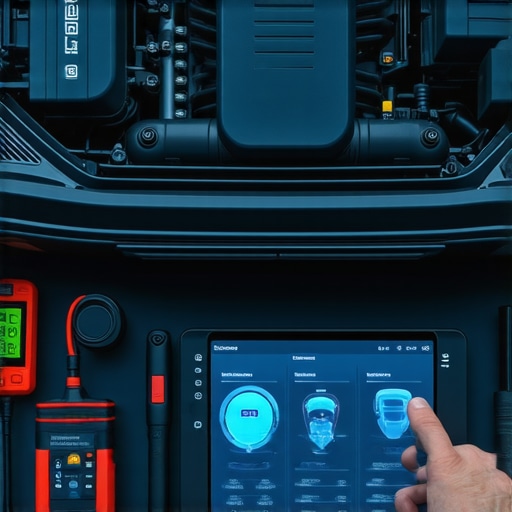
Warning lights are like your vehicle’s way of speaking to you. I once ignored a blinking check engine light, thinking it was a minor issue. That mistake cost me a new catalytic converter. Now, I keep a cheat sheet in my glove box for common warning signals. When a warning light appears, don’t panic. Pull over safely, consult your owner’s manual, and identify the light. For complex diagnostics, consider investing in an OBD-II scanner, which can read trouble codes directly from your vehicle’s computer system. This tool helps you understand what’s wrong and decide whether a DIY fix or professional help is needed. Addressing warning lights early prevents small problems from becoming major repairs, saving you money and stress.
Master Basic Troubleshooting Techniques
When my car started making a strange noise, I didn’t immediately rush to the mechanic. Instead, I learned basic troubleshooting—listening carefully, checking for leaks, and testing the battery. For example, a squealing belt indicated a worn serpentine belt, which I replaced myself after watching a tutorial. You don’t need to be a mechanic to perform simple diagnostics. Start with common issues: check tire pressure monthly, inspect hoses and belts for cracks, and listen for abnormal sounds. If your car stalls or struggles to start, verify the battery terminals for corrosion, and test the battery voltage with a multimeter. These small checks can often pinpoint the problem, allowing you to fix minor issues yourself or know what to tell your mechanic for efficient repairs.
Invest in Routine Professional Diagnostics and Tune-Ups
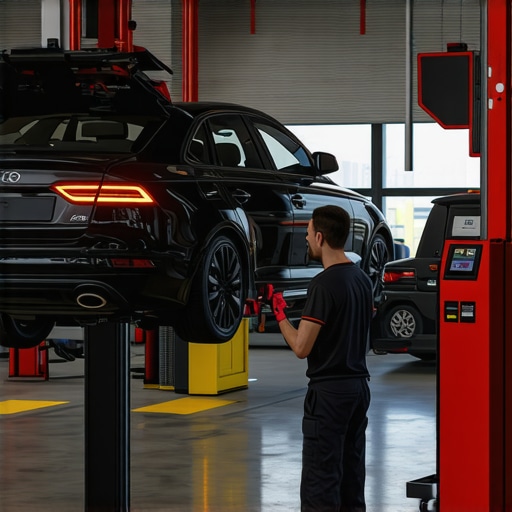
While DIY checks are invaluable, regular professional diagnostics catch hidden issues early. I schedule a comprehensive system scan twice a year, especially before long trips. This involves connecting a diagnostic tool to your car’s port to scan for trouble codes and assess system health. Professionals can identify problems with the transmission, braking system, or emission controls that aren’t obvious during daily drives. For example, I recently had my transmission system inspected, which revealed early signs of wear that could have led to a breakdown. To ensure peak performance, consider following expert strategies outlined in this comprehensive guide on transmission tune-ups. Regular diagnostics help you maintain optimal efficiency and safety, especially as vehicle technology advances into 2025.
While many car owners believe they understand auto diagnostics, there are several misconceptions that can lead to costly mistakes. Let’s dig deeper into these pitfalls and uncover the hidden nuances that even seasoned enthusiasts might overlook. One of the most pervasive myths is that warning lights are always straightforward and require professional attention immediately. However, understanding how to interpret these signals can sometimes empower you to handle minor issues on your own, saving time and money. For example, a blinking check engine light often indicates a misfire that, if caught early, can be addressed with simple repairs rather than expensive replacements.
Another common misconception is that ignoring small dashboard warnings won’t have long-term consequences. In reality, neglecting these signs can accelerate wear and tear, leading to severe damage. Take fluid levels: many car owners check them infrequently, assuming they are always sufficient. But improper fluid maintenance can cause engine overheating or transmission failure, issues that might have been prevented with regular checks. Remember, the devil is in the details, and proactive maintenance is your best defense against unexpected breakdowns.
What Advanced Car Owners Often Overlook When Diagnosing Issues
One advanced nuance is the importance of understanding vehicle-specific diagnostic codes. Generic code readers can sometimes misinterpret signals, especially with newer or hybrid vehicles. For instance, electric and hybrid cars have systems that traditional tools may not fully interpret. In such cases, investing in specialized diagnostic tools or consulting with professionals who are familiar with these systems can make a significant difference. According to automotive experts, using the right diagnostics is crucial for accurate problem identification and effective repairs. For more detailed strategies, check out this guide on transmission tune-ups.
Additionally, many overlook the importance of routine software updates in modern vehicles. Firmware updates can resolve bugs, improve system stability, and enhance diagnostic capabilities. Ignoring these updates may result in misdiagnosis or delayed detection of issues. Therefore, staying current with manufacturer recommended updates is essential for maintaining optimal vehicle performance.
Have you ever fallen into this trap? Let me know in the comments. Remember, being informed and cautious about auto diagnostics can save you a lot of stress and expense down the road. Stay proactive, stay safe!
How do I maintain my vehicle over time
Keeping your car in top shape requires the right tools and methods. Personally, I rely heavily on an OBD-II scanner, a device that connects to your vehicle’s diagnostic port and provides real-time data on your engine, transmission, and other critical systems. I use the top diagnostic tools for 2025 because they are affordable, easy to use, and offer comprehensive insights, enabling me to catch issues early before they escalate.
Another essential tool is a high-quality multimeter. I keep mine in my glove box to quickly verify battery voltage or check sensor signals. Regularly testing your battery terminals and connections with a multimeter can prevent unexpected stalls and prolong your battery’s life. For routine maintenance, I also recommend a good set of automotive gloves and a flashlight, which might seem simple but are invaluable when working under the hood late at night or in tight spaces.
Why investing in professional diagnostics pays off
While DIY tools are great, nothing beats professional diagnostics for uncovering hidden or complex issues. I schedule a bi-annual system scan at my trusted auto shop, especially before long trips. Modern vehicles often require specialized equipment to interpret the latest software updates and diagnostic codes. For example, I recently had my transmission system inspected, which revealed early signs of wear that I wouldn’t have detected with simple tools. For expert-level insights, I consult this comprehensive guide on transmission tune-ups.
Staying ahead with diagnostics means you’ll catch problems early, save money, and avoid dangerous breakdowns. As technology advances, I predict that diagnostic tools will become even more integrated with smartphone apps, allowing for seamless monitoring and alerts—making vehicle maintenance more streamlined than ever.
Try this advanced tip to boost your vehicle’s longevity
One tip I highly recommend is performing regular software updates through your vehicle’s manufacturer portal or dealer. Firmware updates can improve system stability, fix bugs, and enhance diagnostic capabilities, which is crucial as cars become more software-driven. Check your vehicle’s manual or contact your dealer to stay current. Incorporating this step into your routine can significantly extend your vehicle’s lifespan and ensure it performs optimally in 2025 and beyond.

The Hardest Lesson I Learned About Auto Diagnostics
One of my most valuable lessons was realizing that even seemingly minor warning lights can signal serious underlying issues. Ignoring a blinking check engine light cost me a new catalytic converter, a costly mistake that taught me to never dismiss dashboard signals without proper investigation.
My Eye-Opening Experience with Routine Maintenance
At first, I believed regular oil changes were enough. But I learned that proactive diagnostics and fluid checks can prevent breakdowns. The moment I discovered a low coolant level before a trip saved me from overheating and a potential engine rebuild.
Why I Now Trust Professional Diagnostics Over DIY Guesswork
While DIY tools are helpful, I found that regular professional diagnostics reveal hidden issues that DIY checks can’t detect, especially with advanced vehicle systems. Investing in comprehensive system scans ensures my car’s health stays optimal, saving me money in the long run.
The Power of Staying Updated with Firmware and Software
Firmware updates are often overlooked but are crucial. I realized that ignoring these updates can cause diagnostic errors and system bugs, which is why I now regularly check for updates through my vehicle’s manufacturer portal, ensuring my car performs at its best.