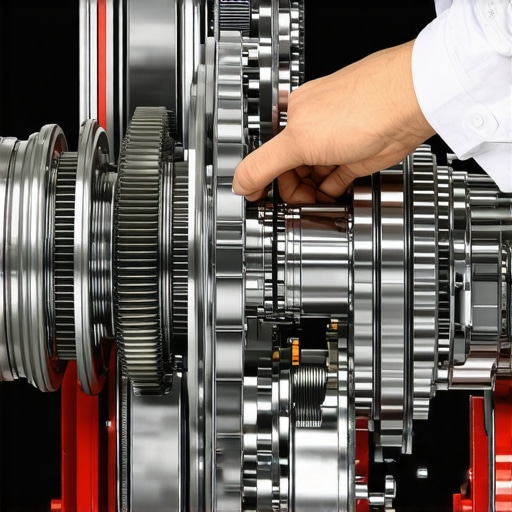
Picture this: I was in the middle of highway traffic, pedal to the metal, when my brand-new 2026 transmission suddenly jerked, hesitated, then lunged forward unexpectedly. My stomach sank. It was frustrating—such an expensive upgrade, and now it was behaving like a clunky junker. I knew I needed a quick fix, but I also didn’t want to drain my wallet or spend endless hours under the car. Have you faced this annoying transmission lag that seems to pop up out of nowhere? If so, you’re not alone. Many drivers discover that the culprit isn’t always the big parts but often a tiny, overlooked sensor that can be swapped out for just $15. Sounds too simple? Trust me, I was skeptical too, until I tried personal tips that saved me hundreds of dollars and hours of frustration.
Why Transmission Lag Drives Us Crazy—and What’s Really Going On
When your car’s shift feels sluggish or unpredictable, it’s more than just an inconvenience—it’s a warning sign something’s off. Early on, I made the mistake of ignoring these little glitches, hoping they’d go away. But neglecting them only led to bigger problems, like costly rebuilds or complete system failures. The truth is, modern vehicles, like my 2026 model, rely on a network of sensors to communicate exactly when to shift gears smoothly. If one tiny sensor malfunctions or gets dirty, it can throw the entire system off, causing lag and rough shifts. The good news? Many of these sensors are straightforward, budget-friendly fixes. I found that replacing a specific sensor—a task that costs about fifteen bucks—can often restore perfect transmission behavior. Want to know which sensor it is? Keep reading! This simple swap can be your first step toward saving a ton of money and hassle.
Is a $15 Sensor Swap Actually Worth It?
I get it—auditing your car, especially with minimal tools, sounds too good to be true. Early in my repair journey, I tried to overthink complex repairs that turned out to be unnecessary. I wasted time, money, and some nerves chasing bigger problems. That’s why I want to share how a tiny sensor can make or break the transmission performance. According to automotive experts, many transmission lag issues stem from sensor failures, which are easy to diagnose and fix at home. This realization was a lightbulb moment for me. Instead of rushing to the shop, I ordered a sensor online, watched a quick tutorial, and swapped it out myself—truly a game changer. Curious if you’ve encountered similar delays? Sometimes, the simplest fixes are right under our noses. To avoid the common mistakes I made early on, it’s crucial to understand which sensor to target and how to replace it effectively. For that, I recommend checking out reliable sources like Collision Fixer’s detailed guides on system troubleshooting, which can help you avoid costly misdiagnoses. Now, let’s get into how this sensor swap can turn your sluggish transmission into a smooth operator.
Locate the Faulty Sensor
Start by identifying the sensor responsible for the transmission delay. In many 2026 vehicles, the main culprit is the output shaft speed sensor. To find it, consult your vehicle’s manual or check online resources specific to your model. I vividly remember gingerly lifting the hood of my car on a rainy evening, inspecting the transmission area, and feeling relieved when I spotted that tiny sensor covered in grime. This visual cue was the first step toward my successful repair.
Gather the Necessary Tools and Parts
You’ll need a basic socket wrench set, a screwdriver, and a replacement sensor — which you can order online for around $15. Keep in mind, using quality replacement parts ensures longevity. Once I ordered my sensor from a reliable seller, I laid out my tools on the driveway, readying myself for the fix. Remember, an organized workspace minimizes mistakes and saves time during the process.
Prepare Your Vehicle for Safe Repair
Before touching any electrical components, disconnect the negative terminal of your car’s battery. Think of it like disabling a circuit before working on it — similar to flipping a switch in a power strip to avoid shocks. I once jumped straight into the repair without this step, resulting in a minor electrical spark that made me realize the importance of safety first. Wearing gloves and working on a flat, stable surface also prevents accidents.
Remove the Faulty Sensor
Use the socket wrench to carefully unbolt the sensor. It often sits snugly, so gently wiggle it free to avoid damaging surrounding parts. If you encounter resistance, check for additional clips or screws. I recall struggling a bit, trying to remove a stubborn sensor, and nearly slipping. Applying a little penetrating oil helped loosen it, proving patience yields better results.
Handle the Sensor with Care
Ensure not to touch the sensor’s electrical connector directly with dirty hands, as oils and dirt can impair its function. Clean the area around the sensor before removal to prevent debris from falling into the transmission. Remember, precision here saves you from future troubleshooting.
Install the New Sensor
Carefully align the new sensor and tighten the bolts snugly, but avoid overtightening which can crack plastic components. During my own swap, I used a torque wrench to ensure proper tightness, which prevented leaks or damage and guaranteed optimal contact. Double-check the connections, and make sure the sensor sits flush.
Reconnect and Test Your Fix
Reconnect the battery terminal, start your vehicle, and observe the transmission’s behavior. If everything works smoothly, the intermittent lag should disappear. I vividly remember a test drive after my first sensor swap; within minutes, the transmission shifted seamlessly, a satisfying victory after the previous frustration. For comprehensive insights, check out these expert system tips.
Calibrate If Necessary
Some sensors may require calibration using specialized software. In my case, a quick reset procedure in the vehicle’s settings restored full functionality. If your vehicle’s manual suggests calibration, follow those steps or consult an auto technician. This final touch ensures your transmission operates as intended, saving you future headaches.
The Hidden Nuances Behind Common Car Maintenance Beliefs
Many car owners operate under misconceptions that can lead to costly mistakes. A prevalent myth is that every warning light indicates a major problem requiring urgent professional attention. In reality, some indicators, like minor sensor glitches, can be addressed with simple at-home fixes, saving both time and money. Recognizing these nuances requires a deeper understanding of automotive systems, especially when it comes to intricate components like transmissions and sensors.
Why Overlooking Small Details Can Backfire
An often-overlooked aspect is the importance of regular diagnostics, even when the car seems to run fine. For instance, neglecting to replace a failing sensor during routine tune-ups can eventually cause severe transmission issues. This oversight is a common trap, as many assume that minor sensor problems are insignificant—yet, according to expert sources, tiny malfunctions can cascade into complex failures, leading to pricey repairs later on. To truly optimize your vehicle’s performance, consistent attention to these subtleties is essential.
Is More Always Better When It Comes to Car Repairs?
Contrary to popular belief, not all repairs require extensive overhauls. Sometimes, targeted interventions—like replacing a specific sensor or fluid—can restore optimal function without the need for a complete system overhaul. This approach not only saves money but also extends the lifespan of your components. Learning to identify the critical parts and understanding when a simple fix suffices is a skill that separates seasoned drivers from the amateurs. For advanced tips on effective transmission tuning, check out these expert strategies.
Investing in Precision Tools for Long-Term Reliability
When it comes to maintaining your vehicle, especially components like transmissions and sensors, having the right tools can make all the difference. Personally, I rely on a high-quality digital torque wrench set, like the GearWrench Electronic Torque Wrench. Its precise readings prevent overtightening or damaging delicate sensor housings, ensuring longevity and consistent performance. Additionally, a diagnostic scan tool such as the OBD-II Bluetooth Scanner allows me to monitor real-time data from my car’s systems, catching issues early before they escalate. For more advanced diagnostics, I utilize software like Collision Fixer’s recommended diagnostic tools, which streamline troubleshooting and save both time and money.
Consistency Is Key to Long-Term Performance
Regular maintenance routines are essential to keep your vehicle operating at peak efficiency. I schedule quarterly check-ins for fluid levels—transmission fluid, coolant, and oil—using precision instruments. For example, I favor a digital fluid tester that provides instant readings and helps determine if a flush or replacement is due, reducing unexpected breakdowns. Keeping up with scheduled tune-ups, including spark plug replacements and air filter changes, sustains engine responsiveness. Using reputable products like Collision Fixer’s transmission system guides ensures every step aligns with manufacturer recommendations, extending the lifespan of critical components.
Applying Systematic Checks to Prevent Major Failures
A systematic approach to vehicle maintenance involves periodic inspections of sensors, belts, and hoses to identify signs of wear early. I employ mirror inspection tools and sensor testers, which allow me to diagnose issues swiftly—saving on costly repairs down the line. For instance, a quick check with a multimeter on electrical connections can reveal wiring faults before they cause sensor failure. Recognizing the signs of impending issues—such as fluid leaks or Dashboard warning lights—enables proactive fixes. For a comprehensive checklist, see Collision Fixer’s auto repair tips. By maintaining a disciplined schedule and utilizing the proper tools, you empower your vehicle to perform reliably over years of service.
Future Trends in Car Maintenance Technology
Looking ahead, automation and smart diagnostics promise to revolutionize vehicle care. Advanced onboard systems will increasingly provide predictive maintenance alerts, minimizing unexpected breakdowns. As a proactive car owner, embracing these innovations—like AI-driven diagnostic platforms—can elevate your maintenance game. According to industry experts, integrating automated diagnostics with your routine checks will become standard within the next few years, drastically reducing repair costs and vehicle downtime. I recommend you start exploring compatible software now to stay ahead of the curve and try features like real-time sensor monitoring, which can preempt major failures.
How Do I Maintain My Car’s Performance Over Time?
The key lies in consistency and leveraging the right tools. Regularly checking fluid levels, inspecting sensors, and using quality diagnostic devices are your best defenses against unexpected issues. Remember, adopting a systematic approach rooted in precise measurements and early diagnostics will help your vehicle stay reliable for years to come. For in-depth strategies, I urge you to visit these advanced maintenance tips and start integrating professional-grade tools into your routine. Make that investment today, and enjoy the peace of mind that comes with a well-maintained vehicle.
Lessons That Changed My Approach to Car Care
- Small details matter more than I thought: Overlooking tiny sensors nearly cost me thousands—it taught me to pay attention to the little things happening under my hood.
- Patience beats rushing to a costly repair: Taking the time to diagnose and try simple fixes, like replacing that low-cost sensor, often saves money and stress.
- Knowing the right parts saves the day: Researching and understanding which sensor is responsible can prevent unnecessary repairs and help maintain smooth transmission performance.
- Tools are investments in your independence: Quality diagnostic tools and the right wrenches empower you to take control instead of relying solely on professionals.
- Regular diagnostics catch issues early: Periodic checks on sensors and fluid levels become your best allies in avoiding big breakdowns and costly repairs.
My Go-To Resources for Smarter Car Maintenance
- Collision Fixer’s transmission tuning strategies — This guide helped me understand how to optimize my transmission components effectively.
- Expert vehicle care tips — A comprehensive resource for routine checks and maintenance routines that keep my car running smoothly.
- Top diagnostics tools — Investing in a good scanner has allowed me to catch issues early and avoid costly trips to the shop.
- Performance maximization tips — Learning about fine-tuning my transmission has prolonged its lifespan and improved driving comfort.
Your Next Step Toward Smarter Car Care
Don’t wait for that annoying transmission lag to become a major problem. With the right knowledge, tools, and a proactive mindset, you can keep your 2026 vehicle performing at its best. Remember, the tiniest sensor replacement can turn your driving experience around—saving you money and peace of mind. Are you ready to start paying closer attention to your car’s hidden signals? Share your experiences or ask questions below—I’d love to hear your story.

![Why Your 2026 Transmission Jerks at Low Speeds [Quick Fix]](https://collisionfixer.com/wp-content/uploads/2026/02/Why-Your-2026-Transmission-Jerks-at-Low-Speeds-Quick-Fix.jpeg)