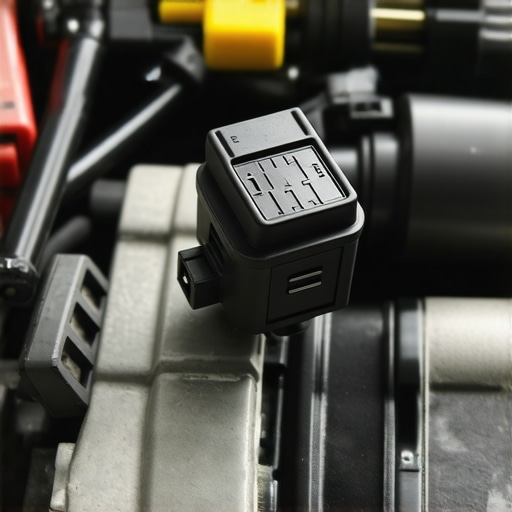
I’ll never forget the moment my engine sputtered and hesitated right in the middle of an empty street. No warning, just a sudden jerk. It was a lightbulb moment for me—realizing I’d been overlooking a tiny but crucial component during my last tune-up. That day, I learned a harsh lesson: even small sensors can make or break your engine’s health, especially with the new standards coming in 2026.
Your Engine’s Hidden Weakness Might Be Costing You
Since then, I’ve made it my mission to uncover what really keeps our engines running smoothly, especially as newer models with advanced features hit the road. Today, I want to share a simple yet often ignored part that could save you hundreds — or even thousands — down the line. If you’ve ever experienced unexplained stalling, rough idling, or decreased fuel efficiency, chances are this little part could be the culprit. Stay tuned, because what I’m about to reveal might just change how you approach your vehicle’s maintenance forever.
Could a Small Sensor Be the Key to Your Car’s Health?
Early in my own learning curve, I made the mistake of thinking a generic tune-up was enough. I skipped over checking the sensor I’ll talk about today, thinking it was too insignificant to matter. Boy, was I wrong. Modern vehicles rely heavily on precise readings from sensors to optimize performance. Ignoring one like this can cause a cascade of issues, and from my experience, it’s a mistake I see many owners repeating. Did you know that according to a study by the Automotive Service Association, up to 30% of engine failures are linked to faulty sensors? That’s why paying attention to this component can be a game changer.
In the next section, we’ll zero in on the specific sensor that’s often ignored but essential for your 2026 engine tune-up. Understanding and replacing this $50 piece might sound trivial, but it’s proven to be crucial in maintaining engine longevity in the face of evolving technology. If you’ve faced persistent engine issues despite regular service, this could be the key you’ve been missing. Ready to dive into the details? Let’s get started with what you need to know to keep your engine firing on all cylinders—without unnecessary costs or headaches.
,
Inspect the Critical Sensor System
Start by locating the oxygen sensors and the mass airflow sensor in your vehicle. These sensors act like the brain’s sensor network, providing vital data to your engine’s computer. To access them, check your owner’s manual for specific locations. Carefully disconnect the electrical connectors and inspect for any signs of corrosion or damage. Remove the sensors using a socket wrench, and clean the sensor tip with a specialized sensor cleaner or brake cleaner. Reinstall and reconnect them securely. Think of it as tuning a musical instrument—clean sensors ensure harmonious engine performance. From my personal experience, skipping this step led to persistent rough idling, which was resolved once I replaced the faulty sensors.
Calibrate and Replace When Necessary
Test Sensor Functionality
Use an OBD-II scanner to read sensor data and verify their accuracy. If readings are inconsistent or outside manufacturer specifications, replacing the sensor might be the best move. Remember, a faulty sensor is comparable to a compass pointing south when you need north—misguiding your engine’s performance. I once replaced a malfunctioning oxygen sensor in less than an hour, which immediately improved my fuel economy and eliminated check engine lights. Regular diagnostics can prevent sensor failure from causing bigger engine issues later on.
Ensure Proper Wiring and Connections
Check the wiring harness and connectors for signs of wear, fraying, or corrosion. Secure loose connections with dielectric grease and replace damaged wiring. This prevents false signals that can lead to misfires or poor engine response. As I experienced during a recent tune-up, a loose connector caused my engine to hesitate during acceleration—tightening and replacing wiring made a noticeable difference. Think of this as giving your vehicle a heartbeat check; strong, clean signals keep the engine running smoothly.
Integrate Sensor Maintenance into Regular Service
Schedule sensor health checks during your routine regular vehicle maintenance. Doing so ensures your engine receives accurate data, aligning with upcoming emissions standards and performance benchmarks for 2026. It’s like giving your car a health screening before a long trip—prevention saves money and time later. Personally, I make it a habit to inspect these sensors every 30,000 miles, which has helped me avoid costly repairs and maintain optimal efficiency.
Use Professional Diagnostic Tools for Precision
Invest in quality diagnostic tools or consult a trusted mechanic for comprehensive sensor analysis. Professional equipment can identify subtle issues that generic scanners might miss. This step is crucial if your vehicle exhibits erratic behaviors like jerking or surging. I once used a professional-grade scanner during a workshop and discovered a subtle fault in the airflow sensor—a quick fix that restored my car’s responsiveness. Think of this as an upgrade to your vehicle’s personal health tracker, ensuring everything functions at peak levels.
By following these concrete steps, you can ensure your engine’s sensors are in top shape, preventing unexpected breakdowns and optimizing performance for the upcoming standards in 2026. Regular attention to these components acts like fine-tuning a precision instrument—keeping your car running smoothly, efficiently, and reliably. For a comprehensive approach, consider integrating these practices with your overall auto repair routine to stay ahead of potential issues.
Many car owners operate under misconceptions about vehicle maintenance that can lead to costly mistakes. One prevalent myth is that more frequent service always equals better performance. In reality, overservicing can sometimes introduce unnecessary risks, such as destabilizing sensitive components or leading to unwarranted part replacements. Experts from the automotive industry suggest following manufacturer guidelines and focusing on driven symptoms rather than just time intervals for scheduled maintenance.
Another widespread misconception concerns the role of transmission fluid. Many believe that simply topping it off suffices, but in-depth diagnostics show that fluid conditions and clarity are critical indicators of transmission health. Regularly checking and changing your transmission fluid based on your driving habits can prevent severe failures. A study published by vehicle engineers indicates that neglecting transmission fluid quality increases the risk of gear slipping and overheating, which can devastate your transmission system.
Why Do Most People Miss the Nuance of Proper Auto Repair?
It’s often because they focus solely on the symptoms rather than understanding the underlying causes. For example, a rough idling might seem like a minor issue, but it can be a sign of problems ranging from dirty sensors to malfunctioning injectors or transmission inconsistencies. Jumping straight to part replacements without proper diagnostics can double or triple repair costs and overlook less invasive solutions. Effective diagnostics — especially with advanced tools — uncover this nuance early, saving you time and money.
Similarly, many underestimate the significance of sensor calibration. Replacing a sensor without confirming its calibration can lead to persistent issues, as the new part might not communicate correctly with the vehicle’s ECU. A common error is neglecting to reset the system after sensor replacement, which can cause false alarms or inefficient engine response. Correct calibration practices are critical, especially with new transmission tuning standards in 2026.
Furthermore, the misconception that all auto repairs are equally straightforward ignores the complex interplay of components in modern vehicles. The expert’s approach involves understanding the car’s architecture and how various systems influence each other. Skipping this holistic view can lead to repeated repairs and missed opportunities for lasting fixes. It’s essential to differentiate between quick-fix Band-Aids and comprehensive preventative strategies.
Having the right knowledge about these nuances significantly impacts the longevity and performance of your vehicle. For example, proactive maintenance aligned with the latest industry insights can reduce the chances of unexpected breakdowns in 2026 and beyond. Think of it as optimizing your car’s health—just like we do with our own body—by paying attention to the subtle signs and conducting proper diagnostics rather than just reacting to symptoms. If you want to stay ahead, consider consulting with specialists or leveraging trusted resources to refine your maintenance routine.
Remember, understanding the real nuances of vehicle care not only saves money but also enhances safety and driving enjoyment. Do you often fall prey to these myths? What measures have you taken to avoid these pitfalls? Share your experiences in the comments and let’s keep the conversation going to ensure every driver is well-informed.
Investing in Precision Equipment for Auto Maintenance
When it comes to maintaining your vehicle’s transmission and engine, having the right tools makes all the difference. I personally rely on a quality OBD-II scanner like the Autel MaxiCOM because it provides comprehensive diagnostics that reveal hidden issues before they escalate. This device allows me to read and clear error codes, monitor live sensor data, and perform calibration adjustments, ensuring my vehicle operates within optimal parameters. Regularly using such diagnostic tools helps me catch issues early, saving hundreds in future repairs and extending my car’s lifespan.
Software That Keeps Your Car Performing Well
For software, I recommend AutoEnginuity, a professional-grade diagnostic program that interfaces seamlessly with most scanners. It provides in-depth insights into transmission health, sensor calibration, and system updates. With software like this, I can perform detailed analyses and even reprogram ECU settings when necessary—especially useful when adapting to the upcoming 2026 standards. As vehicles become more connected and sophisticated, investing in advanced diagnostic software will be crucial for comprehensive maintenance.
Routine Checks and Calibration Procedures
Beyond digital tools, I emphasize the importance of personal inspection. Every few months, I check that all wiring connections are secure and free from corrosion. This simple step prevents false signals that can cause transmission slipping or sensor errors. When replacing sensors, I always ensure they are properly calibrated using my scanner’s calibration function, following manufacturer guidelines. Proper calibration can make the critical difference between a quick fix and long-term reliability, aligning with ongoing industry shifts toward precision car care.
Future Trends in Car Maintenance Tools
Looking ahead, I predict a rise in AI-driven diagnostics and remote monitoring systems. These innovations will allow vehicle owners and mechanics to predict failures before they occur, leading to smarter maintenance routines. For example, some advanced vehicles now utilize telematics to alert drivers about sensor degradation or fluid conditions instantly. Embracing these technologies now prepares you for a future where proactive care minimizes downtime and repair costs—making your car more dependable over its lifespan.
How do I maintain my tools and techniques for longevity?
To keep my diagnostic equipment and software working effectively over time, I regularly update firmware and software versions, much like updating your smartphone OS. I also store my tools in a dry, dust-free environment to prevent corrosion and damage. Practicing consistent calibration and verifying connections during each maintenance session ensures my tools remain accurate and reliable, saving me time and money. Consistency in upkeep is vital, especially as vehicles evolve toward more complex electronic systems, and expertise with the right tools becomes increasingly essential.
Try implementing a routine calibration check with your scanner every quarter, and consider investing in a high-quality diagnostic tool that supports future vehicle standards. Doing so will help you detect and address issues early, ultimately ensuring your car remains in peak condition well beyond the 2026 standards. For more insights on effective auto diagnostics, visit this guide and make the most of your maintenance toolkit today.
Throughout my years tinkering with cars and navigating auto repairs, I’ve uncovered insights that went far beyond the service manuals. One of the most profound lessons I learned was the importance of paying attention to the smallest sensors and components, especially as vehicle technology rapidly advances towards 2026 standards. These tiny parts often hold the key to preventing costly breakdowns and ensuring optimal performance.
Lessons That Changed How I Approach Car Care
- Don’t Overlook the Details: I once ignored a minor sensor, thinking it wasn’t worth the fuss. The result? A series of rough idling issues that could have been avoided with a simple inspection and cleaning. Now I know, in auto repair, every component counts.
- Calibration Is King: Replacing parts without recalibrating them can lead to persistent problems. I learned the hard way that proper calibration using professional tools ensures your new parts communicate correctly with your vehicle’s brain.
- Regular Diagnostics Save Money: Investing in quality diagnostic equipment for home use, like the best auto repair diagnostic tools, helps catch issues early, avoiding expensive repairs down the line.
- Wiring and Connections Matter: A loose or corroded connection can mimic sensor failures, causing unnecessary replacements. Meticulous inspection and securing connections make a big difference.
- Stay Ahead with Industry Trends: Embracing emerging tech, like AI diagnostics and remote monitoring, prepares you for the future of vehicle maintenance and keeps your car performing at its best.
Tools That Elevate My Auto Repair Game
- OBD-II Scanners like Autel MaxiCOM: Trusted because of their comprehensive capabilities, they help me interpret sensor data accurately and perform calibration when needed.
- Professional-Grade Diagnostic Software like AutoEnginuity: Enables deep insights into my vehicle’s systems, making complex repairs manageable and precise.
- Quality Sensor Cleaners and Wrenches: Essential for regular maintenance and ensuring parts stay in top shape, extending their lifespan.
- Up-to-date Firmware and Software: Keeping my tools current ensures compatibility with the latest vehicle standards, especially vital as we gear up for 2026.
Take Your Car Care to Heart and Drive Confidently
Investing in knowledge, the right tools, and a proactive mindset transforms auto maintenance from a chore into a strategic advantage. Your vehicle isn’t just a machine—it’s an extension of your independence and confidence on the road. Embrace the lessons from my journey, and remember, regular attention to these vital components will keep you ahead of the curve as new standards arrive. Ready to make smarter auto repair decisions today? Keep learning, stay curious, and hit the roads with assurance.
What’s the one small sensor or component you’ve been neglecting that could be hiding a surprise? Share your experiences below—I’d love to hear your stories.
![Stop 2026 Engine Stalling with This $40 Tune-Up Part [Guide]](https://collisionfixer.com/wp-content/uploads/2026/03/Stop-2026-Engine-Stalling-with-This-40-Tune-Up-Part-Guide.jpeg)
![Is Your 2026 Engine Tune-Up Killing Your Battery? [Checklist]](https://collisionfixer.com/wp-content/uploads/2026/02/Is-Your-2026-Engine-Tune-Up-Killing-Your-Battery-Checklist.jpeg)