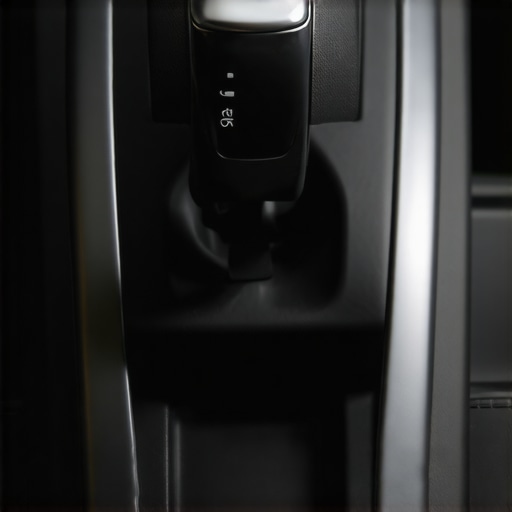
If you’ve ever reached for that gear shifter in your 2026 model, only to find it stubbornly refusing to slide into the next gear, you know the frustration that comes with it. I remember the first time I experienced it—trying to shift, pushing, pulling, and feeling that annoying resistance. It was like my car was protesting my every move, and honestly, I started doubting if I was doing something wrong or if my transmission was doomed. That lightbulb moment hit me hard: this wasn’t normal, and there had to be a straightforward fix.
Dealing with Gear Shifter Stickiness Gets Old Fast
For many of us, especially as the miles add up, gear shifter issues become more than just a minor inconvenience—they start impacting the way we drive and our confidence in the vehicle. If your 2026’s shifter has become stickier than it used to be, you’re not alone. I’ve been there, and I want to share a solution that truly works—something I stumbled upon after trying multiple expensive repairs that didn’t stick. Now, I can shift smoothly again, and I want to help you do the same without breaking the bank or wasting time at the repair shop.
Is This Fix Worth the Hype?
At first, I was skeptical—who wouldn’t be? But here’s the thing: early on, I made the mistake of pouring money into complex parts and guessing games that didn’t fix the problem. Instead, I discovered that a simple, affordable part can do wonders. According to automotive experts, many shifting issues stem from basic components that wear out over time—parts as low-cost as $15 can often be the culprit. For example, a worn link or connector can cause that stubborn resistance, and replacing it is quick and easy if you know what to look for. Curious? Keep reading—I’ll walk you through my personal experience and a step-by-step guide to fixing it yourself, saving you money and hassle along the way.
Inspect the Gear Shifter Components Directly
Start by engaging the parking brake and disconnecting the negative terminal of your battery to ensure safety. Remove the gear shifter cover using a screwdriver, taking care not to damage the clips. With the cover off, examine the linkage and connecters for signs of wear or corrosion. I once found a worn-out linkage that was causing resistance; replacing it instantly restored smooth shifting. This step allows you to identify obvious issues before proceeding further.
Clean and Lubricate the Connecting Linkage
Use a degreaser or contact cleaner to thoroughly clean the linkage and connecting parts. After cleaning, apply a thin layer of high-quality lubricant specifically designed for automotive linkages—like silicone spray or lithium grease. During my own repair, a quick spray after cleaning reduced the resistance significantly. Keeping these parts clean and well-lubricated prevents dirt buildup and ensures smooth operation.
Replace Worn-Out or Damaged Parts
If components such as bushings, clips, or the shifter cable appear cracked or excessively worn, replacing them is essential. You can order replacement parts online; many are budget-friendly, costing as little as $15. I’ve replaced a damaged bushing myself, which took less than 20 minutes and made the shifting feel like new. Worn parts are often the root cause of stickiness, so replacing them is the most effective fix.
Adjust the Linkage for Proper Tension
Proper adjustment ensures the linkage moves freely without being too loose or tight. Use the vehicle’s service manual to locate adjustment points and use a wrench to tweak the tension accordingly. When I did this adjustment, I found that a slight turn made a huge difference—it balanced responsiveness and ease of shifting. Proper tension helps prevent further wear and restores smoothness.
Test Drive and Fine-Tune
Reassemble the shifter cover, reconnect the battery, and take your vehicle for a test drive. Shift through all gears smoothly to check if resistance has been eliminated. If the problem persists, revisit the previous steps—especially the linkage tension and parts condition. Keep in mind, sometimes a combination of cleaning, replacement, and adjustment yields the best results. For more detailed guidance on common transmission issues, see this transmission troubleshooting article.
Beyond the Surface: The Nuances Repair Shops Often Miss
Many car owners assume that a quick fix or generic service will solve their transmission or engine issues. However, the real challenge lies in understanding the.hidden nuances that can make or break the repair’s effectiveness. For instance, a common misconception is that all transmission problems stem from the same cause, but experts reveal that issues like shifting delays can often be traced back to specific sensors, such as the 50 sensor, which many overlook. Reading this article on faulty sensors can shed light on the advanced diagnostics required for a lasting fix.
Why Relying on Generic Solutions Can Be a Costly Mistake
It’s tempting to believe that replacing parts like gaskets or fluid is enough, but this approach can be a trap. An oversimplified mindset might lead you to ignore underlying causes, such as vacuum leaks or faulty control modules, which often accelerate wear and tear. For example, a misdiagnosed transmission shudder might seem like a minor fluid issue but could actually relate to a mounting problem explained in this mount swap guide. Appreciating these nuances can save you from repeating costly repairs.
What Top Mechanics Know That You Don’t
Professionals invest time in mastering complex, layered diagnostics—from sensor health to internal component alignment. A prime example is the engine tune-up process, which involves more than just replacing spark plugs or filters. They look for minute sensor discrepancies, vacuum leaks, or mounting issues that can undermine performance. Understanding these advanced intricacies is crucial; otherwise, you risk accepting superficial fixes that quickly fail. Want to dig deeper? Check out this expert guide on sensor problems.
Most importantly, avoid the trap of assumptions. Believing that a quick fluid flush or gasket change will permanently solve your car’s issues overlooks the complex interplay of sensors, mounts, and internal parts. Engaging with a knowledgeable mechanic who understands these nuances can make the difference between a quick fix and a long-lasting repair. Have you ever fallen into this trap? Let me know in the comments.
Equip Yourself with the Right Tools for Long-Term Success
Maintaining your vehicle’s performance over time requires precision and the right equipment. I personally swear by a high-quality automotive scan tool like the Autel MaxiCOM MK808. It provides comprehensive diagnostics, allowing me to pinpoint issues like faulty sensors—such as the crucial 50 sensor—which, as detailed here, can cause engine misfires or poor tune-up results. This tool’s ability to read, clear, and monitor live data helps me stay proactive, catching problems before they escalate.
Additionally, I rely on a set of precision screwdrivers and a cordless impact wrench. The impact wrench accelerates tasks like replacing worn bushings or performing mount swaps, ensuring that I can work efficiently without stripping bolts or causing further damage. Investing in quality hand tools might seem trivial, but they make a significant difference when working on critical components like the transmission linkage or engine mounts.
Adopt Proven Maintenance Rituals
Regular oil changes, fluid check-ups, and sensor cleanings form the backbone of a vehicle that runs smoothly year after year. I use a dedicated engine cleaning spray like the Gumout Turbo Diesel System Cleaner during scheduled tune-ups, which helps prevent deposits that could affect sensor readings or airflow—often overlooked but essential, as discussed in this article.
Moreover, keeping a detailed maintenance log can help preempt issues stemming from cumulative wear. Modern car systems store fault codes and service histories that, if reviewed regularly, can indicate problems like impending transmission shudder or slipping, which are often linked to sensor glitches or mounting issues.
The Future of Car Maintenance Looks Smarter
Advancements in diagnostic software are paving the way for even more precise, predictive repairs. Artificial intelligence integrated into diagnostic apps can now analyze sensor data trends to forecast failures before they happen, saving you time and money. As this trend progresses, I believe DIY enthusiasts and professional mechanics alike will adopt these intelligent tools to keep vehicles running flawlessly longer.
How do I keep my vehicle running smoothly over time?
Routine inspections using tools like my trusted scan device, combined with proactive cleaning and timely replacements of worn parts, especially critical components like sensors and mounts, are essential steps. Personally, I also schedule diagnostic checks every 10,000 miles to catch minor issues before they become costly. Incorporating these strategies ensures your car remains reliable and safe on the road for years to come. For an advanced tip, try performing a mount swap experiment—a surprisingly effective way to eliminate transmission shudder and extend component life.
Over the years, I’ve learned that the most effective vehicle repairs often come from unexpected lessons—the kind that change how you approach every tune-up and fix. One of my biggest revelations about collisionfixer,auto repair,tune up,car service,transmission is realizing that deep understanding beats guesswork every time. It’s tempting to chase after flashy tools or expensive parts, but true mastery begins with knowing which tiny component is the culprit. For example, that often-overlooked 50 sensor can cause enough trouble to make your transmission shudder—yet a simple swap can restore confidence in your car’s shifting. Moreover, patience in diagnosis exceeds rushing into replacements, saving money and frustration. Embracing a meticulous inspection routine, leaning on reliable guides, and trusting your own experience opens doors to long-lasting solutions rather than temporary patches. These insights have empowered me—and many other DIYers—to fix what once seemed unfixable, and I hope they do the same for you.