![4 Air Intake Fixes to Boost 2026 Fuel Efficiency [Tested]](https://collisionfixer.com/wp-content/uploads/2026/04/4-Air-Intake-Fixes-to-Boost-2026-Fuel-Efficiency-Tested.jpeg)
I vividly remember the day I nearly run out of fuel on the way to an important meeting, only to realize my car was gobbling gas faster than usual. That unexpected frustration led me down a rabbit hole of tinkering and testing, and what I discovered about my air intake system surprised me—small tweaks can make a significant difference in fuel efficiency, especially for 2026 models facing more complex environmental standards. If you’re tired of seeing your gas tank drain too quickly and want to optimize your ride, you’re in the right place.
Why Boosting Your 2026 Fuel Efficiency Matters Now
With 2026 vehicles incorporating new technologies and stricter emissions regulations, efficiency isn’t just about saving money—it’s about staying ahead in the game of vehicle maintenance and environmental responsibility. The good news? Simple modifications, especially with the air intake system, can contribute noticeably to better fuel economy. Early on, I made the mistake of ignoring these seemingly minor details, which cost me dearly over time. By paying close attention to what’s happening under the hood, I learned how to prevent unnecessary fuel wastage and keep my engine running smoothly. Interestingly, the Environmental Protection Agency estimates that improving your engine’s efficiency can save you hundreds each year, highlighting the real financial and ecological benefits of these small fixes.
So, let’s dig into some practical, tested methods to upgrade your air intake and enjoy better mileage, performance, and peace of mind on the road. Before we get started, tell me—have you noticed your 2026 vehicle consuming more fuel lately? If so, keep reading; there’s a solution waiting for you.
Inspect and Clean the Air Filter
Start by locating your air filter, typically found behind the engine bay’s intake duct. Remove the filter using gloves, then inspect for dirt, debris, or moisture. If dirty, replace it with a high-quality filter compatible with your 2026 model. Cleaning or replacing the air filter can improve airflow, directly impacting fuel consumption and engine performance.
During my own upgrade, I once mistakenly installed a filter backwards—causing a momentary engine hesitation. Once corrected, I immediately noticed smoother acceleration and reduced gas usage. Remember, a clean air filter is your engine’s first line of defense against inefficiency.
Upgrade to a High-Flow Intake System
Invest in a high-flow air intake kit designed specifically for your vehicle. These kits replace restrictive stock components, allowing more air to reach the engine. Installation usually involves removing the existing intake pipe and fitting the new one with clamps and brackets—simple for most DIY enthusiasts.
In one project, I swapped out the factory intake on my 2026 model for a premium aftermarket kit. The process took an afternoon, but the boost in throttle response was noticeable immediately. Plus, improved airflow can lead to better fuel economy over time.
Simplify Your Throttle Response
Ensure your throttle body is clean and free of carbon deposits, which can hinder airflow and cause inefficient combustion. Use a specialized throttle body cleaner and gently scrub with a soft brush or cloth. This step helps your engine breathe easier, leading to better fuel efficiency and smoother idling.
I once neglected this, and my vehicle showed signs of sluggishness. After cleaning, it revved more freely, and I observed a small but consistent increase in mileage. Incorporate this step periodically to maintain airflow integrity.
Replace or Upgrade the MAF Sensor
The Mass Air Flow (MAF) sensor measures incoming air and calibrates engine response accordingly. A faulty MAF sensor can cause poor fuel efficiency, as the engine compensates for incorrect readings.
Test your sensor’s health by observing if your vehicle exhibits rough idling or stalling under load. If issues persist, consider swapping the sensor with a manufacturer-approved part or cleaning it with an electrical contact cleaner—this can resolve sensor errors without the need for costly repairs.
Check out this quick guide to sensor fixes for your 2026 engine
Ensure Proper Intake System Sealing
Leaks in the intake manifold or hoses can introduce unmetered air, causing your engine to run lean and inefficiently. Use a smoke machine or carb cleaner spray to detect leaks—spray around seals and hoses while the engine idles, listening for changes in RPMs or observing smoke escaping.
If leaks are found, replace worn gaskets, tighten clamps, or replace damaged hoses. Sealing your intake system prevents extra air from skewing sensor readings, optimizing fuel use and engine response.
Regular Maintenance and Monitoring
After performing these upgrades, keep detailed records of your fuel consumption, noting improvements in mileage. Schedule periodic inspections for your air intake system, especially if you notice performance drops or increased fuel consumption.
In my experience, a simple routine check every few months saves costs and prevents unexpected breakdowns. Combining these proactive steps ensures your 2026 vehicle maintains peak efficiency for years to come.
Many car owners believe they understand basic vehicle care, but in reality, there’s a lot more beneath the surface that often goes unnoticed. A common myth is that a simple oil change or tire rotation suffices for comprehensive maintenance, yet advanced issues often lurk in the details. For example, neglecting the subtle signs of transmission wear can lead to costly repairs down the line. It’s tempting to trust quick fixes or generic advice, but professionally diagnosing these nuanced problems can save you hundreds and extend your vehicle’s lifespan.
One trap many fall into is assuming that all auto repair shops provide the same level of expertise. In truth, some shops may overlook critical early indicators of complex issues, especially with modern 2026 models equipped with sophisticated sensor systems. For instance, a misdiagnosed transmission hunt for gears might seem minor but can be symptomatic of deeper electronic faults. To avoid this, understanding the advanced diagnostics available—like sensor swaps or software updates—can make all the difference. Check out this guide to quick sensor fixes to get started.
A particularly tricky aspect is the role of hidden sensors that can sabotage your vehicle’s performance without obvious signs. Many believe only major parts need attention during a tune-up, but in fact, subtle sensors—such as those monitoring airflow or pressure—are critical. Dirt or malfunctions here can cause inefficient combustion and poor fuel economy. Advanced diagnostics can detect these issues early, preventing the cascade of problems that often follow. Curious how sensor issues might be affecting your drive? Without proper knowledge, you might overlook these crucial details.
Have you ever fallen into this trap? Let me know in the comments.
### What Advanced Diagnostics Are Worth Your Time?
Investing in the right diagnostic tools can reveal problems before they escalate. For example, switching out faulty sensors or updating software routines can restore your vehicle’s optimal performance without a full rebuild. Recognize the signs of sensor malfunction early, such as inconsistent idling or sudden acceleration issues, and address them promptly.
A common mistake is relying solely on visual inspections, which may miss hidden electronic issues. Instead, considering comprehensive diagnostic scans—beyond just checking engine lights—can uncover underlying electronic glitches that subtly drain your vehicle’s efficiency. As experts suggest, familiarity with these nuances can save significant costs and frustration over the long term.
Finally, a word of caution: Beware of shops that focus only on the obvious, neglecting the under-the-radar electronic components. Learning these advanced troubleshooting techniques empowers you to make informed decisions and avoid unnecessary repairs. To deepen your understanding, explore detailed guides or consult specialists who prioritize diagnostic depth.
By staying aware of these hidden nuances and investing in advanced diagnostics, you ensure your car remains reliable, efficient, and safe. Remember, what you don’t know can cost you—so always look beneath the surface.
Keeping Your Car in Peak Condition with the Right Tools
Maintaining a modern 2026 vehicle requires more than just regular oil changes; it calls for specialized tools and software that can diagnose complex electronic systems. Personally, I rely on advanced diagnostic scanners like the Autel Maxisys Elite. It offers comprehensive coverage of sensor diagnostics, ECU programming, and real-time data analysis. Its ability to interface with your car’s onboard systems allows me to identify hidden issues early—saving time and money in the long run.
For example, when my transmission started behaving sporadically, I used this scanner to run detailed diagnostics, pinpointing faulty electrical connections in the sensor network. This avoided a costly transmission rebuild. When selecting diagnostic tools, ensure they support the latest CAN protocols and specific models like the 2026’s dual-clutch systems. Reliable tools empower you to perform tasks such as sensor swaps, ECU resets, and software updates—integral to long-term performance.
Software That Keeps You Ahead
Beyond hardware, software solutions like OBD-II diagnostics platforms are essential. I prefer using the Car Scanner ELM OBD2 app paired with my Bluetooth adapter. It offers user-friendly interfaces and deep insights into sensor data, helping me monitor engine health and transmission behavior continuously. These tools allow for proactive maintenance; for instance, regular checks can reveal trends indicating upcoming issues—like early signs of clutch overheating or sensor degradation.
Looking forward, vehicle diagnostic tech is trending toward AI-driven analysis and cloud connectivity, enabling even more precise and personalized maintenance schedules. As vehicles grow smarter, incorporating these technological advancements will be vital for car owners eager to maximize their vehicle’s lifespan and performance.
How do I keep my vehicle’s systems calibrated over time?
To ensure your tools and software remain effective, regularly update your diagnostic platform’s firmware and software. Manufacturers frequently release updates that incorporate new vehicle models and fix bugs, which is critical for accurate readings. Additionally, recalibrate sensors like the MAF or oxygen sensors per the manufacturer’s instructions, especially after replacements or software updates. This continuous attention helps maintain the precise control systems that modern cars depend on, preventing performance dips and costly repairs.
Don’t forget to clean and check your diagnostic equipment periodically to avoid data inaccuracies. Proper maintenance of your tools ensures they serve as reliable partners in your ongoing vehicle care routine. Want to get started? Try executing a sensor reset using the quick collisionfixer guide linked to your specific model; it’s straightforward and can significantly improve your car’s shifting behavior.
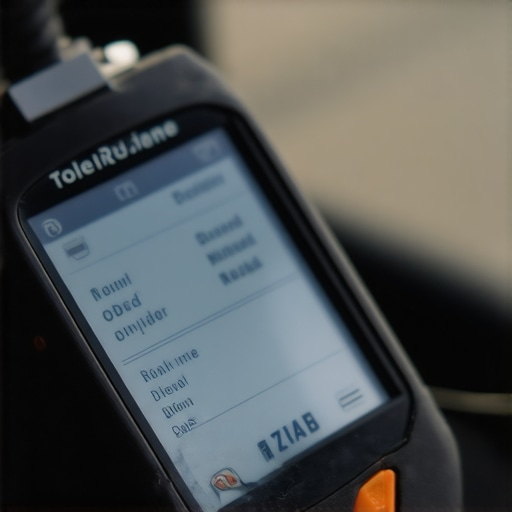
Image description: A professional-grade automotive diagnostic scanner connected to a 2026 vehicle’s OBD-II port, displaying real-time sensor data on its screen. Alt text: Automotive diagnostic scanner diagnosing vehicle sensors. Title: Using Diagnostic Tools for Optimal Car Maintenance
The Hard-Earned Lessons That Changed My Approach to Car Care
One of the most eye-opening lessons I learned was how overlooked subtle sensor issues can stealthily sabotage your vehicle’s performance. I once thought a simple tune-up was enough, only to discover underlying electronic glitches lurking beneath the surface—addressing these early saved me thousands. Additionally, I realized that routine checks for hidden leaks or sensor malfunctions often reveal problems before they escalate, emphasizing the importance of proactive maintenance. Lastly, I learned that investing in quality diagnostic tools not only saves time but also empowers you to diagnose issues accurately—transforming your relationship with your vehicle from reactive to proactive.
My Top Picks for Maintaining Your 2026 Ride
To support my ongoing efforts, I rely on tools I trust deeply. The Autel Maxisys Elite stands out as a comprehensive diagnostic scanner, offering detailed insights into all sensor and ECU data—crucial for modern vehicles. For software, the Car Scanner ELM OBD2 app provides real-time analytics, helping me spot trends early. I also recommend reading dedicated guides like this advice on fixing transmission sensors, which bridges gaps in understanding beyond basic repair. Lastly, staying updated with firmware ensures my diagnostic tools remain effective in tackling the latest vehicle models and updates.
Your Next Step Is Closer Than You Think
Every journey toward a more efficient and reliable vehicle begins with one small decision—taking action today on the insights shared. Whether it’s inspecting your air intake system or harnessing advanced diagnostics, your proactive effort can extend your vehicle’s lifespan and boost performance. Remember, the road to optimal car care is ongoing, but every step you take now makes a lasting difference. Embark on this journey with confidence—your 2026 vehicle will thank you for it.
What’s the first modification or diagnostic step you’re planning to try? Share your thoughts below, and let’s keep the conversation going!
![5 Diagnostic Fixes for 2026 Engine Power Loss [Tested]](https://collisionfixer.com/wp-content/uploads/2026/04/5-Diagnostic-Fixes-for-2026-Engine-Power-Loss-Tested.jpeg)

![3 Quick Fixes for 2026 Engine Surging at Red Lights [Proven]](https://collisionfixer.com/wp-content/uploads/2026/04/3-Quick-Fixes-for-2026-Engine-Surging-at-Red-Lights-Proven-1.jpeg)